Have you ever stared into your morning cup of coffee and wondered about the incredible journey those beans took before reaching your grinder? The story begins not in a roastery, but in the soil—where a coffee beans tree transforms from a tiny seed into a fruit-bearing plant that produces the cherries we know as coffee.
Understanding how coffee beans grow isn't just fascinating trivia for enthusiasts. It deepens your appreciation for every cup you brew and helps you make better decisions about the beans you choose. Whether you're curious about coffee tree cultivation or dreaming of growing your own coffee plant at home, this guide will walk you through the complete transformation from seed to cherry.
Understanding the Coffee Bean Tree: Anatomy and Characteristics
Before diving into the growth cycle, let's clarify a common question: do coffee beans grow on trees? Technically, coffee plants are classified as shrubs or small trees, typically growing between 6 to 15 feet tall when cultivated, though wild specimens can reach 30 feet or more.
The coffee beans tree features glossy, dark green leaves that grow in pairs along the branches. These leaves are oval-shaped with wavy edges and can reach up to 6 inches in length. The plant's root system is extensive, allowing it to absorb nutrients efficiently from the soil—a crucial factor in coffee bean development.
There are two primary species cultivated commercially: Coffea arabica and Coffea canephora (Robusta). Arabica plants prefer higher elevations and cooler temperatures, producing beans with complex flavor profiles. Robusta is hardier, thrives at lower elevations, and contains nearly double the caffeine content.
The Growth Cycle: From Coffee Seed to Cherry
Understanding how do coffee beans grow requires following a fascinating timeline that spans years, not months. The journey from planting to your first harvest is a testament to patience and agricultural expertise.
Stage 1: Germination and Seedling (Months 1-6)
The process begins with fresh coffee seeds, which must be planted quickly as they lose viability within weeks of drying. Farmers plant the seeds in shaded nurseries with well-draining soil. Within 4-8 weeks, the seed germinates, sending up a delicate shoot with two embryonic leaves.
During this vulnerable period, seedlings require consistent moisture, partial shade, and protection from pests. Nursery managers carefully monitor growth, transplanting seedlings into individual bags once they develop 4-6 true leaves.
Stage 2: Vegetative Growth (Years 1-3)
Young coffee plants focus their energy on developing strong root systems and woody stems. During this vegetative phase, the plant produces more leaves and branches but no flowers. Farmers prune strategically to encourage bushier growth and prepare the plant for future production.
This stage is critical for establishing the plant's health. Proper nutrition, including nitrogen-rich fertilizers, helps build the vigorous framework necessary to support future cherry production. The plant's resilience during this period often determines its productivity over the following decades.
Stage 3: Flowering and Fruit Development (Year 3+)
Here's where the magic truly begins. After approximately 3-4 years, mature coffee trees produce small, fragrant white flowers that resemble jasmine. These flowers bloom simultaneously, typically following a heavy rain, creating spectacular white blankets across coffee farms.
Each flower that becomes pollinated develops into a coffee cherry. Initially green, these cherries slowly mature over 6-9 months, transitioning through yellow and orange stages before reaching their characteristic deep red (or sometimes yellow, depending on the variety) color when fully ripe.

How Long Does It Take for a Coffee Tree to Produce Beans?
One of the most common questions among aspiring coffee growers is about the timeline for production. How long does it take for a coffee tree to produce beans? The answer requires patience: typically 3 to 4 years from planting before the first significant harvest.
However, this timeline varies based on several factors:
- Variety: Robusta varieties often mature slightly faster than Arabica, sometimes producing limited cherries by year 3.
- Climate: Warmer temperatures at lower elevations can accelerate growth, while cooler high-altitude farms may see slower development.
- Cultivation practices: Proper pruning, fertilization, and irrigation can optimize growth rates and potentially lead to earlier production.
- Seed vs. seedling quality: Starting with high-quality, disease-resistant stock ensures vigorous growth from the beginning.
Once production begins, a healthy coffee tree can remain productive for 20 to 30 years, with some exceptional trees continuing to bear fruit for half a century or more. Peak production typically occurs between years 7 and 20, when the tree reaches its optimal balance of maturity and vigor.
What Does a Coffee Cherry Look Like?
Understanding what does a coffee cherry look like helps you appreciate the transformation that occurs before beans ever reach your grinder. Despite the name "cherry," coffee fruit is actually a type of stone fruit called a drupe—similar to peaches, plums, and olives.
A ripe coffee cherry typically measures about ½ to ¾ inch in diameter (roughly the size of a small grape). The skin (exocarp) is smooth, thin, and waxy, ranging in color from deep crimson red to bright yellow or even orange, depending on the coffee variety. Most specialty coffee comes from red-berried varieties, but yellow Bourbon and other cultivars produce golden-hued fruit.
Beneath the skin lies the pulp (mesocarp), a sweet, mucilaginous layer that surrounds the seeds. This pulp is rich in sugars and is often fermented and dried to create cascara, a tea-like beverage popular in coffee-producing regions. Inside the pulp, you'll find the parchment layer (endocarp), a tough, papery hull that protects the developing beans.
Each cherry typically contains two seeds (the coffee beans) facing each other with their flat sides together, creating the characteristic groove you see on roasted beans. Occasionally, a cherry produces only one rounded seed called a peaberry, which some coffee enthusiasts believe offers more concentrated flavor.

Where Do Coffee Trees Grow Best?
The question of where do coffee trees grow best reveals why certain regions have become synonymous with exceptional coffee. Coffee trees thrive in a relatively narrow band around the equator known as the "Bean Belt," stretching between the Tropics of Cancer and Capricorn (approximately 25°N to 30°S latitude).
Within this belt, coffee trees require specific conditions to flourish:
- Altitude: Arabica coffee grows best at elevations between 2,000 and 6,000 feet (600-1,800 meters). Higher altitudes slow cherry maturation, allowing more complex sugars and acids to develop. Robusta tolerates lower elevations, typically growing between sea level and 2,500 feet.
- Temperature: Coffee trees prefer consistent temperatures between 60°F and 70°F (15°C-24°C). Frost is deadly to coffee plants, while excessive heat above 86°F (30°C) can stress trees and reduce bean quality.
- Rainfall: Annual rainfall between 60-100 inches (1,500-2,500mm) is ideal, with a distinct dry season to trigger flowering. The timing of rains is crucial—heavy precipitation should coincide with flowering and cherry development.
- Soil: Well-drained, volcanic soils rich in organic matter provide the best foundation. Coffee trees prefer slightly acidic soil with pH between 6.0 and 6.5. Good drainage prevents root rot, while volcanic minerals contribute essential nutrients.
Countries like Ethiopia, Colombia, Brazil, Guatemala, and Kenya have become coffee powerhouses because they offer these ideal conditions. However, microclimates within these regions create distinct flavor profiles—higher elevation farms in Colombia produce different characteristics than lower-lying Brazilian plantations, even within the same country.


How Are Coffee Beans Harvested?
Understanding how are coffee beans harvested reveals the labor-intensive process that brings specialty coffee to your cup. The harvesting method significantly impacts coffee quality, making this stage crucial in the journey from tree to brew.
There are two primary harvesting methods, each with distinct advantages and quality implications:
Selective Picking (Hand-Picking)
This is the gold standard for specialty coffee. Skilled pickers move through the plantation repeatedly during harvest season, carefully selecting only cherries that have reached optimal ripeness. Since coffee cherries on the same branch ripen at different rates, pickers may return to the same tree 3-4 times over several weeks.
The advantages are significant: only perfectly ripe cherries are selected, resulting in consistent, sweet, and complex flavor profiles. This method is labor-intensive and expensive, which explains why specialty coffee commands higher prices. The human touch ensures that under-ripe or over-ripe cherries—which can introduce bitter, sour, or fermented off-flavors—never make it into your bag.
Strip Picking
Used primarily for commodity coffee and in regions where labor costs are prohibitive, strip picking involves removing all cherries from the branch simultaneously, regardless of ripeness. This can be done by hand (grasping the branch and pulling) or by mechanical harvesters that shake the trees.
While efficient and cost-effective, strip picking results in a mixture of ripe, under-ripe, and over-ripe cherries. This inconsistency requires additional sorting and often results in lower cup quality. However, this method makes coffee accessible to mass markets and is necessary for the volume demanded by global consumption.

From Cherry to Cup: The Final Transformation
Once harvested, the coffee cherries undergo processing to extract the beans we recognize. The fruit pulp is removed through either washed (wet), natural (dry), or honey processing methods. The beans are then dried, rested, milled to remove parchment, sorted by quality, and finally roasted to develop the flavors we crave.
This journey—from a seedling in volcanic soil to a ripe cherry picked by skilled hands, then processed and roasted—represents one of agriculture's most complex transformations. Every step influences the final cup, which is why understanding coffee plant growth deepens your appreciation for specialty coffee.

Coffee Bean Weighing Tray with Universal Pour Spout
$12.90 $22.00
Spread your coffee beans into a single layer for faster defect spotting and precise dosing. The square design provides stable scale contact for accurate weighing every time.
Explore ProductOnce you've selected your premium beans, proper preparation becomes essential. The Coffee Bean Weighing Tray with Universal Pour Spout helps you inspect and measure your beans with precision, ensuring only the best make it into your grinder. This attention to detail mirrors the care taken during cultivation and harvesting.
Bringing the Coffee Experience Home
Understanding how are coffee beans grown transforms you from a casual drinker into a true coffee connoisseur. When you know the years of growth, careful harvesting, and meticulous processing behind each bean, you approach brewing with newfound respect and attention to detail.
Whether you're exploring single-origin Ethiopian beans or experimenting with different roast levels, having the right equipment ensures you honor the journey from seed to cherry. From precise weighing to consistent grinding and expert brewing techniques, every step in your kitchen connects back to the coffee farm.
Essential Tools for Coffee Enthusiasts

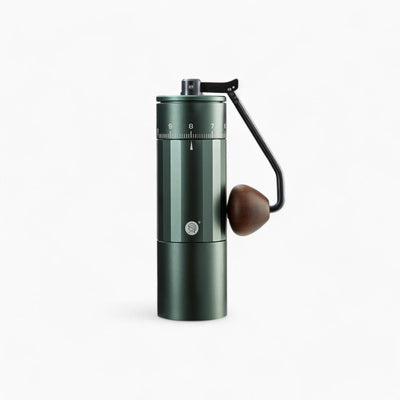
Portable Electric Coffee Grinder with Conical Burrs
$162.90
$319.90
Experience the flavor of freshly ground beans with this portable electric grinder. CNC-machined stainless steel conical burrs deliver uniform particle size for exceptional extraction. Learn more ➔

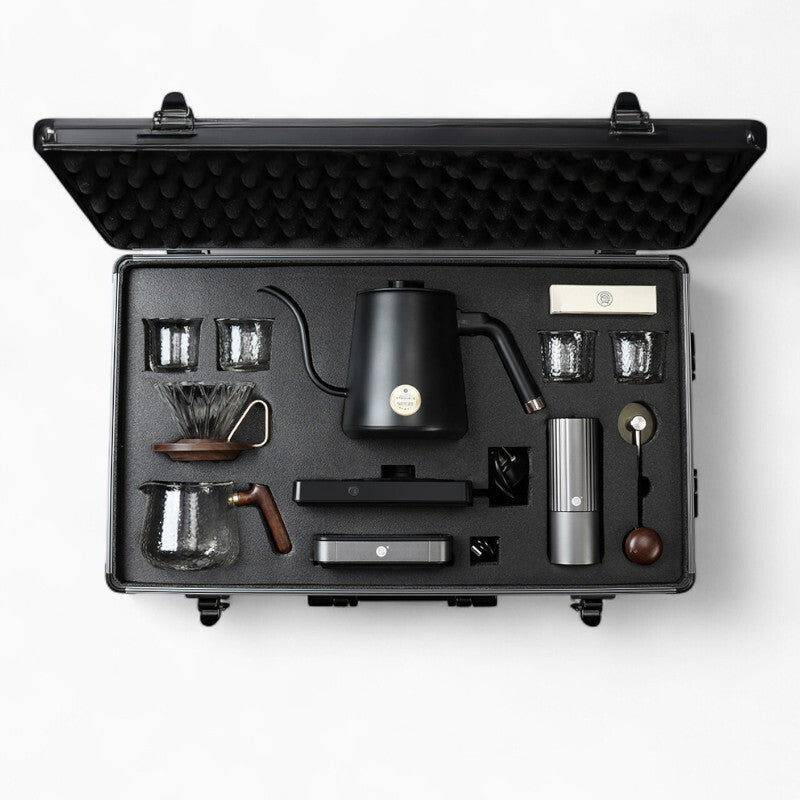
Professional Pour Over Coffee Kit with Grinder and Kettle
$445.90
$743.00
Complete your coffee journey with this professional brewing kit. Features precision grinder, temperature-controlled kettle, and everything needed for cafe-quality pour over at home. Learn more ➔
The Portable Electric Coffee Grinder with Conical Burrs ensures that the beans farmers spent years cultivating are ground to uniform perfection, preserving the delicate flavors developed during growth. For those seeking the complete home brewing experience, the Professional Pour Over Coffee Kit with Grinder and Kettle provides everything needed to honor the coffee bean's journey from tree to cup.
Conclusion: Appreciating the Journey from Seed to Cup
The journey of a coffee beans tree from a humble seed to a fruit-bearing plant producing ripe cherries is one of agriculture's most remarkable transformations. Spanning 3-4 years before the first harvest and requiring specific conditions found only within the Bean Belt, coffee cultivation demands patience, expertise, and respect for natural processes.
When you understand how coffee beans grow—from the delicate white flowers that perfume the mountainsides to the careful hand-picking of ripe cherries—you develop a deeper connection to every cup you brew. This knowledge transforms coffee from a simple caffeine delivery system into an agricultural achievement worth savoring.
At Rethink Cafe, we honor this journey by providing the tools you need to extract the full potential from these carefully cultivated beans. From precise weighing trays that help you inspect bean quality to professional grinders that preserve delicate flavors developed over years of growth, our equipment bridges the gap between the coffee farm and your kitchen. Explore our collection and bring the respect that coffee deserves into your daily brewing ritual.
Frequently Asked Questions about Coffee Beans Tree
Yes, coffee beans grow on trees—technically classified as evergreen shrubs or small trees. Coffee trees typically grow 6 to 15 feet tall in cultivation, though wild specimens can reach 30 feet. The beans are actually the seeds found inside coffee cherries, which are the fruit that grows on these trees. Each cherry typically contains two beans, though occasionally a single rounded peaberry forms instead.
Coffee trees typically take 3 to 4 years to produce their first significant harvest of beans. However, this timeline varies based on variety (Robusta often matures faster than Arabica), climate conditions, elevation, and cultivation practices. Once production begins, a healthy coffee tree can remain productive for 20 to 30 years, with peak production occurring between years 7 and 20. Some exceptional trees continue bearing fruit for 50 years or more with proper care.
A coffee cherry resembles a small grape or cranberry, typically measuring ½ to ¾ inch in diameter. When ripe, the smooth, waxy skin (exocarp) turns deep red for most varieties, though some cultivars like Yellow Bourbon produce bright yellow or orange fruit. Inside, the cherry contains a sweet, mucilaginous pulp surrounding two coffee beans (seeds) facing each other with their flat sides together. A tough parchment layer protects the beans, and occasionally a single rounded peaberry forms instead of two flat beans.
Coffee beans are harvested using two primary methods. Selective picking involves hand-picking only ripe cherries, with workers returning to the same trees 3-4 times over several weeks. This labor-intensive method ensures optimal flavor and is used for specialty coffee. Strip picking removes all cherries simultaneously, either by hand or mechanical harvesters, regardless of ripeness. While efficient and cost-effective for commodity coffee, this method requires additional sorting and can result in inconsistent quality. After harvesting, cherries undergo processing (washed, natural, or honey methods) to remove fruit layers and prepare the green beans for roasting.
Coffee trees grow best in the "Bean Belt," a band between the Tropics of Cancer and Capricorn (25°N to 30°S latitude). Ideal conditions include elevations of 2,000-6,000 feet for Arabica (sea level to 2,500 feet for Robusta), consistent temperatures between 60°F-70°F (15°C-24°C), annual rainfall of 60-100 inches with a distinct dry season, and well-drained volcanic soil with pH 6.0-6.5. Countries like Ethiopia, Colombia, Brazil, Guatemala, and Kenya excel in coffee production because they offer these specific conditions. Higher elevations generally produce denser, more complex beans due to slower maturation, while specific microclimates within regions create unique flavor profiles.