Transforming your kitchen into a café-quality coffee sanctuary starts with one crucial decision: your espresso machine. For homeowners planning a luxury kitchen renovation, a built in espresso machine represents the pinnacle of convenience, aesthetics, and performance. Unlike countertop models that clutter valuable workspace, these integrated systems blend seamlessly into your cabinetry, delivering professional-grade espresso at the touch of a button while maintaining the clean, sophisticated look of a modern kitchen.
But choosing the right integrated coffee system requires careful consideration of features, costs, installation requirements, and whether the investment truly aligns with your coffee lifestyle. In this comprehensive guide, we'll explore everything you need to know about selecting the best built-in espresso machine for your home, from understanding the technology behind these luxury appliances to maximizing your brewing experience with the right accessories from Rethink Cafe.
What Is a Built-In Espresso Machine?
A built-in espresso machine, also known as an integrated coffee machine or kitchen espresso system, is a fully enclosed appliance designed to install directly into your kitchen cabinetry. Unlike traditional countertop espresso machines, these units sit flush with your cabinets and often feature matching panels that create a cohesive, custom look.
These systems typically offer:
- Direct plumbing connection for automatic water filling and drainage
- Built-in bean hoppers and grinders for fresh brewing
- Milk frothing systems for lattes and cappuccinos
- Touchscreen controls and programmable drink settings
- Self-cleaning and maintenance cycles
The result is a streamlined coffee station that eliminates the visual clutter of separate machines, grinders, and accessories while delivering consistent, café-quality beverages.
Are Built-In Coffee Machines Worth the Investment?
This is perhaps the most common question among homeowners considering an integrated espresso system. The answer depends on your priorities, budget, and daily coffee habits.
Built-in machines excel when you value:
- Space efficiency: Reclaiming countertop real estate in compact or minimalist kitchens
- Aesthetic cohesion: Achieving that seamless, high-end kitchen design featured in architectural magazines
- Convenience: One-touch operation with minimal daily maintenance
- Resale value: Luxury kitchen features that appeal to discerning homebuyers
However, they require significant upfront investment and permanent installation. If you enjoy the ritual of manual espresso preparation, frequently change residences, or prefer flexibility in machine placement, a premium countertop model might better serve your needs. For those committed to a luxury kitchen remodel with coffee at its center, the integration and convenience justify the premium.
How Much Does a Built-In Espresso Machine Cost?
Understanding the financial commitment is essential for proper budget planning. The luxury built-in coffee machine market spans several price tiers:
| Price Range | Features | Representative Brands |
|---|---|---|
| $3,000 - $4,500 | Entry-level plumbed systems, basic milk frothing, limited programmability | Bosch, select Thermador models |
| $4,500 - $6,500 | Mid-range with advanced milk systems, multiple user profiles, larger bean hoppers | Thermador, Miele CVA series |
| $6,500 - $10,000+ | Flagship models with steam wands, commercial-grade components, smart home integration | Miele MasterCool, premium Gaggenau |
Remember to factor in installation costs ($500-$2,000 depending on plumbing and electrical work) and ongoing maintenance expenses. While the initial investment is substantial, these machines typically last 10-15 years with proper care, amortizing the cost to roughly $1-2 per day for daily users.
Key Features to Consider When Choosing Your System
Not all automatic built-in coffee systems are created equal. Evaluate these critical features before making your selection:
Plumbing vs. Reservoir
A plumbed built-in coffee machine connects directly to your water supply, eliminating the need to refill tanks and enabling automatic drainage. This is the preferred configuration for true convenience, though it requires professional plumbing installation. Reservoir models offer more flexible placement but demand regular manual refilling.
Grinder Integration
Most built-in units include ceramic burr grinders with adjustable settings. Look for systems with:
- Multiple grind size options for different roast profiles
- Large bean hopper capacity (minimum 250g for daily use)
- Quiet grinding operation (important for early morning brewing)
Milk Frothing Technology
Luxury models offer either automatic milk systems with carafes or professional steam wands. Automatic systems prioritize convenience, while steam wands provide the control needed for latte art and precise milk texturing.
Smart Features and Connectivity
Premium luxury kitchen coffee machines now include WiFi connectivity, smartphone apps for remote brewing, maintenance alerts, and usage tracking. Consider whether these features justify the additional cost for your lifestyle.
Top Brands in the Built-In Espresso Market
The integrated espresso system landscape features several dominant players, each with distinct strengths:
Miele
The German manufacturer leads the category with their CVA and MasterCool series. Miele built-in espresso machines are renowned for exceptional build quality, intuitive interfaces, and consistent performance. Their mid-range models strike an excellent balance of features and reliability, while flagship units offer commercial-grade components and extensive customization.
Bosch
Bosch provides accessible entry points into built-in coffee systems with reliable, straightforward operation. Their units emphasize value and ease of use over extensive programmability, making them ideal for households that want quality espresso without complexity.
Thermador
As a premium appliance brand, Thermador focuses on powerful performance and sleek design integration. Their machines often feature larger capacities and faster heat-up times, appealing to households with multiple coffee drinkers.

Installation Considerations for Your Kitchen Remodel
Proper planning is essential when incorporating a built-in espresso machine into your kitchen design. Work with your contractor to address these requirements:
Cabinetry Specifications
Most built-in coffee machines require a 24-inch wide cabinet opening with specific depth and height clearances. Verify dimensions with your chosen model before finalizing cabinet designs. Some units accept custom panels to match surrounding cabinetry, while others feature proprietary finishes.
Plumbing Requirements
For plumbed installations, you'll need:
- Cold water supply line with shut-off valve
- Drain connection (typically to a sink drain or dedicated line)
- Water filtration system to protect internal components
Position the machine within reasonable distance of existing plumbing to minimize installation costs.
Electrical and Ventilation
Most units require a dedicated 110V outlet. Ensure adequate ventilation around the machine to prevent overheating, particularly in tight cabinet configurations. Some high-end models include built-in cooling systems that require additional clearance.

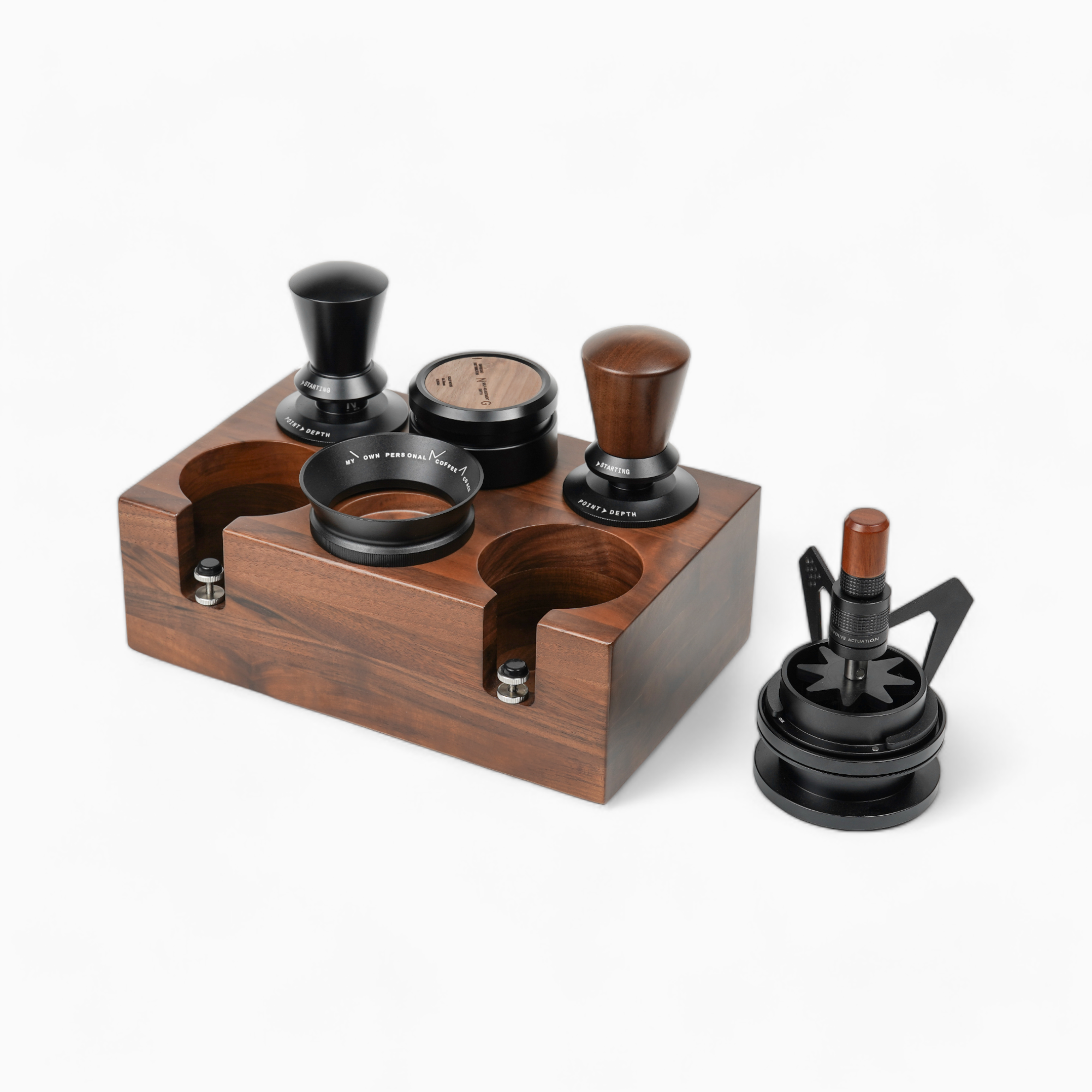
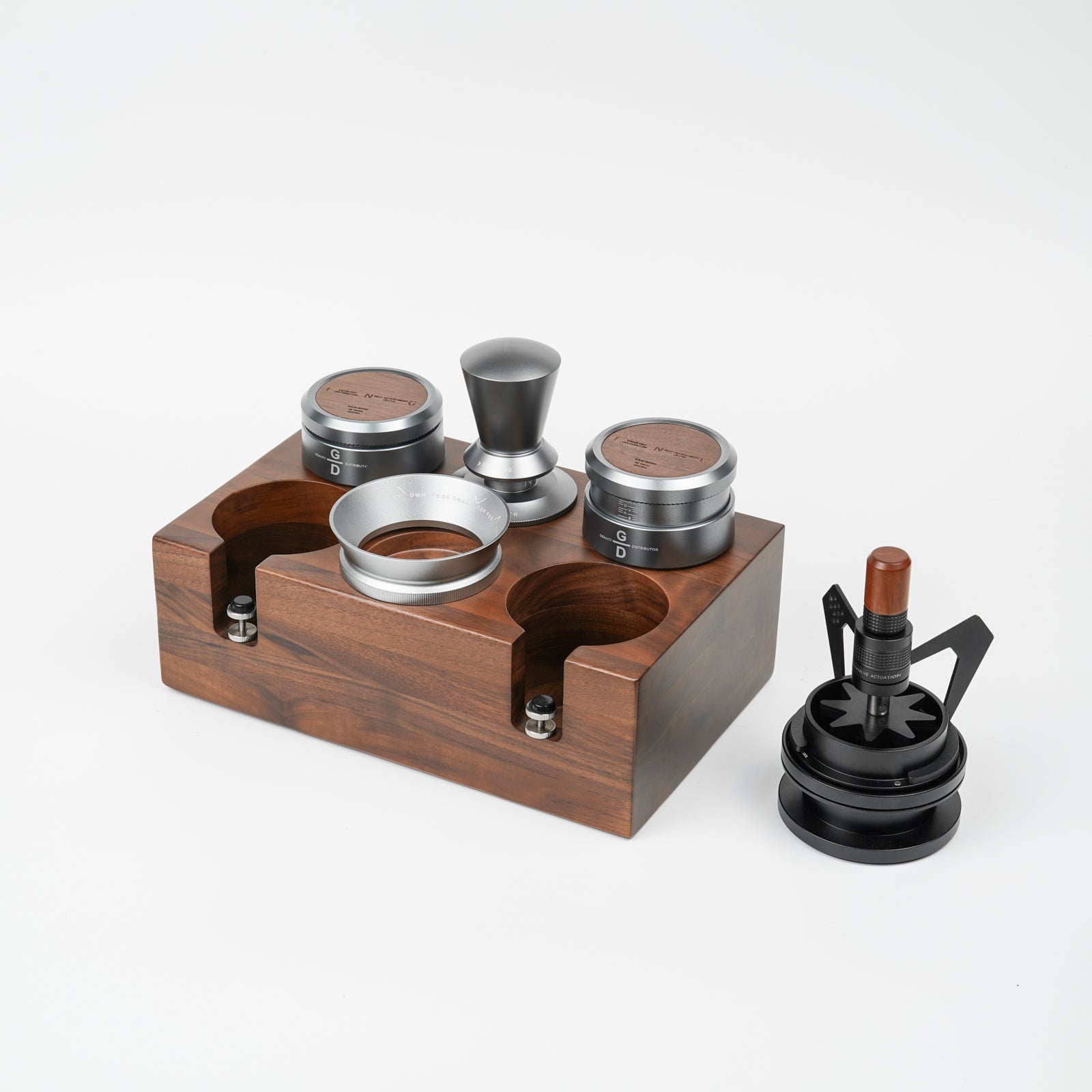
Barista Master Bundle Kit with Tamper and Distributor
$324.90 $382.00
Complete your espresso setup with this professional bundle featuring gravity distributor, adjustable tampers, and walnut organizer - everything needed for perfect puck preparation.
Explore ProductEnhancing Your Coffee Experience Beyond the Machine
While a built-in espresso machine provides the foundation for exceptional coffee, the quality of your beans and accessories significantly impacts the final cup. Even the most advanced integrated coffee machine cannot compensate for stale grounds or inconsistent preparation.
This is where investing in quality complementary equipment becomes essential. A dedicated grinder ensures fresh, uniform grounds for optimal extraction. Professional-grade tools for distribution and tamping eliminate channeling and ensure even water flow through the puck. Proper organization keeps your coffee station efficient and visually appealing.
At Rethink Cafe, we specialize in the accessories that transform good espresso into extraordinary espresso. Whether you're using a built-in system or a countertop machine, the right tools make every shot count.

Essential Accessories for Your Coffee Station

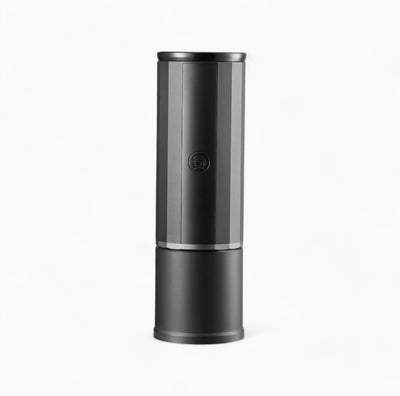
T64 Single Dose Coffee Grinder with 64mm Flat Burrs
$345.90
$356.00
Pair your built-in espresso system with this premium single-dose grinder featuring 64mm titanium burrs and near-zero retention for the freshest possible espresso. Learn more ➔

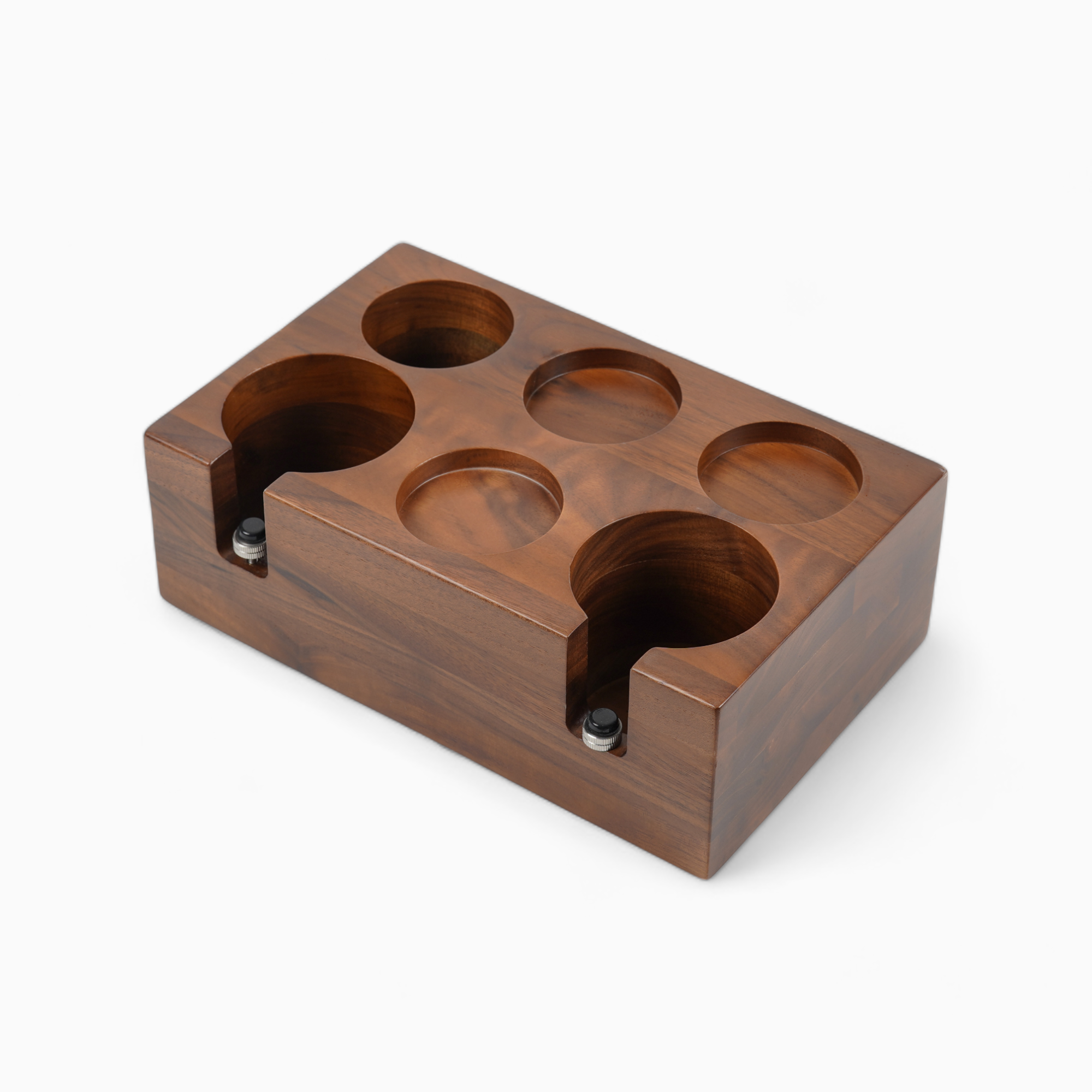
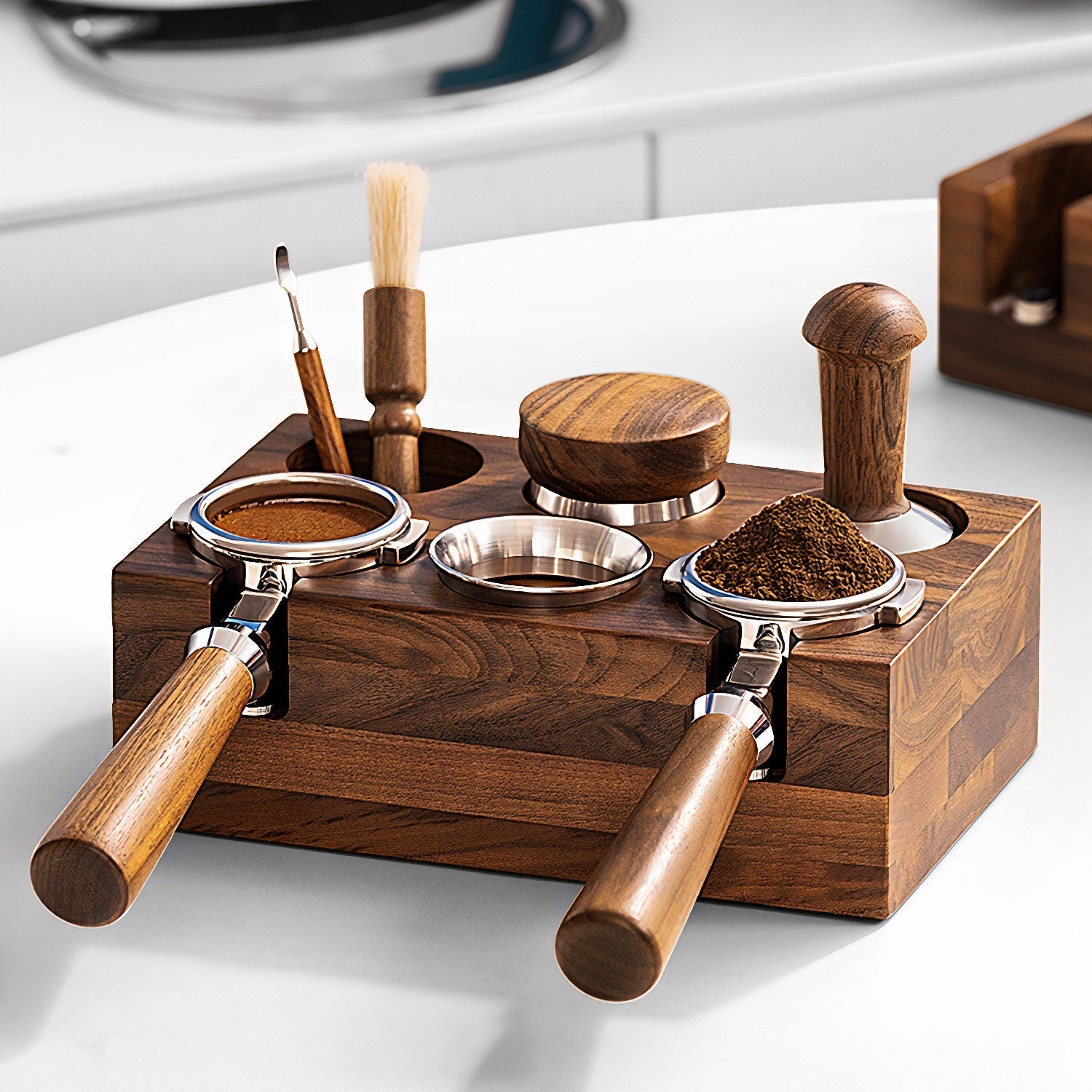
Walnut Barista Tool Organizer with Six Slot Design
$112.90
$188.00
Keep your coffee station elegant and organized with this handcrafted walnut organizer, perfect for storing tampers, distributors, and portafilter accessories. Learn more ➔
The 2:1 Rule for Perfect Espresso Extraction
Understanding extraction ratios helps you maximize any espresso machine's potential. The 2:1 rule for espresso refers to the brew ratio—the relationship between the dose of ground coffee and the final beverage weight. A 2:1 ratio means extracting twice the weight of the coffee dose (for example, 18g of coffee yielding 36g of espresso).
This ratio produces a balanced, flavorful shot that highlights the coffee's inherent sweetness while maintaining appropriate body and avoiding excessive bitterness. While this is a standard starting point, personal preference and specific bean characteristics may call for slight adjustments:
- 1:1.5 to 1:1.8 (ristretto): More concentrated, syrupy body with intensified flavors
- 1:2 to 1:2.5 (normale): Balanced extraction suitable for most coffee styles
- 1:3+ (lungo): Lighter body with more nuanced acidity and clarity
Quality built-in machines allow you to program shot volumes and times to achieve your preferred ratios consistently.

Conclusion
Selecting the best built in espresso machine for your kitchen represents a significant decision that impacts your daily routine, home value, and design aesthetic. By carefully evaluating your priorities—whether that's the seamless integration of a plumbed Miele system, the value proposition of Bosch entry-level models, or the performance capabilities of Thermador's premium offerings—you can invest confidently in a system that delivers years of exceptional coffee.
Remember that the machine itself is only part of the equation. The T64 Single Dose Coffee Grinder ensures your beans are ground fresh for each extraction, while the Barista Master Bundle Kit provides the precision tools needed for perfect puck preparation. The Walnut Barista Tool Organizer keeps your station elegant and efficient.
At Rethink Cafe, we're committed to helping coffee enthusiasts at every level elevate their brewing experience. Whether you're planning a complete kitchen renovation or simply optimizing your existing setup, the right tools make all the difference between good coffee and exceptional coffee.
Frequently Asked Questions about Built-In Espresso Machines
Built-in coffee machines are worth the investment for homeowners who prioritize kitchen aesthetics, space efficiency, and convenience. They eliminate countertop clutter while delivering professional-quality espresso through seamless cabinetry integration. The premium price ($3,000-$7,500+) is justified when you're undertaking a kitchen remodel and want to maximize resale value. However, for renters or those who prefer manual espresso preparation, high-end countertop machines offer better flexibility and value.
The 2:1 rule for espresso refers to the brew ratio between coffee dose and final beverage weight. It means extracting twice the weight of your coffee dose—typically 18g of ground coffee producing 36g of espresso. This ratio creates a balanced extraction that captures the coffee's sweetness while maintaining appropriate body and avoiding excessive bitterness. While 2:1 is the standard starting point, personal preference and bean characteristics may call for ratios between 1:1.5 (ristretto) and 1:3 (lungo).
The "best" home espresso machine depends on your specific needs, budget, and experience level. For integrated kitchen designs, Miele's MasterCool series represents the pinnacle of built-in technology with commercial-grade components. For countertop models, brands like La Marzocco, Decent, and Rocket Espresso are highly regarded among enthusiasts. The ideal machine balances your desired level of control (manual vs. automatic), budget, available space, and willingness to learn technique. Even modest machines can produce excellent results with quality beans, proper grinder calibration, and skilled preparation.
Both Breville and DeLonghi excel in different areas. Breville (Sage in Europe) emphasizes user-friendly interfaces, precise temperature control, and innovative features like the Oracle's automatic grinding and tamping. Their machines often appeal to beginners and intermediate users seeking consistency. DeLonghi offers broader price ranges, from entry-level super-automatics to high-end manual machines, with particular strength in compact designs and value propositions. Neither brand currently offers built-in espresso machines for cabinetry integration—both focus exclusively on countertop models. For built-in options, consider Miele, Bosch, or Thermador.
Built-in espresso machines typically cost between $3,000 and $7,500, with premium models exceeding $10,000. Entry-level units from Bosch start around $3,000, while mid-range Miele and Thermador models fall between $4,500 and $6,500. Flagship systems with advanced features, larger capacities, and commercial-grade components command $6,500 to $10,000+. Additionally, budget $500-$2,000 for professional installation, including plumbing and electrical work. Over a 10-15 year lifespan, this investment amortizes to roughly $1-2 per day for daily users.