

Every morning, millions of coffee lovers unknowingly brew their espresso through plastic. That hot water extracting your perfect shot? It's passing through plastic tubing, tanks, and group heads that can release microplastics and chemical additives into your cup.
The search for a plastic free espresso machine isn't just about aesthetics—it's about health. As awareness grows about BPA, phthalates, and microplastic contamination in hot water systems, home baristas are demanding machines built from food-grade stainless steel, brass, and glass. This guide explores everything you need to know about non toxic espresso machine options, from understanding material safety to selecting the perfect all metal espresso machine for your kitchen. We'll examine why traditional electric machines often fall short and present solutions that prioritize both your health and brewing excellence.
Why Choose a Plastic-Free Brewing Experience?
When water reaches 195-205°F—the optimal temperature for espresso extraction—it becomes highly effective at leaching compounds from any material it contacts. Research has shown that hot water can accelerate the release of BPA and microplastic particles from plastic components, particularly when these parts are new or subjected to thermal cycling.
Commercial espresso machines often incorporate plastic for convenience: water reservoirs made from polycarbonate, internal tubing from PVC, and group head components from various polymers. While these plastics are often labeled "food grade," that designation typically applies to room-temperature contact only. The combination of heat, pressure, and acidity in espresso brewing creates conditions where chemical migration becomes a genuine concern.
Beyond health considerations, stainless steel espresso machine construction offers superior durability and thermal retention. These materials eliminate the "plastic taste" that can mask delicate coffee notes, allowing the pure flavors of your beans to shine through.

Understanding Plastic Content in Espresso Machines
Before diving into specific recommendations, it's helpful to understand how plastic is typically used in espresso machine construction. This video breaks down which machine categories use the least plastic and why:
As the video explains, truly plastic-free construction requires a fundamental rethinking of machine design. This is why manual espresso machine options often lead the pack in non-toxic materials—their mechanical simplicity eliminates the need for electric pumps and their associated plastic housing and tubing.
Hand-Crank Precision: The Manual Advantage
For the purest brewing experience without a single drop touching plastic, manual machines represent the gold standard. These lever and crank systems eliminate not just the water path plastics, but the electric pumps, solenoids, and reservoirs that plague conventional designs.
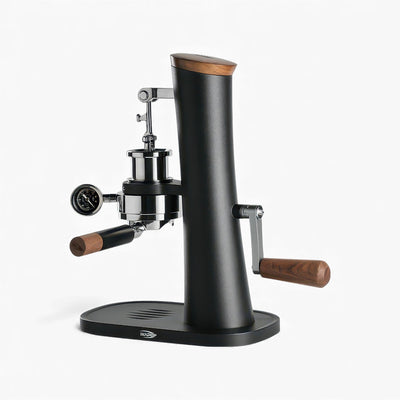
The Mach M8 Hand Crank Espresso Machine 3-12 Bar embodies this philosophy completely. With its one-piece metal construction and mechanical pressure generation, there's simply nowhere for plastic to hide.

Mach M8 Hand Crank Espresso Machine 3-12 Bar
$1,490.00 $1,900.00
Experience full control with the Mach M8s one-piece metal construction and 3-12 bar manual pressure profiling for truly plastic-free espresso.
Explore ProductManual machines like the Mach M8 give you complete control over the brewing process—from pre-infusion to pressure profiling—while ensuring your water only contacts food-grade metal components. The 3-12 bar pressure range accommodates everything from traditional 9-bar extractions to gentler pressure profiles for light roasts.

This image captures the tactile connection between barista and machine that only comes from purely mechanical operation. The warm stainless steel texture offers both aesthetic pleasure and practical benefits: superior thermal stability compared to plastic housing materials.
Innovative Mechanical Systems: Screw and Pneumatic
Beyond traditional lever machines, modern manual engineering has produced several unique systems that deliver consistent pressure without electronics or plastics. These represent some of the most non toxic coffee machine options available today.
Screw-driven mechanisms use mechanical advantage to generate precise, controlled pressure through food-grade metal threads and chambers. Pneumatic systems harness compressed air—stored in stainless steel reservoirs—to push water through your grounds. Both approaches eliminate the need for electric pumps and their associated plastic tubing.
Zero-Plastic Extraction Tools

Alkaid Screw-Driven Manual Espresso Machine
$859.90
$1,228.00
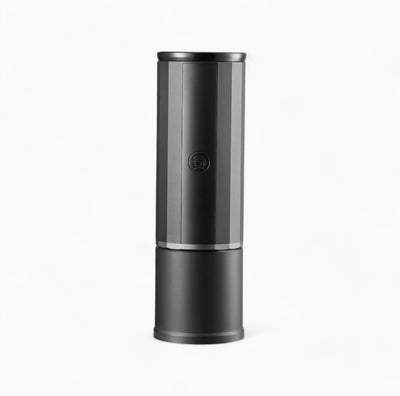
The Alkaid delivers 9-bar extraction through a screw-driven gear mechanism with food-grade certified materials and zero plastic contact. Learn more ➔

Pneumatic Portable Espresso Maker 9 Bar Pressure
$255.90
$425.00
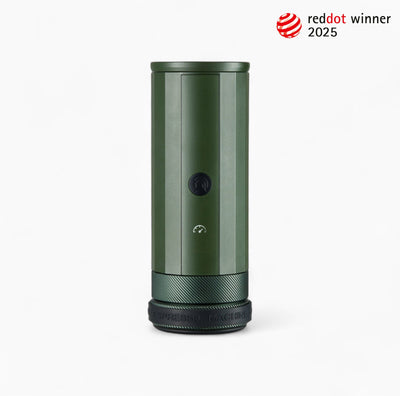
Take cafe-quality espresso anywhere with this 304 stainless steel pneumatic brewer, delivering 9-bar pressure without electricity or plastic. Learn more ➔
Both the Alkaid Screw-Driven Manual Espresso Machine and the Pneumatic Portable Espresso Maker demonstrate that modern engineering can deliver 9-bar extraction without exposing your water to plastic. The Alkaid's screw-driven gear mechanism provides exceptional pressure consistency, while the pneumatic system's 304 stainless steel construction offers portability without compromise.

Creating a healthier coffee brewing ritual starts with the materials touching your water. Whether you're pulling a morning shot in a minimalist kitchen or taking your espresso on the road, choosing truly plastic-free equipment transforms your daily coffee from a potential hazard into a wellness practice.
Material Standards and Certifications
When evaluating all stainless steel espresso machine options, look beyond marketing claims. True food-grade stainless steel brewing equipment should specify either 304 or 316 stainless steel for water-contact surfaces. These alloys resist corrosion from coffee acids and won't impart metallic flavors to your extraction.
Key certifications to look for include:
- NSF/ANSI certification for safe food contact materials
- LFGB approval (European food contact safety standards)
- Lead-free brass components that won't contaminate your water
The manual lever espresso machine category generally offers the highest certification rates for plastic-free construction because their simple water paths are easier to engineer with completely metal components.
Investing in True Purity
Transitioning to a plastic free espresso machine represents more than equipment upgrade—it's a commitment to your long-term health and the quality of every cup you brew. By eliminating plastic from the hot water path, you protect yourself from microplastic contamination and chemical leaching while unlocking the purest expression of your favorite beans.
Whether you choose the tactile engagement of hand-cranked machines, the precision of screw-driven systems, or the portability of pneumatic brewers, the key is ensuring that every drop of water contacting your coffee grounds travels solely through safe metals and glass.
At Rethink Cafe, we curate only those manual and specialty machines that meet rigorous standards for non-toxic construction. Our collection represents the pneumatic espresso maker innovations, manual lever classics, and cutting-edge engineering that prioritize both health and brewing excellence. Explore our complete selection of BPA free espresso machine alternatives and join the growing community of home baristas who refuse to compromise on purity.
Frequently Asked Questions about Plastic-Free Espresso
Yes, Breville espresso machines contain significant plastic components, including water reservoirs, internal tubing, and housing elements. While these are BPA-free, they can still potentially release microplastics and other compounds when exposed to hot water and pressure. For truly plastic-free brewing, manual all-metal machines or specialized stainless steel systems are necessary.
La Pavoni lever machines feature substantial metal construction, particularly in the boiler and group head. However, many models still incorporate plastic in the water reservoir and certain housing components. La Pavoni Professional and Europiccola models have minimal plastic contact compared to pump machines, but complete plastic-free operation typically requires replacing the stock reservoir with aftermarket stainless steel alternatives or selecting specialized manual machines.
Yes, several manual and pneumatic espresso machines feature 100% stainless steel water paths, including the brewing chamber, portafilter, and all internal tubing. Look for machines specifically marketed as "medical grade" or "food grade" stainless steel throughout the entire water contact system. Hand-crank and screw-driven manual machines like those available at Rethink Cafe offer the most reliably plastic-free designs.
Research indicates that plastic components in coffee and espresso machines can shed microplastic particles, particularly when exposed to high temperatures, pressure, and thermal cycling. Machines with internal plastic tubing, reservoirs, or group head components are most susceptible. Switching to all-metal manual machines or specialized stainless steel systems eliminates this concern entirely, ensuring your coffee remains free from microplastic contamination.
The best plastic-free espresso machine options include hand-crank manual machines, screw-driven systems, and pneumatic stainless steel brewers that generate pressure without electric pumps. Look for machines that explicitly specify 304 or 316 stainless steel throughout the water path, with brass or copper accents. Manual lever machines generally offer the purest construction, with minimal parts and simple water paths that are easy to verify as plastic-free.


