Shopping for an espresso machine can feel overwhelming when you're bombarded with specifications like "15 bar pump" or "20 bar espresso machine" plastered across product listings. If higher pressure sounds better to your ears, you're not alone—but this common misconception could lead you astray. The truth is, while many budget-friendly machines boast 20 bar pumps, the actual pressure reaching your coffee grounds is a completely different story.
In this guide, we'll demystify espresso machine pressure ratings, explain why 9 bars—not 20—is the gold standard for extraction, and help you understand what those marketing numbers actually mean for your morning shot. Whether you're a curious beginner or upgrading your setup, knowing how pump pressure espresso systems work will save you from marketing hype and help you invest wisely.
What Does "20 Bar Espresso Machine" Actually Mean?
When manufacturers advertise a 20 bar pressure coffee machine, they're referring to the maximum pressure the pump can generate—not the pressure actually used during extraction. Think of it like a car's top speed versus the speed you actually drive on the highway.
A 20 bar pump provides the necessary headroom to maintain consistent espresso extraction pressure at the group head, accounting for resistance from the coffee puck, machine internals, and potential wear over time. Most quality machines utilize an Over Pressure Valve (OPV) to limit the actual brewing pressure to around 9 bars, regardless of the pump's maximum capability.

Why 9 Bars Is the Sweetest Spot for Espresso
Decades of Italian espresso tradition and modern coffee science have established 9 bar espresso as the optimal extraction pressure. At this level, water flows through the coffee puck at approximately 1-2 ml per second, extracting the perfect balance of oils, acids, and sugars without over-extraction.
Push beyond 10-11 bars, and you risk channeling—where water finds weak paths through the puck, leading to bitter, uneven extraction. Drop below 8 bars, and your shot becomes under-extracted, sour, and thin. This is why pressure profiling espresso machines, which allow baristas to manipulate pressure throughout the shot, typically start at lower pre-infusion pressures before settling into the 9 bar range.

Understanding the OPV: Your Machine's Pressure Regulator
The unsung hero of any quality espresso machine is the Over Pressure Valve (OPV). This small mechanical component diverts excess water back to the reservoir when pressure exceeds the desired threshold, typically set around 9-10 bars.
Many budget 20 bar espresso maker models actually lack a properly calibrated OPV, meaning they might deliver inconsistent pressure or even exceed optimal levels. When researching best 20 bar espresso machine options, look for models that specifically mention pressure regulation or OPV adjustment capabilities. Machines without this feature rely solely on grind size and dose to control flow, making consistent shots significantly harder to achieve.
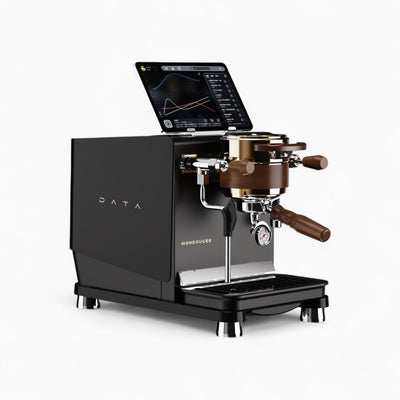
Do You Really Need a 20 Bar Machine?
Here's the straightforward answer: no. A machine marketed as 20 bar isn't inherently better than one rated at 9 or 15 bars. What matters more is how the machine manages and delivers that pressure during extraction.
When comparing 20 bar vs 15 bar espresso machines, the difference in marketing claims often has little bearing on actual performance. Both likely deliver similar pressure at the group head. Instead of fixating on the maximum pump rating, evaluate these factors:
- Temperature stability: Consistent brewing temperature matters more than peak pressure
- OPV quality: Ensures pressure stays within the optimal 9-bar range
- Build quality: Better materials maintain pressure consistency over time
- Grinder compatibility: Even the best machine fails with inconsistent grind size
Maintaining Your Machine for Consistent Pressure
Even the best high pressure espresso machines require regular maintenance to perform optimally. Residue buildup around group heads, gaskets, and portafilters can create pressure inconsistencies that affect shot quality regardless of your machine's rating.
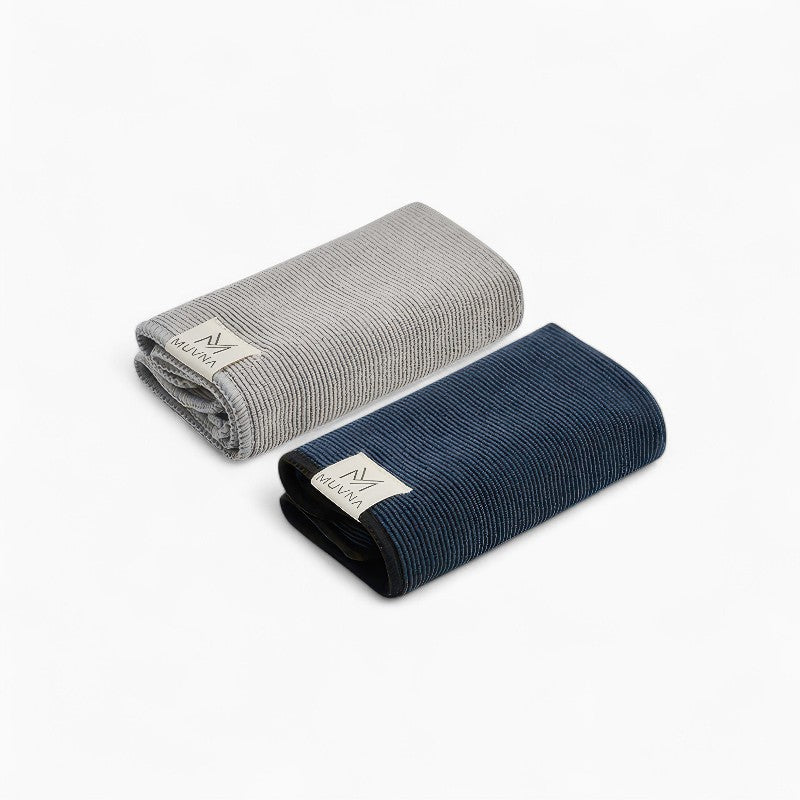
Regular cleaning with the right tools ensures your machine's pressure systems function as designed. A dedicated microfiber cloth specifically engineered for espresso equipment can make the difference between a machine that lasts five years versus fifteen.

Barista Microfiber Cleaning Towel for Espresso
$8.90 $15.00
Keep your espresso machine spotless between shots. This ultra-fine microfiber towel lifts oils, milk residue, and water spots in a single wipe. Essential maintenance tool for any 20 bar machine owner who wants peak performance.
Explore ProductBeyond the Machine: Essential Accessories for 9-Bar Success
While the espresso machine bar rating captures attention, your extraction quality depends equally on preparation tools. A 20 bar pump cannot compensate for inconsistent grind size or poor milk texturing technique.
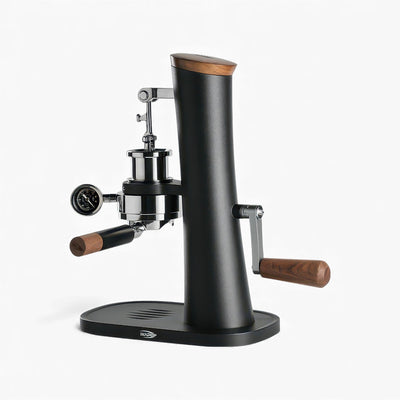
Professional baristas know that grinding fresh immediately before brewing is non-negotiable for optimal extraction. The particle size distribution from your grinder determines how water flows through the puck, directly impacting whether your machine can maintain that ideal 9 bars of pressure during the shot.
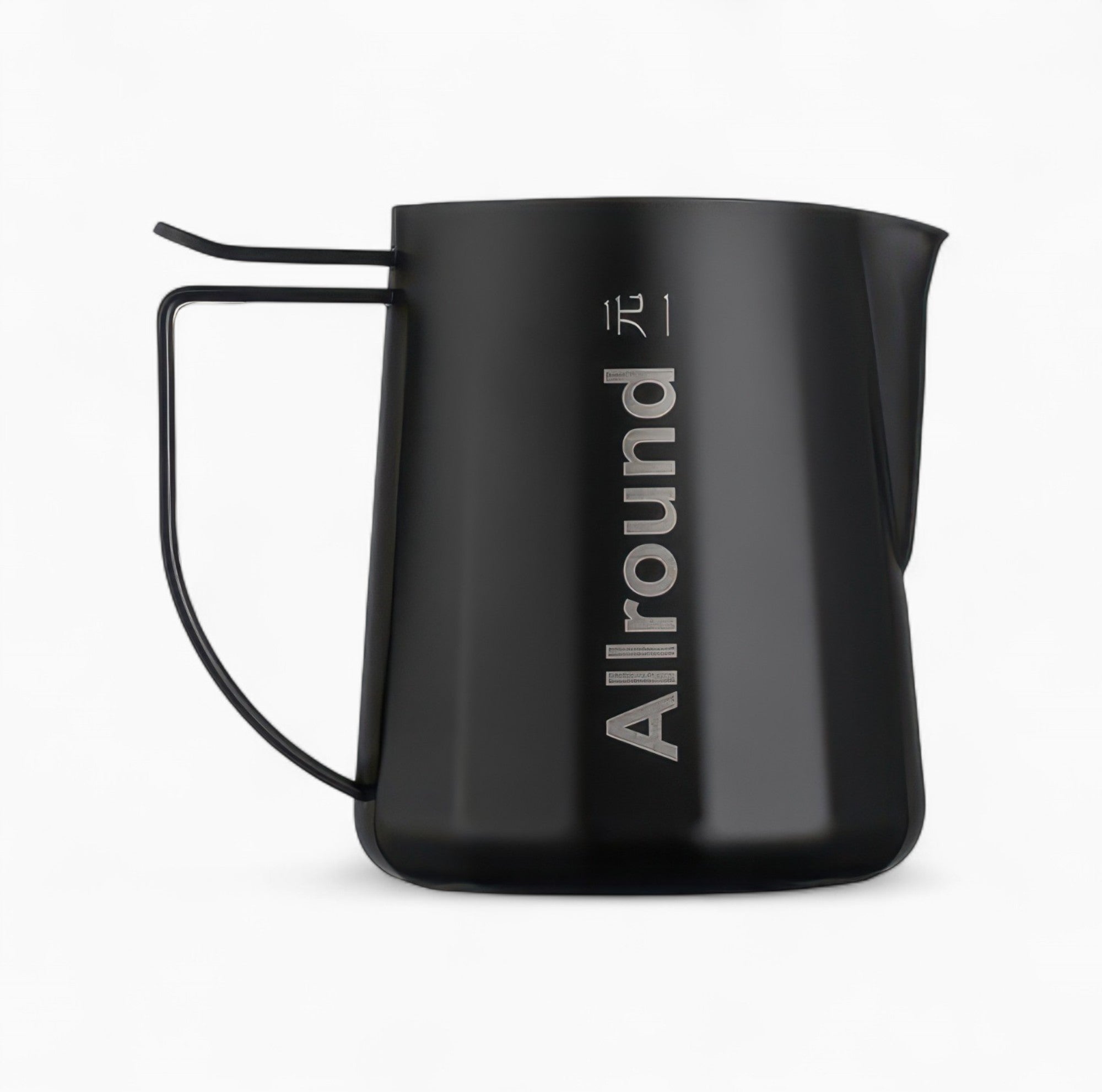
Similarly, if you're crafting milk-based drinks, the pitcher you use affects microfoam quality just as much as your machine's steam pressure. Competition-grade tools elevate your entire espresso experience beyond what specifications alone can promise.

Elevate Your Espresso Setup

Competition Grade Milk Frothing Pitcher Stainless Steel
$57.90
$112.00
The perfect companion to your 20 bar machine. This competition-grade pitcher channels microfoam exactly where you aim it. Food-grade stainless steel with precision spout for latte art that matches your espresso quality. Learn more ➔

T64 Single Dose Coffee Grinder with 64mm Flat Burrs
$345.90
$356.00
Pair your 20 bar machine with professional grinding. 64mm titanium-coated flat burrs deliver uniform particles for optimal 9-bar extraction. Near-zero retention keeps every shot fresh and consistent. Learn more ➔
Final Thoughts: Reading Between the Bars
The marketing hype around 20 bar espresso machine ratings obscures a simple truth: espresso quality depends on consistent, properly regulated pressure—not maximum pump capacity. A well-built machine with a 9-bar OPV limitation will outperform a 20 bar model lacking pressure regulation every single time.
As you evaluate your next purchase, remember that pump espresso machine pressure is just one variable in a complex equation. Temperature stability, build quality, and the ecosystem of tools supporting your brewing process—from grinders to cleaning supplies—collectively determine your daily espresso experience.
At Rethink Cafe, we curate equipment that prioritizes real-world performance over specification sheet impressiveness. Whether you're dialing in your first shot or refining your technique, the right tools make all the difference between mediocre coffee and café-quality espresso in your own kitchen.
Frequently Asked Questions about 20 Bar Espresso Machines
A good espresso machine typically operates at 9 bars of pressure during extraction. This has been the industry standard for decades because it provides the optimal balance of extraction time, flavor development, and crema production. While pumps may be rated for 15 or 20 bars to ensure consistent delivery, the actual brewing pressure should be regulated to 9 bars through an Over Pressure Valve (OPV).
20 bar pressure in a coffee machine refers to the maximum pressure the pump can generate, not the pressure used during brewing. One bar equals atmospheric pressure at sea level, so 20 bars is roughly 20 times normal atmospheric pressure. In practice, quality machines use an Over Pressure Valve (OPV) to limit extraction pressure to 9 bars, using the extra pump capacity to maintain consistent flow through resistance from coffee grounds and machine components.
The Breville Bambino features a 15 bar Italian pump, not 20 bar. However, like most quality espresso machines, it uses an internal Over Pressure Valve (OPV) to limit extraction pressure to approximately 9 bars. This is actually ideal for espresso brewing. The 15 bar rating simply indicates the pump's maximum capacity, not the brewing pressure.
10 bar is slightly above the ideal 9 bar standard but not excessive. Many commercial machines operate between 9-10 bars successfully. However, consistently brewing above 10 bars increases the risk of channeling—where water finds paths of least resistance through the coffee puck—resulting in uneven extraction and bitter flavors. Some modern pressure profiling machines briefly hit 10+ bars at the start of extraction before dropping to lower pressures.
No, higher pressure does not automatically make better espresso. While sufficient pressure is necessary to create espresso's characteristic crema and extraction, exceeding 9-10 bars typically degrades quality by causing over-extraction and channeling. More important than maximum pressure is pressure consistency and proper regulation. A machine that maintains stable 9-bar pressure throughout the shot will produce superior results compared to one with higher but inconsistent pressure.