If you've ever found yourself torn between the intensity of a straight espresso and the creaminess of a latte, cortado coffee might be your perfect match. This Spanish-born espresso drink has quietly become a favorite among coffee enthusiasts who crave balance—not too much milk, not too little, but that sweet spot where espresso and steamed dairy harmonize in every sip.
Unlike its more famous cousins, the cortado doesn't hide behind foam or excessive volume. It's a drink of precision, tradition, and restraint. In this guide, you'll discover exactly what makes a cortado unique, why the 1:1 espresso-to-milk ratio matters, and how to craft this perfectly balanced beverage in your own kitchen. Along the way, we'll show you the professional-grade tools that transform good cortados into café-quality experiences.
What Is a Cortado Coffee?
A cortado is an espresso-based drink originating from Spain, traditionally made with equal parts espresso and steamed milk. The name comes from the Spanish word cortar, meaning "to cut"—referring to how the milk cuts through the acidity of the espresso, creating a smoother, more balanced flavor profile.
What distinguishes cortado coffee from other milk-based espresso drinks is its complete absence of foam. Unlike cappuccinos or lattes that feature thick layers of microfoam, a proper cortado uses only steamed milk with minimal to no foam. This allows the espresso's complex flavors to shine through while the milk adds silkiness and tames any harsh bitterness.
The result is a drink that's stronger than a latte but smoother than a macchiato—typically served in a 4-6 ounce glass that showcases the beautiful layering effect between the dark espresso and the lighter milk.

The Perfect Cortado Ratio
The magic of the cortado lies in its simplicity, and that starts with the ratio. A traditional cortado follows a 1:1 ratio of espresso to steamed milk. This means if you pull a standard double shot of espresso (approximately 2 ounces), you'll add exactly 2 ounces of steamed milk.
This equal proportion is what sets the cortado apart from other popular drinks:
- Latte: 1:3 to 1:4 ratio (mostly milk)
- Cappuccino: 1:1:1 ratio (espresso, steamed milk, foam)
- Flat White: 1:2 ratio with microfoam
- Cortado: 1:1 ratio, no foam
This 1:1 balance ensures that neither the espresso nor the milk dominates. You taste the full character of your coffee beans—the chocolate notes, the fruity undertones, the caramel sweetness—while the milk provides a velvety texture that makes each sip luxurious without diluting the coffee's intensity.
Cortado vs Other Espresso Drinks
Understanding the cortado means understanding how it differs from similar drinks you might encounter at your local café. While they may look comparable in size, the experience of drinking each is distinctly different.
Cortado vs Latte: A latte contains significantly more milk—usually 6-8 ounces compared to the cortado's 2 ounces. This makes lattes milder, creamier, and less coffee-forward. If you find lattes too milky, the cortado offers a more robust alternative.
Cortado vs Flat White: This is where things get tricky. Both drinks use a similar amount of espresso and milk, but the flat white features a layer of microfoam (about 0.5-1cm) while the cortado has virtually none. The flat white also originated in Australia/New Zealand rather than Spain, and typically uses a ristretto shot for a sweeter, more concentrated base.
Cortado vs Macchiato: A traditional macchiato is simply espresso "stained" with a dollop of foam—much less milk than a cortado. The cortado provides a more integrated, balanced drink rather than espresso with a hint of milk.
The Spanish Origins of Cortado
The cortado has its roots in Spain's Basque Country, where it emerged as a way to enjoy espresso without the harsh acidity that can sometimes overwhelm the palate. Spanish coffee culture has always emphasized strong, dark roasts, and the cortado was born from the desire to soften that intensity without sacrificing the coffee's soul.
From Spain, the cortado spread throughout Latin America, particularly to countries like Cuba, Argentina, and Colombia, where it became a staple of afternoon coffee culture. In Cuba, it's often called a cortadito and may include a touch of sugar. In Argentina, you'll find it served in small glasses at virtually every café.
The drink's recent surge in popularity in the United States and specialty coffee shops worldwide speaks to a growing appreciation for coffee that respects the bean's natural flavors while remaining accessible and drinkable.
How to Make a Cortado at Home
Creating an authentic cortado at home requires attention to detail but no barista championship skills. The key is balancing your extraction with your milk preparation.
Step 1: Grind your coffee beans to an espresso-fine consistency. You'll need approximately 18-20 grams of coffee for a double shot.
Step 2: Pull your espresso shot into a pre-warmed glass. Aim for about 2 ounces (60ml) of espresso with a rich, golden crema on top.
Step 3: Steam 2 ounces of whole milk to approximately 140-150°F. The goal is silky, velvety milk with minimal foam—think wet paint texture rather than stiff peaks.
Step 4: Pour the steamed milk directly into your espresso, allowing the liquids to integrate naturally. The cortado shouldn't have distinct layers like a latte art pour; instead, it should create a uniform, tan-colored beverage.

Getting the milk texture right is crucial. Too much foam and you've made a tiny cappuccino; too little heat and the milk won't integrate properly with the espresso. This is where professional equipment makes a noticeable difference in your results.

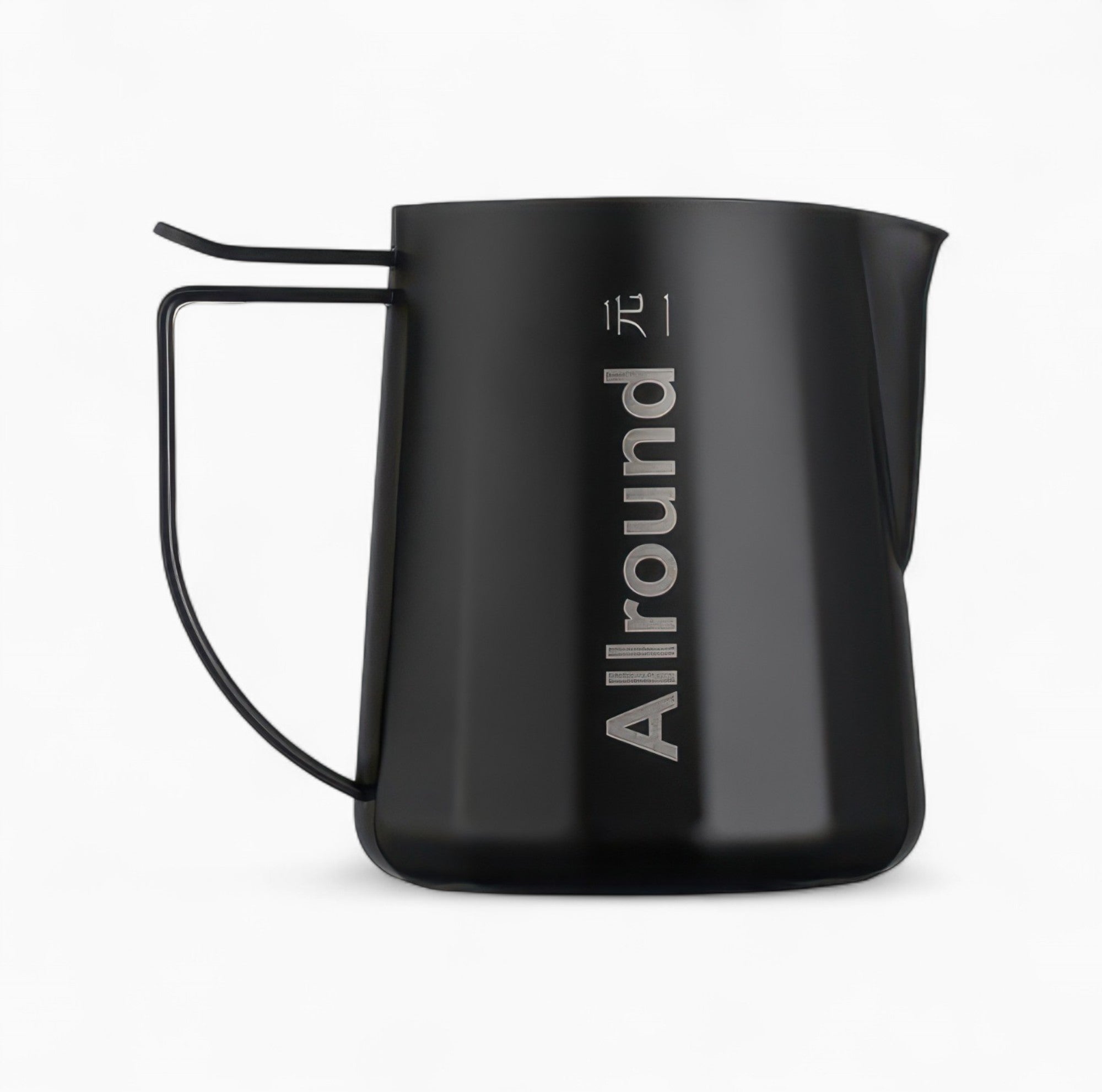
Competition Grade Milk Frothing Pitcher Stainless Steel
$57.90 $112.00
Steam milk to silky perfection for your cortado with this precision-engineered pitcher featuring an advanced flow spout designed for latte art and microfoam control.
Explore ProductThe Competition Grade Milk Frothing Pitcher Stainless Steel is engineered specifically for the microfoam control that cortados demand. Its advanced flow spout gives you the precision to pour silky steamed milk without unwanted foam, while the ergonomic handle provides the control needed for steady, even pouring.
Essential Equipment for Your Cortado
While you don't need a commercial setup to make excellent cortados, having the right tools elevates your home coffee game significantly. Beyond a capable espresso machine, three pieces of equipment deserve special attention.
First, consistent dosing ensures your espresso shots pull correctly every time. Uneven coffee distribution leads to channeling, which produces bitter, unbalanced shots that no amount of perfect milk can save.

Second, your choice of glassware matters more than you might think. The traditional cortado glass is small—4 to 6 ounces—and often slightly tapered. This shape concentrates the aromatics and maintains the ideal temperature while showcasing the drink's beautiful color.
Elevate Your Cortado Experience

Flame Crystal Cut Glass Espresso Cup Handcrafted
$15.90
$27.00
Serve your cortado in style with this artisan-crafted glass cup featuring flame-textured grip and vacuum-plated finish that showcases the beautiful espresso crema. Learn more ➔

Achieve consistent dosing for your cortado shots with this precision aluminum dosing ring that eliminates mess and ensures even coffee bed distribution. Learn more ➔
The Flame Crystal Cut Glass Espresso Cup Handcrafted brings authentic Spanish café aesthetics to your home, with its flame-textured grip and vacuum-plated finish that beautifully displays your cortado's crema. Pair it with the 54mm Espresso Dosing Ring Aluminum Portafilter Funnel to eliminate mess and achieve the consistent dosing that perfect cortados require.


Serving Your Cortado: Glassware and Presentation
Traditionally, cortados are served in small, clear glass cups that allow you to appreciate the drink's color and texture. The glass should be pre-warmed to maintain the cortado's ideal drinking temperature of around 140°F.
Unlike drinks designed for latte art, the cortado is about integration rather than separation. When poured correctly, you should see a uniform, light brown color throughout—not distinct layers of white and dark brown. This homogeneity is the visual signature of a well-made cortado.
Many specialty coffee shops now serve cortados in Gibraltar glasses (named after the glass manufacturer, not the territory), which are essentially small rocks glasses. These provide excellent heat retention and a comfortable grip, though purists may prefer the classic Spanish cortado glass.
Conclusion: Master the Art of the Cortado
The cortado represents everything wonderful about coffee culture—simplicity, balance, and respect for quality ingredients. By mastering the 1:1 ratio and focusing on proper milk steaming technique, you can create café-quality cortados that honor this Spanish tradition while satisfying your personal taste preferences.
Whether you're transitioning from lattes to something stronger, or looking to soften your espresso without drowning it in dairy, the cortado offers that perfect middle ground. And with the right equipment from Rethink Cafe, your home coffee station becomes a gateway to professional-level results.
Ready to perfect your cortado technique? Explore our curated collection of milk pitchers, espresso cups, and barista tools designed specifically for home enthusiasts who refuse to compromise on quality. Your perfect cortado awaits.
Frequently Asked Questions about Cortado Coffee
While both drinks use similar amounts of espresso and milk, the key difference is the foam. A flat white features a layer of microfoam (about 0.5-1cm) and typically uses a ristretto shot, while a cortado has virtually no foam and uses a standard espresso shot. The flat white originated in Australia/New Zealand, whereas the cortado comes from Spain.
A traditional cortado uses a 1:1 ratio of espresso to steamed milk. This means equal parts—typically 2 ounces of espresso and 2 ounces of steamed milk. This 1:1 balance distinguishes the cortado from lattes (which use more milk) and macchiatos (which use less).
Yes, a cortado is stronger than a latte. While both typically use a double shot of espresso, the cortado contains significantly less milk (2 ounces vs. 6-8 ounces in a latte). This means the coffee flavor is more concentrated and prominent in a cortado, making it taste stronger and more intense.
The cortado originated in Spain's Basque Country. The name comes from the Spanish word "cortar," meaning "to cut," referring to how the milk cuts through the espresso's acidity. From Spain, it spread throughout Latin America, particularly to Cuba, Argentina, and Colombia, where it became a staple of local coffee culture.
A cortado is traditionally served in a small, clear glass holding 4-6 ounces. Spanish cortado glasses are often slightly tapered to concentrate aromatics. Many specialty coffee shops also use Gibraltar glasses (small rocks glasses) for their heat retention and comfortable grip. The clear glass showcases the cortado's beautiful uniform color.