
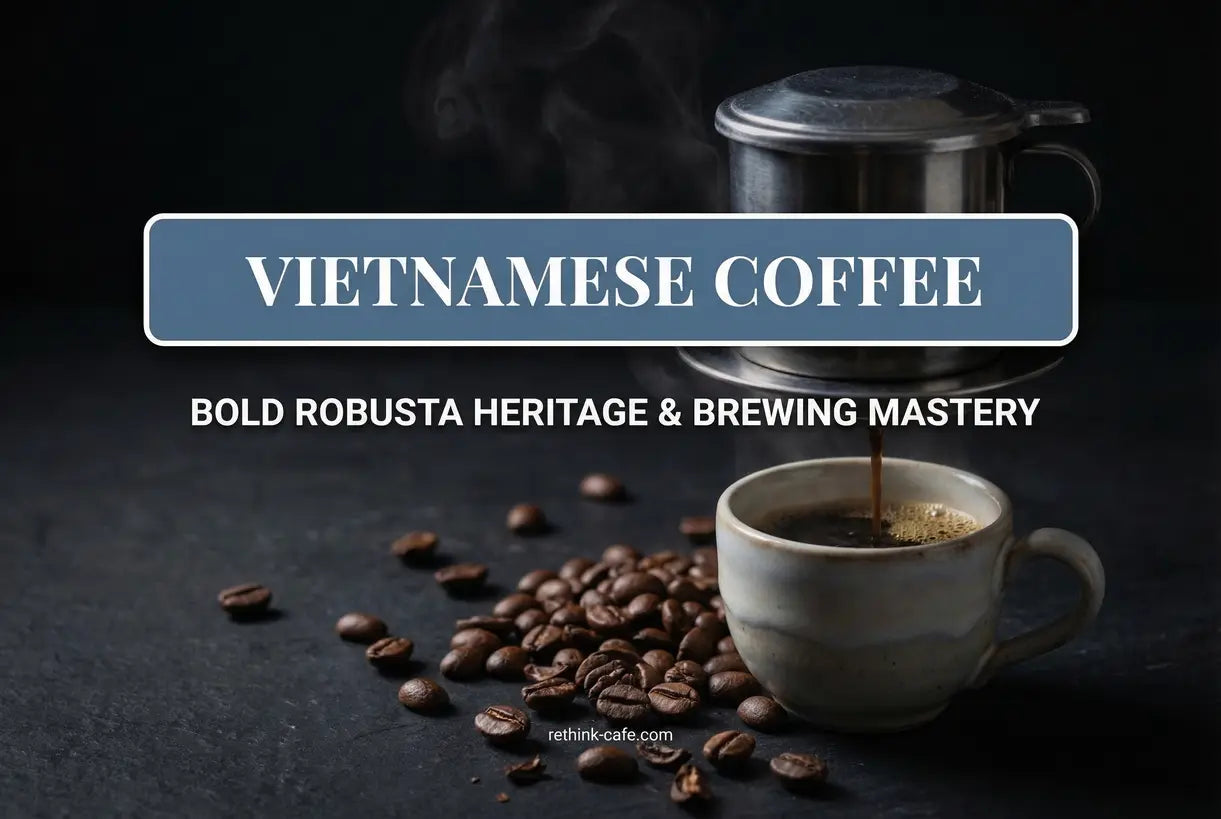
Coffee enthusiasts searching for vietnamese coffee beans are often seeking something radically different from their usual morning cup. Vietnamese coffee delivers an unmistakable intensity that commands attention from the first sip. Unlike the mellow, acidic profiles dominating Western specialty coffee, Vietnamese coffee traditions embrace the bold, full-bodied character of Robusta beans—creating an experience that's as rich culturally as it is sensorially. Whether you're looking to recreate authentic cafe sua da at home or simply want to understand what makes this brewing tradition unique, this guide covers everything from bean selection to proper brewing techniques.
What Makes Vietnamese Coffee Different?
The distinction of Vietnamese coffee begins at the source. While most of the world obsesses over Arabica varieties, Vietnam stands as the world's second-largest coffee producer precisely because they champion Robusta coffee beans—a variety many Western roasters have historically overlooked. Robusta contains nearly double the caffeine of Arabica and develops significantly higher levels of chlorogenic acids during roasting, creating that signature bold, slightly bitter backbone.

Traditional Vietnamese coffee production also favors dark roast profiles that push these beans toward their deepest expression. The extended roasting caramelizes sugars while developing smoky, chocolatey notes that pair beautifully with sweetened condensed milk—a staple preparation method in Vietnamese cafes. This combination creates a coffee that's not just strong in caffeine content, but assertive in flavor, mouthfeel, and aromatic presence.
The Robusta Roots of Vietnamese Coffee
To understand vietnamese coffee beans is to understand Robusta. Native to central and western sub-Saharan Africa, Coffea canephora (Robusta) thrives at lower altitudes and higher temperatures than its Arabica cousin. Vietnam's Central Highlands provide ideal growing conditions—warm, humid climates with volcanic soil that produces Robusta beans with exceptional consistency.
But why do Vietnamese coffee producers prefer Robusta? Beyond economic factors and yield efficiency, Robusta beans offer structural advantages for traditional brewing. Their naturally denser composition holds up better to the Vietnamese phin filter brewing method, extracting slowly without disintegrating. The resulting cup maintains clarity and strength rather than becoming muddy or over-extracted. Additionally, Robusta produces a thicker crema when brewed under pressure, making it ideal for strong dark roast espresso preparations.
Brewing Authentic Vietnamese Coffee at Home
Mastering brewing phin filter coffee requires understanding both equipment and technique. The phin filter—a simple yet effective stainless steel drip apparatus consisting of a chamber, perforated bottom plate, and gravity press—represents pure brewing minimalism. No paper filters to absorb oils, no electronics to fail, just pure coffee extraction through time and gravity.
The traditional Vietnamese method follows a specific protocol:
- Place 2-3 tablespoons of best vietnamese coffee beans (ground to a coarse, table-salt consistency) into the chamber
- Insert the gravity press and tamp gently—firmer than pour-over but looser than espresso
- Add a splash of hot water (just off boil) to bloom the grounds for 30 seconds
- Fill the chamber with remaining water, cover, and wait 4-5 minutes
- Brew directly over sweetened condensed milk for authentic cafe sua da, or into a heat-resistant glass for hot preparation
This slow drip method extracts every bit of intensity from those robusta beans for vietnamese coffee, producing a small volume of highly concentrated brew that rivals espresso in body and caffeine content.

Preserving the Boldness: Storage Solutions
The intense aromatics that make vietnamese coffee beans exceptional also make them vulnerable to rapid oxidation once the bag opens. Robusta beans contain higher lipid content than Arabica, and when combined with dark roast profiles, these oils can quickly turn rancid when exposed to oxygen and light.

Coffee Bean Storage Tubes with One Way CO2 Valve
$12.90 $22.00
Keep your bold Vietnamese coffee beans fresh longer with airtight, single-dose storage tubes featuring advanced one-way CO2 valve technology.
Explore ProductThe Coffee Bean Storage Tubes with One Way CO2 Valve effectively solve this preservation challenge. These single-dose storage containers feature advanced one-way CO2 valve technology that allows freshly roasted beans to degas naturally while preventing oxygen from entering. For Vietnamese coffee enthusiasts who value those volatile aroma compounds that deliver the characteristic bold profile, proper storage isn't optional—it becomes essential to experiencing authentic flavor with every brew.
The Critical Role of Grind Settings
Arguably the most common failure point when brewing Vietnamese coffee at home involves vietnamese coffee grind settings. Too fine, and the water stalls or over-extracts into bitterness. Too coarse, and the brew rushes through weak and watery, wasting the potential of quality vietnamese coffee beans.
The optimal grind for phin filter brewing sits between drip coffee and French press—medium-coarse with distinct, visible particles resembling coarse sea salt or demerara sugar. This texture provides enough resistance for proper extraction time while allowing water to flow consistently through the compacted bed.
Essential Grinding Tools for Vietnamese Coffee

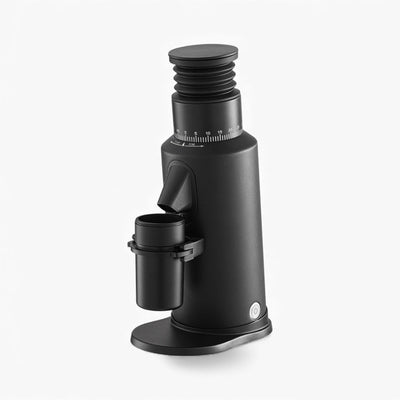
Conical Burr Coffee Grinder with 25 Grind Settings
$74.99
$89.99
Achieve the perfect coarse grind for your Vietnamese phin filter with 25 precision settings designed for consistent, flavorful extraction. Learn more ➔

KAPO K2 Portable Espresso Machine With Self-Heating
$224.90
$392.00
Brew intense, bold Vietnamese-style espresso anywhere with this portable self-heating machine perfect for Robusta bean extraction. Learn more ➔
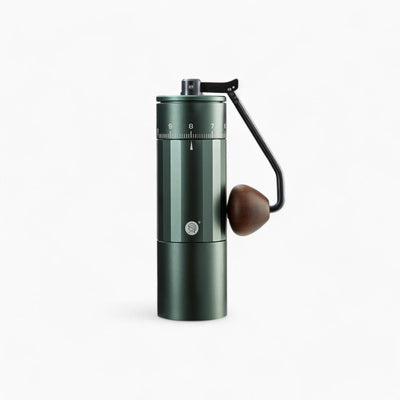
The Conical Burr Coffee Grinder with 25 Grind Settings offers the precise adjustment necessary for dialing in that perfect coarse texture. Conical burrs crush beans rather than slice them, producing uniform particle sizes that extract evenly—critical when working with Robusta's dense cell structure. With 25 distinct settings, you can fine-tune specifically for your phin filter rather than settling for approximate "drip" or "coarse" categories.
For those who refuse to compromise on intensity even while traveling, the KAPO K2 Portable Espresso Machine With Self-Heating delivers pressurized extraction capable of honoring robusta beans for vietnamese coffee. Its self-heating functionality maintains optimal brewing temperatures without external power, making it possible to enjoy concentrated Vietnamese-style coffee whether camping, at the office, or traveling abroad.

Why Vietnamese Coffee Delivers That Signature Strength
The intensity associated with vietnamese coffee beans isn't accidental—it's the result of a perfect storm of botanical chemistry, roasting philosophy, and brewing physics. Robusta beans naturally contain 2.7% caffeine compared to Arabica's 1.5%, immediately establishing a more potent foundation. The extended dark roasting then develops melanoidins and caramelized compounds that contribute to the heavy body and lingering aftertaste.
When brewed through a vietnamese phin filter, the metal filter allows oils and coffee solids to pass through that paper filters would trap, creating a fuller mouthfeel. The slow drip concentrates these elements rather than diluting them across a large volume of water. The result is a coffee that demands slow sipping and appreciation, not rapid consumption.
Selecting the Best Vietnamese Coffee Beans
When shopping for best vietnamese coffee beans, look for these quality indicators:
- Origin specificity: Beans labeled "Vietnam" are common, but look for regional designations like Lam Dong, Dak Lak, or Buon Ma Thuot for higher quality
- 100% Robusta or Robusta-dominant blends: Authentic Vietnamese coffee embraces Robusta, not hides it
- Dark roast indicators: Oily surface sheen and deep brown to near-black coloration
- Fresh roast dates: Ideally within 2-4 weeks of roasting when volatile aromatics peak
- Authenticity markers: Look for importers specializing in Vietnamese coffee or brands using traditional Vietnamese names and preparation suggestions
Once acquired, proper storage becomes paramount. The

Conclusion: Embracing the Bold Tradition
Vietnamese coffee represents a distinct philosophy in the coffee world—one that celebrates intensity, tradition, and unapologetic boldness. By understanding the Robusta roots that define vietnamese coffee beans, mastering the phin filter technique, and investing in proper grinding and storage equipment, you can recreate authentic cafe-quality Vietnamese coffee in your own kitchen.
The tools you choose matter as much as the beans themselves. From the precision grinding capabilities of the Conical Burr Grinder to the preservation technology of CO2 Valve Storage Tubes, Rethink Cafe provides home baristas with everything needed to honor the bold tradition of Vietnamese coffee. Whether you're preparing cafe sua da for a summer afternoon or seeking that intense morning wake-up call, embracing Robusta is embracing coffee in its most powerful form.
Frequently Asked Questions about Vietnamese Coffee Beans
Vietnamese coffee differs primarily through its predominant use of Robusta beans rather than Arabica, resulting in approximately double the caffeine content and a significantly bolder, more intense flavor profile. The traditional brewing method using a metal phin filter (rather than paper filters) allows more oils and solids to pass through, creating a fuller-bodied cup. Additionally, Vietnamese coffee culture typically embraces dark roasts and often pairs the strong brew with sweetened condensed milk, creating a unique balance of bitter and sweet that's distinctively Southeast Asian.
Traditional Vietnamese coffee is made primarily with Robusta beans. Vietnam is the world's largest Robusta producer, and this variety thrives in the country's climate while providing the signature strong, bold taste that defines Vietnamese coffee culture. While some modern Vietnamese roasters have begun experimenting with Arabica or Arabica-Robusta blends, authentic traditional Vietnamese coffee relies on 100% Robusta or Robusta-dominant blends to achieve that characteristic intense flavor and thick crema that Vietnamese coffee drinkers expect.
To brew authentic Vietnamese coffee at home, you'll need a Vietnamese phin filter, medium-coarse ground Robusta beans, and near-boiling water. Place 2-3 tablespoons of grounds in the chamber, insert the gravity press and tamp gently, then add a splash of hot water to bloom for 30 seconds. Fill the chamber with water, cover, and let drip for 4-5 minutes directly over 1-2 tablespoons of sweetened condensed milk for cafe sua da (iced with added milk), or into a heat-resistant glass for hot coffee. The slow drip method creates a concentrated, espresso-like brew that's traditionally enjoyed strong and slowly.
Vietnamese coffee tastes stronger and bolder due to three key factors: bean variety, roast level, and brewing method. Robusta beans contain roughly twice the caffeine of Arabica beans (2.7% vs 1.5%) and have a naturally harsher, more bitter taste profile. These beans are traditionally roasted very dark, developing intense smoky, chocolatey notes while caramelizing sugars. Finally, the phin filter brewing method produces a concentrated extraction similar to espresso strength but with more body, as the metal filter allows oils and fine particles to remain in the final cup rather than filtering them out like paper would.
The optimal grind size for Vietnamese phin filter coffee is medium-coarse, resembling coarse sea salt or demerara sugar. This texture should be noticeably coarser than drip coffee but slightly finer than French press. The grind needs to provide enough resistance for the water to extract properly over 4-5 minutes while allowing consistent flow through the filter chamber. Too fine causes stalling and over-extraction into bitterness; too coarse results in weak, watery coffee. For best results, use a quality burr grinder with adjustable settings to dial in the specific coarse texture that works with your particular phin filter and bean density.


