For home baristas seeking consistently exceptional brews, colombian coffee beans represent one of the most reliable choices in specialty coffee. These beans have earned global recognition not through marketing hype, but through decades of delivering balanced flavor, reliable quality, and versatile brewing characteristics that work beautifully across multiple extraction methods.
Whether you are exploring single origin colombian coffee for the first time or looking to deepen your appreciation for what makes this origin special, this guide covers everything you need to know. We will explore the volcanic highlands where these beans grow, demystify terms like Colombian Supremo, decode the flavor signatures of different regions, and reveal what separates truly premium beans from ordinary supermarket offerings. Along the way, you will discover the essential tools that help you extract every nuanced note these remarkable beans have to offer.
What Makes Colombian Coffee Beans Unique?
Colombia occupies a sweet spot in coffee geography that few other origins can match. Positioned along the equator yet blessed with dramatic elevation changes, the country provides the precise conditions that arabica coffee craves: stable temperatures between 60-75°F, abundant rainfall distributed throughout the year, and mineral-rich volcanic soil found in the Andes Mountain ranges.
Unlike many coffee-producing nations that focus on volume, Colombia has built its reputation on washed processing techniques and careful quality control. The Colombian Coffee Growers Federation (FNC) maintains strict standards that smallholder farmers must meet, ensuring consistency across the millions of bags exported annually. This institutional commitment to quality means that when you purchase authentic colombian arabica beans, you are likely getting coffee that has been hand-picked at peak ripeness and processed with care.
The combination of ideal latitude, high altitude cultivation (typically 1,200-2,000 meters), volcanic soil composition, and meticulous processing creates the signature Colombian profile: bright acidity, medium body, and remarkable sweetness.
The Rich Origins: Colombia's Coffee Growing Regions
Understanding colombia coffee regions is essential for any enthusiast seeking the best colombian coffee. Each zone imparts distinct characteristics based on microclimate, soil composition, and altitude.

Huila
The southern department of Huila produces some of Colombia's most celebrated coffees. Grown at elevations exceeding 1,500 meters, Huila beans typically display complex fruit notes, wine-like acidity, and a syrupy body. Many competition-winning Colombian lots originate from this region.
Nariño
Bordering Ecuador in Colombia's far south, Nariño features some of the highest coffee-growing elevations in the world, often reaching 2,300 meters. The extreme altitude slows cherry maturation, concentrating sugars and developing intense floral aromatics and bright citrus acidity.
Cauca
The Cauca valley produces coffees with excellent balance and clean cups. Expect caramel sweetness, soft fruit tones, and a silky mouthfeel characteristic of the region's volcanic soil and consistent climate patterns.
Antioquia
Home to Medellín, Antioquia represents one of Colombia's largest coffee-producing regions. Coffees here tend toward chocolate and nut profiles with medium acidity, making them exceptionally approachable for espresso preparation and milk-based drinks.
Understanding Colombian Supremo Coffee
The term colombian supremo coffee beans frequently appears on specialty coffee labels, but its meaning is often misunderstood. Supremo refers not to flavor quality or altitude, but to bean size. The Colombian grading system sorts beans by screen size, with Supremo representing the largest beans (screen size 18 or higher).
Larger beans generally develop more slowly on the tree, allowing for greater complexity and more even roasting. However, size alone does not guarantee superior flavor. A carefully processed Excelso bean from a high-altitude micro-lot often outperforms a larger Supremo from lower elevations. When selecting colombian supremo coffee, consider the origin information alongside the size designation.
Colombian Coffee Flavor Profile
The classic colombian coffee flavor profile strikes a balance that appeals to both newcomers and seasoned cuppers. Unlike the bold earthiness of Indonesian coffees or the extreme fruitiness of some African naturals, Colombian washed coffees typically present:
- Acidity: Bright and citrus-like, ranging from lemony to orange marmalade depending on region
- Body: Medium and silky, coating the palate without overwhelming it
- Sweetness: Caramel, brown sugar, and toffee notes dominate, often accompanied by stone fruit undertones
- Finish: Clean and lingering with subtle nut or cocoa hints
Single origin colombian coffee from specific micro-regions can diverge significantly from this profile. A natural-processed Huila might burst with tropical fruit and wine notes, while a traditional Antioquia washed coffee maintains the classic chocolate-caramel axis that defines Colombian coffee for many drinkers.
Best Colombian Coffee Brands & What to Look For
When evaluating colombian coffee brands, several indicators separate exceptional offerings from mass-market mediocrity:
- Origin Transparency: Quality brands specify the department, farm, or cooperative where beans originated, not just the country.
- Harvest Date: Colombian coffee harvested within the past 6-9 months delivers optimal flavor; avoid bags without roast dates or harvest information.
- Processing Method: While washed dominates, natural and honey-processed Colombians offer exciting flavor variations worth exploring.
- Certifications: Look for designations like Rainforest Alliance or Fair Trade when sustainability matters to your purchasing decisions.
Specialty roasters increasingly offer single origin colombian coffee with detailed provenance information, allowing you to explore the diversity within this origin. Individual farms like La Palma y El Tucán or Las Margaritas have achieved cult status among enthusiasts for their innovative processing and exceptional cup quality.
Brewing Colombian Coffee for Best Results
Colombian beans adapt well to nearly any brewing method, but their bright acidity and medium body truly shine with pour over techniques that highlight clarity and nuance. The key to exceptional extraction lies in two factors: freshness preservation and precise temperature control.
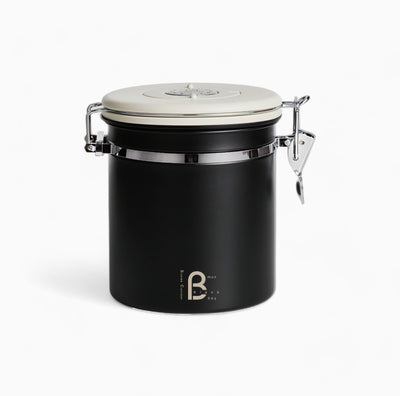
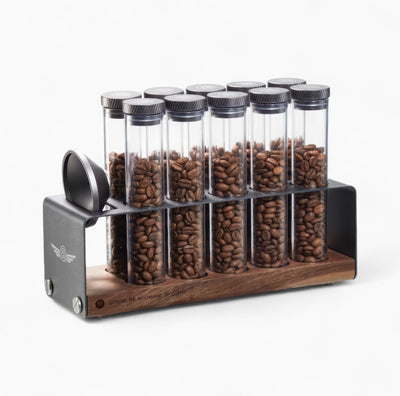
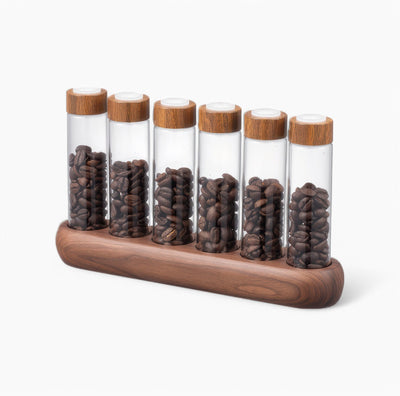
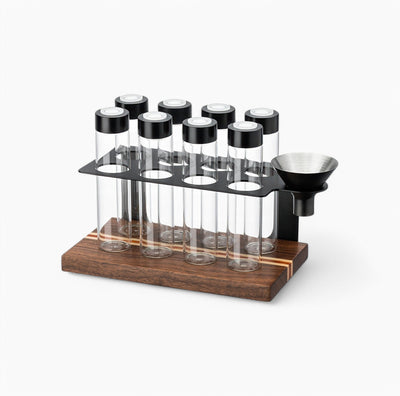
Once you have invested in premium beans, maintaining their freshness becomes paramount. Exposure to oxygen rapidly degrades the volatile aromatic compounds that define Colombian coffee's complexity. The Coffee Bean Storage Tubes with One Way CO2 Valve solve this challenge by creating an airtight environment while allowing natural degassing to occur through the one-way valve, preserving peak flavor for weeks after opening.

Coffee Bean Storage Tubes with One Way CO2 Valve
$12.90 $22.00
Keep your Colombian coffee beans fresh with airtight storage tubes featuring one-way CO2 valves that preserve peak flavor for weeks after opening.
Explore Product
Visible bean quality indicators include an even roast color, intact structure without excessive chaff, and a bloom that releases CO₂ vigorously when hot water first contacts the grounds. These visual and olfactory cues confirm that your storage solution is maintaining bean integrity.
For brewing, temperature precision separates good cups from extraordinary ones. Colombian beans extract optimally between 195-205°F (90-96°C). Too cool and you under-extract, yielding sour, thin results. Too hot and bitter compounds dominate, masking the delicate caramel sweetness that defines quality Colombian coffee.

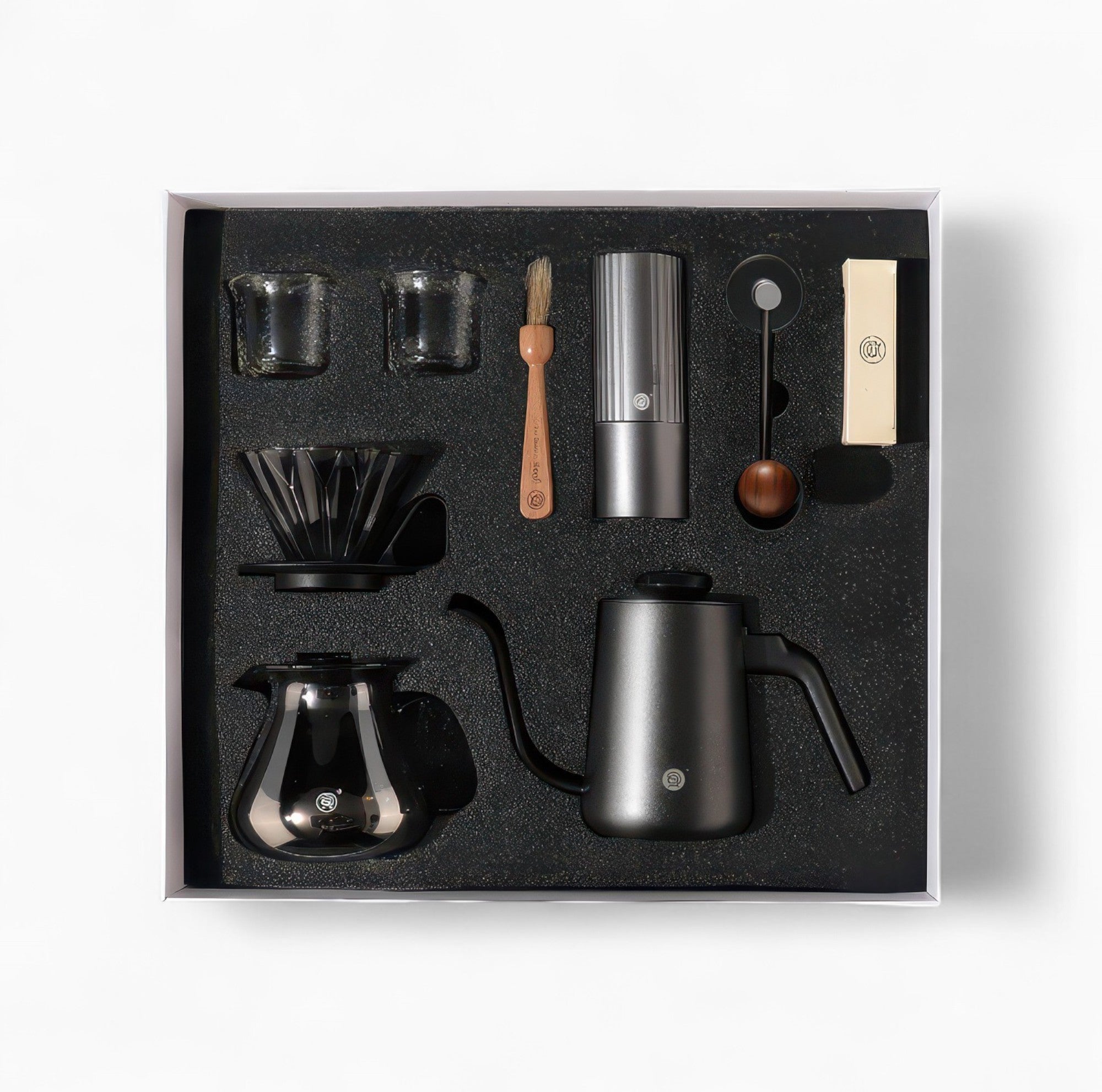
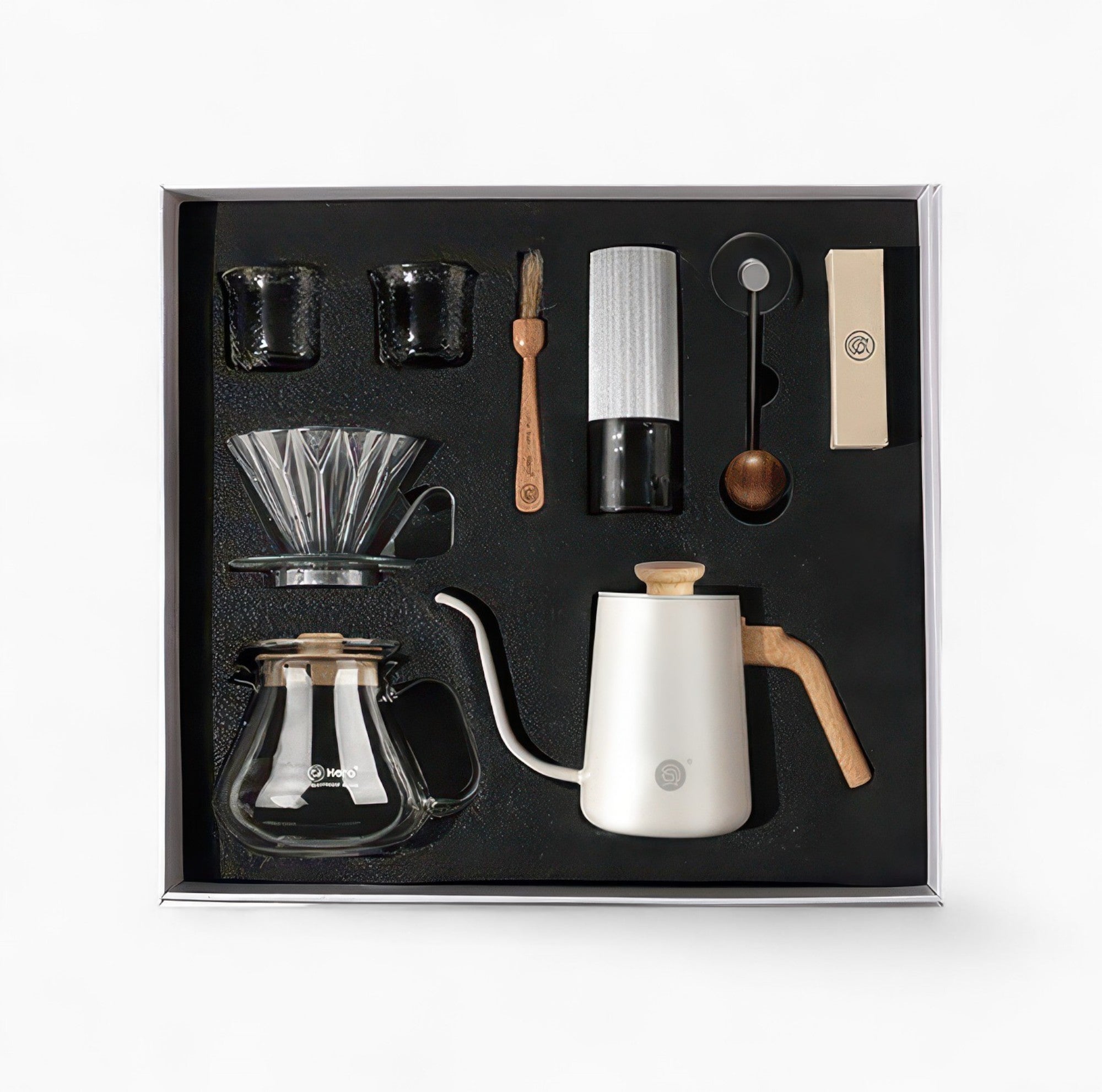
The Complete Pour Over Coffee Kit with Grinder and Kettle provides everything needed for optimal extraction, featuring a temperature-controlled kettle that removes guesswork from your morning routine. Paired with the precision grinder, this kit ensures consistent particle size for even extraction.
Essential Brewing Equipment for Colombian Coffee

Complete Pour Over Coffee Kit with Grinder and Kettle
$235.90
$360.00
Brew Colombian coffee to perfection with this complete pour over kit featuring temperature control kettle and precision grinder for optimal extraction. Learn more ➔

Gooseneck Electric Kettle with Temperature Control
$138.90
$255.00
Achieve optimal extraction temperature for Colombian beans with this precision gooseneck kettle featuring six preset temperature controls. Learn more ➔
The Gooseneck Electric Kettle with Temperature Control offers six preset temperature settings, allowing you to dial in the exact heat level for your specific Colombian roast level. Lighter roasts benefit from slightly higher temperatures to fully develop their acidity, while darker roasts extract beautifully at lower temperatures to preserve sweetness and avoid bitterness.
According to research published by the Coffee Institute, maintaining precise brewing temperature within 2°F of target can increase extraction uniformity by up to 15%, directly impacting cup sweetness and clarity.
Conclusion
Colombian coffee beans offer home baristas an ideal entry point into single-origin specialty coffee without sacrificing approachability. From the high-altitude farms of Nariño to the traditional estates of Antioquia, the diversity within this single origin rewards exploration and careful brewing technique.
The journey from bean to cup depends on two critical factors: starting with fresh, properly stored beans and executing your brew with precision tools designed for the task. At Rethink Cafe, we have curated equipment specifically to honor the craftsmanship behind exceptional Colombian beans. From storage solutions that preserve volatile aromatics to temperature-controlled brewing systems that extract maximum sweetness, every product in our collection serves the ultimate goal: transforming your kitchen into a café-quality experience.
Your next exceptional cup awaits. Explore our collection of brewing equipment and bean storage solutions to elevate your Colombian coffee experience.
Frequently Asked Questions about Colombian Coffee Beans
Colombian coffee beans are unique due to the country's ideal growing conditions: high altitude Andean mountain ranges, volcanic soil rich in nutrients, consistent equatorial climate, and a focus on washed processing methods. The Colombian Coffee Growers Federation maintains strict quality standards that ensure consistency. This combination produces coffee with bright acidity, medium body, and caramel sweetness that appeals to a broad range of palates.
Colombian Supremo refers to coffee bean size rather than quality grade. In Colombia's grading system, Supremo designates the largest beans (screen size 18 or higher). Larger beans typically develop more slowly on the tree, potentially offering greater complexity and more even roasting. However, origin, altitude, and processing method often matter more than size alone when evaluating quality. Excelso beans, slightly smaller, can deliver equally exceptional flavor when grown and processed carefully.
Colombian coffee typically presents a balanced profile with bright citrus acidity, medium silky body, and pronounced caramel sweetness. Common tasting notes include brown sugar, toffee, milk chocolate, and nuts. Regional variations exist: Huila often shows complex fruit and wine notes, Nariño features intense floral aromatics, while Antioquia emphasizes chocolate and nut profiles. Single origin offerings from specific farms may diverge further based on processing method and microclimate.
The best Colombian coffee beans typically come from high-altitude regions in the Andes. Nariño (southern Colombia, up to 2,300m elevation), Huila (known for complex, competition-winning lots), Cauca (balanced and clean), and Antioquia (classic chocolate profiles) are among the most celebrated regions. Many exceptional beans come from smallholder farms at elevations between 1,500-2,000 meters where slower cherry maturation concentrates sugars and develops complexity.
Colombian coffee beans excel with pour over methods that highlight their clarity and acidity. Use water between 195-205°F (90-96°C), with lighter roasts benefiting from the higher end. Medium grind size works best for drip methods. Store beans in airtight containers with CO₂ valves to preserve freshness. For optimal extraction, invest in a temperature-controlled kettle to maintain precision and a quality grinder for consistent particle size.