Transforming your kitchen into a café-worthy coffee haven starts with one critical decision: choosing the right professional espresso machine for home use. Whether you're a budding home barista or a coffee enthusiast ready to level up from your morning pour-over routine, investing in café-grade equipment can elevate your daily coffee ritual from ordinary to extraordinary.
But with so many options flooding the market—from compact semi-automatic units to dual-boiler powerhouses—how do you separate the true professional espresso machines from the marketing hype? In this comprehensive guide, we'll break down what defines professional grade espresso machine quality, explore price expectations across different tiers, compare top brands like Breville and DeLonghi, and reveal the essential accessories that complete your setup.
What Makes an Espresso Machine "Professional"?
Not every machine with chrome accents and a high price tag qualifies as truly professional. A genuine professional espresso machine delivers consistent temperature stability, proper pressure control, and commercial-grade components that can handle daily use without compromising shot quality.
Key Features of Café-Grade Machines
When shopping for a cafe grade espresso machine, look for these essential specifications:
- Dual Boiler System: Separate boilers for brewing and steaming allow simultaneous espresso extraction and milk frothing—critical for making lattes and cappuccinos efficiently.
- PID Temperature Control: This electronic temperature regulation maintains water within 1-2 degrees of your target, eliminating the temperature surfing required by single-boiler machines.
- 58mm Portafilter: The industry-standard size ensures better heat retention and distribution, allowing for more even extraction.
- Commercial-Grade Pump: A 9-bar (or adjustable) pressure pump delivers the optimal extraction pressure for rich crema and balanced flavor.
- Stainless Steel Construction: Durable materials resist corrosion and heat loss while providing a professional aesthetic.
Pro Tip: Machines lacking PID control often require "temperature surfing"—running water through the group head before pulling a shot to achieve the right brewing temperature. This extra step adds time and inconsistency to your workflow.
Understanding Price Tiers: What to Expect
So, how much should you budget for a high end espresso machine? The answer depends on your goals, usage frequency, and desired features. Here's what typical price ranges deliver:
| Price Range | Features | Best For |
|---|---|---|
| $500 - $1,000 | Single boiler, basic PID, 54mm portafilter | Entry-level home baristas |
| $1,000 - $2,000 | Heat exchanger or compact dual boiler, advanced PID | Enthusiasts seeking consistency |
| $2,000 - $3,000+ | Full dual boiler, commercial-grade components, E61 group head | Serious home baristas, small offices |
When considering how much is a professional grade espresso machine, remember that the initial investment is just the beginning. Quality grinders, accessories, and maintenance supplies add to your total cost of ownership.
Video Guide: Espresso Machine Recommendations by Skill Level
Before diving deeper into specific models and features, watch this comprehensive breakdown of espresso machines ranging from beginner-friendly options to advanced café-grade units:
Semi-Automatic vs Automatic: Finding Your Perfect Match
The debate between semi-automatic and fully automatic machines centers on control versus convenience. Understanding this distinction helps answer the question of what is the highest rated espresso machine for home use for your specific needs.
Semi-Automatic Espresso Machines
Semi automatic espresso machine units give you complete control over extraction time, pre-infusion, and shot volume. You start and stop the pump manually, allowing for experimentation and refinement. These machines dominate the professional home market because they offer the hands-on experience that serious coffee enthusiasts crave.
Popular semi-automatic options include the Breville Dual Boiler, Rancilio Silvia, and Gaggia Classic Pro. These machines reward skill development and offer endless customization potential.
Automatic and Super-Automatic Machines
Fully automatic machines handle the brewing process from start to finish—grind, tamp, extract, and sometimes even froth milk at the touch of a button. While convenient, they offer less control over extraction variables. Super-automatic machines like those from DeLonghi and Jura excel for busy households prioritizing speed over craft.
Bottom Line: If you enjoy the ritual of coffee preparation and want to refine your barista skills, choose semi-automatic. If mornings are rushed and convenience is paramount, consider automatic options.

Essential Accessories for Your Professional Setup
Even the best espresso machine for home can't deliver café-quality results without the right supporting tools. What accessories are needed for a professional espresso machine at home? At minimum, you'll need a quality grinder, precision tamper, milk pitcher, and proper cleaning supplies.
But experienced baristas know that true shot consistency comes from understanding extraction dynamics—and that's where specialized tools like bottomless portafilters and WDT (Weiss Distribution Technique) tools become invaluable.

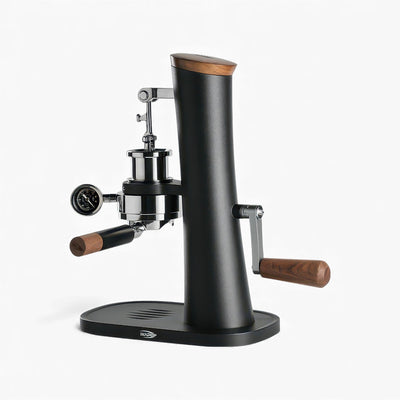
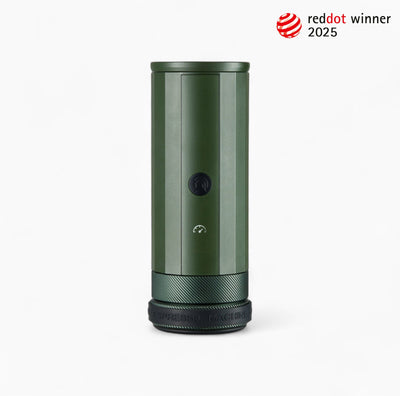
Pneumatic Portable Espresso Maker 9 Bar Pressure
$255.90 $425.00
Experience café-quality 9-bar extraction anywhere with this portable pneumatic espresso maker. No electricity needed—just CO2 or air pump pressure for perfect crema.
Explore ProductFor those who refuse to compromise on espresso quality—even while traveling—the Pneumatic Portable Espresso Maker 9 Bar Pressure delivers full 9-bar extraction without electricity. This innovative solution uses CO2 cartridges or manual air pump pressure to achieve professional-grade crema anywhere. It's the perfect companion for camping trips, hotel stays, or office use when your full machine isn't accessible.
Upgrade Your Extraction Setup

54mm Bottomless Portafilter for Breville Espresso
$51.90
$97.00
Upgrade your Breville with this 54mm bottomless portafilter. Watch extraction in real-time and diagnose channeling for better shots. Learn more ➔

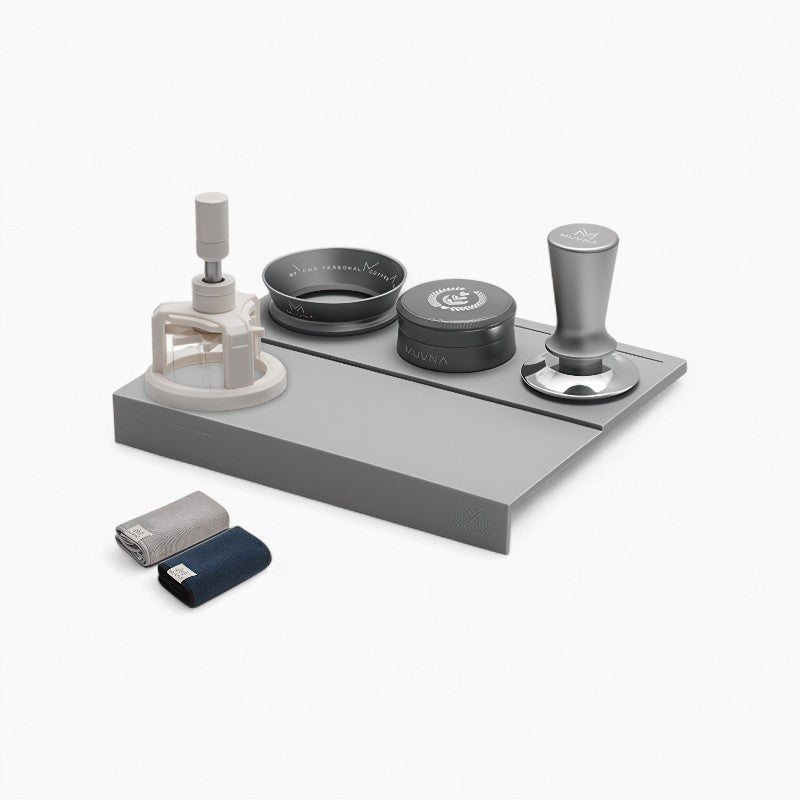
Professional Barista Starter Kit with Tamper and WDT
$139.90
$260.00
Complete your espresso setup with this 5-piece barista kit. Includes tamper, WDT tool, distributor, and dosing funnel for professional puck prep. Learn more ➔
The 54mm Bottomless Portafilter for Breville Espresso is an essential upgrade for Breville machine owners. By removing the spouts, you can watch extraction in real-time, identifying channeling and distribution issues that rob your shots of their full potential. This visual feedback accelerates your learning curve and leads to consistently better espresso.
Complete your professional setup with the Professional Barista Starter Kit with Tamper and WDT. This 5-piece collection includes everything needed for proper puck prep: a calibrated tamper for consistent pressure, a WDT tool to eliminate clumping and ensure even water distribution, a leveler for uniform bed depth, and a dosing funnel to keep your workspace clean. These tools address the most common causes of inconsistent extraction in home setups.
Brand Showdown: Is Breville or DeLonghi Better?
One of the most common questions when shopping for a high tech espresso machine is whether Breville or DeLonghi offers superior quality. The answer depends on your priorities.
Breville: The Innovation Leader
Breville dominates the mid-to-high-end home market with feature-rich machines that prioritize user experience. Their integrated grinders, intuitive interfaces, and comprehensive accessory packages make them ideal for enthusiasts seeking convenience without sacrificing quality. Models like the Barista Express and Dual Boiler consistently rank among the best professional espresso machine for home options under $2,000.
Breville's 54mm portafilter system, while slightly smaller than commercial 58mm, offers excellent results and slightly faster heat-up times. The brand excels at balancing automation with manual control options.
DeLonghi: Italian Heritage Meets Automation
DeLonghi brings decades of Italian espresso tradition to their machine lineup, with particular strength in the super-automatic category. Their Dinamica and Magnifica series prioritize one-touch operation, making them favorites among busy households who value speed.
For manual espresso, DeLonghi's Dedica and La Specialista lines offer compact footprints with respectable performance, though they typically lack the temperature stability and steam power of comparable Breville models.
The Verdict: Choose Breville if you want hands-on control, superior steam power, and integrated grinding. Choose DeLonghi if you prioritize automation, compact size, and European styling. Both brands offer reliable espresso machine home use options across various price points.

Building Your Ultimate Home Espresso Station
Creating a functional coffee station involves more than just placing your machine on the counter. Consider workflow efficiency, water access, and storage when designing your space.
Station Components
- Machine Placement: Position your professional grade espresso machine near a water source but away from direct sunlight. Leave adequate clearance above for reservoir filling and steam wand movement.
- Grinder Integration: Your grinder belongs within easy reach—ideally on the same surface as your machine. Single-dose grinders are increasingly popular for home use, offering zero retention and the ability to switch beans throughout the day.
- Storage Solutions: Keep frequently used accessories (tampers, WDT tools, scales) in a drawer or organizer within arm's reach. Store backup supplies and cleaning products nearby but out of the main workflow area.
- Water Quality: Invest in proper filtration. Scale buildup is the primary killer of espresso machines, and quality water improves taste while protecting your investment.
Maintenance: Protecting Your Investment
A professional espresso machine represents a significant investment, and proper maintenance ensures years of reliable performance. Daily cleaning of the portafilter, group head, and steam wand prevents flavor contamination and mechanical issues.
Weekly backflushing (for machines with three-way valves) removes coffee oils from the group head. Monthly descaling (frequency varies by water hardness) prevents mineral buildup. Following manufacturer guidelines for your specific model is essential—some machines have integrated cleaning cycles, while others require manual intervention.
Remember that how much is a good quality espresso machine isn't just the purchase price. Budget for filters, cleaning supplies, and potential professional servicing to maintain peak performance.

Conclusion: Your Café-Grade Coffee Journey Starts Here
Investing in a professional espresso machine for home transforms your relationship with coffee. From morning rituals that set the tone for your day to weekend experiments with new beans and techniques, café-grade equipment delivers experiences that pod machines and drip brewers simply cannot match.
Whether you choose a Breville Dual Boiler for its automation features, a prosumer E61 machine for its Italian heritage, or a compact single-boiler unit to test the waters, the key is selecting equipment that matches your skill level, budget, and daily usage patterns.
At Rethink Cafe, we understand that exceptional espresso extends beyond the machine itself. That's why we curate the essential accessories—from precision portafilters to complete barista toolkits—that bridge the gap between good and extraordinary. Your perfect shot is waiting—it just needs the right tools to emerge.
Frequently Asked Questions about Professional Espresso Machines
The Breville Dual Boiler consistently ranks as the highest-rated espresso machine for home use, offering dual boiler performance typically found in machines costing twice the price. For those seeking Italian craftsmanship, the Rocket Appartamento and Lelit Bianca receive exceptional reviews for build quality and temperature stability. The "best" machine ultimately depends on your budget, skill level, and workflow preferences.
Professional-grade espresso machines typically range from $500 to $3,000+. Entry-level professional machines with single boilers and basic PID control start around $500-$800. Mid-range heat exchanger and compact dual boiler machines fall between $1,000-$2,000. True prosumer models with E61 group heads, full dual boilers, and commercial components command $2,000-$3,000 or more. Remember to budget 30-50% of your machine cost for a quality grinder and accessories.
Breville excels in the semi-automatic category with superior steam power, better temperature stability, and more intuitive interfaces—ideal for enthusiasts wanting hands-on control. DeLonghi dominates the super-automatic market, offering more convenience features and Italian design heritage. For serious home baristas, Breville generally offers better value and performance. For busy households prioritizing one-touch operation, DeLonghi's automated systems work well.
A good quality espresso machine suitable for home use starts around $400-$500, with the sweet spot for most enthusiasts falling between $600-$1,500. At this price point, you get PID temperature control, adequate steam power, and reliability. Machines under $400 often lack temperature stability and pressure consistency. However, the grinder is equally important—budget at least $200-$400 for a quality burr grinder capable of espresso-fine consistency.
Essential accessories include: a quality burr grinder (non-negotiable), precision tamper, milk frothing pitcher, coffee scale with timer, and cleaning supplies (brush, towels, backflush detergent). Highly recommended additions include a bottomless portafilter for extraction monitoring, a WDT tool for distribution, a dosing funnel for mess-free grinding, and a knock box for convenient puck disposal. These tools dramatically improve consistency and workflow in your home setup.