Stepping into the world of home espresso can feel overwhelming when you're confronted with a machine full of mysterious parts, ports, and pressure gauges. Understanding espresso machine components isn't just academic knowledge—it's the foundation of consistently excellent coffee. When you know what each part does and how they work together, you transform from someone who pushes buttons into a true home barista who commands their equipment.
This comprehensive guide breaks down every essential espresso machine part you'll encounter, from the group head that receives your portafilter to the steam wand that textures your milk. Whether you're troubleshooting a weak extraction or simply want to understand your investment better, mastering espresso machine anatomy will elevate your daily brewing ritual.
The Core Components Every Espresso Machine Shares
While espresso machines range from basic single-boiler units to sophisticated dual-boiler prosumer models, they all share fundamental components that make espresso possible. Understanding these universal elements provides the vocabulary you need to compare machines, diagnose issues, and optimize your workflow.
The Group Head: Where Magic Happens
The group head is the heart of any espresso machine—the metal interface where pressurized hot water meets your carefully prepared coffee puck. This component contains precision-engineered channels that distribute water evenly across the portafilter basket, ensuring uniform extraction.
Most home machines feature either an E61 group head (the classic, thermosiphon-heated design found on many prosumer models) or a saturated group head (where the brewing chamber is surrounded by boiler water for superior temperature stability). The group head's three-way valve releases pressure after brewing, preventing messy "portafilter sneezes" when you remove your basket.

The Portafilter: Your Coffee's Vessel
The portafilter (portable filter) is the handle-equipped basket that locks into your group head. This seemingly simple espresso machine component significantly impacts extraction quality. Key portafilter variables include:
- Basket size: 51mm, 54mm, or 58mm diameters (58mm is the commercial standard)
- Spouted vs. bottomless: Spouted portafilters split espresso into two streams; bottomless (naked) versions expose the extraction for diagnostic viewing
- Filter basket type: Pressurized baskets help beginners; unpressurized baskets demand proper grind and technique but reward with superior flavor
The Italian Handle Bottomless Portafilter for 51-58mm represents a significant upgrade for home baristas ready to diagnose their extractions visually, watching for channeling and ensuring even water flow through the puck.
Boiler Systems: The Thermal Engine
Your machine's boiler (or thermoblock) is responsible for heating water to the precise temperature required for espresso extraction (typically 195°F–205°F) and steam production. Understanding your heating system helps you manage the trade-off between speed and thermal stability:
- Single boiler: One heating element handles both brewing and steaming (requires waiting between functions)
- Heat exchanger: A single boiler maintains steam temperature while a tube passing through it flash-heats water for brewing
- Dual boiler: Independent boilers for brewing and steaming allow simultaneous operation
- Thermoblock: On-demand heating systems that heat water as it passes through (common in entry-level machines)
The Pump: Creating Essential Pressure
Espresso requires approximately 9 bars of pressure—nine times atmospheric pressure—to force water through finely ground coffee. Your machine's pump generates this force:
- Vibration pumps: Compact, affordable, and common in home machines; they pulse water through the system
- Rotary pumps: Quieter, longer-lasting, and capable of consistent pressure; found in higher-end prosumer and commercial machines
Many modern machines include OPVs (Over-Pressure Valves) that limit maximum pressure to protect components and prevent over-extraction.

Advanced Components for Precision Brewing
Beyond the basics, modern espresso machines incorporate sophisticated components that give home baristas unprecedented control over their extractions.
PID Controllers and Temperature Stability
A PID (Proportional-Integral-Derivative) controller is an electronic temperature regulation system that monitors boiler temperature and makes micro-adjustments to heating elements. Machines with PIDs maintain temperature within ±1°F of your target, eliminating the temperature surfing required with older thermostat-controlled boilers.
Pressure Gauges and Profiling
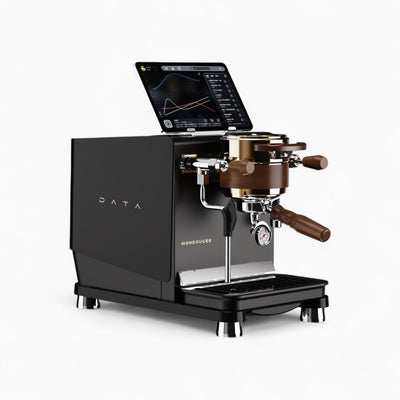
Many prosumer machines now feature brew pressure gauges that display real-time extraction pressure. This feedback helps you identify when your grind is too fine (high pressure, slow flow) or too coarse (low pressure, fast flow). Advanced machines even offer pressure profiling, allowing you to vary pressure throughout the shot for customized flavor extraction.
The Steam Wand and Milk Texturing
The steam wand transforms milk into the microfoam essential for latte art. Quality wands feature:
- Single-hole tips: For precise control and velvety texture
- Multi-hole tips: For faster heating and greater volume
- Ball-joint joints: Allowing full range of motion for proper pitcher positioning
Steam boiler capacity determines how many milk drinks you can prepare before the machine needs recovery time—a critical consideration if you frequently serve multiple guests.

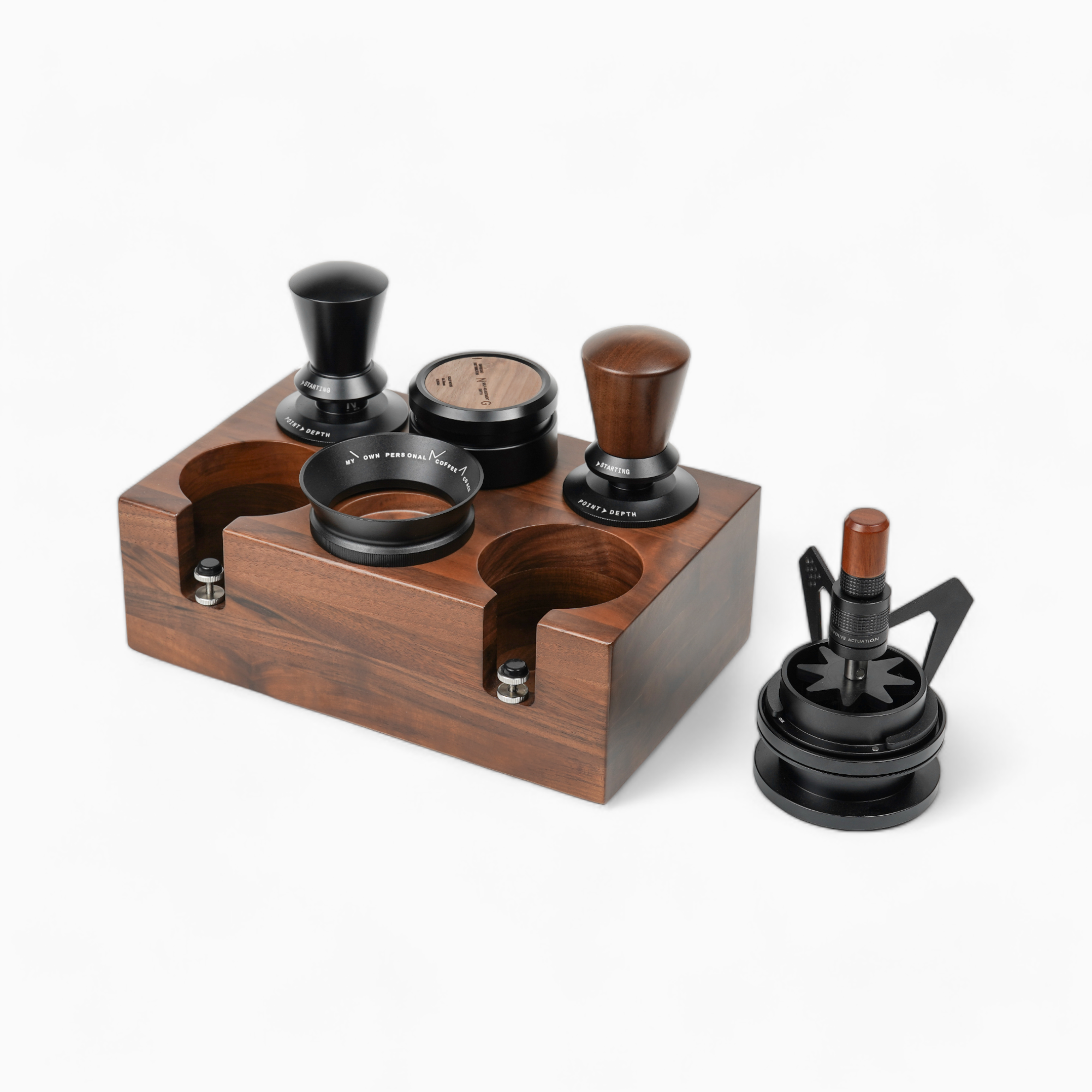
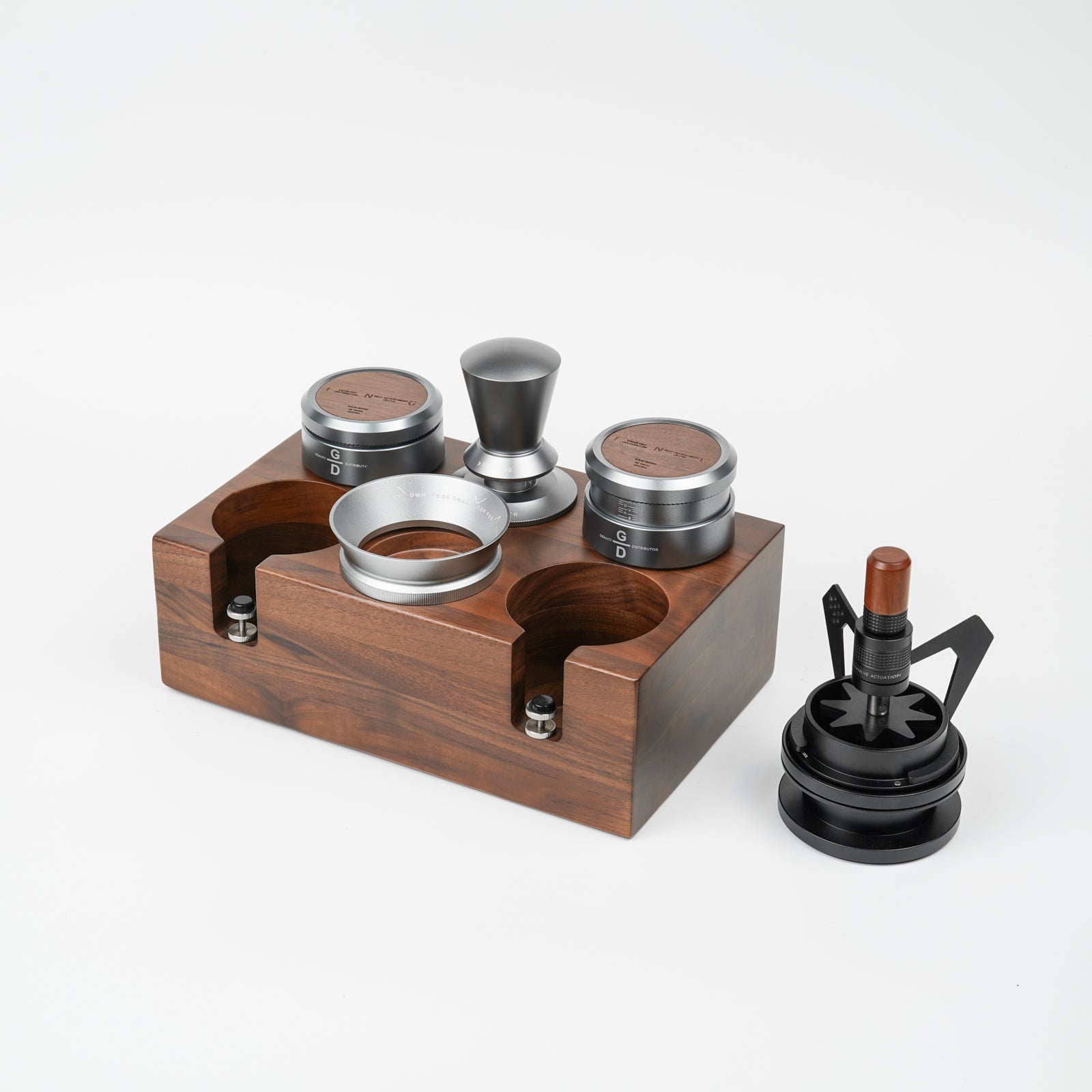
Barista Master Bundle Kit with Tamper and Distributor
$324.90 $382.00
Master espresso extraction with our professional Barista Master Bundle Kit featuring precision tampers and distributors for café-quality results.
Explore ProductMaintenance Components and Machine Longevity
Understanding your machine's maintenance-related components helps you protect your investment and ensure consistent performance over years of daily use.
Water Reservoir and Filtration
The water reservoir (or plumbed connection on high-end machines) feeds your boiler. Quality machines include water filters or softeners that prevent scale buildup—a leading cause of component failure. Some models feature low-water sensors that automatically shut off heating elements to prevent boiler damage.
The Drip Tray and Drain System
Though often overlooked, the drip tray captures overflow from group head purging and steam wand condensation. Machines with direct drain plumbing eliminate the need for frequent emptying—a convenience worth considering for high-volume home setups.
Three-Way Solenoid Valves
This electromagnetic valve serves multiple functions: it opens to allow water flow during brewing, closes to build pressure, and releases residual pressure afterward. A malfunctioning solenoid valve causes soupy pucks, drippy group heads, and inconsistent extractions.
Espresso Tools for Component Care and Extraction

Italian Handle Bottomless Portafilter for 51-58mm
$75.90
$133.00
Upgrade your espresso setup with this Italian Handle Bottomless Portafilter - watch your extraction in real-time for perfect shots every time. Learn more ➔

Barista Microfiber Cleaning Towel for Espresso
$8.90
$15.00
Keep your espresso machine components pristine with professional grade microfiber cleaning towels designed for coffee oils and milk residue. Learn more ➔

Connecting Components to Brewing Variables
Understanding espresso machine anatomy becomes valuable when you connect each component to the brewing variables you can control. The relationship between your machine's physical parts and your extraction parameters determines cup quality:
Pro Tip: When troubleshooting espresso, always work backward from the cup. Taste tells you which variable is off—then identify which component controls that variable. Bitter and over-extracted? Check your PID temperature setting or group head heat retention. Sour and under-extracted? Verify pump pressure or pre-infusion settings.
Your grinder works in tandem with machine components—matching grind size to your pump's pressure capabilities and your portafilter's flow characteristics. The Barista Master Bundle Kit with Tamper and Distributor ensures your puck preparation matches your machine's precision engineering, creating the resistance needed for proper 9-bar extraction.
Conclusion: From Components to Café-Quality Coffee
Mastering espresso machine components transforms your relationship with coffee. When you understand how the group head maintains temperature, how the pump generates pressure, and how the boiler delivers consistent steam, you gain the vocabulary and knowledge to diagnose issues, optimize settings, and extract the full potential from every coffee bean.
Quality espresso isn't about having the most expensive machine—it's about understanding your equipment's anatomy and using that knowledge to create repeatable, delicious results. At Rethink Cafe, we curate the accessories, tools, and upgrade components that help home baristas bridge the gap between consumer machines and café-quality extractions. From precision tampers and distributors to diagnostic bottomless portafilters, our collection complements every component we've discussed in this guide.
Your espresso machine is a sophisticated piece of engineering. Treat it with respect, maintain its components properly, and it will reward you with exceptional coffee for years to come.
Frequently Asked Questions about Espresso Machine Components
The essential parts of an espresso machine include the group head (where water disperses into the portafilter), the portafilter (the handle and basket holding coffee grounds), the boiler or thermoblock (heating system), the pump (generating 9 bars of pressure), the steam wand (for milk texturing), the water reservoir, and the drip tray. Advanced machines add PID controllers, pressure gauges, and solenoid valves for enhanced control.
The most common espresso machine repairs include replacing worn gaskets and seals (especially the group head gasket), descaling to remove mineral buildup in boilers and tubes, fixing or replacing faulty solenoid valves, addressing pump failures or pressure issues, and repairing steam wand leaks or blockages. Regular maintenance like backflushing and using filtered water prevents many of these issues.
The 5 M's of espresso are the five key factors for perfect extraction, originating from Italian espresso tradition: Miscela (the coffee blend), Macinatura (the grind), Macchina (the espresso machine), Mano (the skill of the barista), and Manutenzione (maintenance). These five elements must work together—your machine components must be maintained properly, but the coffee quality, grind size, and barista technique are equally crucial.
The seven variables of espresso extraction are: dose (amount of coffee), grind size, brew ratio (coffee to water), water temperature, pressure, extraction time, and tamping pressure. Your espresso machine components directly control temperature (via PID/boiler), pressure (via pump), and time (via programmable buttons or flow control). The barista controls dose, grind, ratio, and tamp.
Each component serves a specific function: the boiler heats water to brewing temperature; the pump generates 9 bars of pressure to force water through coffee; the group head distributes hot water evenly across the portafilter; the portafilter holds the ground coffee basket; the steam wand injects steam into milk for microfoam; the PID controller maintains precise temperature; and the solenoid valve controls water flow and releases pressure after brewing.