The Fundamental Differences in Brewing Mechanics
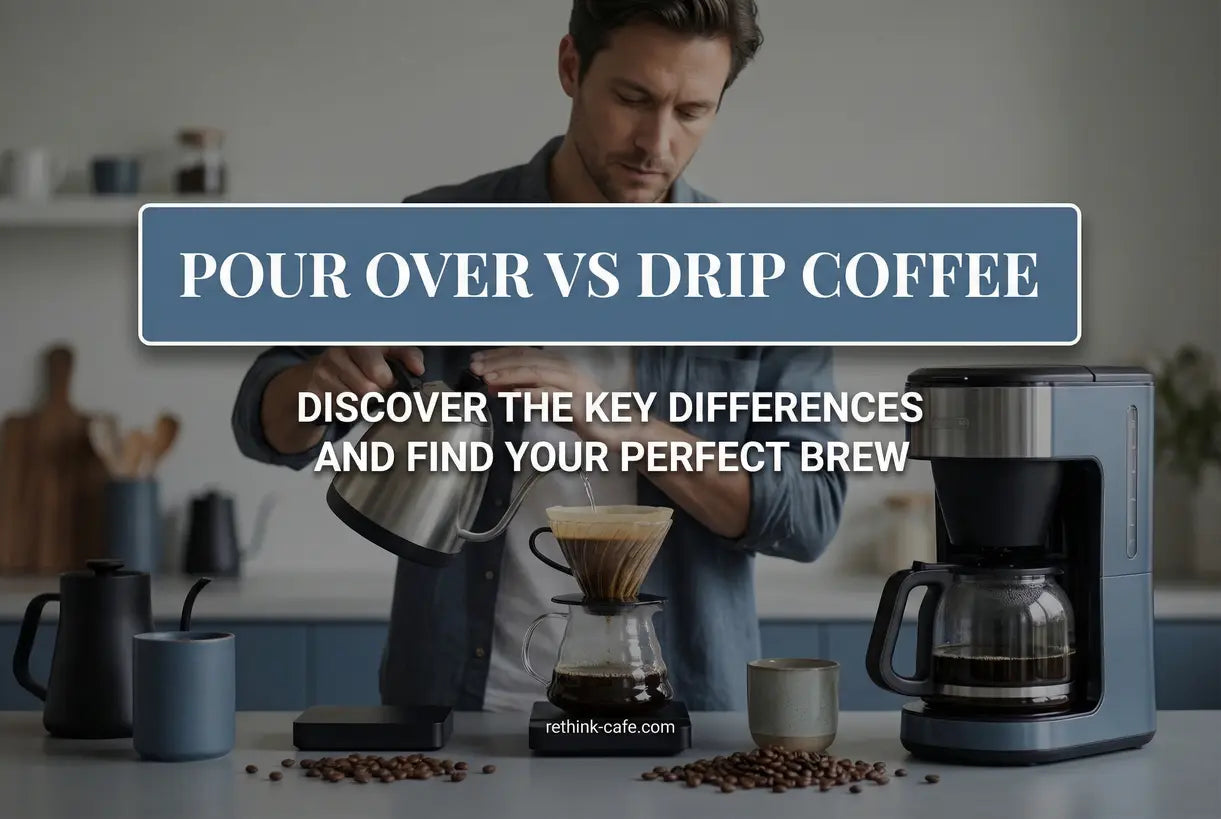
At the heart of this comparison lies a simple truth: control versus convenience.Drip coffee makers automate the entire process. Water heats to a preset temperature, then drips through a spray head onto your grounds in a fixed pattern. The machine determines flow rate, distribution, and timing. You measure grounds, add water, and walk away.Pour over brewing transfers every decision to you. You control water temperature precisely. You determine the pouring pattern and speed. You manage bloom time—the critical initial phase where grounds release trapped gases. You decide exactly when to stop the extraction.This manual control isn't just about being hands-on for the sake of it. Each variable directly impacts extraction, which determines which flavor compounds dissolve into your cup. Different compounds extract at different rates, and controlling those rates is the secret to dialing in your perfect taste.Pour Over vs Drip Coffee Taste: What Actually Changes in the Cup?
Here's where your choice between pour over vs drip coffee produces the most noticeable difference.Pour over coffee typically delivers a cleaner, more nuanced cup with distinct flavor notes that reflect your beans' origin characteristics. The controlled extraction pulls out delicate floral, fruity, or tea-like qualities that automated machines often miss or over-extract into bitterness.Drip coffee tends toward a fuller-bodied, consistent profile that prioritizes drinkability over complexity. The automated saturation often leads to more uniform extraction across the bed of grounds, producing a reliable—if less exciting—experience.The difference becomes especially pronounced with lighter roasted, single-origin coffees. These beans hide their best secrets behind subtle acids and volatile aromatics that respond dramatically to precise extraction control. Darker roasts fare better with either method, as their bolder flavors can withstand less precise brewing.
The Pour Over Experience: Why Control Changes Everything
Pour over brewing isn't just about the end result—it's about the journey. The ritual of heating water, grinding fresh beans, and watching the bloom expand transforms coffee making from a chore into a meditative practice.But this ritual demands the right equipment. Without proper tools, your attempt at precision pour over becomes an exercise in frustration rather than satisfaction. The specialized gear exists for a reason: each piece solves a specific problem that stands between you and an exceptional cup.One essential tool separates mediocre pour over from masterful extraction. Precision pouring requires controlled water flow that standard kettles simply cannot deliver.
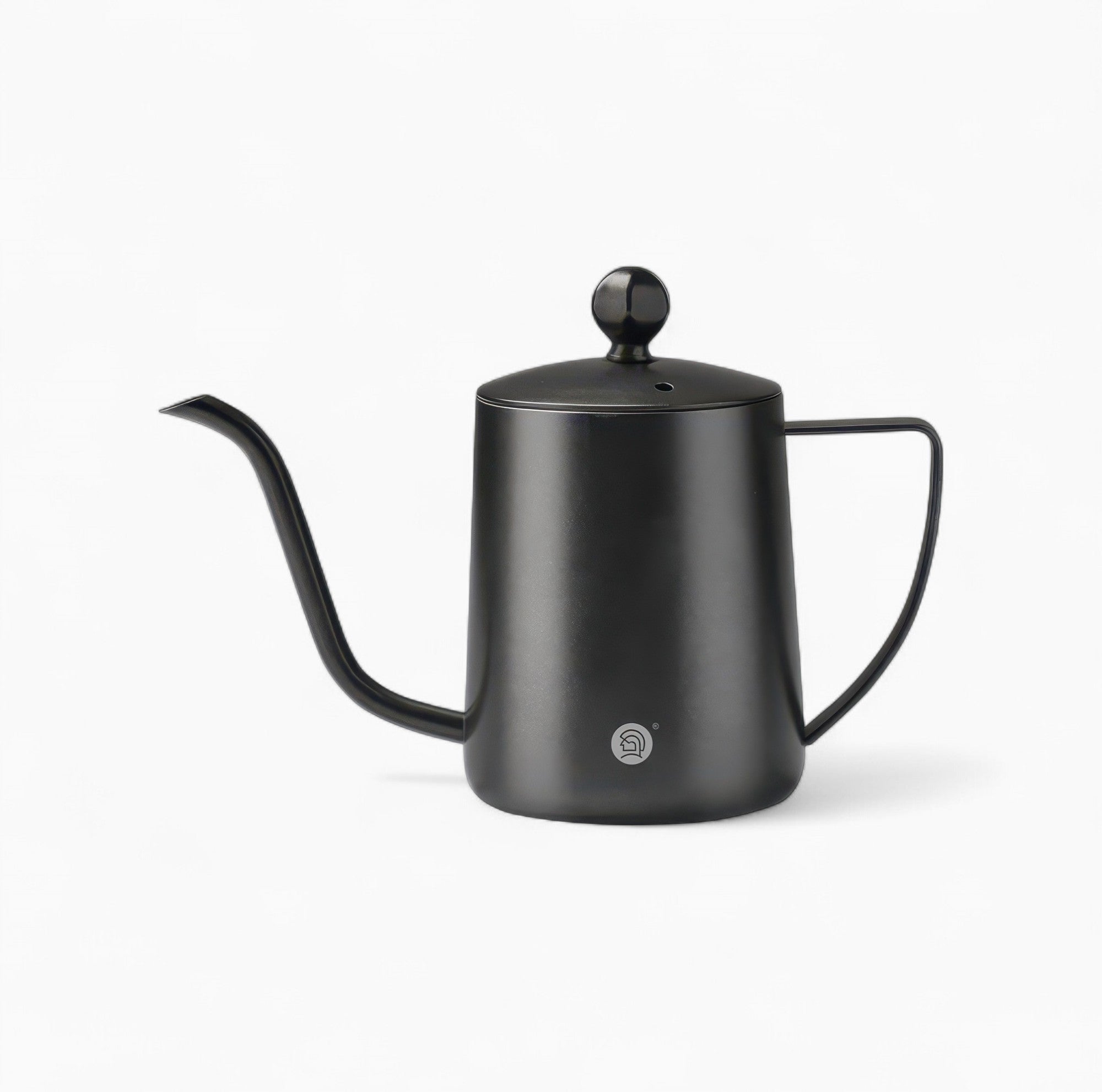
Stainless Steel Gooseneck Kettle for Pour Over Coffee
$79.90 $150.00
Master pour over brewing with this precision gooseneck kettle featuring a narrow spout for controlled pouring and a sleek handleless design that fits any modern kitchen.
Explore ProductWhy Grind Consistency Matters for Both Methods
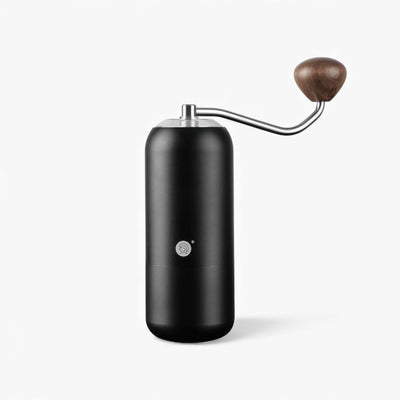
Whether you choose pour over or drip, one factor remains non-negotiable: grind size consistency.Uneven grinds create a range of particle sizes that extract at different rates. Fine particles over-extract and add bitterness. Coarse particles under-extract and contribute sourness. The result is a muddled cup where no single flavor shines through.Pour over brewing is particularly sensitive to grind size because you control the contact time through pouring speed. Too coarse and water rushes through before proper extraction. Too fine and the bed chokes, creating bitter over-extraction.Drip machines are more forgiving because their fixed flow rate partially compensates for grind inconsistencies. However, you'll still taste the improvement when using properly ground coffee.The E55Pro 55mm Titanium Burr Electric Coffee Grinder addresses this challenge with professional-grade burrs that produce remarkably uniform particle distribution. Its 100-step adjustment system lets you dial in the exact grind size for your preferred method—whether that's a medium-fine for pour over or medium for drip.

Can You Use Regular Ground Coffee in a Pour Over?
This common question highlights an important distinction. While you can use pre-ground coffee for pour over, you shouldn't if you care about taste.Standard pre-ground coffee is typically optimized for drip machines—medium grind size meant for automated extraction. Using this in a pour over setup produces weak, under-extracted coffee because water flows through too quickly.Conversely, using pour over grind size (finer) in a drip machine often leads to over-extraction and bitterness as water struggles to pass through the dense bed.The solution is simple: grind fresh for each method, or purchase beans ground specifically for your chosen technique. Fresh grinding also eliminates staleness—ground coffee loses aromatic compounds within minutes, while whole beans stay vibrant for weeks.Complete Your Pour Over Setup
Building a proper pour over station doesn't require endless spending, but skipping essential tools guarantees disappointing results. Beyond the dripper itself, two pieces of equipment dramatically improve outcomes.The pour over kettle provides flow control that transforms your extraction. A quality grinder ensures consistent particle size that lets you taste your beans' true character rather than uneven extraction artifacts.Perfect Your Pour Over Technique

Gooseneck Pour Over Kettle 304 Stainless Steel 350ml
$47.90
$83.00
Start your pour over journey with this affordable gooseneck kettle featuring patented 90-degree vertical flow control for consistent extractions every morning. Learn more ➔

E55Pro 55mm Titanium Burr Electric Coffee Grinder
$329.90
$400.00
Achieve the consistent grind size essential for both pour over and drip methods with this premium electric grinder featuring plasma anti-static technology and 100-step adjustment. Learn more ➔

Pour Over vs Drip Coffee Caffeine Content: Is There a Real Difference?
Caffeine content depends more on your beans and ratios than your brewing method. Both pour over and drip typically extract similar amounts of caffeine per gram of coffee used.However, pour over enthusiasts often use higher coffee-to-water ratios to highlight flavor complexity, which naturally increases caffeine per cup. Drip machine users might follow standard ratios that produce milder concentrations.The brewing time also plays a role. Longer contact times extract more caffeine. Drip machines typically complete a full pot in 4-6 minutes, while pour over for a single cup might take 2-3 minutes. The difference is negligible for most drinkers but worth noting if you're caffeine-sensitive.For definitive information on caffeine extraction and coffee chemistry, the National Center for Biotechnology Information offers peer-reviewed research on brewing parameters and their effects.Understanding the 80/20 Rule for Coffee
The 80/20 rule in coffee suggests that 80% of your cup's quality comes from 20% of your efforts. This principle helps prioritize where to invest your time and money.For most home brewers, that critical 20% includes:- Fresh, quality whole beans (not pre-ground supermarket coffee)
- A consistent burr grinder
- Proper water temperature (195-205°F)
- Correct coffee-to-water ratio

Which Is Better: Pour Over or Drip Coffee?
The honest answer depends entirely on your priorities.Choose pour over if you:- Value flavor nuance and complexity over convenience
- Enjoy the ritual and mindfulness of manual brewing
- Drink lighter roasts or single-origin beans
- Have 5-10 minutes each morning to dedicate to the process
- Want complete control over every brewing variable
- Prioritize speed and convenience
- Need to brew multiple cups simultaneously
- Prefer darker roasts that mask subtle extraction differences
- Want programmable brewing for hectic mornings
- Value consistency without daily attention
Conclusion: Your Perfect Cup Awaits at Rethink Cafe
The pour over vs drip debate ultimately comes down to your relationship with coffee. If you view it as fuel for the day ahead, drip brewing delivers reliable satisfaction with minimal effort. If you see coffee as an experience worth savoring, pour over brewing rewards your investment with flavors that automated machines simply cannot replicate.Whichever path calls to you, success starts with the right foundation. Quality beans, proper grind size, and temperature-controlled water form the baseline. From there, specialized tools multiply your ability to extract your coffee's full potential.At Rethink Cafe, we curate equipment that transforms home brewing from guesswork into craft. Our pour over kettles, precision grinders, and brewing accessories are selected specifically to solve the problems that stand between you and café-quality results in your own kitchen.Explore our complete collection of pour over equipment and discover how the right tools can elevate every cup. Your perfect morning ritual starts here.Frequently Asked Questions about Pour Over vs Drip Coffee
Neither method is objectively better—it depends on your priorities. Pour over offers superior flavor control and highlights nuanced tasting notes, making it ideal for coffee enthusiasts who value complexity. Drip coffee provides convenience and consistency, perfect for those who want quality coffee without the manual effort. Many home baristas use both methods depending on their schedule and mood.
Pour over coffee gives you complete control over every brewing variable—water temperature, pouring pattern, bloom time, and extraction rate. This control allows you to highlight specific flavor characteristics in your beans and achieve a cleaner, more nuanced cup than automatic methods typically produce. The manual process also transforms brewing into a mindful ritual that many find meditative and satisfying.
While possible, regular pre-ground coffee is typically optimized for drip machines (medium grind) and will produce weak, under-extracted results in a pour over setup. Pour over requires a medium-fine grind to slow water flow and enable proper extraction. If you must use pre-ground coffee, look for grind specifically labeled for pour over, or consider investing in a burr grinder to ensure freshness and proper particle size.
The 80/20 rule in coffee states that 80% of your cup's quality comes from 20% of your efforts. This critical 20% includes using fresh whole beans, a consistent burr grinder, proper water temperature (195-205°F), and correct coffee-to-water ratios. Mastering these fundamentals matters more than expensive equipment. Once you nail the basics, upgrading tools like precision kettles and high-end grinders can help capture that final 20% of quality.
Pour over coffee typically produces a cleaner, more nuanced cup with distinct origin flavors—floral, fruity, or tea-like notes become pronounced. The controlled extraction highlights delicate characteristics that automated methods often miss. Drip coffee tends toward a fuller-bodied, consistent profile that prioritizes drinkability. The difference is most noticeable with lighter roasted, single-origin beans, while darker roasts perform well with either method.
Both methods extract similar caffeine levels per gram of coffee. However, pour over enthusiasts often use higher coffee-to-water ratios to enhance flavor, which increases caffeine per cup. Drip machine users typically follow standard ratios. Brewing time has minimal impact—drip machines take 4-6 minutes for a full pot while pour over takes 2-3 minutes per cup. For most drinkers, the caffeine difference between properly brewed pour over and drip is negligible.