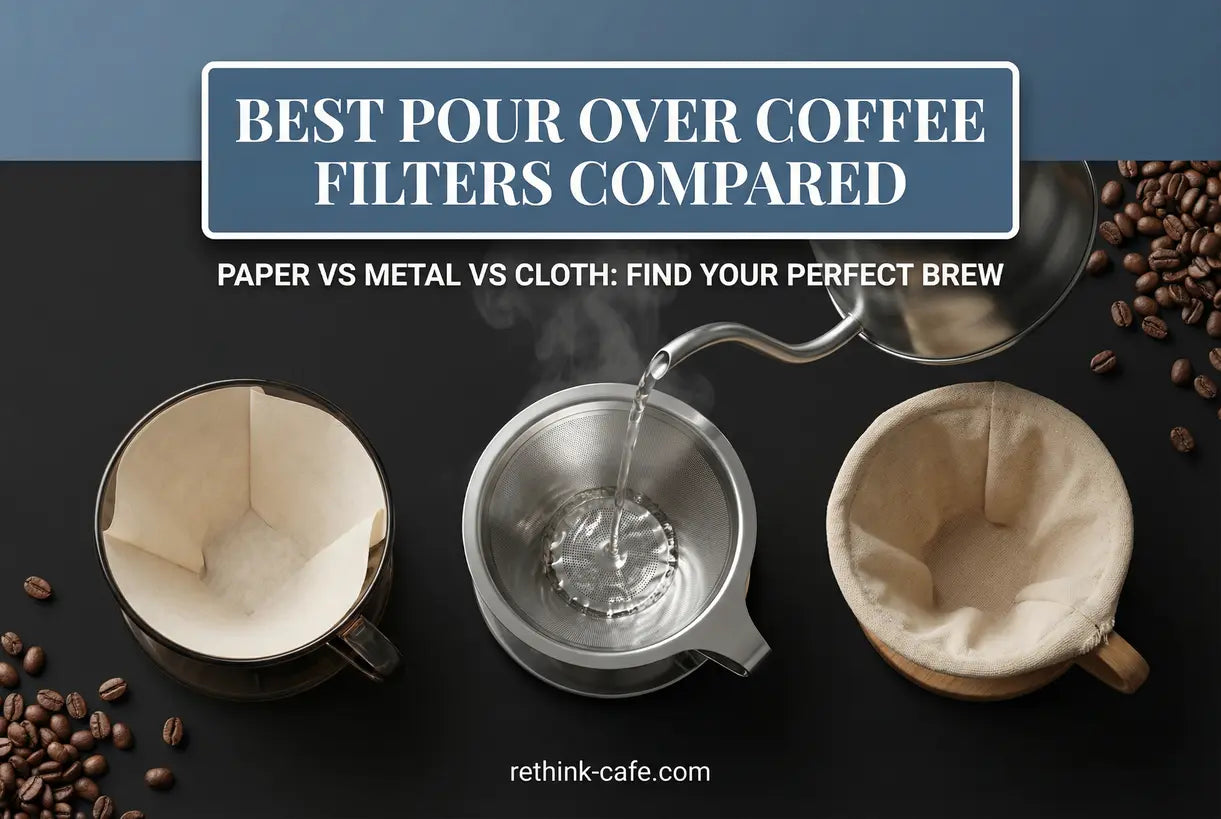
Choosing the right pour over coffee filters can transform your morning ritual from ordinary to extraordinary. Whether you are a seasoned home barista or just beginning your manual brewing journey, understanding the differences between paper, metal, and cloth filters is essential for achieving your desired cup profile. Each material interacts differently with your coffee grounds, affecting everything from body and clarity to extraction efficiency and environmental impact.
In this comprehensive guide, we will compare the three main types of pour over filters, exploring their unique characteristics, taste implications, and practical considerations. You will discover which option best suits your brewing style, maintenance preferences, and flavor goals. Along the way, we will introduce you to precision-crafted tools from Rethink Cafe that elevate every pour over session.
The Three Types of Pour Over Coffee Filters Explained
When selecting pour over coffee filters, you are essentially choosing between three distinct materials, each offering unique benefits and trade-offs. The filter you select becomes the final gatekeeper between your grounds and your cup, determining which oils, fines, and flavor compounds make it into your brew.

Paper Filters: The Classic Choice
Paper pour over filters remain the most popular option among coffee enthusiasts for good reason. Made from natural wood pulp or cellulose, these single-use filters excel at trapping coffee oils and micro-fines, resulting in a clean, bright cup with exceptional clarity. The paper acts as a barrier that prevents sediment from passing through while allowing the nuanced flavors of your specialty beans to shine.
The primary advantage of paper filters lies in their consistency and convenience. Since each filter is used once and discarded, you eliminate variables like residual oils or cleaning residues affecting your next brew. Natural and unbleached paper options are widely available for those seeking an eco-friendlier approach to single-use brewing.
Paper filters do require proper preparation to perform optimally. Rinsing before brewing removes any paper taste and preheats your dripper, ensuring temperature stability throughout extraction. Size compatibility is also crucial, as we will explore later in this guide.
Metal Filters: Sustainable and Full-Bodied
Reusable pour over filters crafted from stainless steel mesh offer a fundamentally different brewing experience. Unlike paper, metal filters feature microscopic holes that allow natural coffee oils and some fine particles to pass through into your cup. This results in a fuller-bodied brew with richer mouthfeel and more pronounced aromatics, approaching the characteristics of French press coffee while maintaining the precision of pour over technique.
The environmental and economic benefits of metal filters are significant. A quality stainless steel filter can last for years with proper care, eliminating ongoing replacement costs and waste. For daily coffee drinkers, this investment pays dividends while reducing environmental footprint.
The trade-off comes in cup clarity and maintenance. Metal filters allow more sediment through, creating a slightly cloudier brew. They also require thorough cleaning after each use to prevent oil buildup that can turn rancid and affect future cups.
Cloth Filters: The Historic Middle Ground
Cloth coffee filters, traditionally made from cotton or hemp, represent the oldest filter technology still in use today. They offer a unique compromise between paper and metal, capturing most sediment while allowing some desirable oils to pass through. The result is a cup with medium body and excellent clarity, often described as smooth and balanced.
Cloth filters require the most attention to maintenance. They must be rinsed immediately after use and stored properly to prevent mold growth and off-flavors. Many enthusiasts keep their cloth filters submerged in water in the refrigerator between uses, changing the water daily.

Taste Differences: How Filter Material Affects Your Cup
The most important consideration when choosing pour over coffee filters is how each material impacts flavor. Understanding these differences helps you align your filter choice with your taste preferences and the specific beans you are brewing.
Paper filters produce the cleanest cup with the brightest acidity and most defined flavor notes. They are ideal for showcasing delicate single-origin coffees, light roasts, and beans with complex floral or fruity characteristics. The absence of oils creates a tea-like clarity that highlights the subtle nuances in high-quality beans.
Metal filters deliver a richer, more robust cup with enhanced body and mouthfeel. The oils that pass through contribute to a velvety texture and more pronounced aromatics. This style complements medium and dark roasts, chocolatey or nutty flavor profiles, and those who prefer their coffee with substantial presence.
Cloth filters strike a balance, offering cleaner cups than metal while preserving some oil content for body. The result is often described as exceptionally smooth, making cloth an excellent choice for those who find paper too thin and metal too heavy.

Pour Over Coffee Filter Sizes: #2 vs #4 Explained
Size compatibility is crucial when selecting pour over coffee filters. The two most common sizes are #2 and #4, with the numbering system referring to the filter's capacity and physical dimensions.
#4 coffee filters are bigger than #2 filters. Number 4 filters accommodate larger drippers designed for brewing 4-6 cups (approximately 20-30 ounces), while #2 filters fit smaller drippers intended for 1-2 cup servings (8-16 ounces). Always match your filter size to your dripper and desired brew volume.
Popular brewing systems have specific size requirements. The Hario V60 comes in multiple sizes, with 01 corresponding to #2 filters and 02 requiring #4 filters. Chemex brewers use proprietary bonded filters with their own sizing system. When in doubt, check your dripper manufacturer's specifications to ensure proper fit and optimal extraction.
Bleached vs Unbleached: Understanding Paper Filter Options
Within the paper filter category, you will encounter both bleached and unbleached options. This distinction affects both environmental impact and brewing preparation.
Bleached paper filters undergo oxygen or chlorine bleaching processes that result in bright white paper. The primary advantage is minimal paper taste, requiring little to no pre-rinsing. However, the bleaching process raises environmental concerns and introduces additional chemical processing.
Unbleached or natural paper filters retain their natural brown color from the wood pulp source. These filters are more environmentally friendly during production but require thorough rinsing before brewing to eliminate the pronounced paper taste that can mask delicate coffee flavors.
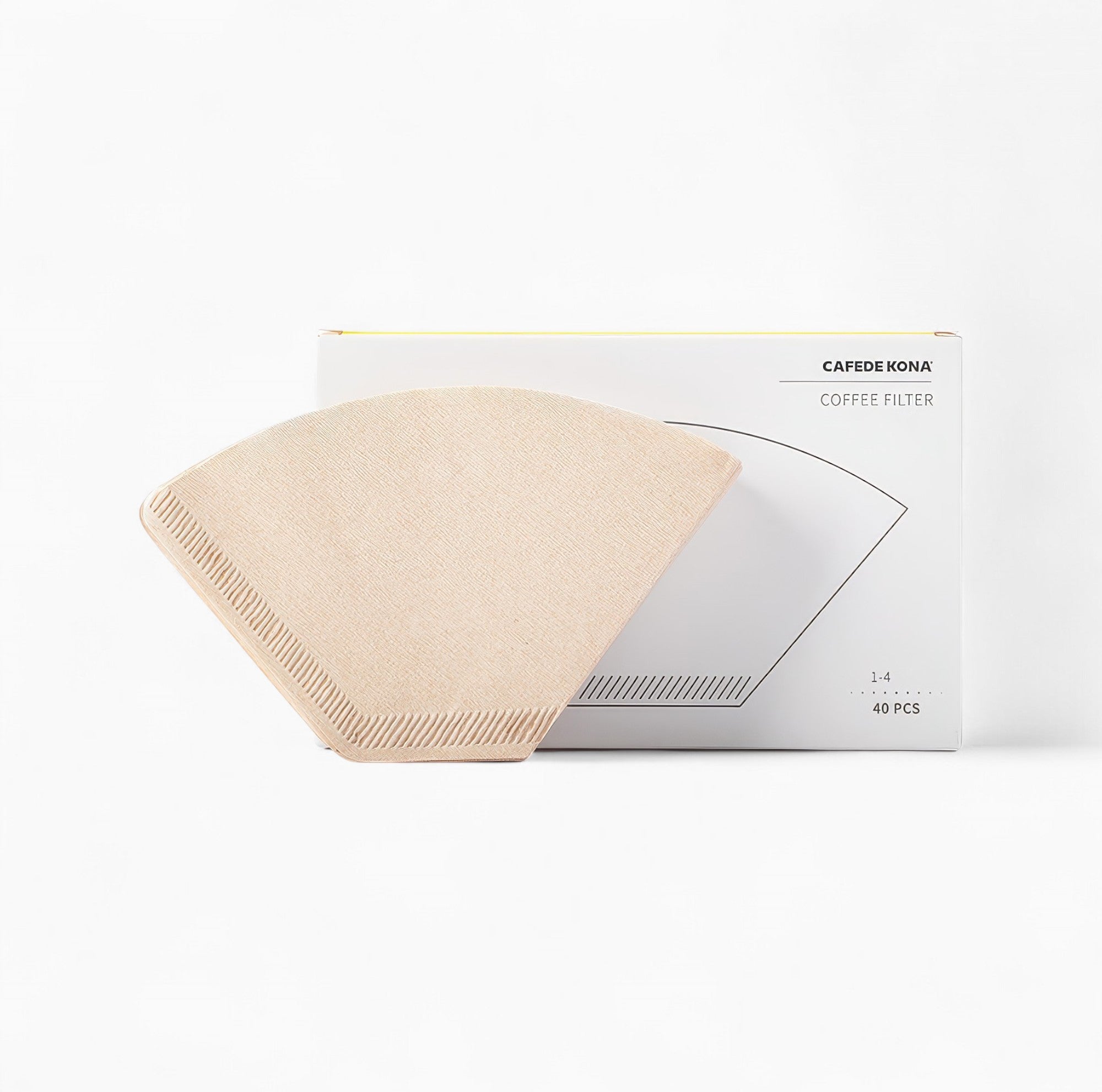
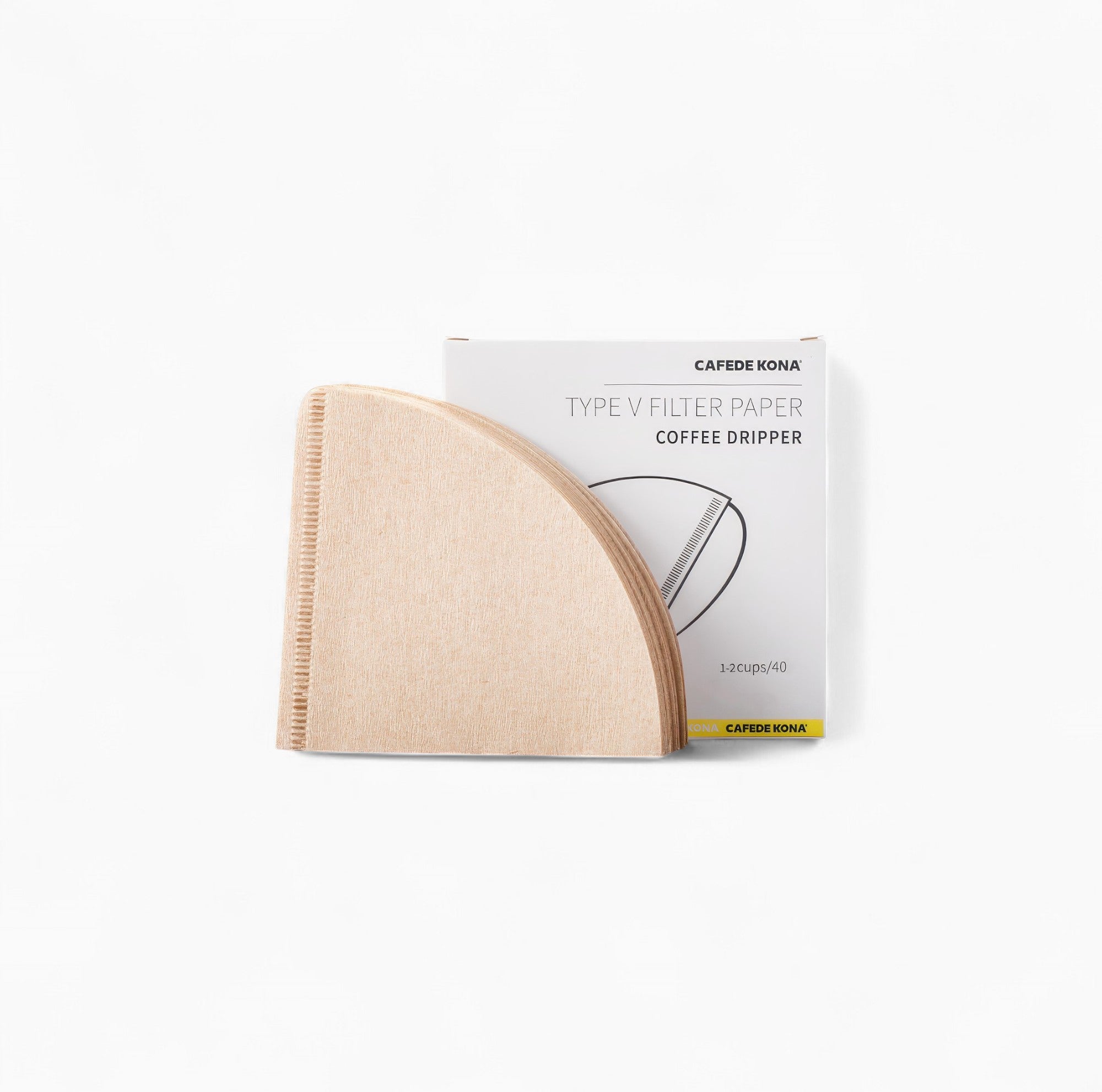
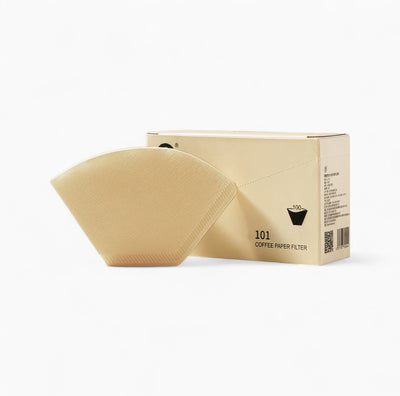
For the purest flavor extraction without chemical concerns, V60 Pour Over Coffee Filter Papers Chemical-Free offer a premium natural option crafted from wood pulp without chemical additives. These filters deliver exceptional clarity while maintaining purity throughout your brewing ritual.

V60 Pour Over Coffee Filter Papers Chemical-Free
$12.90 $22.00
Natural wood pulp V60 filters with zero chemicals for pure flavor extraction. Available in multiple sizes for your perfect pour over ritual.
Explore Product
Building Your Complete Pour Over Setup
While selecting the right filter is essential, achieving pour over excellence requires a complete ecosystem of quality tools. The filter works in concert with your dripper, grinder, and technique to produce exceptional results.
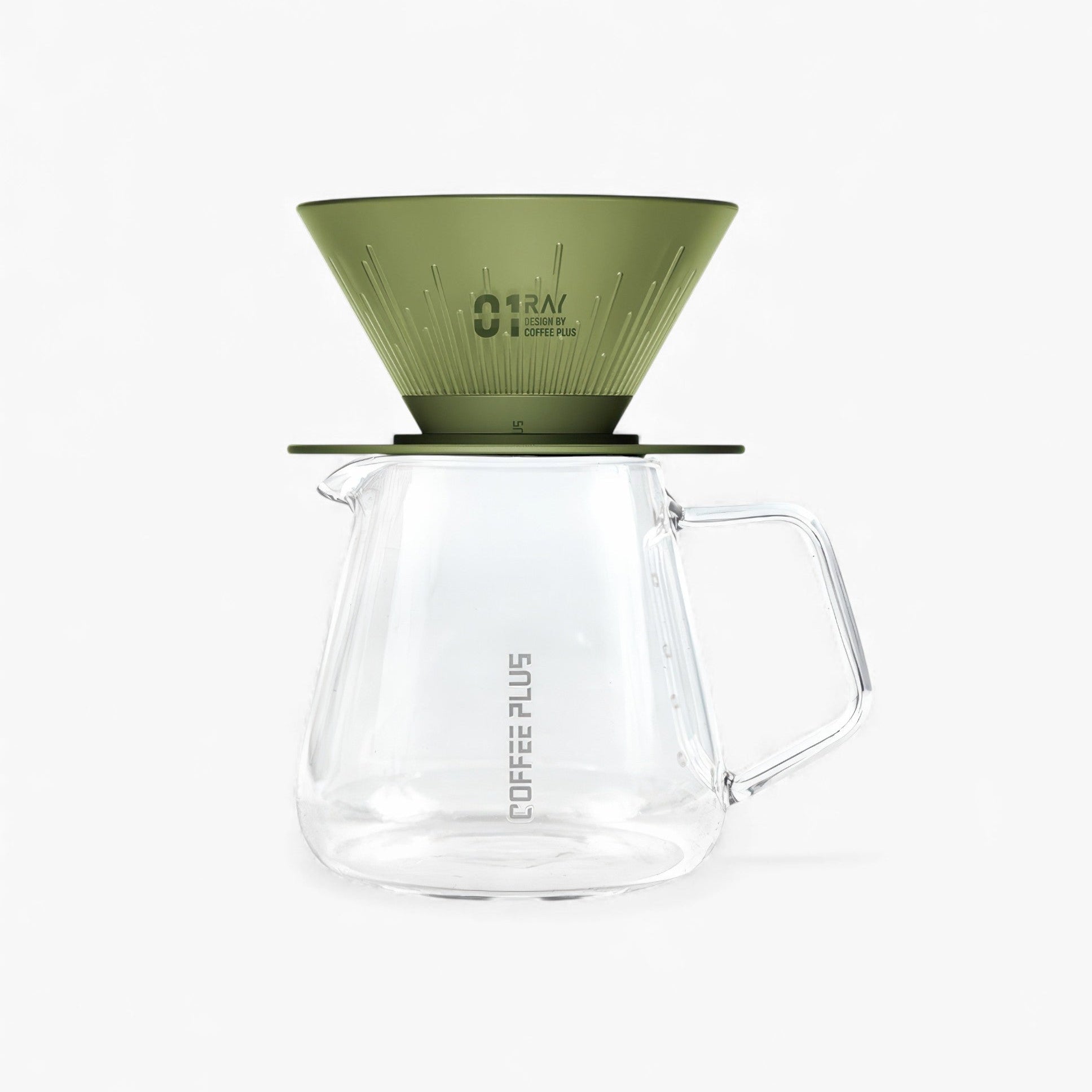
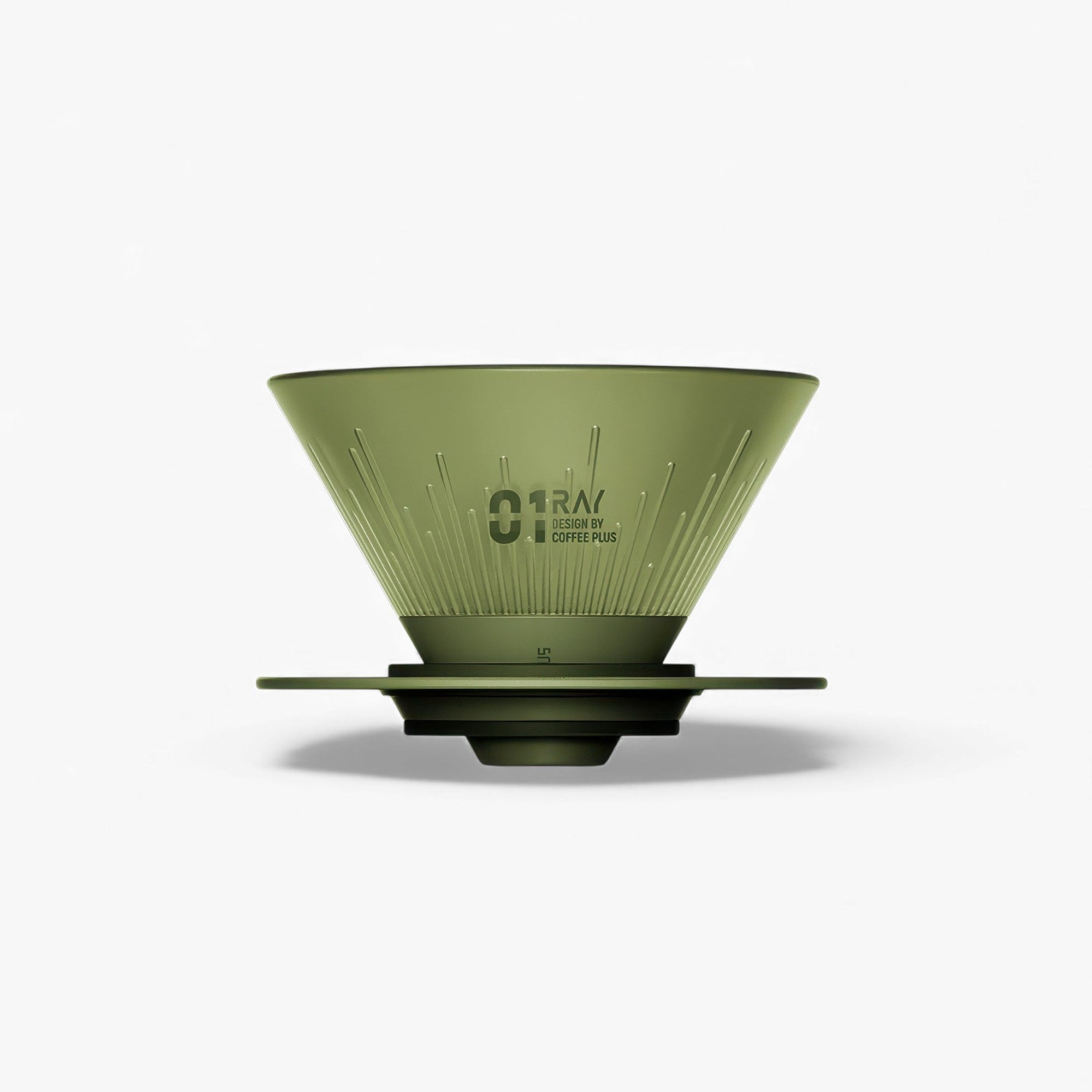
A precision dripper like the 64-Channel V60 Pour Over Coffee Dripper Star Ray Flow pairs perfectly with V60 paper filters, featuring 64 flow channels that optimize water distribution and extraction dynamics. This advanced design ensures even saturation of your grounds for balanced flavor development.
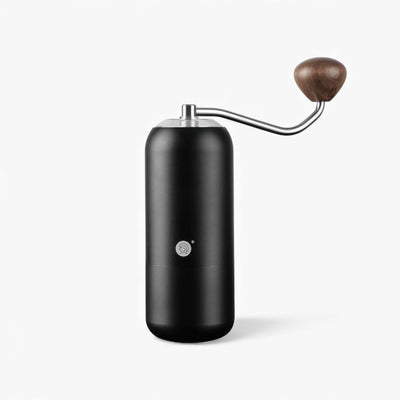
Equally important is your grinder. Inconsistent particle size leads to uneven extraction regardless of your filter choice. The right grind for pour over should resemble coarse sand, and achieving this consistency requires a quality burr grinder rather than blade alternatives.
Essential Pour Over Equipment

64-Channel V60 Pour Over Coffee Dripper Star Ray Flow
$38.90
$56.00
Advanced V60 dripper with 64 flow channels for dynamic extraction. Compatible with all V60 paper filters and optimized for precision brewing. Learn more ➔

Conical Burr Coffee Grinder with 25 Grind Settings
$74.99
$89.99
Essential companion for pour over brewing with 25 adjustable grind levels. Achieve consistent particle size for optimal filter performance. Learn more ➔
Maintenance and Care Considerations
Your choice of filter material significantly impacts your daily brewing routine and long-term maintenance commitments.
Paper filters require the least ongoing effort beyond proper storage in a dry environment. Simply use, compost if available, and replace. The ongoing cost is the trade-off for this convenience.
Metal filters demand immediate rinsing after each use and periodic deep cleaning to remove accumulated oils. Some baristas soak metal filters in specialized cleaning solutions monthly to maintain optimal performance and prevent rancid oil buildup.
Cloth filters need the most attention, requiring immediate rinsing after brewing and proper storage in water or the freezer to prevent mold. They typically need replacement every 3-6 months depending on usage frequency.
Final Thoughts: Choosing Your Perfect Filter
The quest for the ideal pour over coffee filters ultimately depends on your personal priorities. If you value convenience and the cleanest possible cup, paper filters remain the gold standard. For sustainability and full-bodied flavor, stainless steel metal filters offer excellent long-term value. Those seeking a middle path may find cloth filters provide their preferred balance of body and clarity.
Many dedicated home baristas eventually keep multiple filter types on hand, selecting based on the specific beans they are brewing and their mood for the day. Light, delicate Ethiopian naturals shine through paper, while bold Sumatras reveal their complexity through metal.
At Rethink Cafe, we craft every product with the passionate home barista in mind. From our chemical-free V60 filter papers to precision-engineered drippers and grinders, every tool in our collection exists to help you achieve pour over perfection. Explore our complete pour over collection and discover how the right equipment transforms your daily ritual.
Frequently Asked Questions about Pour Over Coffee Filters
Pour-over coffee can be brewed using three main filter types: paper, metal, and cloth. Paper filters are the most common and produce the cleanest cup with bright acidity. Metal filters are reusable and create a fuller-bodied brew by allowing oils to pass through. Cloth filters offer a middle ground with medium body and smooth flavor. The best choice depends on your taste preferences, environmental concerns, and willingness to maintain reusable options.
Neither is objectively better; they produce different results suited to different preferences. Paper filters deliver cleaner, brighter cups that highlight delicate flavor notes and acidity, making them ideal for light roasts and single-origin coffees. Metal filters produce fuller-bodied, richer cups with more pronounced aromatics due to oils passing through, complementing medium and dark roasts. Paper offers convenience at ongoing cost, while metal provides sustainability with required maintenance. Your choice should align with your flavor preferences and brewing priorities.
#4 coffee filters are bigger than #2 filters. Number 4 filters are designed for larger drippers and brewing 4-6 cups (20-30 ounces) of coffee, while #2 filters fit smaller drippers intended for 1-2 cup servings (8-16 ounces). Always match your filter size to your specific dripper model and desired brew volume for optimal extraction.
Yes, you should rinse paper filters before brewing. Rinsing removes any paper taste from unbleached filters and preheats your dripper for better temperature stability. Pour hot water through the filter, let it drain completely, then discard the rinse water before adding your coffee grounds. This simple step takes seconds and noticeably improves cup clarity.
Bleached filters are whitened through oxygen or chlorine processes, resulting in minimal paper taste but additional chemical processing. Unbleached filters retain their natural brown color, are more eco-friendly during production, but require thorough rinsing to eliminate pronounced paper taste. For the best of both worlds, chemical-free natural paper filters offer purity without bleaching agents.