There's a reason panama geisha coffee beans consistently shatter auction records and command prices that would make wine collectors do a double-take. For the home barista who has spent years perfecting their craft, these legendary beans represent the pinnacle of what's possible in a cup—a sensory experience so transcendent that it redefines what coffee can be.
If you've ever wondered why coffee enthusiasts speak of Panama Geisha in hushed, reverent tones, you're about to discover the fascinating story behind the world's most exclusive brew. From its chance discovery to the misty highlands of Boquete, this guide unpacks everything that makes geisha coffee beans the crown jewel of specialty coffee. And because earning your place at this table requires more than just exceptional beans—we'll show you how the right equipment from Rethink Cafe transforms this already extraordinary experience into something truly unforgettable.
What Makes Panama Geisha Coffee Beans So Special?
The story of panama geisha coffee reads like a legend in the making. While the Geisha varietal actually originated in Ethiopia's Gesha region (hence the occasional spelling as "Gesha"), it found its true calling in the volcanic soils of Panama's Chiriquí province. It was here, in 2004, that the Peterson family of Hacienda La Esmeralda unveiled this varietal to the world—and the coffee industry was forever changed.

What sets geisha varietal coffee apart from other specialty coffee beans is its unique genetic profile. The Geisha tree produces dramatically fewer cherries than typical commercial varieties, and its elongated leaves and cherries are visually distinct. But the real magic happens in the cup. Unlike many coffees that rely on bold, traditional coffee flavors, Geisha delivers an almost tea-like delicacy with explosive aromatics that dance across the palate.
Processing these beans requires extraordinary care. Farmers must hand-pick only the ripest cherries at peak perfection—a labor-intensive process that contributes to the exclusivity of every harvest. The attention to detail at every stage, from cultivation to processing, ensures that when you finally brew a cup, you're experiencing coffee at its most refined expression.
Where Are Panama Geisha Coffee Beans Grown?

The answer to why panama gesha beans taste like nowhere else on earth lies in a single word: terroir. The Boquete region, nestled against the slopes of Barú Volcano in western Panama, creates conditions that seem almost custom-designed for this delicate varietal.
At elevations between 1,500 and 2,000 meters above sea level, the cool temperatures slow the cherry maturation process, allowing complex sugars and aromatic compounds to develop fully. The volcanic soil provides rich mineral content, while the interplay of Pacific moisture and Caribbean winds creates a unique microclimate that bathes the coffee farms in mist and gentle cloud cover. These conditions coax out the floral and citrus notes that define the Geisha experience.
While several farms now produce award-winning Geisha—including Elida Estate, Lamastus Family Estates, and Finca Deborah—each offers subtle variations based on their specific microclimates and processing methods. This terroir-driven diversity is part of what makes collecting and tasting different premium coffee beans from Panama such an adventure for serious enthusiasts.
What Does Panama Geisha Coffee Taste Like?

If you're anticipating a traditional coffee experience, prepare for a delightful surprise. The flavor profile of luxury coffee beans like Panama Geisha challenges everything you thought you knew about coffee.
Properly brewed Geisha reveals a stunning array of tasting notes that read more like a fine perfumer's description than a typical coffee review. You'll encounter vibrant jasmine and bergamot aromatics that hit your nose before the first sip touches your lips. On the palate, expect delicate layers of peach, apricot, and tropical fruits like mango and papaya, supported by subtle honey sweetness and a clean, tea-like body. The finish is remarkably long and clean, often leaving a lingering impression of citrus zest and floral elegance.
Coffee cuppers frequently describe the acidity as "sparkling" or "champagne-like"—bright and effervescent without being harsh. This complexity unfolds differently at various temperatures, rewarding patient sipping as the cup cools and reveals new dimensions. It's this multi-layered tasting experience that has earned Geisha the reputation as the ultimate expression of what specialty coffee can achieve.
Why Is Panama Geisha Coffee So Expensive?
The sticker shock that accompanies award winning coffee like Panama Geisha is real—and justified. Prices routinely range from $50 to over $600 per pound for green beans, with auction lots fetching even more. Understanding why requires looking at several interconnected factors.
Extremely limited supply tops the list. Geisha trees are notoriously low-yielding, producing significantly fewer cherries per hectare than commercial varieties. When you factor in the meticulous hand-picking required—only perfectly ripe cherries make the cut—and the small number of farms producing true Panama Geisha, supply remains perpetually constrained.
Labor-intensive production drives costs higher at every stage. From the careful cultivation in challenging high-altitude conditions to the attentive processing that often involves extended fermentation times and specialized drying techniques, producing Geisha requires skilled labor and patience that mass-market coffee simply doesn't demand.
Quality verification and reputation also play roles. The best producers invest heavily in quality control, employing professional cuppers to evaluate every lot. When a farm has earned a reputation for excellence—like the legendary Esmeralda—their beans command premium prices based on provenance alone.
Finally, global demand from specialty coffee shops and discerning home baristas continues to outpace supply. As more people discover what makes Geisha extraordinary, competition for the limited harvest intensifies, driving auction prices to stratospheric levels.
How Should You Brew Panama Geisha Coffee Beans?
Investing in exceptional panama geisha coffee beans demands brewing methods that honor their complexity. The goal is clarity—you want to taste every nuance these beans offer without muddying the experience with over-extraction or improper technique.
Pour-over methods reign supreme for Geisha. The Hario V60 and Chemex are favorites among enthusiasts because their paper filters produce a clean, sediment-free cup that showcases the coffee's delicate aromatics. The slow, controlled extraction brings out the floral and fruity notes while maintaining the tea-like body that makes Geisha so distinctive.
Water temperature matters significantly. Aim for 195–205°F (90–96°C) to extract the full flavor spectrum without scorching these delicate beans. Use a precise coffee-to-water ratio—starting with 1:16 and adjusting based on your taste preferences. And always grind just before brewing; pre-ground Geisha loses its magic quickly.
Pro Tip: For your first Geisha experience, try brewing two cups—one at a standard ratio and one slightly more concentrated. The differences in how the flavors present themselves will deepen your appreciation for this extraordinary coffee.
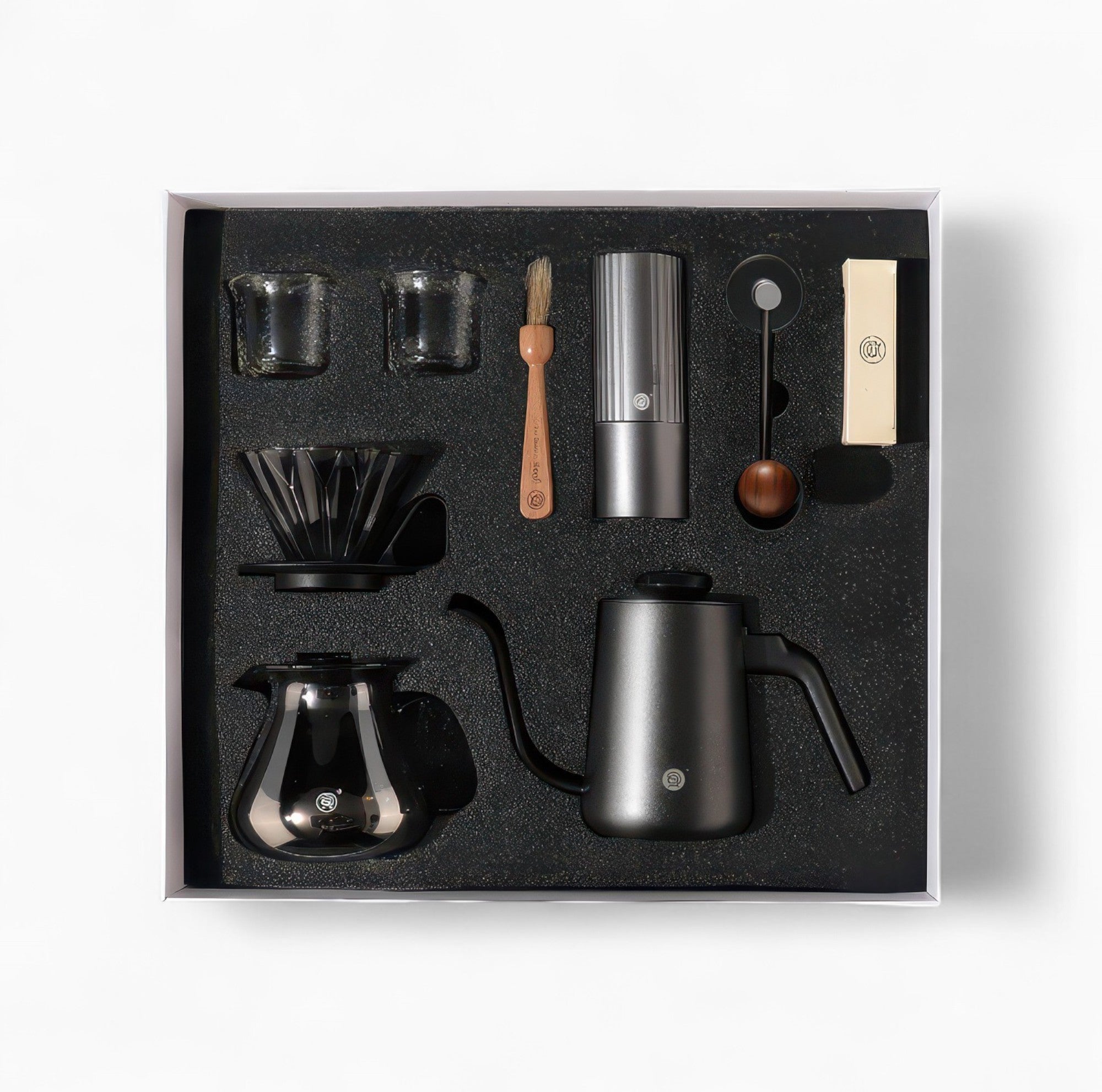
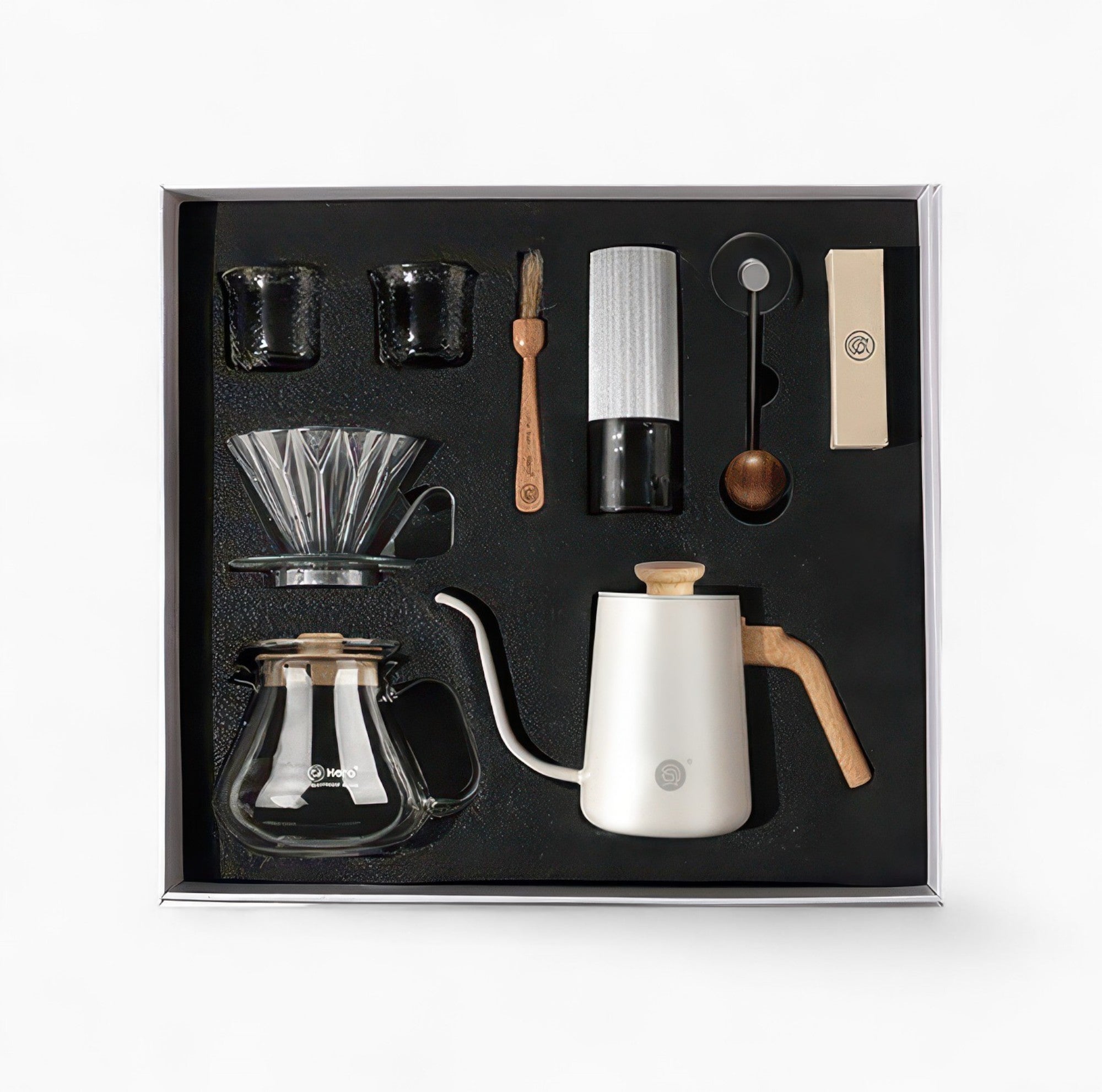
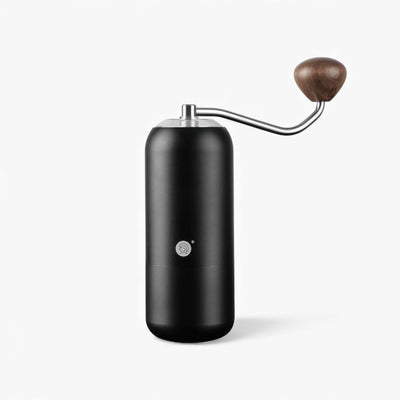
This is where having the right equipment becomes essential. When you're working with beans this precious, precision isn't optional—it's the difference between an extraordinary experience and an expensive disappointment. The Complete Pour Over Coffee Kit with Grinder and Kettle provides everything needed to unlock the full potential of your Geisha investment.

Complete Pour Over Coffee Kit with Grinder and Kettle
$235.90 $360.00
Brew your Panama Geisha with precision using this complete pour-over kit featuring temperature control and professional-grade grinding.
Explore ProductWhen you've invested in gesha coffee of this caliber, preservation becomes paramount. These beans deserve better than a paper bag in your pantry. Proper storage protects against oxygen, moisture, and light—the three enemies of coffee freshness.

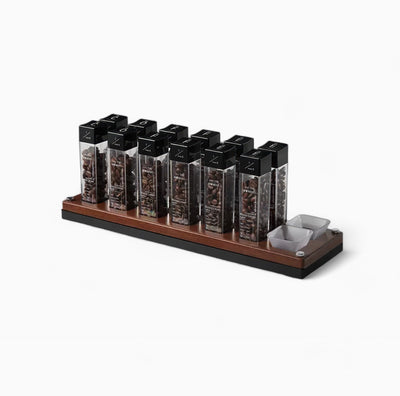
The Coffee Bean Storage Tubes with One Way CO2 Valve solve this problem elegantly. The one-way valve allows naturally occurring CO2 to escape while preventing oxygen from entering, preserving those delicate aromatic compounds that make Geisha so special. Single-dose tubes mean you only expose what you're about to brew, keeping the remainder in perfect condition.
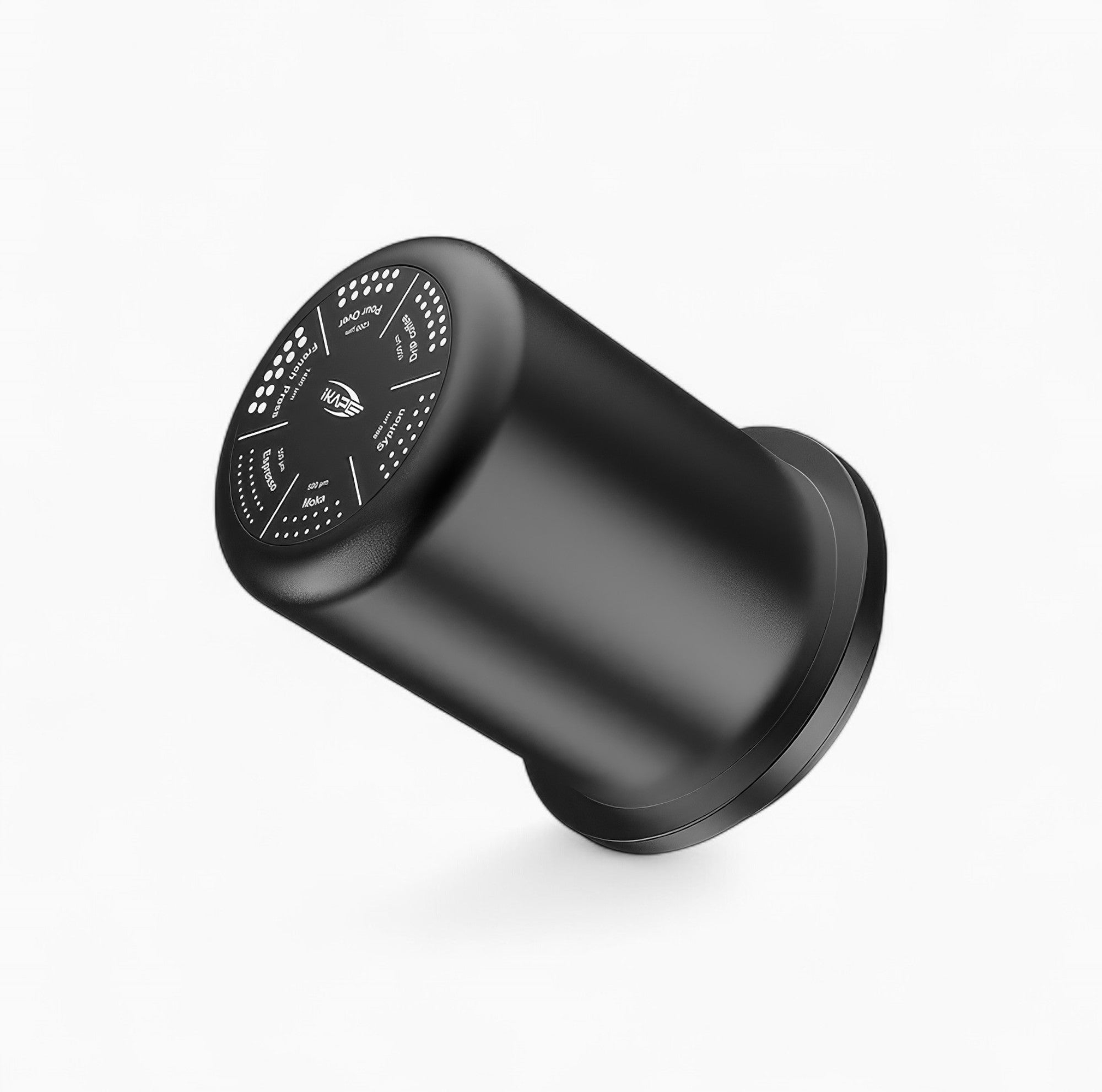
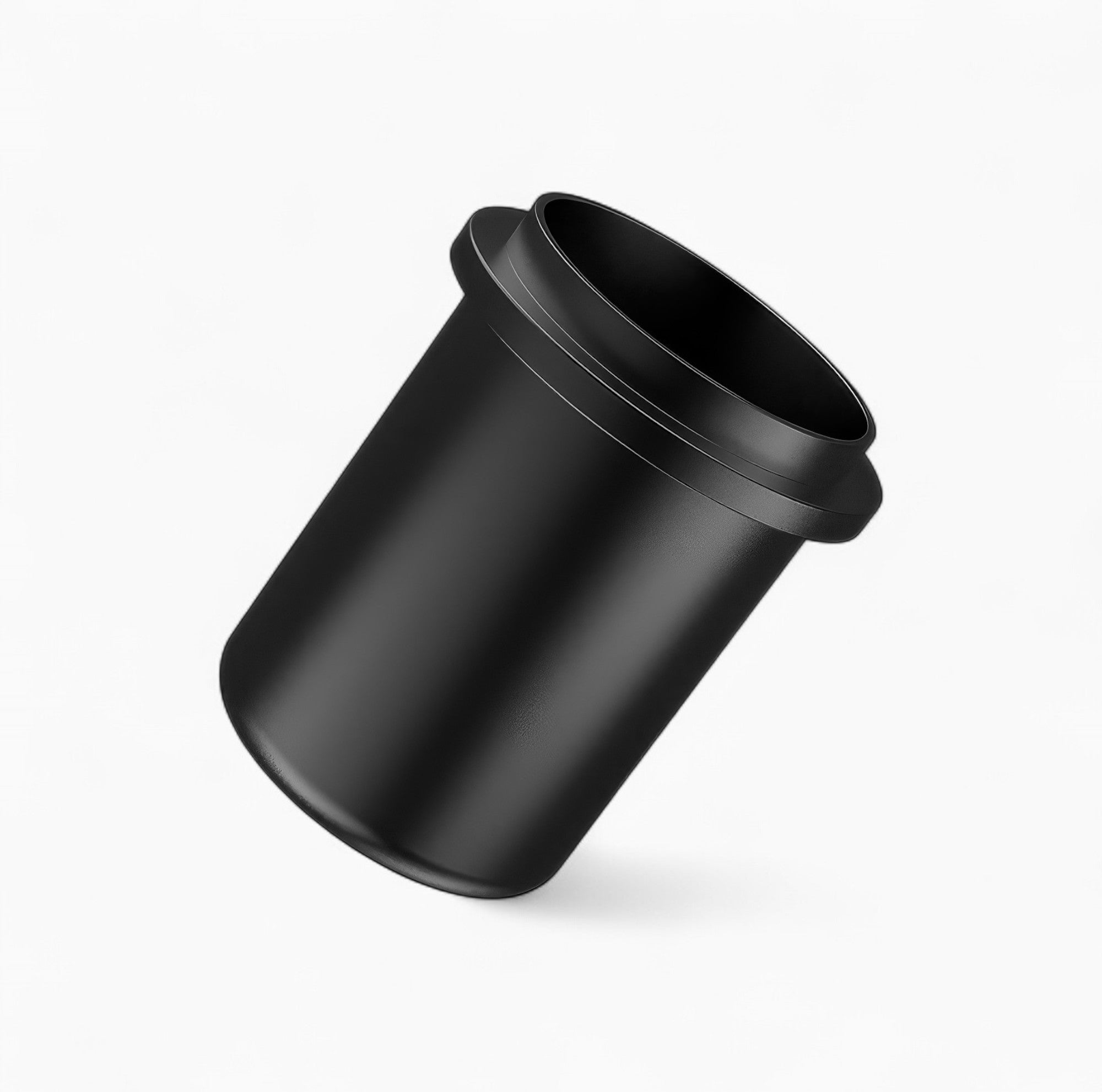
Finally, consider the dosing process. When beans cost what Geisha commands, every gram matters. The Aluminum Espresso Dosing Cup for Mess-Free Grinding ensures you dose accurately every time—no spilled beans, no waste, just precise measurement that respects both your coffee and your investment.
Essential Tools for Your Geisha Experience

Coffee Bean Storage Tubes with One Way CO2 Valve
$12.90
$22.00
Preserve your premium Geisha beans freshness with airtight single-dose storage tubes featuring one-way CO2 valves. Learn more ➔

Aluminum Espresso Dosing Cup for Mess-Free Grinding
$34.90
$58.00
Dose your precious Geisha beans accurately with this anti-static aluminum cup designed for mess-free grinding. Learn more ➔
For more detailed brewing techniques beyond the basics covered here, the Specialty Coffee Association offers comprehensive brewing guidelines that apply beautifully to Geisha preparation. Their research into extraction science provides a foundation that elevates every brewing method.
Conclusion: The Geisha Experience Awaits
Panama geisha coffee beans represent something rare in today's world—a product that genuinely lives up to its legendary reputation. From the misty slopes of Boquete to your cup, every step in this coffee's journey has been marked by intention, expertise, and an unwavering commitment to excellence.
For the home barista who has spent years refining their craft, experiencing true Geisha is a rite of passage. It's the moment when you understand that coffee isn't just a caffeine delivery system—it's a vehicle for some of the most complex and rewarding flavors on earth.
At Rethink Cafe, we believe that extraordinary beans deserve extraordinary preparation. Whether you're taking your first steps into the world of geisha coffee beans or you're a seasoned collector tracking the latest auction lots, having the right tools transforms great coffee into transcendent experiences. Our curated selection of pour-over equipment, precision scales, and preservation solutions ensures that when you're ready for this ultimate coffee adventure, you'll have everything you need to make it unforgettable.
Frequently Asked Questions About Panama Geisha Coffee Beans
Panama Geisha coffee beans are special due to their unique genetic profile, exceptional cup quality, and the specific terroir of Panama's Boquete region. They offer extraordinarily complex flavor profiles featuring jasmine, bergamot, tropical fruits, and honey sweetness with a delicate, tea-like body. The Geisha varietal grows slowly at high altitudes, allowing complex sugars and aromatics to develop fully. Combined with meticulous hand-picking and processing, these factors create a coffee experience unlike any other.
Panama Geisha coffee commands premium prices due to several factors: low-yielding trees that produce fewer cherries, labor-intensive hand-picking of only the ripest cherries, limited growing regions with specific microclimates, meticulous processing requirements, and overwhelming global demand from specialty coffee enthusiasts. Auction prices regularly reach $50 to $600+ per pound for green beans. The combination of restricted supply and exceptional quality creates a market where prices reflect the true cost of producing coffee at this level of excellence.
Panama Geisha coffee offers a remarkably complex and delicate flavor profile that differs significantly from traditional coffees. Tasting notes commonly include jasmine and bergamot florals, stone fruits like peach and apricot, tropical fruits such as mango and papaya, and honey-like sweetness. The body is often described as tea-like and light, with a sparkling, champagne-like acidity. The finish is clean, long, and elegant, sometimes leaving citrus zest impressions. These coffees are best appreciated through methods that provide clarity, such as pour-over brewing.
Pour-over methods like Hario V60 or Chemex are ideal for brewing Panama Geisha coffee, as they produce a clean cup that showcases the beans' delicate aromatics. Use water between 195–205°F (90–96°C), a coffee-to-water ratio of around 1:16, and always grind just before brewing. The goal is clarity—avoid methods that produce heavy sediment or mask subtle flavors. A gooseneck kettle for precise pouring and a quality burr grinder for consistent particle size are highly recommended investments for getting the most from your Geisha beans.
Panama Geisha coffee beans are primarily grown in the Boquete region of western Panama, located in the Chiriquí province on the slopes of Barú Volcano. This area sits at elevations between 1,500 and 2,000 meters above sea level. The region's volcanic soil, cool temperatures, and unique microclimate created by the interplay of Pacific moisture and Caribbean winds provide ideal conditions for this delicate varietal. Notable farms include Hacienda La Esmeralda, Elida Estate, Lamastus Family Estates, and Finca Deborah, each producing distinctive expressions of Geisha based on their specific terroir.