

Ethiopian coffee beans hold a legendary status among home baristas and coffee enthusiasts worldwide. As the birthplace of coffee, Ethiopia produces some of the most distinctive and sought-after beans in the specialty coffee market. Whether you're brewing your morning pour over or dialing in the perfect espresso shot, understanding what makes these beans unique will transform your appreciation for single origin coffee.

From the high-altitude gardens of Yirgacheffe to the ancient coffee forests where it all began, Ethiopian coffee offers an unparalleled journey through flavor. In this guide, you'll discover the rich heritage behind these beans, explore their complex tasting notes, and learn how to unlock their full potential using the right brewing techniques and equipment.
The Birthplace of Coffee: Ethiopia's Coffee Heritage
Legend traces the discovery of coffee to Ethiopia around the 9th century. According to popular lore, a goat herder named Kaldi noticed his goats becoming energetic after eating cherries from a particular tree. Those cherries were coffee, and that tree grew in the forests of modern-day Ethiopia. This ancient heritage means that unlike other coffee-growing regions that imported coffee plants, Ethiopia is home to native coffee forests where coffee grows wild.
Ethiopia produces only Arabica coffee, and the majority comes from gardens and small plots rather than large commercial estates. This garden coffee culture, combined with the country's incredible genetic diversity of coffee plants—estimates suggest Ethiopia has between 6,000 to 10,000 unique coffee varieties—creates the foundation for the exceptional quality found in Ethiopian single origin offerings.
What Makes Ethiopian Coffee Beans So Special?
Several factors contribute to the distinctive character of Ethiopian coffee beans:
- Heirloom Varieties: Unlike other regions that grow specific cultivars, Ethiopia cultivates thousands of unnamed heirloom varieties, creating complex flavor diversity.
- High Altitude: Most Ethiopian coffee grows between 1,500 and 2,200 meters above sea level, slowing cherry maturation and developing dense, flavorful beans.
- Processing Methods: Ethiopian producers excel in both washed (wet) and natural (dry) processing, each highlighting different aspects of the coffee's personality.
- Traditional Cultivation: Many farmers use organic, shade-grown methods passed down through generations, preserving the coffee's natural qualities.
The result is coffee that consistently ranks among the world's finest, with cupping scores frequently reaching the high 80s and 90s in specialty coffee competitions.
Ethiopian Coffee Flavor Profiles by Region
Ethiopia's diverse growing regions each impart unique characteristics to their coffee. Understanding these regional differences helps you select beans that match your taste preferences.

Yirgacheffe: The Crown Jewel
Grown in the Sidamo region's southern highlands, Yirgacheffe coffee represents the pinnacle of Ethiopian coffee quality. These beans are famous for their bright acidity, delicate body, and complex floral aromatics. When you brew a cup of Ethiopian Yirgacheffe coffee beans, expect tasting notes of:
- Jasmine and lavender
- Lemon and bergamot
- Stone fruits like peach and apricot
- Clean, tea-like finish
Washed Yirgacheffe coffees emphasize crisp citrus and floral notes, while naturally processed versions offer intensified berry flavors and wine-like complexity.
Sidamo: Balanced and Fruity
As one of Ethiopia's largest coffee-producing regions, Sidamo delivers beans with medium body and bright acidity. These coffees typically present a harmonious balance of fruit flavors—think blueberry, strawberry, and citrus—wrapped in a smooth, approachable profile that works beautifully across multiple brewing methods.
Guji: Bold and Berry-Forward
Once considered part of Sidamo, Guji has emerged as a distinct region known for producing coffees with intense fruit characteristics. Guji beans often feature explosive berry notes, particularly blueberry and raspberry, alongside wine-like acidity and chocolate undertones. These beans have gained massive popularity among third-wave coffee enthusiasts seeking bold, distinctive flavors.
How to Brew Ethiopian Coffee Beans
To fully appreciate the nuanced flavors of Ethiopian coffee beans, your brewing method matters significantly. The delicate floral and citrus notes require precision to extract properly without overwhelming the cup.

Pour Over: The Preferred Method
Pour over brewing remains the gold standard for Ethiopian coffee, particularly for light and medium roasts. This method highlights the coffee's clarity, aromatics, and complex flavor notes. Use water between 195°F and 205°F, and aim for a medium-fine grind size resembling sea salt.
The key to exceptional pour over lies in controlled water flow. A gooseneck kettle allows you to pour slowly and precisely, ensuring even saturation and optimal extraction of those delicate Ethiopian tasting notes.
Are Ethiopian Coffee Beans Good for Espresso?
While traditionally associated with filter brewing, Ethiopian coffee beans can produce exceptional espresso—particularly when roasted specifically for espresso extraction. Ethiopian espresso offers a unique experience: bright, fruity shots with floral aromatics that stand out from the typical chocolate-nut espresso profile.
For best results, choose a medium to medium-dark roast Ethiopian blend or single origin, and ensure your grinder can achieve the fine, consistent particle size needed for espresso. Expect vibrant, complex shots that challenge conventional espresso expectations.



Preserving Your Ethiopian Coffee Investment
Given the premium nature of Ethiopian coffee beans, proper storage becomes essential for maintaining their distinctive flavor profile. These beans often feature delicate aromatic compounds that degrade quickly when exposed to oxygen, light, and moisture.

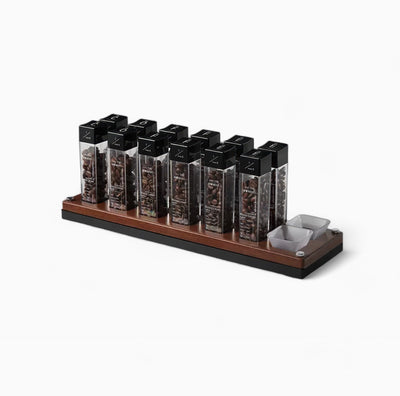
Coffee Bean Storage Tube Set with One-Way Valves
$41.90 $70.00
Preserve your Ethiopian coffee beans' peak freshness with this elegant wooden rack and 8 glass tubes featuring one-way degassing valves. Perfect for storing single origins and maintaining flavor.
Explore ProductThe Coffee Bean Storage Tube Set with One-Way Valves offers an elegant solution for serious enthusiasts. The one-way degassing valves allow CO2 to escape while preventing oxygen from entering, preserving those precious volatile aromatics that make Ethiopian coffee so special. By storing your Yirgacheffe or Guji beans in these specialized tubes, you extend their peak freshness window and ensure every cup delivers the full spectrum of flavors you invested in.
The Traditional Ethiopian Coffee Ceremony
No exploration of Ethiopian coffee would be complete without understanding the Jebena Buna—the traditional Ethiopian coffee ceremony. This ritual transforms coffee preparation into a spiritual and communal experience that can last for hours.
The ceremony involves roasting green coffee beans over charcoal, grinding them by hand with a mortar and pestle, and brewing in a clay pot called a jebena. The host serves the coffee in three rounds: Abol (first round), Tona (second round), and Baraka (third round), each progressively weaker but believed to carry increasing blessings.
While modern home baristas may not replicate the entire ceremony, incorporating elements of intentionality and mindfulness into your brewing routine honors this rich cultural heritage.
Essential Equipment for Ethiopian Coffee Brewing

Stainless Steel Gooseneck Kettle for Pour Over Coffee
$79.90
$150.00
Unlock the full flavor potential of Ethiopian coffee beans with this precision gooseneck kettle. The narrow spout delivers controlled pouring for optimal extraction of delicate tasting notes. Learn more ➔

E55Pro 55mm Titanium Burr Electric Coffee Grinder
$329.90
$400.00
Achieve consistent grind size for your Ethiopian coffee beans with this precision electric grinder featuring 55mm titanium-plated burrs and stepless adjustment for any brew method. Learn more ➔
Mastering Ethiopian coffee requires precision equipment. The Stainless Steel Gooseneck Kettle for Pour Over Coffee provides the water flow control necessary for extracting delicate floral notes without over-extraction. Pair this with the E55Pro 55mm Titanium Burr Electric Coffee Grinder to achieve the consistent grind size essential for highlighting Ethiopian coffee's complex acidity and sweetness. The titanium-plated burrs maintain sharpness longer, ensuring your heirloom variety beans are treated with the respect they deserve.
For more information on coffee fundamentals, visit the Specialty Coffee Association to explore industry standards and brewing protocols.
Conclusion: Experience Coffee's Origins
Ethiopian coffee beans offer more than just a morning caffeine fix—they provide a direct connection to coffee's ancient origins and some of the most complex flavor profiles available in the specialty market. From the jasmine-scented cups of Yirgacheffe to the berry-bomb naturals of Guji, these beans challenge and delight the palate in ways few other origins can match.
By understanding the regional differences, respecting the brewing process, and investing in proper storage and preparation equipment from Rethink Cafe, you unlock the full potential of these extraordinary beans. Whether you're new to single origin coffee or a seasoned home barista, Ethiopian coffee beans belong in your rotation. Explore our collection of coffee equipment and storage solutions to ensure every Ethiopian coffee you brew delivers the exceptional experience these legendary beans promise.
Frequently Asked Questions about Ethiopian Coffee Beans
Ethiopian coffee beans are special because they come from coffee's birthplace and feature thousands of heirloom varieties rather than commercial cultivars. The high altitude (1,500-2,200 meters), traditional garden cultivation methods, and unique processing techniques create beans with exceptional complexity, bright acidity, and distinctive floral or fruity notes that are impossible to replicate elsewhere.
Ethiopian Yirgacheffe coffee is renowned for its bright, clean profile featuring prominent floral aromatics like jasmine and lavender, complemented by citrus notes of lemon and bergamot. Washed Yirgacheffe coffees emphasize tea-like clarity and stone fruit sweetness, while naturally processed versions offer intensified berry flavors and wine-like complexity with a lighter, delicate body.
Pour over methods like V60, Chemex, or Kalita Wave best highlight Ethiopian coffee's delicate flavors. Use a medium-fine grind, water between 195°F-205°F, and a 1:16 coffee-to-water ratio. The slow, controlled pouring from a gooseneck kettle ensures even extraction of the complex aromatics. While pour over is preferred, Ethiopian beans can also work for espresso when roasted appropriately and ground finely.
Yes, Ethiopian coffee beans can produce excellent espresso, particularly when roasted medium to medium-dark. They create bright, fruity shots with floral aromatics that differ from traditional chocolate-nut espresso profiles. For best results, use beans specifically roasted for espresso, grind finely and consistently, and expect vibrant, complex shots with pronounced acidity that works beautifully in milk drinks or as straight shots.
The Ethiopian coffee ceremony (Jebena Buna) is a ritualized preparation involving roasting green coffee beans over charcoal, hand-grinding with a mortar and pestle, and brewing in a clay pot called a jebena. The ceremony involves three servings: Abol (first), Tona (second), and Baraka (third), each believed to carry increasing blessings. Incense burning and social gathering are integral components, transforming coffee preparation into a spiritual and communal experience lasting several hours.


