
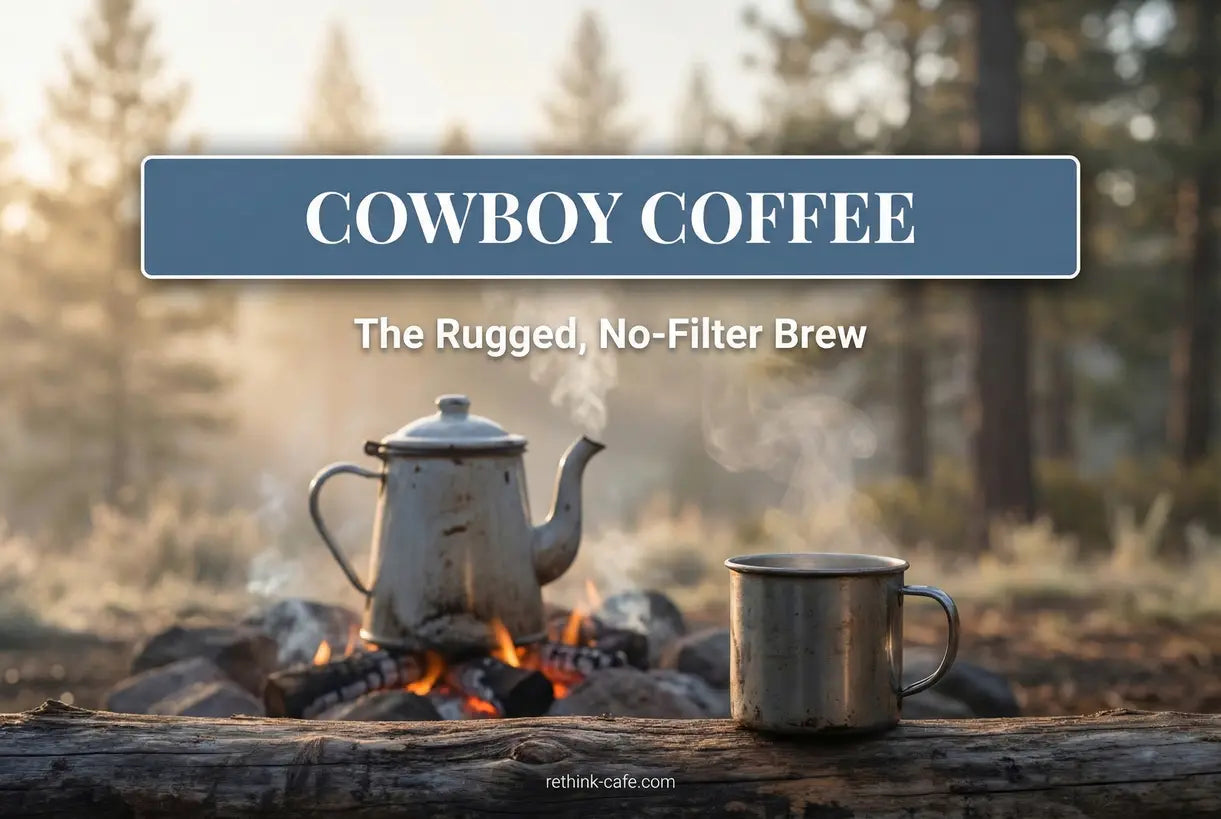
There's something primal about brewing coffee over an open flame. No electricity, no paper filters, no fancy machines—just you, a pot, and the great outdoors. This is the essence of cowboy coffee, a brewing method that's as rugged and straightforward as the name suggests.
Whether you're a camping enthusiast looking to elevate your morning ritual or a coffee lover curious about traditional brewing techniques, this guide will walk you through everything you need to know about making authentic cowboy coffee. By the end, you'll understand why this centuries-old method continues to captivate outdoor adventurers—and how the right preparation can make all the difference between a bitter mess and a surprisingly smooth cup.
What Is Cowboy Coffee?
Cowboy coffee is a traditional no-filter brewing method that dates back to the cattle drives of the American West. Cowboys needed a way to make coffee over campfires using minimal equipment, and this technique delivered exactly that. The method involves boiling coarse-ground coffee directly in water, then using a simple trick to settle the grounds before serving.
Unlike pour-over methods or espresso machines that rely on paper filters or pressurized systems, cowboy coffee embraces simplicity. The grounds are boiled directly in the pot, creating a full-bodied brew that captures oils and flavors often trapped by paper filters. It's the ultimate outdoor coffee brewing solution—portable, equipment-free, and deeply connected to the ritual of campfire cooking.
Why Is Cowboy Coffee Less Acidic?
One of the most surprising benefits of this rustic brewing method is its remarkably smooth taste profile. The cowboy coffee method naturally produces coffee that's less acidic than many other brewing techniques, and here's why:
The boiling process helps extract compounds differently than hot water pour-over methods. When coffee grounds are boiled, certain acidic compounds break down or don't extract as aggressively. Additionally, the extended contact time between water and grounds at a rolling boil actually helps neutralize some of the acids that typically give coffee its sharp bite.
The key is in the technique—specifically, adding a splash of cold water at the end of the brewing process. This rapid temperature change helps the coffee grounds sink to the bottom rather than remaining suspended in your cup, which also removes some of the acidic oils that would otherwise end up in your drink.
What Kind of Coffee Do You Use for Cowboy Coffee?
The beauty of cowboy style coffee is its flexibility, but selecting the right beans can elevate your experience from mediocre to memorable. Here's what to consider:
- Roast Level: Medium to dark roasts work best. They stand up to the boiling process and provide the bold flavor profile that complements the outdoor setting.
- Grind Size: Coarse grind is essential—think sea salt consistency. Fine grounds will result in sludge and over-extraction.
- Bean Freshness: Freshly roasted beans make a significant difference. Stale coffee will taste flat regardless of your brewing method.
For the best results, grind your beans fresh before your trip. The Mini Rui Compact Travel Coffee Grinder is purpose-built for this scenario, offering USB-rechargeable convenience that fits perfectly in your camping gear. Its compact design means you can enjoy freshly ground coffee even miles from the nearest electrical outlet.
How to Make Cowboy Coffee: Step-by-Step Guide
Mastering how to make cowboy coffee comes down to technique and timing. Follow these steps for a consistently delicious brew around the campfire:
- Heat Your Water: Fill your pot with water and bring it to a rolling boil over your campfire or camping stove.
- Add the Coffee: Remove the pot from heat and add your coarse-ground coffee. Use approximately 2 tablespoons per 8 ounces of water, adjusting to taste.
- Stir and Steep: Stir the grounds into the water, then let it sit for about 2 minutes.
- Stir Again: Give it another stir and let it steep for an additional 2 minutes—4 minutes total steeping time.
- The Secret Step: Sprinkle a small amount of cold water over the surface. This helps the grounds settle to the bottom.
- Serve Carefully: Pour slowly to keep the settled grounds in the pot.
How long do you boil cowboy coffee? The answer is nuanced. You bring the water to a boil before adding coffee, but you don't actually boil the coffee itself—that leads to over-extraction and bitterness. The total contact time should be around 4 minutes for optimal flavor extraction without unwanted bitterness.
For a visual demonstration of this process, watch the detailed tutorial below:

Tips for Perfect Campfire Coffee Every Time
Even with the basic technique down, a few pro tips can transform your camping coffee experience:
- Control Your Heat: If using a campfire, wait for flames to die down to hot coals—this provides more consistent heat than active flames.
- Invest in Quality Equipment: An enamelware pot is traditional for a reason—it distributes heat evenly and is virtually indestructible.
- Don't Skip the Cold Water: That final splash of cold water is crucial—it makes the difference between gritty coffee and a clean cup.
- Practice at Home First: Try the method on your stovetop before heading into the wilderness. It builds confidence and helps you dial in your preferred strength.
The foundation of great cowboy coffee starts with exceptional beans. For outdoor adventures, proper storage becomes critical to maintaining flavor. The Coffee Bean Storage Tubes with One Way CO2 Valve provide airtight protection that keeps your beans fresh from your kitchen to the campsite. These tubes release CO2 while preventing oxygen from entering—the perfect solution for preserving bean quality during multi-day trips.



Coffee Bean Storage Tubes with One Way CO2 Valve
$12.90 $22.00
Keep your beans fresh and flavorful with these airtight storage tubes featuring one-way CO2 valves.
Explore Product
The Complete Cowboy Coffee Setup
While cowboy coffee requires minimal equipment, serious enthusiasts know that the right accessories enhance both the process and the results. Beyond your enamel pot and heat source, consider these additions to your outdoor brewing kit:
Fresh grinding remains the single biggest improvement you can make to your campfire coffee routine. Pre-ground coffee loses aromatics rapidly, especially when exposed to outdoor air and temperature fluctuations. The Mini Rui Compact Travel Coffee Grinder solves this with its rechargeable design and ceramic burrs that produce consistent coarse grounds ideal for boiling methods.
For those who take their coffee seriously, bean storage becomes equally important. The Coffee Bean Storage Tube Set with One-Way Valves offers an elegant solution for organizing multiple roasts while maintaining optimal freshness. The one-way valve technology allows natural CO2 release without letting oxygen in, preserving the complex flavor compounds that make campfire coffee truly memorable.
Elevate Your Outdoor Coffee Experience

Mini Rui Compact Travel Coffee Grinder for Espresso
$116.90
$181.00
Grind fresh beans anywhere with this compact, USB-rechargeable travel grinder perfect for outdoor adventures. Learn more ➔

Coffee Bean Storage Tube Set with One-Way Valves
$41.90
$70.00
Display and preserve your favorite roasts in style with this elegant wooden bean storage rack set. Learn more ➔

For more information on coffee origins and bean selection, the National Geographic offers fascinating insights into coffee cultivation around the world. Understanding where your beans come from deepens appreciation for every cup, whether brewed in a high-tech espresso machine or over a rustic campfire.
Conclusion: Embrace the Ritual of Cowboy Coffee
Cowboy coffee represents more than just a caffeine delivery system—it's a connection to simpler times and a reminder that excellent coffee doesn't require expensive equipment or electricity. By mastering the technique of boiled coffee, understanding the importance of coarse grinds, and respecting the settling process, you can create remarkably smooth, full-bodied coffee anywhere there's a heat source.
The key to exceptional results lies in preparation. Fresh beans, properly stored and freshly ground, make the difference between mediocre campfire sludge and a genuinely enjoyable cup. At Rethink Cafe, we understand that coffee rituals extend far beyond the kitchen counter. Whether you're brewing on a mountaintop or perfecting your morning routine at home, the right tools and knowledge transform ordinary moments into extraordinary experiences.
Ready to elevate your outdoor brewing game? Explore our curated collection of travel-friendly grinders and specialized storage solutions designed for coffee enthusiasts who refuse to compromise on quality, no matter where their adventures lead.
Frequently Asked Questions about Cowboy Coffee
To make cowboy coffee, bring water to a boil in a pot, remove from heat, and add coarse-ground coffee (2 tablespoons per 8 oz water). Stir and let steep for 4 minutes total. Sprinkle cold water on top to help grounds settle, then pour slowly to keep grounds in the pot. The key is adding coffee to hot water rather than boiling the grounds directly.
Cowboy coffee is a traditional no-filter brewing method where coarse-ground coffee is steeped in hot water and settled using a cold water technique. Originating from cattle drives in the American West, it requires minimal equipment—just a pot, heat source, and coffee—making it ideal for camping and outdoor adventures.
Cowboy coffee is less acidic because the boiling process extracts compounds differently than pour-over methods, and certain acidic compounds break down or extract less aggressively. The cold water settling technique also removes acidic oils that would otherwise remain suspended in the final cup, resulting in a smoother, less bitter taste profile.
Use medium to dark roast coffee with a coarse grind (similar to sea salt) for cowboy coffee. These roasts stand up well to the boiling process and provide bold flavors. Always use fresh beans and grind them just before brewing for the best results. Avoid fine grinds, which create sludge and over-extraction.
You should bring the water to a boil before adding coffee, but never boil the coffee itself. After adding grounds to hot water, let it steep for approximately 4 minutes total (stirring at 2 minutes). Boiling the coffee grounds creates bitterness and over-extraction. The key is hot water contact time, not active boiling.


