When you think of Italian coffee beans, images of bustling Milanese cafés and perfectly pulled espresso shots immediately come to mind. Italy didn't invent coffee, but they perfected the dark art of roasting and blending it into something uniquely their own. For home baristas eager to recreate authentic café-quality espresso at home, understanding the secrets behind traditional Italian coffee is essential.
This guide explores everything from the distinctive roasting techniques to the carefully crafted espresso blends that define Italian coffee culture. Whether you're searching for the best Italian roast coffee at your local roaster or trying to understand why your supermarket beans don't taste quite like that shot you enjoyed in Rome, you'll find answers here. Along the way, we'll introduce tools from Rethink Cafe designed to help you extract every nuance from these remarkable beans.
What Makes Italian Coffee Beans Different?
The answer isn't as simple as geography. Italian espresso is defined by three interconnected factors: the beans themselves, the roasting philosophy, and the blend composition. Unlike single-origin coffees that highlight the terroir of one specific farm or region, traditional Italian coffee relies on Italian coffee blends that deliberately combine beans from multiple origins.
Most Italian roasters use a combination of Arabica and Robusta beans, with the blend ratio varying by region. Northern Italian blends typically feature 100% Arabica for a smoother, more aromatic cup, while southern blends might incorporate up to 30% Robusta for added crema and body. This blending philosophy isn't about cutting corners—it's about creating a consistent, balanced flavor profile that stands up beautifully to the intensity of espresso preparation.
The Signature Italian Roasting Process
Traditional Italian coffee follows a roasting philosophy that dates back over a century. When asking "How are Italian coffee beans traditionally roasted?", the answer centers on time, temperature, and patience. Italian roasters typically roast coffee beans to temperatures between 430°F and 450°F (220°C-232°C), pushing beans well into the second crack phase of development.

This extended roasting process accomplishes several critical goals:
- Caramelization intensifies — Natural sugars develop deeper, more complex flavor profiles
- Acidity decreases significantly — Creating the smooth, mellow character Italians prize
- Oils migrate to the surface — That characteristic sheen on dark roast coffee beans
- Body increases — Resulting in the velvety mouthfeel essential for authentic espresso
The Role of Arabica and Robusta in Italian Blends
The composition of your espresso beans dramatically affects the final cup. Understanding this helps home baristas select the right blend for their taste preferences:
| Bean Type | Typical % in Italian Blends | Characteristics |
|---|---|---|
| Arabica | 70-100% | Sweeter, more acidic, complex aromatics |
| Robusta | 0-30% | Higher caffeine, stronger crema, bitter notes |
When shopping for a quality Italian coffee blend, look for packaging that indicates the percentage composition. Premium brands like Illy and Kimbo proudly display their Arabica content, while traditional Neapolitan roasters often embrace slightly higher Robusta percentages.
Why Italian Coffee Is Roasted So Dark
If you've ever wondered "Why is Italian coffee roasted so dark?", the answer intertwines history, climate, and culture. Italy's climate isn't suitable for growing coffee, so all beans must be imported. This distance meant that historically, Italians developed roasting techniques specifically designed to ensure consistency and longevity.

The science behind this approach reveals why Italian espresso roast remains distinctive:
- Molecular transformation — Dark roasting develops melanoidins that create that characteristic bittersweet profile
- Stability — Darker roasts oxidize more slowly, maintaining flavor during shelf life
- Milk compatibility — The pronounced roast character cuts through milk in cappuccinos and lattes
- Extraction efficiency — Darker beans break down more readily under pressure, ideal for 9-bar espresso machines
Pro Tip: When purchasing Italian coffee beans, check the roast date rather than just the "best by" date. Even dark roasts taste best within 4-6 weeks of roasting.
Top Authentic Italian Coffee Brands
When researching "Which Italian coffee brands are most authentic?", these roasters represent the gold standard of traditional Italian coffee:
- Lavazza — Turin-based since 1895, their Super Crema and Qualità Oro remain benchmarks for consistency
- Illy — Trieste's premium exporter, famous for their distinctive pressurized tin packaging and 100% Arabica philosophy
- Kimbo — Naples' coffee giant, offering southern Italian intensity with characteristic full body
- Segafredo — Bologna's distribution powerhouse, balancing traditional methods with modern accessibility
- Mokaflor — Artisan Florentine roaster maintaining small-batch traditions
These brands maintain their authenticity through strict quality control and adherence to traditional blending percentages. For home baristas, purchasing whole beans rather than pre-ground is essential—these premium coffees deserve grinding fresh immediately before brewing.
Brewing the Perfect Italian Espresso at Home
Achieving café-quality results with Italian coffee beans requires more than quality coffee—it demands precision technique. The dark, oily nature of these roasts presents unique challenges. Oils can cause static cling during grinding, leading to uneven particle distribution and messy retention in your grinder. Similarly, the fineness required for espresso makes puck prep critical, as dark roasts extract more readily.
Understanding these characteristics helps you prepare your beans properly to achieve that thick, golden crema and complex flavor profile that defines Italian espresso culture.
The Static Challenge: Protecting Your Investment
Dark roasted Italian coffee beans, with their volatile oils and lighter density, are particularly prone to static electricity during grinding. This results in retention of precious grounds inside the grinder chute and inconsistent dosing. The solution is as simple as it is revolutionary: applying a micro-dose of moisture before grinding.

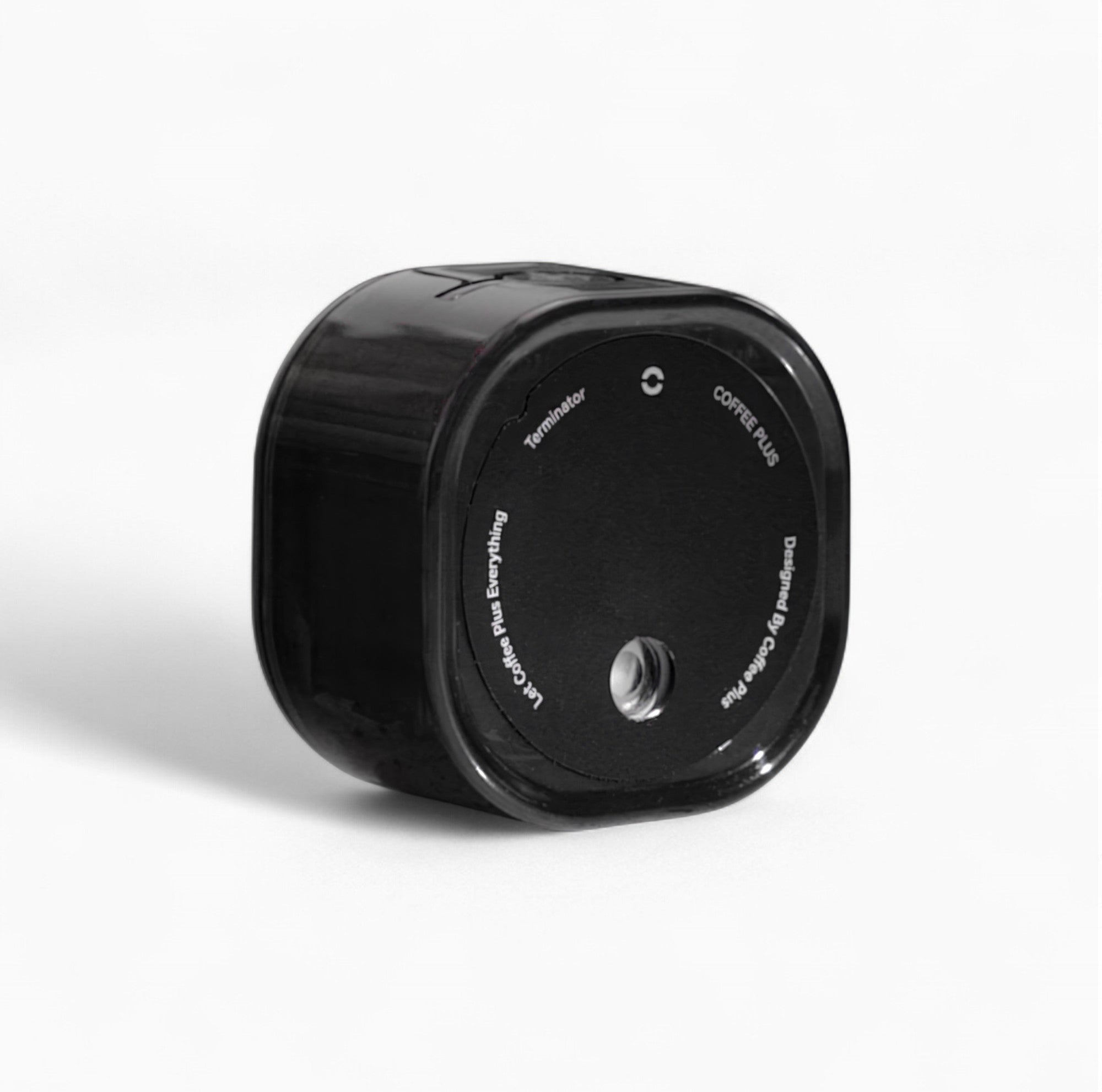
Electric Anti-Static Bean Sprayer for Espresso
$25.90 $87.00
Prevent static cling and preserve every gram of your precious Italian coffee beans with this precision electric sprayer before grinding.
Explore ProductThe Electric Anti-Static Bean Sprayer for Espresso solves this persistent challenge by evenly applying the precise amount of moisture needed to eliminate static. This preserves every gram of your coffee—a significant advantage when working with premium Italian imports—while ensuring consistent flow into your portafilter.
Essential Tools for Italian Espresso Preparation
Once you've addressed the static issue, focusing on puck preparation and extraction consistency becomes the priority. The RDT (Ross Droplet Technique) has become standard practice among discerning home baristas for a reason—it works. The technique involves briefly spraying coffee beans before grinding to completely eliminate static, mess-free.

Pairing proper bean prep with a comprehensive 58mm tool set enables you to achieve the espresso roasting profile's full potential. The legendary Italian crema—that rich, golden-brown foam topping authentic espresso—depends on precise extraction parameters. Temperature, pressure, and puck uniformity must align perfectly.
Complete Your Italian Espresso Setup

Anti-Static Coffee Grinder RDT Spray Bottle
$14.90
$24.00
Apply the Ross Droplet Technique to your Italian coffee beans for static-free grinding and perfect dose consistency every time. Learn more ➔

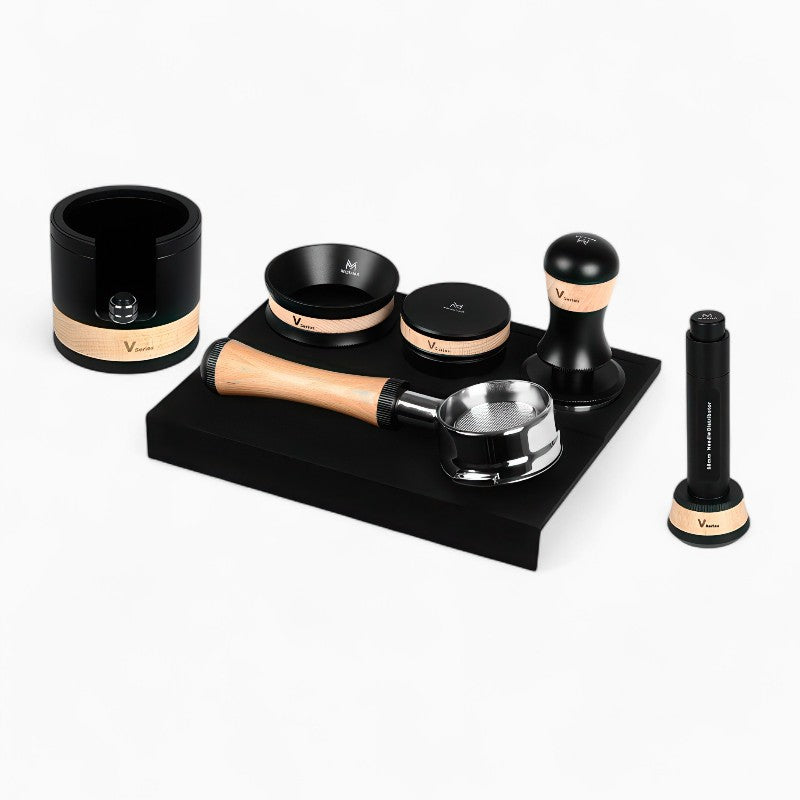
V-Series 58mm Espresso Barista Tool Set for E61
$145.90
$258.00
Dial in authentic Italian espresso shots with this complete 58mm barista tool set designed for café-quality results at home. Learn more ➔
The Anti-Static Coffee Grinder RDT Spray Bottle pairs perfectly with the V-Series 58mm Espresso Barista Tool Set for E61. These tools combine to address the complete workflow for home baristas working with Italian beans—from static-free grinding to perfectly distributed and tamped puck preparation.
The V-Series set specifically supports E61 group heads, the industry standard found on quality italian espresso roast machines. This ensures compatibility with equipment designed to extract maximum flavor from those dark, oily Italian coffee blends you discovered in this guide.
Final Thoughts on Mastering Italian Coffee Culture
Authentic Italian coffee represents more than a roast level—it's a complete philosophy demanding understanding of blending traditions, roasting techniques, and preparation precision. By appreciating how different Italian regions favor varying Arabica-Robusta ratios and why that signature darkness serves both flavor and practicality, you transform from coffee drinker to informed home barista.
The investment in premium Italian coffee beans deserves complementary tools that honor the roasting craft. Rethink Cafe's specialized equipment—from the Electric Anti-Static Bean Sprayer to precision tamping accessories—closes the gap between café quality and home brewing reality.
Ready to explore more coffee fundamentals? Understanding bean origins deepens your appreciation for every Italian blend you encounter.
Frequently Asked Questions About Italian Coffee Beans
Italian coffee beans are distinguished by their roasting philosophy, blend composition, and cultural preparation. Unlike single-origin coffees that highlight specific farm characteristics, Italian beans are typically blended from multiple origins (Arabica and Robusta) using traditional recipes. The roasting process extends into the second crack (430-450°F), creating a dark roast with reduced acidity, pronounced caramelization, and surface oils. This results in the smooth, bold profile ideal for espresso extraction and works exceptionally well with milk-based drinks.
Traditional Italian coffee roasting follows a slow, deliberate process using drum roasters heated by gas flames. Beans rotate in a heated cylinder for 12-20 minutes until reaching temperatures between 430-450°F (220-232°C), well into the second crack. Italian roasters prioritize uniformity over exotic flavor development, carefully controlling airflow to create consistent batches. The extended roast time caramelizes sugars deeply while preserving enough structure for proper espresso extraction. Northern Italian roasters (Milan, Turin) typically use 100% Arabica roasted to a "medium-dark" profile, while southern roasters (Naples) push temperatures higher with higher Robusta content.
The best Italian espresso blend for home brewing depends on your equipment and taste preferences. For super-automatic machines, look for medium-dark roasts labeled "espresso" or "Italian blend" from Lavazza Super Crema or Illy Medium Roast. These are formulated to perform well with consistent extraction. For semi-automatic pump machines with precise control, traditional Neapolitan-style blends (higher Robusta content) offer exceptional crema and body. The key is choosing whole beans roasted within 2-4 weeks and grinding fresh immediately before brewing. Brands like Kimbo, Mokaflor, and Pellini offer excellent options specifically designed for home extraction.
Italian coffee is roasted dark for historical, practical, and flavor reasons. Historically, Italy imported all its coffee, so dark roasting preserved beans longer during transport and storage. Practically, dark roasts extract more efficiently under pressure and cut through milk in cappuccinos and lattes. Flavor-wise, the extended roasting transforms natural sugars through Maillard reactions and caramelization, creating the characteristic bittersweet, low-acidity profile Italians prefer. The reduced acidity also makes espresso gentler on the stomach. This doesn't mean burnt—quality Italian roasting stops before carbonization, preserving complexity while developing body and sweetness that lighter roasts cannot achieve.
The most authentic Italian coffee brands include Lavazza (Turin, 1895), Illy (Trieste, 1933), Kimbo (Naples, 1963), Segafredo (Bologna, 1973), and Mokaflor (Florence). Authenticity is determined by Italian heritage, traditional roasting methods maintained across generations, adherence to original blend formulations, and domestic Italian market presence. Premium brands like Illy emphasize 100% Arabica and advanced packaging technology to preserve freshness. Lavazza dominates the Italian home market with consistent quality across price points. Kimbo represents authentic southern Italian espresso culture with fuller-bodied, more intense profiles. When purchasing in the USA, look for Italian-imported packaging with Italian language labeling and roast dates rather than just "best by" dates.