Brazil's name has been synonymous with coffee for nearly three centuries. When you pour a morning cup from your favorite local roaster, there's a significant chance those Brazilian coffee beans traveled thousands of miles to reach your mug. But what makes Brazil the undisputed heavyweight of global coffee production? And more importantly, what should home baristas expect when brewing these beans?
In this guide, we'll explore why Brazil produces nearly one-third of the world's coffee, what gives Brazilian beans their characteristic flavor profile, and how you can bring out the best in these beans using the right techniques and equipment. Whether you're an espresso enthusiast or a pour-over perfectionist, understanding Brazilian coffee will elevate your home brewing game.
Why Brazil Dominates Global Coffee Production
Walk into any specialty coffee shop across the United States, and Brazilian beans likely feature prominently on the menu. This isn't by accident. Brazil's coffee supremacy stems from a perfect storm of geography, climate, and infrastructure.
The country's vast territory sits ideally within the Coffee Bean Belt—the latitudinal zone between the Tropics of Cancer and Capricorn where coffee thrives. Minas Gerais, São Paulo, and Espírito Santo states offer high-altitude plateaus, volcanic soils, and consistent rainfall patterns that Arabica coffee craves. Unlike many coffee-growing regions limited by mountainous terrain, Brazil's relatively flat, mechanized farms allow for unprecedented scale.
Favorable climate patterns minimize frost damage, which devastates other coffee-producing nations. This stability enables Brazil to maintain consistent output year after year, accounting for approximately 35% of global coffee production. The infrastructure built over generations—from sophisticated processing facilities to extensive export networks—means Brazilian coffee reaches American consumers fresher and more affordably than beans from more remote origins.
What Makes Brazilian Coffee Beans Unique
Beyond sheer volume, Brazilian coffee production distinguishes itself through processing methods and agricultural practices. The country pioneered the pulped natural process, which removes the cherry's skin and minimal mucilage before drying the beans with their parchment intact. This technique bridges the gap between bright washed coffees and heavy naturals, creating that signature Brazilian profile.

Most Brazilian farms also utilize natural processing, where entire coffee cherries dry in the sun. This traditional method, combined with Brazil's reliably sunny harvest seasons, develops sweeter, fuller-bodied coffees with lower acidity. While high-acid coffees from Ethiopia or Kenya often dominate third-wave trends, Brazil's approach offers accessibility and consistency that home baristas appreciate.
The predominance of Brazilian arabica coffee varieties like Bourbon, Catuai, and the world-famous Yellow Bourbon contribute to the nation's flavor identity. These cultivars, adapted to Brazilian conditions over decades, produce beans prized for their balance and sweetness.
Growing Regions and Terroir
Understanding specialty coffee Brazil requires examining its diverse growing regions:
- Minas Gerais: Brazil's coffee heartland produces the majority of high-grade specialty beans. Sub-regions like Cerrado Mineiro and Sul de Minas offer distinct microclimates that yield beans with chocolatey sweetness and subtle fruit notes.
- São Paulo: The historic Mogiana region near the São Paulo-Minas border consistently produces excellent Arabica with rich body and low acidity.
- Espírito Santo: This coastal state produces both Arabica and Robusta, with higher-altitude lots offering surprising complexity and brighter acidity.
- Bahia: Brazil's newest specialty coffee frontier, with two harvests per year and emerging recognition for exceptional cup quality.
Each region imparts subtle variations to south american coffee beans from Brazil, giving curious drinkers plenty to explore beyond the stereotypical "Brazilian profile."
Flavor Profile: What to Expect
So what exactly do Brazil coffee beans taste like? While generalizations are risky given Brazil's diversity, certain characteristics appear consistently across Brazilian lots.

Expect a medium to full body that coats the palate pleasantly. Low acidity makes Brazilian coffee incredibly approachable—no sharp, citric brightness that might alienate casual drinkers. Instead, you'll discover dominant chocolate and nutty notes: think milk chocolate, hazelnut, peanut, and occasionally caramel or toffee sweetness.
Some Brazilian single origin lots reveal subtle stone fruit, brown sugar, or even subtle floral qualities, especially from higher-altitude farms with careful processing. These more nuanced beans reward precise brewing and often feature in competition-winning blends.
Best Brewing Methods for Brazilian Beans
Brazilian coffee's versatility extends to brewing applications. The low acidity and full body make these beans forgiving across methods, though certain approaches accentuate their strengths.
Espresso: Brazilian beans form the backbone of countless espresso blends worldwide. Their crema-producing oils, chocolate sweetness, and low acidity create balanced shots that shine in milk drinks. If you're wondering are Brazilian coffee beans good for espresso?—the answer is a resounding yes. Pure Brazilian espresso offers caramel sweetness with minimal harshness.
Pour Over: Methods like V60 or Chemex highlight the subtle nuances in high-quality Brazilian lots. The paper filtration emphasizes clarity while the extended brew time extracts full sweetness. A proper pour over reveals layered chocolate notes often masked in immersion brewing.
French Press: Immersion brewing amplifies body and mouthfeel, making it ideal for those who love the heavy, syrupy quality of natural-process Brazilian beans. The metal filter preserves oils that paper removes, enhancing richness.
Brewing Equipment for the Perfect Cup
To extract the full potential from your beans from Brazil, investing in quality equipment transforms the experience from acceptable to exceptional. Whether you're preparing a morning espresso or an afternoon pour over, the right tools make all the difference.
The pour over method deserves particular attention for showcasing Brazilian coffees. The combination of precision water control, proper filtration, and consistent technique reveals nuances that automated machines simply miss. When you invest in proper brewing equipment, those subtle caramel and hazelnut notes become vivid rather than subtle hints.

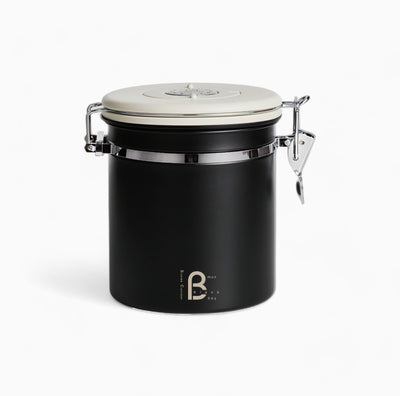
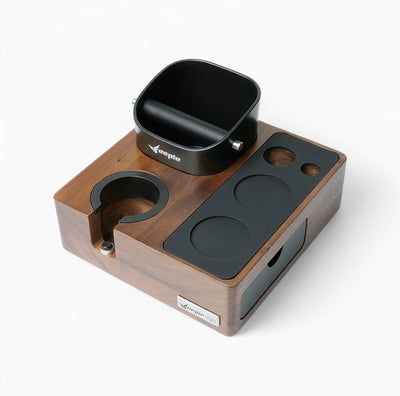
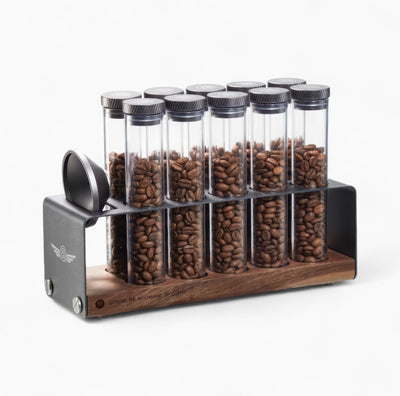
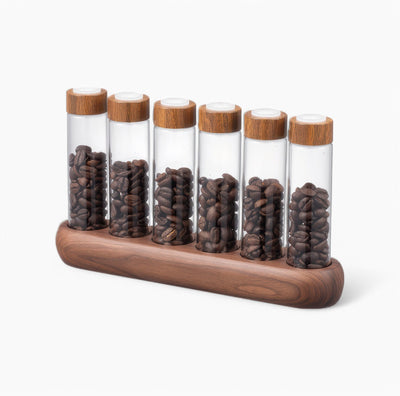
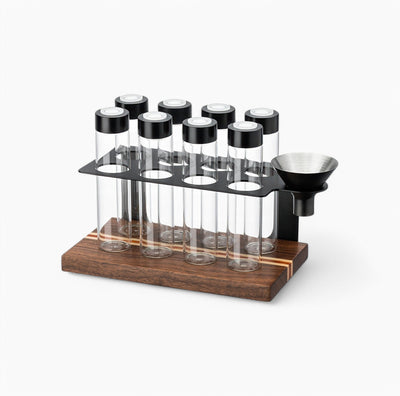

Walnut Wood Coffee Filter Paper Storage Rack
$24.99
Organize your pour over filters in style with this walnut storage rack - perfect for brewing Brazilian single origins with precision and elegance.
Explore ProductProper Storage for Freshness
A common question among home baristas is how should I store Brazilian coffee beans? While origin matters, storage principles apply universally. Keep your beans in an opaque, airtight container away from heat, light, and moisture. The Walnut Wood Coffee Filter Paper Storage Rack helps organize your brewing accessories while your beans rest in proper storage vessels.
Store whole beans rather than pre-ground coffee, grinding just before brewing to preserve volatile aromatics. Brazilian beans, particularly natural process lots, contain oils that can stale quickly if exposed to air. With proper storage, specialty-grade Brazilian coffee maintains peak flavor for 2-4 weeks post-roast.
Mastering Brazilian coffee extraction requires precision equipment that elevates your home setup into a professional-grade experience. The marriage of technique and tools separates mediocre cups from memorable ones.
Elevate Your Brazilian Coffee Brewing

Master the art of brewing Brazilian coffee with this precision gooseneck kettle, delivering controlled pours that unlock the beans full flavor potential. Learn more ➔

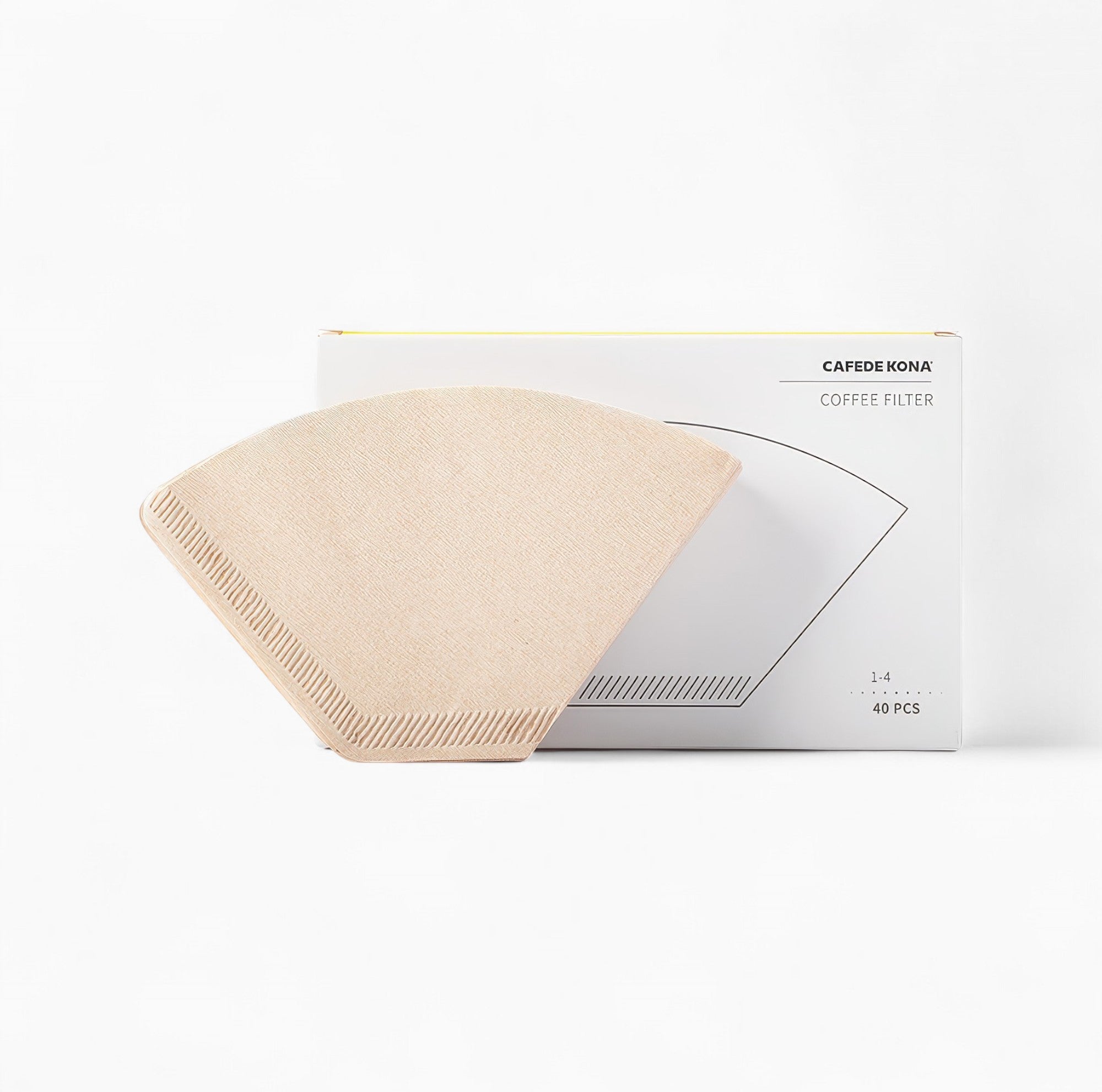
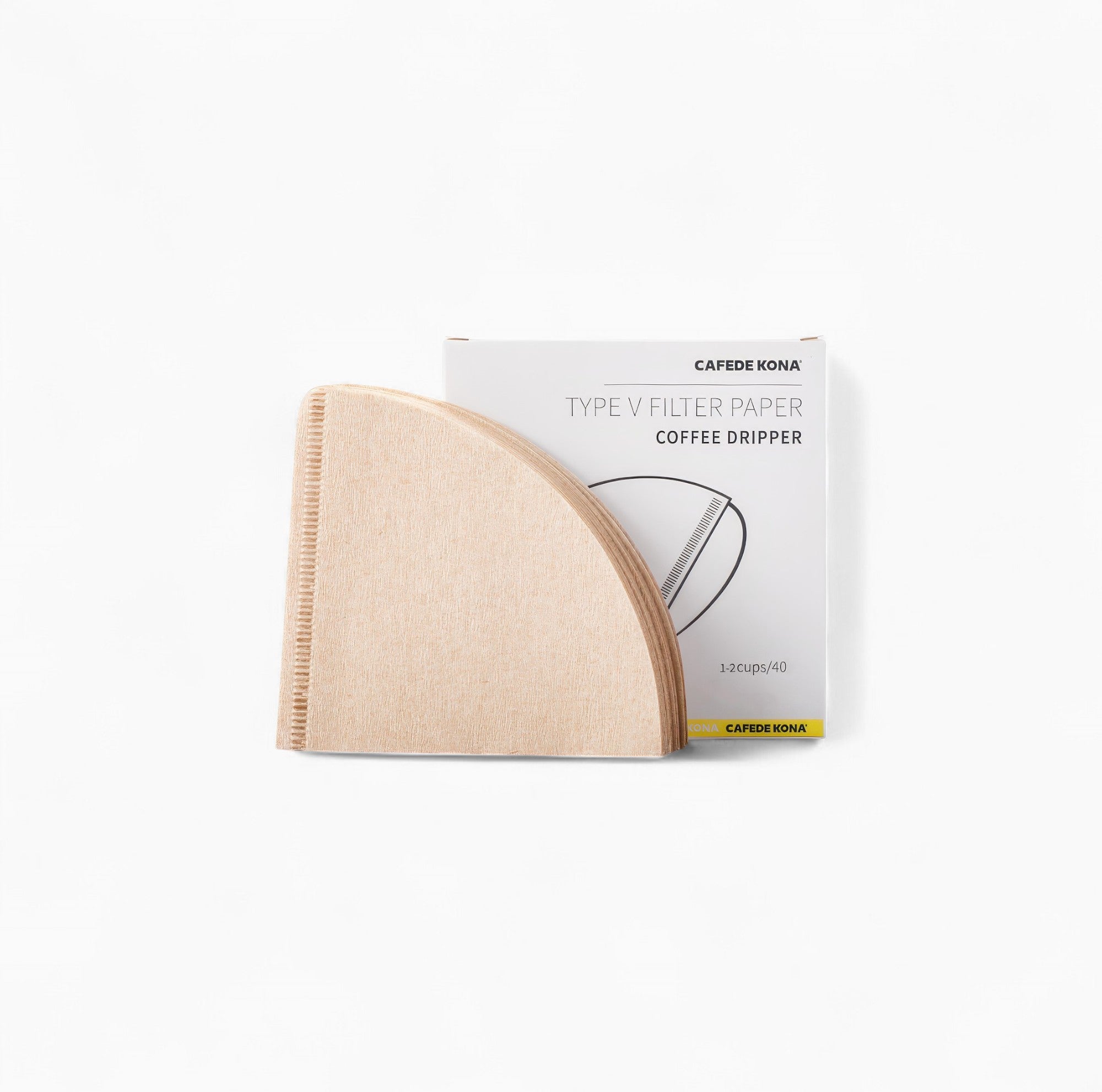
Experience clean Brazilian coffee extractions with these natural wood pulp filters that preserve origin notes without unwanted paper taste. Learn more ➔
The Stainless Steel Gooseneck Kettle for Pour Over Coffee provides the precise water flow control that Brazilian coffee demands. Its ergonomic design and temperature stability ensure you hit the optimal extraction window every time. Pairing this kettle with quality V60 Pour Over Coffee Filter Papers Chemical-Free removes unwanted paper taste while maintaining the clarity that highlights Brazilian chocolate and nut notes.
External resources like the Specialty Coffee Association provide detailed brewing standards that complement your equipment choices. Understanding the science behind extraction helps you maximize the potential of every Brazilian origin you encounter.
Conclusion: Why Brazilian Coffee Deserves Your Attention
Brazil's dominance in coffee production isn't merely about quantity. The nation's centuries of coffee cultivation, diverse microclimates, and innovative processing methods create beans that offer something for every palate—from espresso lovers seeking chocolatey richness to pour-over enthusiasts chasing subtle sweetness.
Understanding coffee origin Brazil helps you appreciate what's in your cup and make informed purchasing decisions. When you buy Brazilian coffee beans, you're engaging with a legacy that shaped global coffee culture.
At Rethink Cafe, we believe the right equipment transforms good beans into exceptional coffee experiences. Whether you're exploring brazilian single origin options or building your first home brewing setup, our curated selection of precision tools helps you extract every nuance these remarkable beans offer. Browse our collection today and discover why millions of coffee lovers start their day with Brazil in their cup.
Frequently Asked Questions about Brazilian Coffee Beans
Brazilian coffee beans stand out for their consistently low acidity, full body, and dominant chocolate and nutty flavor profiles. The country's prominence of natural and pulped natural processing methods creates sweeter, heavier-bodied coffees compared to washed coffees from other origins. Additionally, Brazil's scale allows for exceptional consistency and quality control that smaller producing nations struggle to match.
Brazil produces approximately 35% of the world's coffee due to ideal geography within the Coffee Bean Belt, favorable climate patterns with minimal frost risk, vast flatlands enabling mechanized farming, and centuries of infrastructure development. The country has invested heavily in processing facilities, export networks, and agricultural research that smaller producing nations cannot replicate. This combination of natural advantages and human investment sustains Brazil's position as the global coffee leader.
Brazilian coffee typically features a medium to full body with low acidity and prominent notes of chocolate, nuts, and caramel. Common flavor descriptors include milk chocolate, hazelnut, peanut, brown sugar, and toffee. Higher-quality specialty lots from regions like Minas Gerais may reveal subtle stone fruit or floral complexity. The overall profile is balanced and approachable, making Brazilian coffee accessible to casual drinkers while offering enough depth for enthusiasts.
Yes, Brazilian coffee beans excel in espresso preparation. Their low acidity prevents harsh, sour shots while their natural sweetness and heavy body produce rich crema and balanced flavors that shine through milk. Most Italian espresso blends feature significant Brazilian content for these exact reasons. Pure single-origin Brazilian espresso offers caramel sweetness and chocolate notes that work beautifully both straight and in cappuccinos or lattes.
Store Brazilian coffee beans in an opaque, airtight container away from heat, light, and moisture. Keep beans whole and grind just before brewing to preserve volatile aromatics. Avoid refrigeration, which introduces moisture and odor absorption. Stored properly in a cool, dark pantry, whole bean Brazilian coffee maintains peak flavor for 2-4 weeks post-roast. For best results, purchase quantities you'll consume within two weeks of opening.