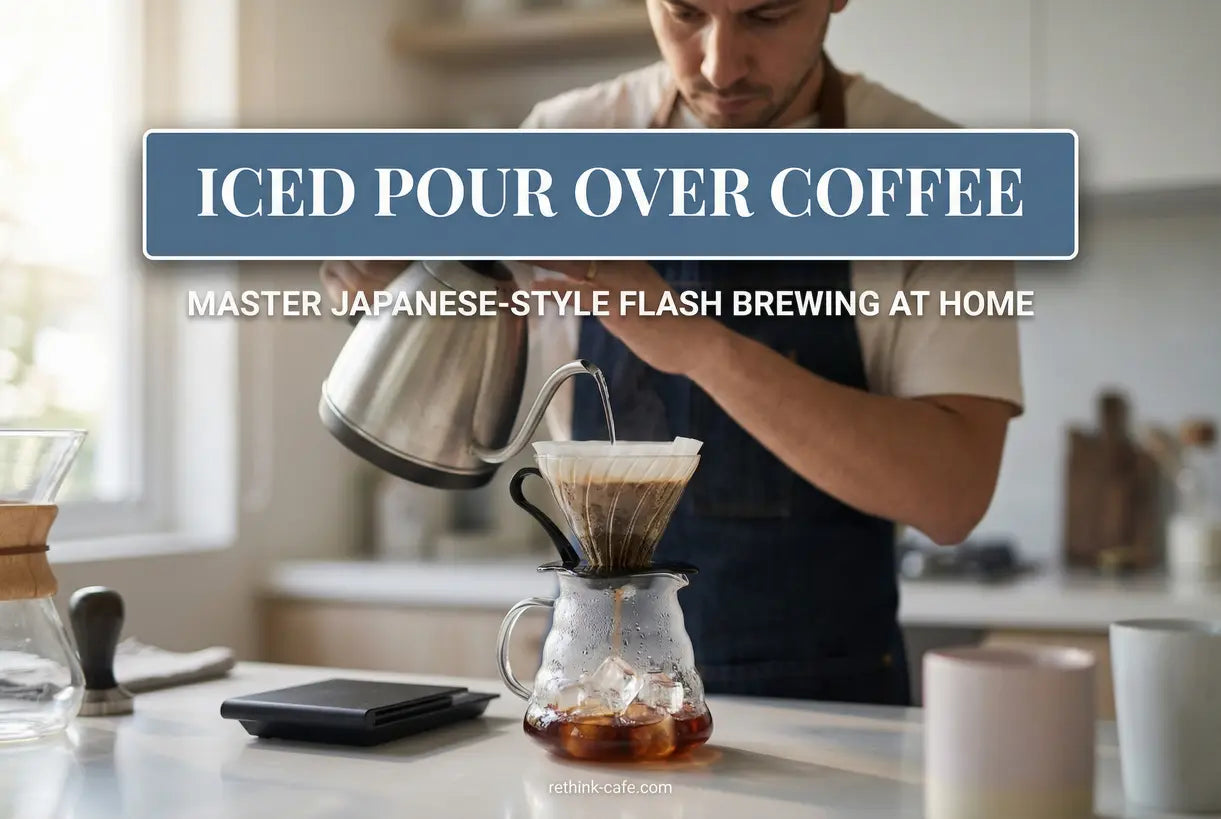
When hot weather hits, cold coffee cravings become undeniable. But here's the truth: most iced coffee falls flat. Either it's bitter and stale from sitting too long, or it's watered down beyond recognition. That's where Japanese-style flash brewing changes everything. An iced coffee pour over extracts the full aromatic complexity of hot brewing, then immediately locks it in with ice. The result? A crisp, vibrant cup that preserves everything you love about freshly brewed coffee while delivering refreshing chill.
This Japanese method—often called flash brew—has taken the specialty coffee world by storm. Unlike cold brew, which steeps for hours and mutes delicate flavors, this technique captures bright acidity and nuanced tasting notes that cold extraction simply cannot achieve. At Rethink Cafe, we believe mastering this brew is within every home barista's reach when you understand the method and use the right tools.
What Makes Japanese-Style Iced Coffee Different
The fundamental distinction between Japanese iced coffee and cold brew comes down to extraction method. Cold brew relies on time—typically 12 to 24 hours of room-temperature water slowly pulling compounds from ground coffee. This produces a smooth, low-acidity concentrate, but it sacrifices the volatile aromatic oils that make specialty coffee truly exceptional.
Japanese-style brewing takes the opposite approach. You brew hot—typically between 195°F and 205°F—directly onto a bed of ice. The hot water releases the full spectrum of soluble compounds, capturing floral notes, fruit-forward brightness, and delicate sweetness. That initial flash of heat meets immediate cooling, which halts extraction at the optimal moment while preserving aromatics that would otherwise evaporate.
The key advantage comes from this thermal shock: hot extraction followed by instant chilling preserves the coffee's complete flavor profile. You're not waiting hours for cold water to laboriously pull flavors. You're commanding the full power of heat then stopping it dead in its tracks.
The Science Behind the Perfect Flash Brew
Understanding why Japanese-style iced coffee tastes dramatically different requires looking at extraction chemistry. When hot water contacts coffee grounds, it dissolves acids, oils, sugars, and bitter compounds at different rates during the brew phase.
The first 30 seconds—the bloom phase—release CO2 and begin unlocking aromatic oils. These volatile compounds give coffee its distinct character: the jasmine and bergamot of Ethiopian beans, the chocolate and nuttiness of Brazilian coffees. Cold water simply doesn't have the energy to release these in the same way.
The rapid cooling in your brewing vessel halts oxidation and degradation. When coffee sits hot, even for minutes, it continues extracting and degrading. Immediate chilling locks in the profile exactly where you want it.
This is why specialty cafes charge premium prices for Japanese-style iced coffee. But with the right equipment and technique, you can achieve café-quality results at home that surpass anything in a bottle or from a cold brew tower.
Mastering the Iced Pour Over Ratio
The most common question home baristas ask: what is the ratio for iced coffee pour over? The classic Japanese method uses a 1:10:6 ratio—one part coffee grounds to ten parts hot water to six parts ice.
Let's break this down practically:
- For a single serving, start with 20g of ground coffee
- Use 200g (or 200ml) of water just off the boil
- Place 120g of ice in your serving vessel
This 1:16 combined ratio produces a cup strong enough to stand up to dilution as the ice melts, yet balanced enough to drink without added sweetener. You can adjust based on preference—slightly more ice for a lighter body, slightly less for more intensity—but this starting point has become the industry standard for flash brew excellence.
Some enthusiasts experiment with 1:15:10 or other variations, but the 1:10:6 provides the sweet spot between strength and drinkability. The key is ensuring your ice-to-water balance compensates appropriately for the hot water volume.
Essential Equipment for Precision Brewing
Achieving consistent Japanese-style iced coffee demands precise control over two variables: water flow and timing. A standard kettle can't provide the slow, steady stream necessary for even extraction. The water distribution pattern determines whether your grounds extract uniformly or channel, resulting in bitter or sour notes.

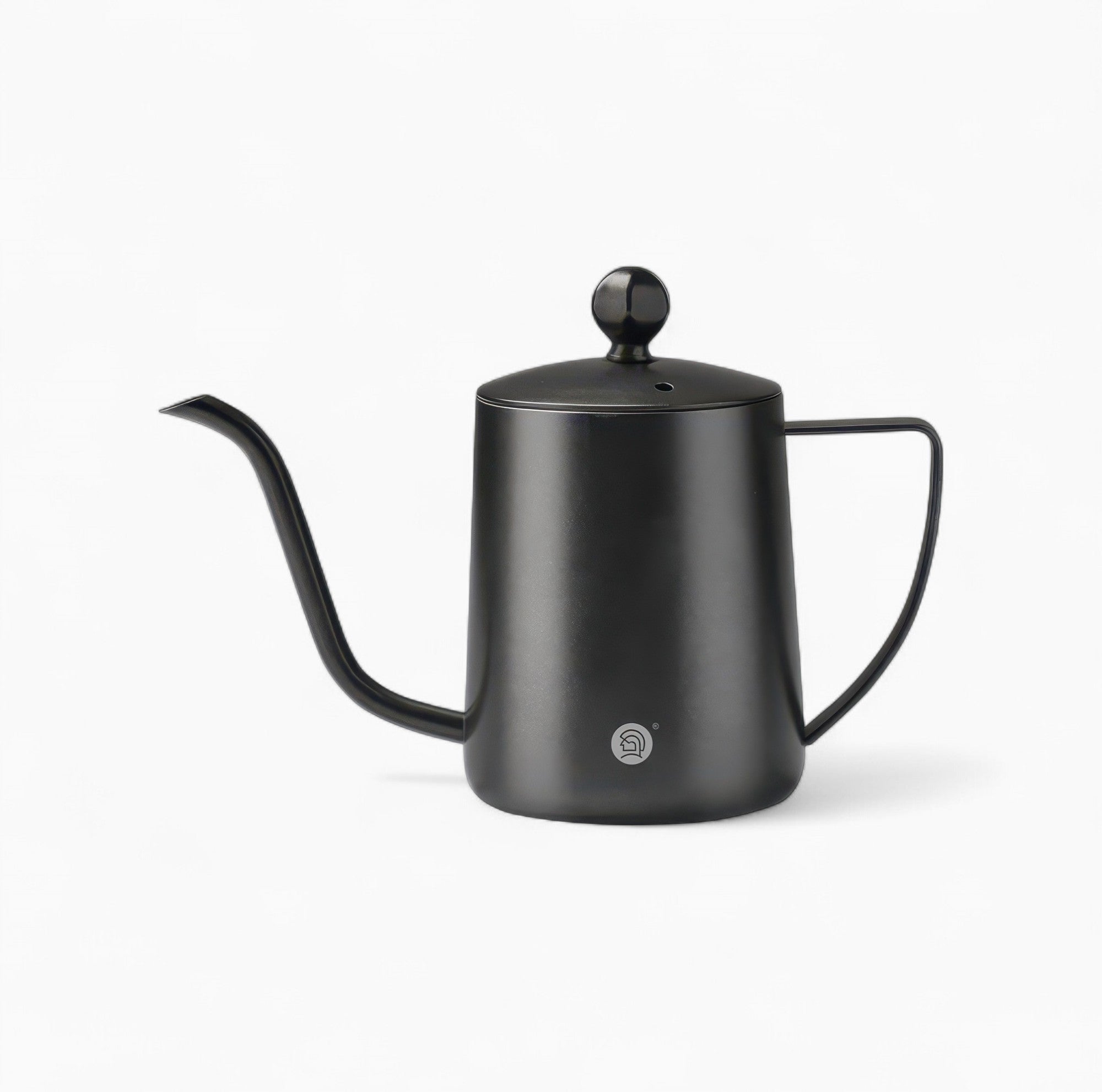
Gooseneck Pour Over Kettle 304 Stainless Steel 350ml
$47.90 $83.00
Achieve precise pouring with this gooseneck kettle featuring a patented 5mm spout for 90-degree vertical water flow, perfect for controlled iced pour over brewing.
Explore ProductThe Gooseneck Pour Over Kettle eliminates the variable of unruly water flow. Its engineered spout diameter creates a predictable, pencil-thin stream that you can manipulate with surgical precision. When brewing onto ice, this control becomes even more critical—you need to saturate grounds evenly while accounting for the different thermal dynamics of your setup.
Temperature stability matters throughout the pour. While you don't need a temperature-controlled kettle for flash brewing (boiling water cooled 30 seconds works perfectly), you do need a vessel that won't cool your water prematurely during the pour itself.
Step-by-Step Japanese Iced Coffee Method
Ready to brew? Follow this method for consistent, café-quality results every time:
Preparation
- Place 120g of ice in your carafe or serving vessel
- Set up your V60 or similar dripper with a rinsed filter above the ice
- Grind 20g of coffee to a medium-fine consistency, slightly finer than you'd use for hot pour over
- Heat water to 205°F (96°C), or bring to boil and rest 30 seconds
The Bloom Phase
Start your timer and pour 40g of water in a circular motion to saturate all grounds. This initial bloom should last 30-45 seconds. You'll see the coffee bed rise and bubble as CO2 releases. This step is crucial—proper blooming ensures even extraction throughout the brew.

The Pour
After the bloom, begin your main pour. Pour slowly in controlled concentric circles, avoiding the very edges of the filter where water can channel past the grounds. Your target is to pour the remaining 160g of water steadily over 1:30 to 2:00, finishing around 2:30 total brew time.
The water passes through, extracts, and immediately hits ice below. That thermal shock is what makes this method shine.
The Swirl and Serve
Once the brew completes, give your vessel a gentle swirl to ensure any unmelted ice distributes cooling evenly. Pour immediately over fresh ice in your drinking glass, or serve straight from the carafe if the temperature is perfect.

Tools That Elevate Your Flash Brew Game
Beyond the kettle, two pieces of equipment separate consistently excellent flash brew from hit-or-miss attempts: precision measurement and proper chilling.
Weighing your coffee and water is non-negotiable for repeatable results. Volume measurements vary wildly based on bean density and roast level. A dedicated coffee scale with 0.1g precision eliminates guesswork and ensures your 1:10:6 ratio remains consistent.
For the chilling component, standard ice cubes present a problem: they melt rapidly and dilute your carefully crafted brew. This is where specialized chilling tools become invaluable.
Premium Accessories for Flash Brew Excellence

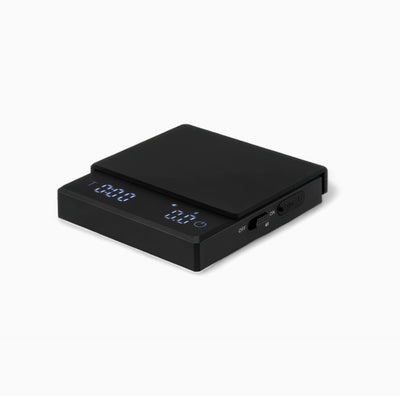
Black Warrior M2 Espresso Scale with Flow Detect
$57.90
$97.00
Dial in your perfect brew ratio with this 0.1g precision scale featuring flow detection and dedicated pour over mode for repeatable results every time. Learn more ➔

Stainless Steel Coffee Ice Ball Rapid Chiller Set
$47.90
$65.00
Chill your iced coffee quickly without dilution using these food-grade stainless steel ice balls that preserve aromatic compounds and flavor clarity. Learn more ➔
The Black Warrior M2 Espresso Scale features flow detection, which helps you maintain consistent pour rates during your bloom and main extraction phases. This consistency translates directly to cup quality.
When it's time to serve, the Stainless Steel Coffee Ice Ball Rapid Chiller Set provides rapid cooling without introducing additional water to your brew. Your 1:10:6 ratio calculations can remain precise, and the flavor you carefully extracted stays exactly as intended.

Quick Reference: Flash Brew at a Glance

Save this guide for your next brew session:
Coffee: 20g
Water: 200g at 205°F
Ice in carafe: 120g
Grind: Medium-fine
Bloom: 40g water, 30-45 seconds
Total brew time: 2:30
Target TDS: 1.35-1.45%
Troubleshooting Your Iced Pour Over
Even with perfect ratios, variables can throw off your brew. Here are common issues and solutions:
Sour, underdeveloped taste: Your grind is likely too coarse, or your water temperature dropped too low. Try finer grinding or fresher boiling water.
Bitter, hollow finish: You've likely over-extracted. Try a coarser grind, faster pour, or shorter total brew time.
Watery or weak body: Check your ice calculation. Melting ice contributes to total beverage volume—ensure you're using the correct 1:10:6 ratio.
Inconsistent results: Without precise measurement, you're guessing. A 0.1g scale eliminates this variable entirely.
Why Japanese Iced Coffee Belongs in Your Routine
Mastering the iced coffee pour over technique transforms summer coffee from a compromise into a revelation. The Japanese flash brew method delivers everything cold brew promises—smooth, refreshing, low-acid coffee—while preserving the aromatic complexity and origin characteristics that make specialty coffee worth pursuing.
With proper equipment and technique, your kitchen produces results that rival or exceed specialty café offerings. The investment in a quality kettle, scale, and fast-chilling setup pays dividends with every perfect cup.
At Rethink Cafe, we've curated the essential tools to elevate your flash brew from hobby to craft. Whether you're just beginning your iced coffee journey or refining an existing technique, the right equipment makes all the difference.
Frequently Asked Questions about Iced Pour Over Coffee
Absolutely. In fact, Japanese-style pour-over onto ice produces superior iced coffee compared to brewing hot and cooling. The flash brew method uses the same V60, Kalita Wave, or Chemex you'd use for hot coffee, but brews directly onto a bed of ice in your carafe. Hot water extracts the full aromatic spectrum from your grounds, and immediate chilling locks those volatile compounds into your final cup. Any manual dripper works excellently for this technique.
The standard Japanese-style iced coffee ratio is 1:10:6—one part coffee to ten parts hot water to six parts ice. For a single serving, this translates to 20g coffee, 200g water, and 120g ice. This creates a 1:16 total ratio when accounting for dilution, producing a beverage with proper strength and body. You can adjust slightly based on preference—more ice for lighter body, less for intensity—but the 1:10:6 provides the industry-standard baseline for flash brew excellence.
The 15-15-15 rule refers to grind size calibration for pour-over brewing: 15 clicks on a Comandante grinder (or equivalent medium-fine setting), a 15-gram dose, and 15 total pours of 15ml each. While this is more relevant to brewing technique than iced coffee specifically, the principle applies to iced pour over as well—consistent, measured pours produce even extraction. For Japanese-style flash brew, you might modify this slightly with a finer grind to compensate for shorter contact time.
The primary disadvantage of pour-over is the equipment and technique investment required. Unlike automatic drip machines, manual brewing demands attention to water temperature, pour control, timing, and grind consistency. For iced applications specifically, you need precise ratios accounting for ice dilution. However, these variables become advantages once mastered—you gain complete control over extraction rather than relying on machine presets. The few extra minutes of active brewing yield dramatically superior coffee worth the effort.
To make Japanese-style iced coffee at home, you'll need a V60 or similar pour-over dripper, a gooseneck kettle for controlled pouring, a scale for precision, and quality ice. Set up your dripper over a carafe containing 120g of ice. Use 20g of medium-fine ground coffee. Bloom with 40g water for 30-45 seconds, then pour the remaining 160g in slow circles over about 2 minutes. The hot brewed coffee immediately chills on contact with ice, preserving aromatics. Pour over fresh ice and enjoy immediately.