The ritual of manual brewing elevates morning coffee from mere routine to mindful practice. Among the most elegant brewing methods, the pour-over coffee cone stands out for its simplicity, control, and ability to extract clean, complex flavors. But with so many conical drippers on the market, choosing the right one for your brew style can feel overwhelming. This guide cuts through the confusion, comparing top conical coffee drippers across materials, sizes, and brewing characteristics to help you make an informed decision.
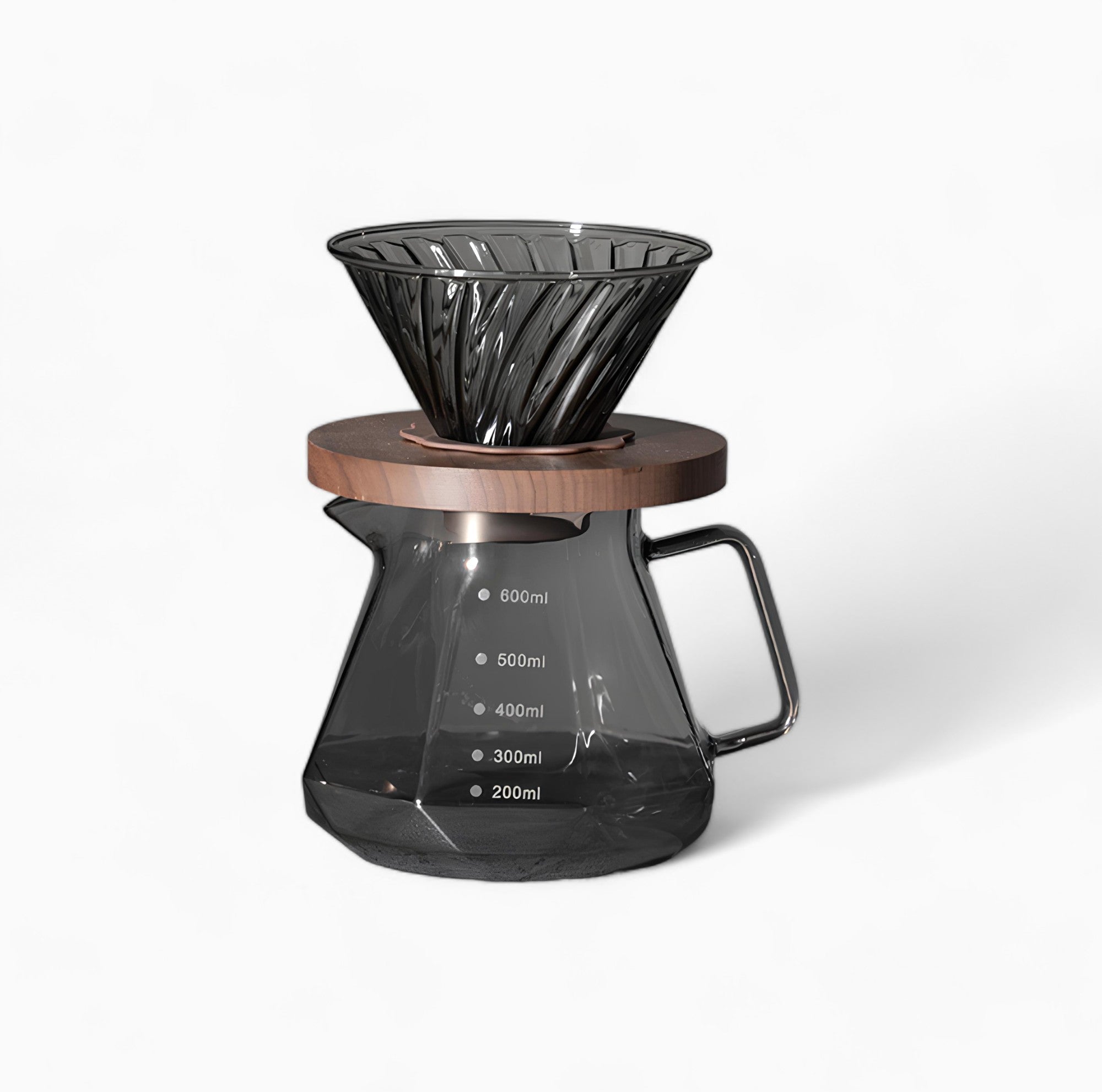
Whether you're drawn to the precision of the V60, the forgiving design of the Kalita Wave, or the classic appeal of the Melitta, understanding what makes each cone coffee dripper unique is essential. Beyond the dripper itself, accessories like the V60 Pour Over Set with Walnut Wood Brew Stand can transform your brewing experience from functional to extraordinary. Let's explore what separates good cones from great ones.
What Makes Conical Drippers Special?
The defining characteristic of any manual pour over cone is its 60-degree angle—the same geometry shared by most popular conical drippers. This design facilitates even water distribution and consistent extraction as water flows through the coffee bed toward a single exit point. Unlike flat-bottom drippers that distribute water across a wider surface, conical brewing creates a deeper coffee bed that can accentuate acidity and highlight subtle flavor notes.
The single large hole at the bottom of most V60 coffee drippers and similar cones gives you maximum control over flow rate. This means your pouring technique directly influences extraction time—a blessing for experienced brewers seeking precision, but a potential pitfall for beginners still mastering their pour. Understanding how to leverage this control is what separates casual home brewers from true pour-over artisans.
Another advantage of cone-shaped brewers is accessibility. Most pour over cones are affordable, portable, and require no electricity—making them perfect for travel, camping, or small kitchens. But the humble exterior belies a sophisticated brewing tool capable of producing cafe-quality results when paired with proper technique and quality equipment.
Watch: What Matters When Choosing a Pour-Over Cone
Before diving into specific models and materials, it's worth understanding the key factors that actually impact your brewing results. This video breaks down the five elements that make the biggest difference when selecting your ideal dripper:
Comparing Cone Shapes and Flow Characteristics
Not all cone drippers perform identically. Subtle differences in ribbing, hole size, and wall angle create distinctly different brewing experiences. The Hario V60 cone features spiral ribs that keep the filter paper separated from the walls, promoting airflow and faster drainage. This design rewards precise technique with exceptional clarity and brightness in the cup.
The Kalita Wave dripper takes a different approach. Though still technically a cone shape, it's truncated with a flat bottom containing three small holes. This design acts as a flow restrictor, making it more forgiving for beginners while producing a fuller-bodied cup with more uniform extraction.
Traditional Melitta-style cones fall somewhere in between. With minimal ribbing and medium-drainage holes, they offer a more controlled extraction that works well with standard grind sizes and straightforward pouring technique.

Material Matters: Ceramic vs Plastic vs Glass
When comparing ceramic pour over cones against plastic and glass alternatives, thermal properties become the primary consideration. Each material interacts with brewing temperature differently—affecting extraction consistency and ultimately, flavor.
Ceramic drippers excel at heat retention. Once preheated, they maintain stable temperature throughout the brew, preventing heat loss that can under-extract your coffee. They're also aesthetically pleasing and durable. However, their thermal mass requires thorough preheating with hot water before brewing to avoid pulling heat away from your slurry.
Plastic pour over cones are the practical choice for many home baristas. They're lightweight, virtually unbreakable, and affordable. Thermal properties actually favor plastic—it's an insulator that doesn't absorb heat from your brewing water. This means more consistent temperature extraction without preheating requirements. For beginners or anyone prioritizing function over form, plastic delivers excellent results.
Glass drippers like the glass V60 offer a middle ground. They allow you to watch your brew progress visually, which is both satisfying and practical for learning proper extraction. They require preheating like ceramic but are easier to clean and won't retain flavors. Many serious home brewers own both ceramic and glass versions for different applications.

V60 Pour Over Set with Walnut Wood Brew Stand
$21.90 $37.00
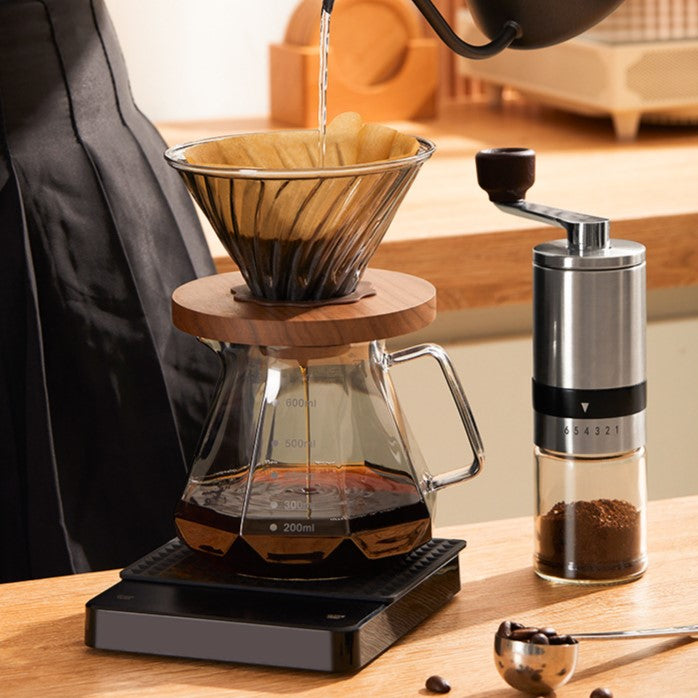
Elevate your manual brewing with this stunning V60 cone dripper set featuring a solid walnut wood stand and heat-resistant glass server for clean, flavorful extractions.
Explore ProductThis gorgeous walnut and glass setup solves the preheating challenge through intelligent design. The glass conical coffee dripper provides thermal stability without excessive heat absorption, while the elegant walnut stand elevates your brewing station into a centerpiece worthy of your countertop.

V60 vs Kalita vs Melitta: Which Conical Dripper Wins?
When comparing these three titans of the pour-over world, context matters more than declaring an absolute winner. Each serves different brewer personas and preferences.
The Hario V60: Precision and Brightness
The iconic V60 coffee dripper is the darling of third-wave coffee shops for good reason. Its large single hole and spiral ribbing demand skill but reward you with unmatched clarity. Light roasts shine here—floral and fruity notes pop with intensity you won't achieve through other methods.
The V60 suits coffee enthusiasts who view brewing as a craft worth mastering. You'll need a gooseneck kettle for controlled pouring, a consistent grinder, and patience to dial in your recipe. Get it right, and you'll taste your coffee's full potential. Get it wrong, and under-extraction or channeling become real risks.
The Kalita Wave: Forgiving Consistency
For those seeking manual pour over excellence without the learning curve, the Kalita Wave delivers. Its three small holes automatically regulate flow, making pour technique less critical. The result is a fuller-bodied cup that's harder to ruin—ideal for busy mornings or brewing before your first cup of coffee.
Many home baristas keep both a V60 and Kalita in rotation. Use the V60 when you have time to focus and want to explore single-origin beans. Reach for the Kalita when consistency matters or when brewing darker roasts that benefit from slower extraction.
Melitta: The Accessible Classic
Melitta represents the entry point for many coffee lovers. Available everywhere and compatible with widely accessible filters, it's the unpretentious choice that consistently produces good coffee. While it won't extract with the same precision as V60, it's a reliable starter that won't frustrate beginners.

What Size Pour Over Cone Should You Buy?
Size selection depends on your typical brewing volume and serving preferences. Pour over cones generally come in two primary sizes labeled "01" and "02" (Hario) or "155" and "185" (Kalita).
The smaller size (V60-01 or Wave-155) accommodates 10-12 ounces comfortably—perfect for single servings. Most home baristas starting their pour-over journey should begin here. It's economical, requires less coffee per batch, and produces the freshest cup possible.
The larger size (V60-02 or Wave-185) handles 16-20+ ounces, making it ideal for brewing multiple cups simultaneously or for households where coffee flows freely throughout the morning. Keep in mind that brewing smaller batches in larger drippers can lead to inconsistent extraction, so match your dripper size to your typical volume.
Some specialized cones like the collapsible pour over funnel styles exist for travel brewing, sacrificing some thermal stability for packability. These work best when space is truly limited rather than as primary home brewing solutions.
Pro Tip: When brewing for two people, consider using two separate small drippers rather than one large dripper. This ensures each cup receives optimal extraction time and prevents the last pour from being over-extracted while the first sits cooling.
Building Your Complete Pour-Over Setup
The dripper itself is just one component of the brewing equation. To achieve cafe-quality results at home, you'll need supporting equipment that matches your commitment to the craft.
A precision kettle with temperature control and gooseneck spout enables the controlled pouring that pour-over coffee cones demand. Standard kettles dump water too aggressively, creating channels in your coffee bed that lead to uneven extraction. The investment pays dividends across all manual brewing methods.
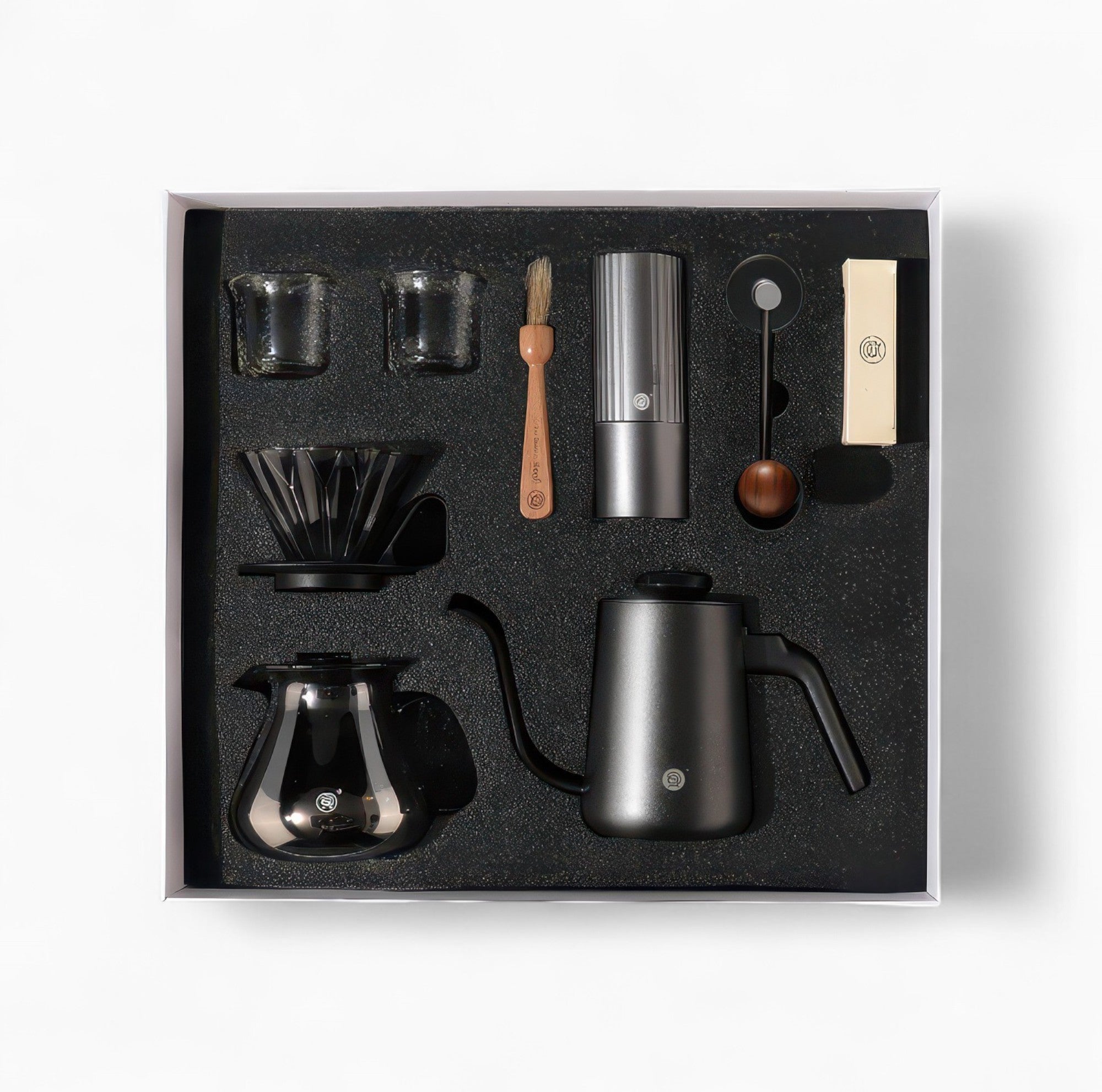
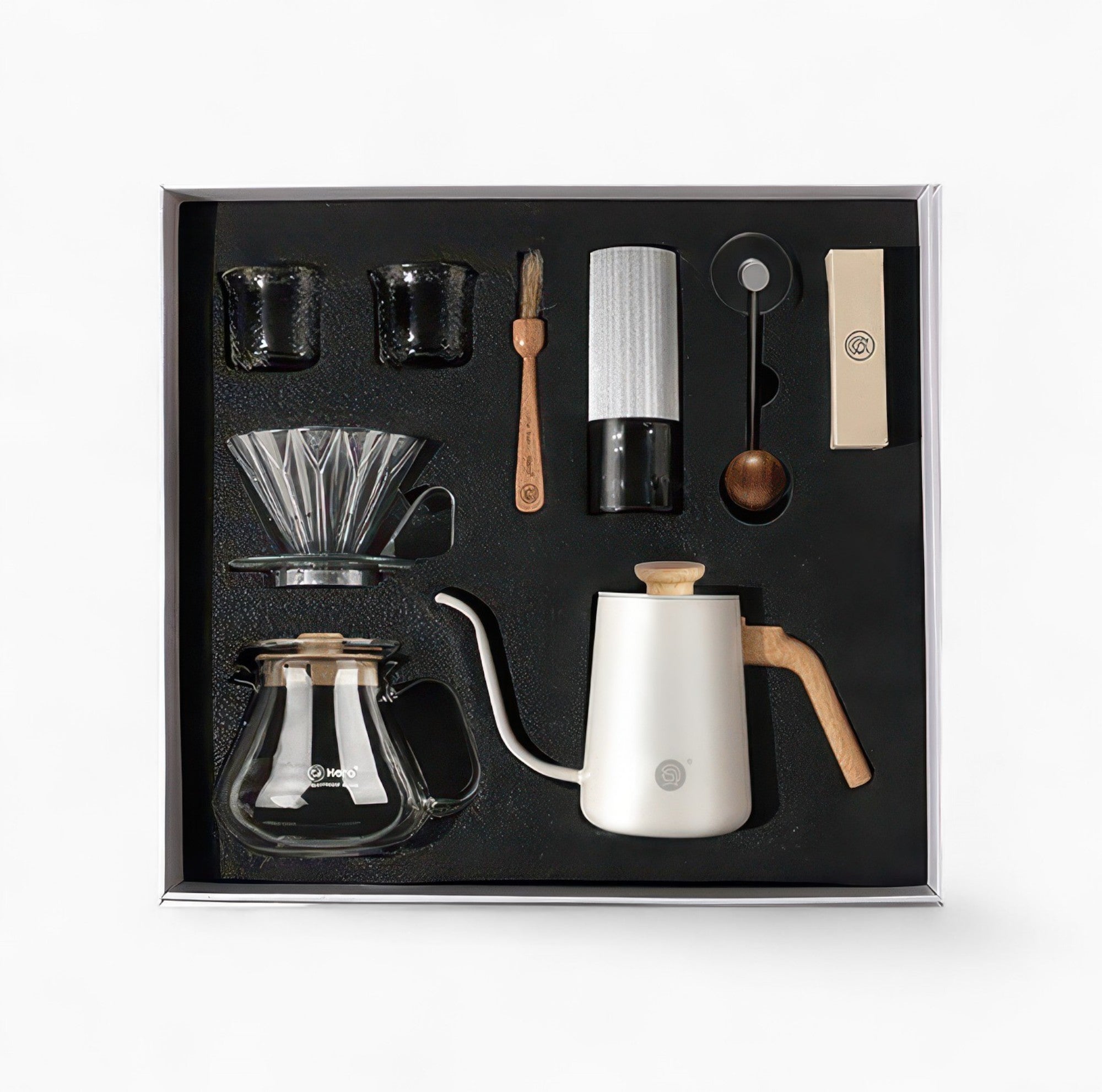
Grind quality matters enormously. Blade grinders produce inconsistent particle sizes that extract unevenly—some grounds over-extracted, others under-extracted. A burr grinder, whether electric or manual, produces uniform grounds that extract predictably. The Complete Pour Over Coffee Kit with Grinder and Kettle bundles these essentials together, eliminating guesswork for newcomers.
Complete Your Pour-Over Station

Complete Pour Over Coffee Kit with Grinder and Kettle
$235.90
$360.00
Start your pour-over journey with this all-in-one kit featuring a glass dripper, temperature-control kettle, and precision hand grinder for cafe-quality results at home. Learn more ➔

V60 Pour Over Coffee Filter Papers Chemical-Free
$12.90
$22.00
Complete your cone dripper setup with these natural wood pulp filter papers, ensuring clean extractions without unwanted paper taste or chemicals. Learn more ➔
Don't overlook filter papers. The V60 Pour Over Coffee Filter Papers Chemical-Free are specifically designed for optimal water flow and clean flavor. Cheap filters can impart paper taste or restrict flow, undermining even the most carefully executed brew. Natural, unbleached papers from reputable manufacturers eliminate these concerns while being environmentally responsible.
Best Conical Drippers for Different Skill Levels
For Absolute Beginners
If you're new to manual brewing, prioritize consistency over complexity. The Kalita Wave dripper offers the most forgiving experience with its regulated flow. Pair it with a simple pouring kettle and focus on nailing your coffee-to-water ratio before worrying about technique refinement.
For Developing Enthusiasts
Once you've mastered basic pour-over principles and want more control over extraction, graduate to the V60 coffee dripper. The larger hole demands focus but teaches you how pouring patterns affect flavor. This is where pour-over becomes genuinely engaging rather than merely functional.
For Precision Chasers
Advanced home baristas often collect multiple cone types and choose based on the specific coffee they're brewing that day. Light Ethiopian naturals might call for the V60's clarity, while chocolatey Brazilians shine through the Kalita's fuller body. Understanding your equipment's strengths transforms you from recipe-follower to coffee curator.

Why Choose Rethink Cafe for Your Pour-Over Journey?
At Rethink Cafe, we understand that equipment selection profoundly impacts your daily coffee experience. Our curated collection of pour over cones and accessories represents careful veteting for quality, durability, and brewing performance. We don't stock every dripper on the market—we stock the ones that deliver exceptional results.
Beyond individual products, our complete kits solve the matching problem. When you purchase a Complete Pour Over Coffee Kit with Grinder and Kettle, you're getting components designed to work together harmoniously. No compatibility questions, no missing pieces—just everything you need to start brewing exceptional coffee immediately.
Whether you're seeking the precision of a conical coffee dripper, the elegance of a walnut brew stand, or simply need quality V60 Pour Over Coffee Filter Papers, Rethink Cafe supports your brewing evolution from first pour to expert extraction. The perfect cup isn't just about the beans—it's about the tools that unlock their potential.
Frequently Asked Questions about Pour-Over Coffee Cones
The Kalita Wave dripper is widely considered the best pour-over coffee cone for beginners due to its forgiving design. With three small holes instead of one large opening, it automatically regulates flow rate and makes pour technique less critical. This means you'll produce more consistent cups while learning the fundamentals. The V60 is excellent for beginners who want to prioritize skill development, but expect a steeper learning curve with more potential for inconsistent results initially.
Proper pour-over technique involves several key steps: First, rinse your filter paper with hot water to remove paper taste and preheat your dripper. Use freshly ground coffee (medium-fine for V60, medium for Kalita) at a 1:16 coffee-to-water ratio. Start with a "bloom" pour—just enough water to saturate grounds—and wait 30-45 seconds. Then pour slowly in concentric circles, maintaining a steady flow rate. Total brew time should be 2.5-3.5 minutes depending on your dripper. A gooseneck kettle provides the control necessary for even saturation.
Neither is objectively better—they serve different purposes. The Hario V60 offers superior extraction potential with its spiral ribs and large single hole, producing cleaner, more complex cups that highlight origin characteristics. However, it demands precise technique. The Melitta provides more built-in flow restriction, making it easier to achieve consistent results without refined pouring skills. Choose the V60 if you view brewing as a craft worth mastering; choose Melitta if you want good coffee without technique requirements. Many enthusiasts eventually own both for different applications.
Most home brewers should start with the smaller size (V60-01 or Kalita Wave-155), which brews 10-12 ounces perfectly. This covers single servings and ensures optimal extraction even at smaller volumes. The larger size (V60-02 or Wave-185) handles 16-20+ ounces and suits households brewing for multiple people simultaneously. Brewing small batches in large drippers can cause inconsistent extraction, so match your dripper size to your typical volume. If you frequently brew for two, consider getting two small drippers rather than one large one.
The best material depends on your priorities. Ceramic offers excellent heat retention and aesthetics but requires thorough preheating. It's durable and won't retain flavors, making it ideal for serious home brewing. Plastic is the practical choice—it's unbreakable, lightweight, and actually provides superior thermal insulation without preheating. Many competition baristas prefer plastic for its consistency. Glass offers visual appeal and neutrality but can be fragile. For beginners, plastic often produces the most consistent results. For enthusiasts seeking a premium experience, ceramic or glass provides satisfaction beyond pure function.