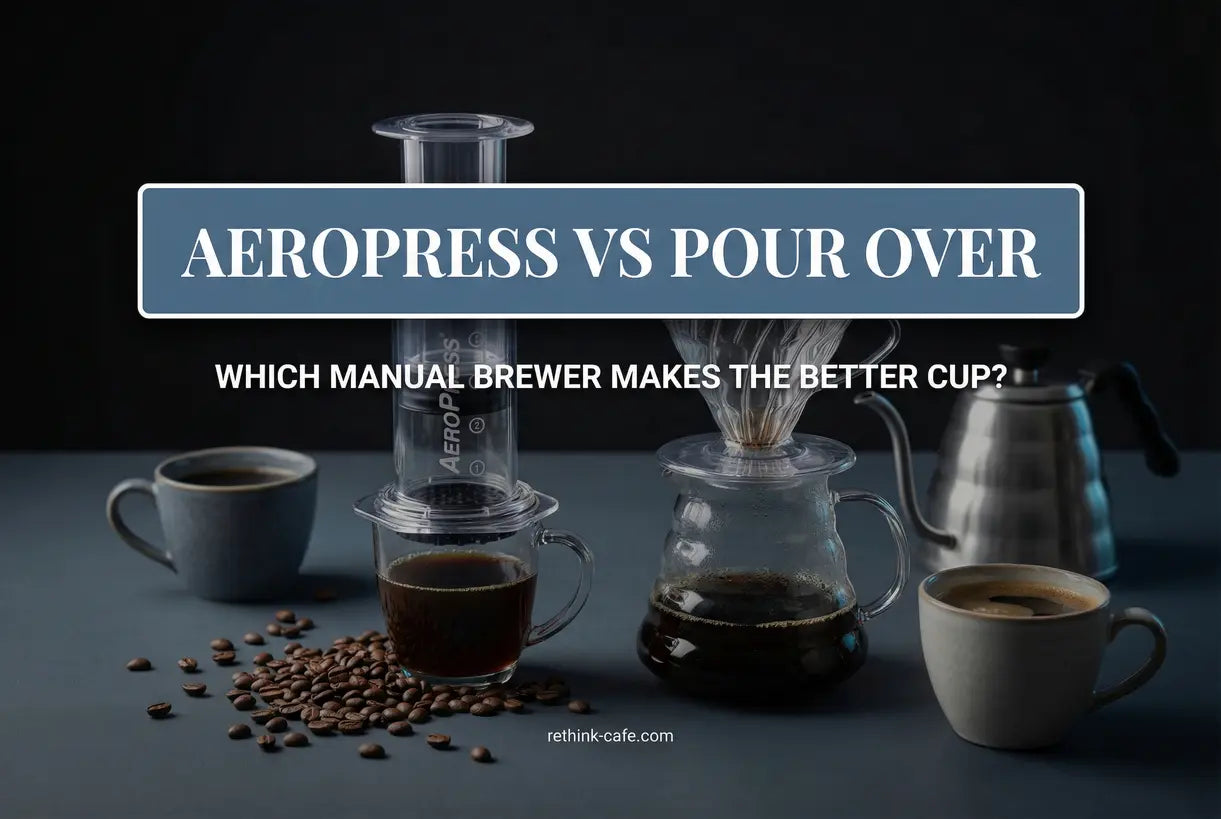
Choosing between aeropress vs pour over brewing methods can feel overwhelming when you're building your home coffee setup. Both have earned legendary status among manual coffee brewing enthusiasts, yet they deliver completely different experiences in your cup. Whether you're a newcomer exploring manual brewer options or a seasoned home barista looking to expand your brewing repertoire, understanding these two iconic methods is essential.
In this comprehensive comparison, we'll break down exactly what sets these manual brewing titans apart—from taste profiles and brewing versatility to ease of use and cleanup. By the end, you'll know which brewer aligns with your personal coffee preferences and lifestyle. And of course, we'll show you where to find the premium brewing equipment that will elevate your daily ritual.

What Makes the AeroPress Special?
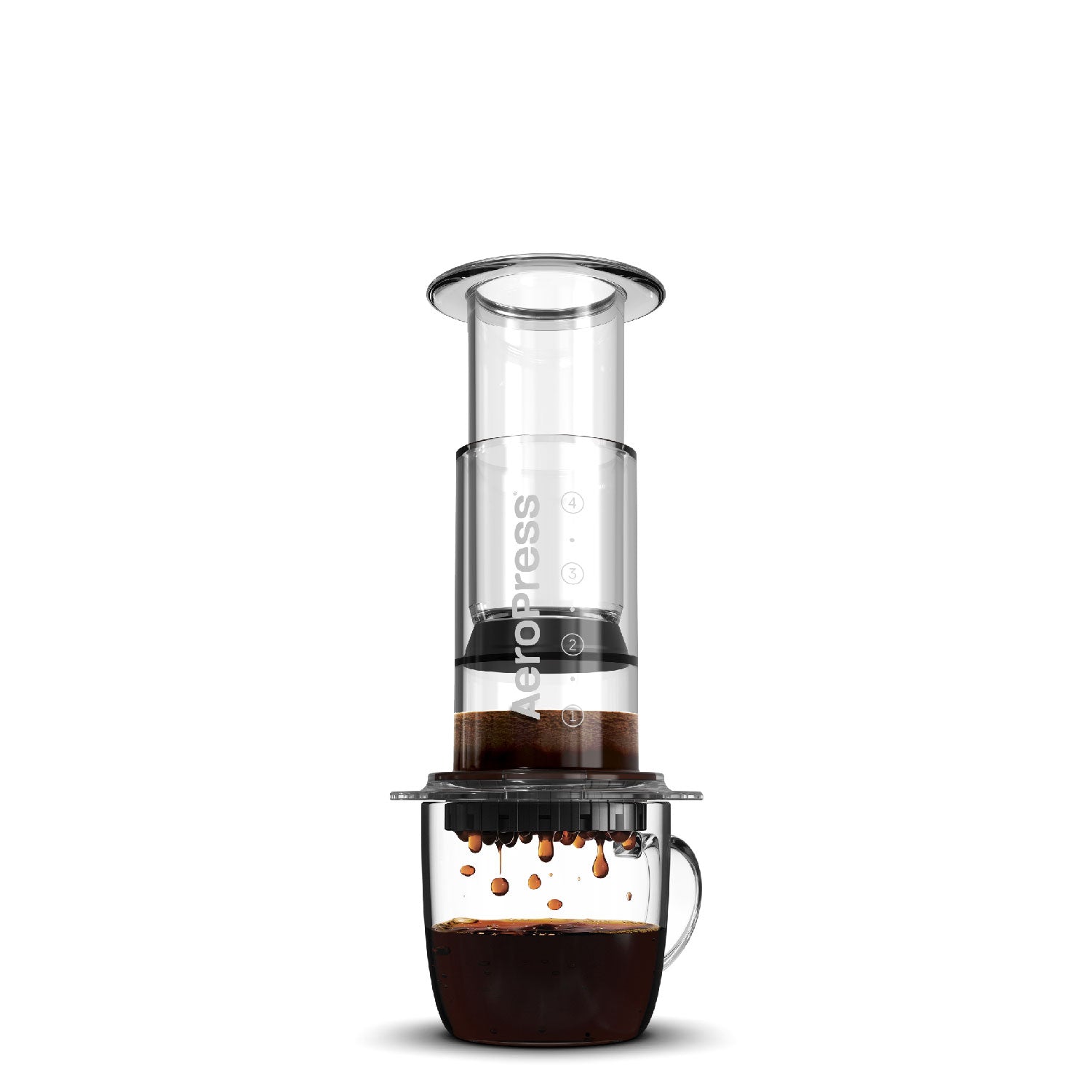
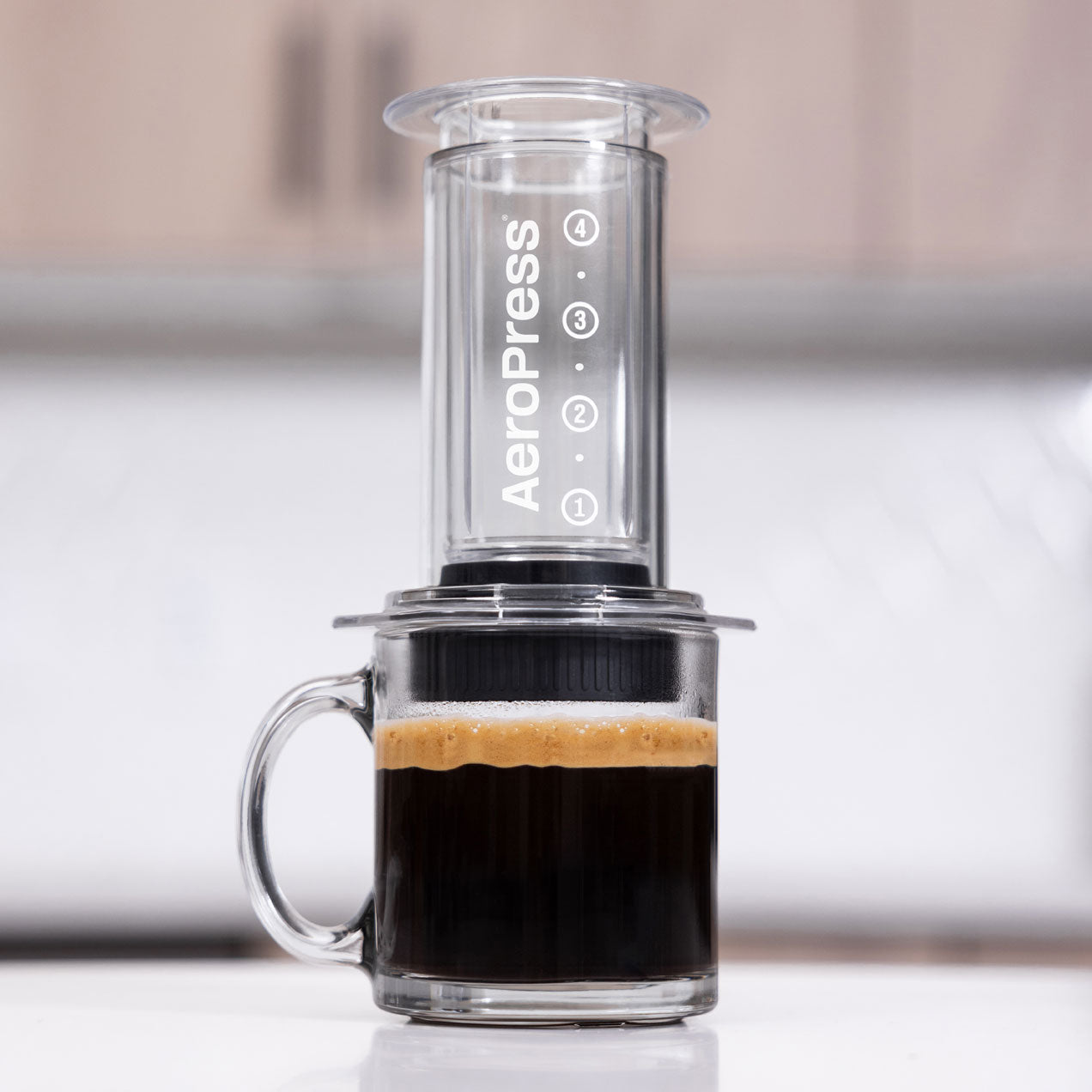
The AeroPress Clear Coffee Maker has earned a devoted following since its introduction, and for good reason. This ingeniously designed device combines immersion brewing with gentle pressure to extract maximum flavor in minimal time.
What truly sets the AeroPress apart is its hybrid approach. Unlike traditional immersion methods like French press, the AeroPress uses micro-filters that eliminate sediment while allowing essential oils to pass through. The result? A remarkably clean cup that maintains the body and richness typically associated with immersion brewing. You get the boldness of French press without the grit, achieved in under two minutes.
Another standout feature is the AeroPress's travel-friendly design. It packs down compactly, requires no electricity, and cleanup involves simply ejecting the coffee puck and rinsing. For home baristas who value portability—or simply want a brewer that won't dominate precious counter space—this is a significant advantage.
The Pour Over Experience
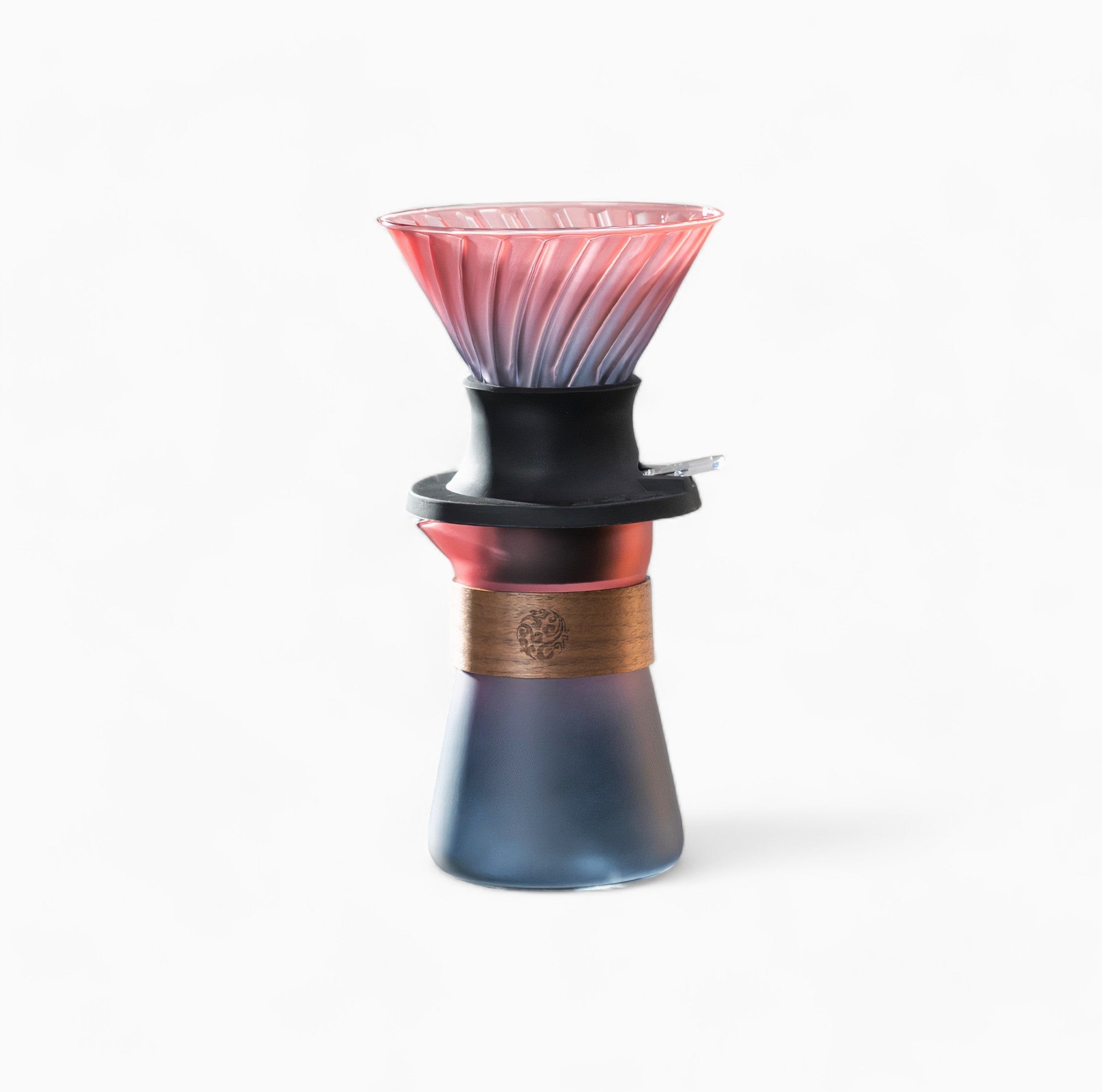
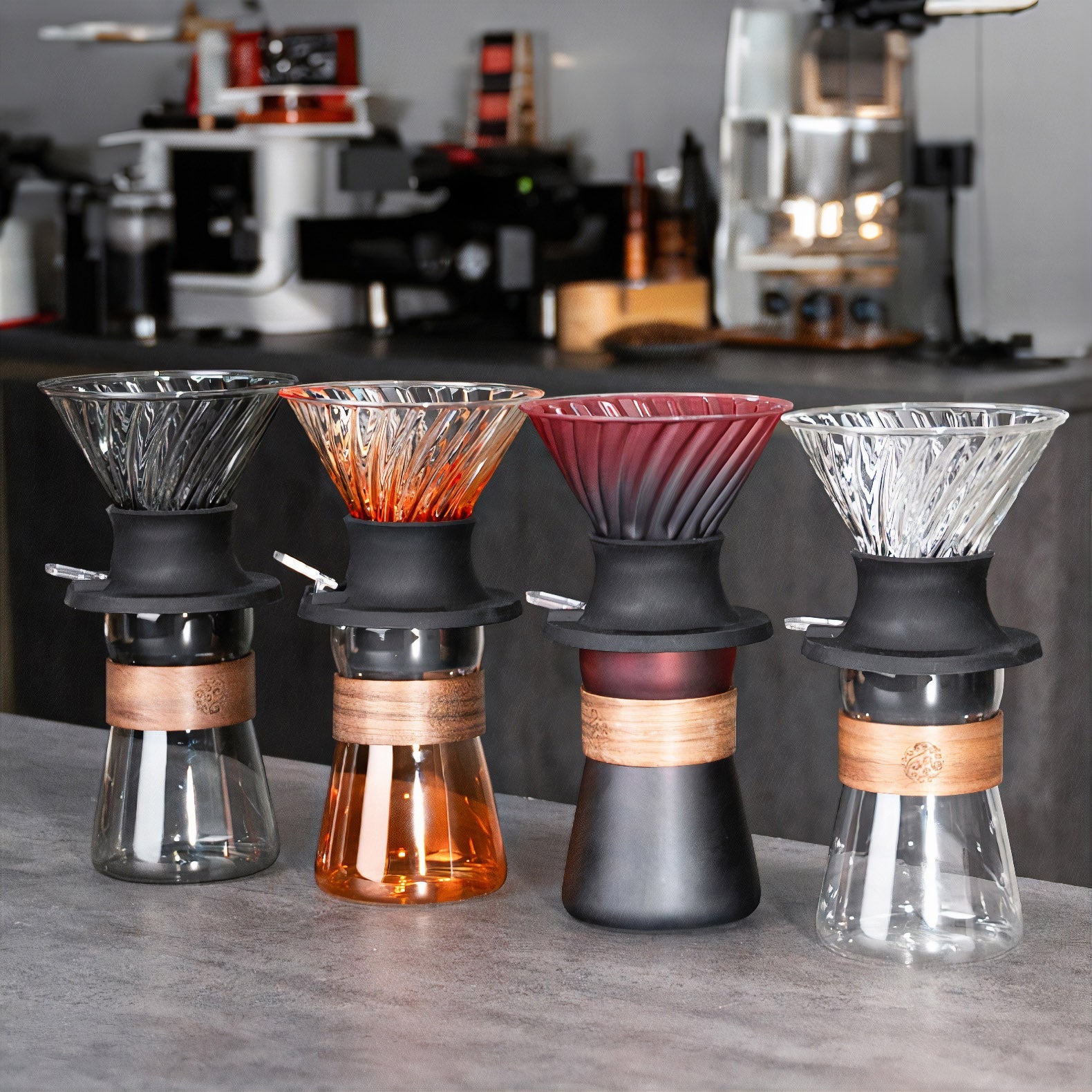
On the other side of the manual brewing spectrum sits pour over coffee, epitomized by the V60 Pour Over Coffee Set. This method represents the purest expression of filtered coffee brewing, allowing you total control over every variable in the extraction process.
Pour over brewing celebrates patience and precision. Hot water flows through a bed of coffee grounds in a controlled spiral motion, extracting nuanced flavors that reveal the unique character of your beans. The results are typically described as bright, clean, and tea-like, with exceptional clarity that lets delicate origin notes shine through.
The ritual itself becomes part of the appeal. Many enthusiasts describe pour over brewing as meditative—a few minutes of focused attention that yields not just exceptional coffee, but a moment of calm in a busy morning routine.
Taste Profile Showdown: Bold vs Bright
The flavor differences between aeropress coffee and pour over coffee represent perhaps the most significant deciding factor for most home baristas.
AeroPress taste profile: Expect a full-bodied, rich cup with moderate acidity. The pressure element creates slightly more extraction than gravity-fed pour over, resulting in a coffee that approaches espresso in concentration. You'll notice chocolate and nutty notes more prominently, with a rounded mouthfeel.
Pour over taste profile: This method produces a lighter-bodied, brighter cup with crisp acidity and exceptional clarity. Floral and fruity notes from light-roast single origins particularly shine here. If you enjoy drinking your coffee black and savoring subtle flavor distinctions, pour over may be your ideal match.
The real question isn't which tastes better objectively—it's which better suits your palate preferences and the coffee beans you love.

Grind Size and Consistency Requirements
Brew quality demands precise grind size, and both methods have specific requirements. The aeropress vs pour over grind size comparison matters because it affects extraction rate and flavor clarity.
AeroPress grind: Medium-fine consistency works best—not quite espresso fine, but finer than drip. This creates resistance during plunging while allowing proper extraction in the short brew time.
Pour over grind: Medium to medium-coarse, reminiscent of sea salt. Too fine and you'll over-extract, creating bitterness; too coarse and your brew will taste weak and underdeveloped.
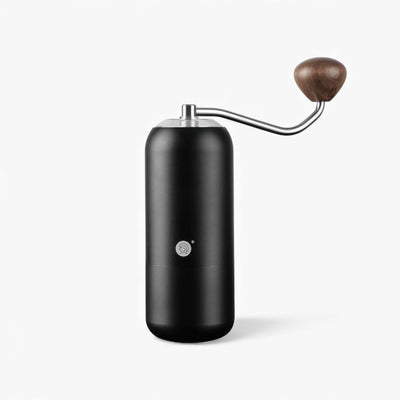
This is where investing in a quality grinder becomes non-negotiable. Both methods reward fresh grinding, and having adjustable grind settings lets you dial in the perfect consistency for each brewer.

Learning Curve and Ease of Use
For those asking which manual brew method is easier for beginners, the AeroPress holds a slight edge. Its forgiving nature means even imperfect techniques still produce drinkable coffee, and the included instructions get you brewing successfully on the very first try.
Pour over requires more practice to master. Water temperature, pour rate, bloom time, and spiral technique all influence results. However, this complexity also means greater reward—skilled pour over brewing can produce cups that rival high-end coffee shops.
Cleanup considerations favor the AeroPress again, with its simple eject-and-rinse process. Pour over involves rinsing filters, cleaning glassware, and managing multiple components.

AeroPress Clear Coffee Maker - 3-in-1 Brewer
$49.95
Experience the versatility of AeroPress brewing with crystal-clear Tritan construction. Perfect for rich, full-bodied coffee in under two minutes with easy cleanup.
Explore ProductVersatility and Brewing Options
Can you achieve pour over flavors with an AeroPress? Technically yes—by adjusting grind size, water temperature, and steep time, experienced brewers can coax lighter, more delicate cups from their AeroPress. However, the inherent pressure and immersion characteristics create fundamental limitations.
Conversely, pour over methods offer the purest translation of bean origin, but cannot replicate the body and concentration that pressure-based brewing provides. Each method occupies a distinct space in manual brewing, with the AeroPress excelling at bold, concentrated cups and pour over dominating bright, nuanced extractions.
Many serious home baristas ultimately own both, using the AeroPress for quick, rich morning coffee and pour over for leisurely weekend brewing when they want to explore specific beans' characteristics.

Which Brewer Should You Choose?
The aeropress vs pour over decision ultimately comes down to your priorities:
- Choose AeroPress if: You want quick brewing with easy cleanup, prefer fuller-bodied coffee, travel frequently, or value forgiveness as you learn.
- Choose Pour Over if: You enjoy bright, nuanced flavors, love the ritual of brewing, want to explore single-origin characteristics, or have time for a more involved process.
Pro tip: The best brewing method is the one you'll actually use consistently. There's no benefit to owning perfect equipment that stays in the cabinet because the process feels too complex for busy mornings.
Regardless of which path you choose, both methods demand quality equipment to deliver their best results. The AeroPress Clear Coffee Maker offers the iconic design with durable Tritan construction, while a complete V60 set provides everything needed for pour over excellence. Don't forget the importance of a capable grinder—the Portable Electric Coffee Grinder handles both methods with adjustable settings and USB rechargeability.
Essential Manual Brewing Equipment

V60 Pour Over Coffee Set with Glass Dripper
$57.90
$97.00
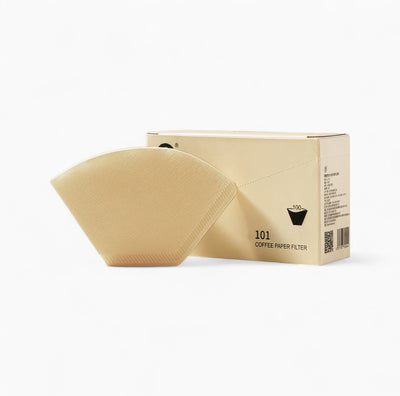
Complete pour over kit with borosilicate glass dripper and server for clean, bright cups with total brewing control. Includes 100 filters to start brewing immediately. Learn more ➔

Portable Electric Coffee Grinder Rechargeable USB
$265.90
$660.00
Grind fresh for any brewing method with this portable electric grinder featuring adjustable settings for both AeroPress and pour over. USB rechargeable for home or travel. Learn more ➔
Conclusion: Your Perfect Cup Awaits
Both the aeropress coffee and pour over coffee methods represent pinnacles of manual brewing excellence—they simply appeal to different preferences and lifestyles. The AeroPress delivers bold, rich cups with remarkable convenience, while pour over rewards patience with bright, nuanced flavors that showcase bean origins beautifully.
At Rethink Cafe, we believe every home barista deserves equipment that transforms their morning ritual into something exceptional. That's why we've curated the finest pour over equipment, precision grinders, and specialty brewing tools to help you discover your perfect cup. Whether you choose the immersive efficiency of AeroPress or the meditative precision of pour over, your journey to exceptional home-brewed coffee starts with quality equipment matched to your brewing style.
Frequently Asked Questions about Aeropress vs Pour Over Brewing
The AeroPress is special because it combines immersion brewing with gentle pressure, creating a unique hybrid method that produces full-bodied, rich coffee in under two minutes. Its micro-filters eliminate sediment while preserving essential oils, and its travel-friendly design with easy cleanup makes it perfect for home and on-the-go brewing.
Reddit discussions on pour over vs AeroPress reflect personal preference rather than objective superiority. Pour over typically wins praise for bright, nuanced flavors and the meditative brewing ritual, while AeroPress fans appreciate its convenience, forgiving nature, and bold, full-bodied results. The "better" choice depends on your taste preferences and lifestyle.
Yes, you can achieve a thin layer of crema-like foam with the AeroPress, especially when using fine grind settings, extended steep times, and the inverted method. However, it won't match the thick, persistent crema of true espresso, as the AeroPress generates approximately 0.35-0.75 bars of pressure compared to the 9 bars required for traditional espresso extraction.
While you can modify AeroPress brewing to produce lighter, more delicate cups—using coarser grinds, longer steep times, lower temperatures, and bypassing water—the fundamental physics differ. The pressure element in AeroPress will always create more extraction than gravity-fed pour over, making an exact flavor match impossible. However, skilled brewers can approach pour over's brightness and clarity using techniques like the "bypass method."
The AeroPress is generally easier for beginners. Its forgiving design produces good results even with imperfect technique, cleanup is exceptionally simple, and the quick brew time makes experimentation less frustrating. Pour over requires mastering multiple variables simultaneously—pour rate, water temperature, bloom technique, and grind dialing—which demands more practice to achieve consistently excellent results.