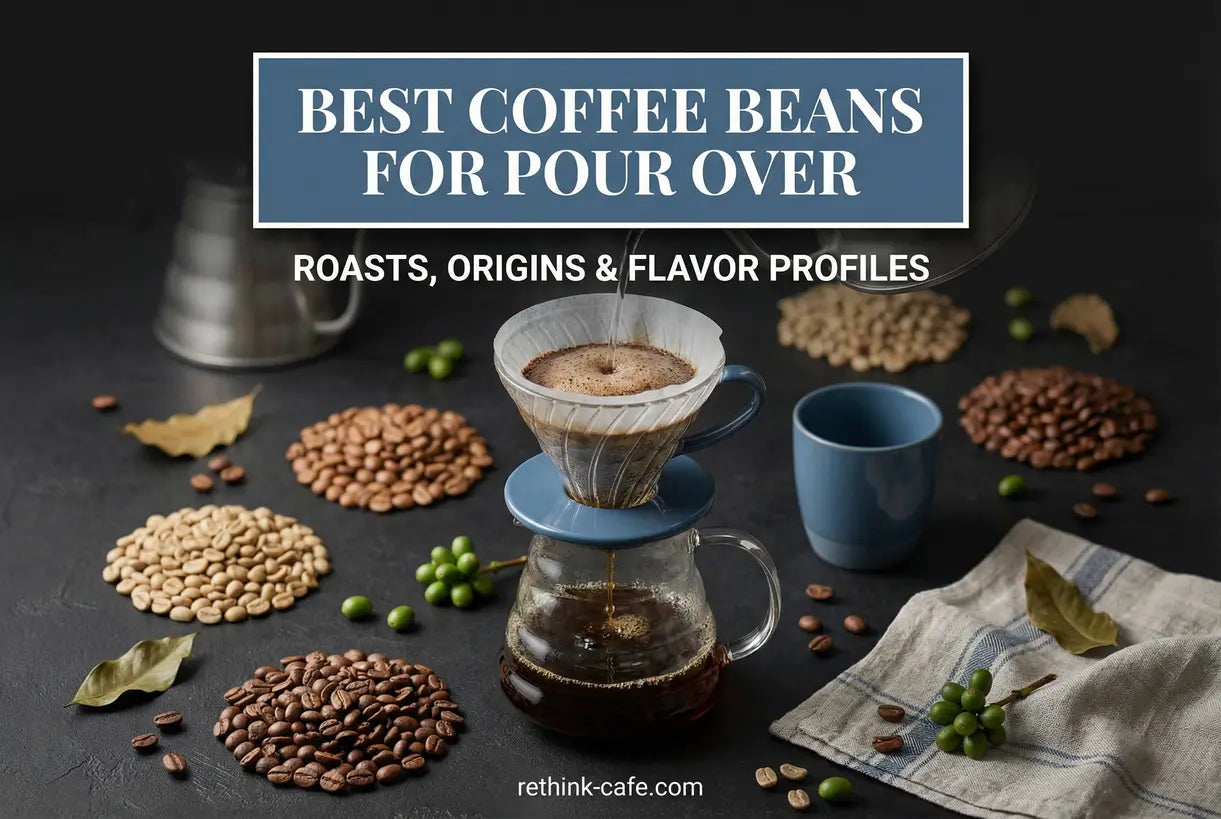
Pour over brewing has become the gold standard for home baristas seeking to unlock the full potential of their coffee beans. When you invest time in the manual brewing process, the quality of your best coffee for pour over becomes paramount. The right beans can transform your morning cup from ordinary to extraordinary, revealing delicate flavor notes that automated brewing methods simply cannot capture.
For coffee enthusiasts ready to elevate their home brewing game, understanding the relationship between bean selection and brewing method is essential. The pour over technique, with its precise water flow and controlled extraction, demands beans that offer complexity and clarity. Throughout this guide, you'll discover how roast levels, origins, and freshness affect your final cup—and why partnering with quality equipment from Rethink Cafe ensures you experience every nuanced note your beans have to offer.
What Makes Coffee Beans Ideal for Pour Over Brewing
Pour over brewing is celebrated for its ability to highlight the intricate characteristics of specialty coffee. Unlike immersion methods that steep grounds uniformly, pour over uses a continuous stream of fresh water to extract flavors layer by layer. This method requires beans with sufficient complexity to showcase their origin and processing method.
The best pour over beans typically fall within the specialty coffee category, scoring 80 points or above on the Specialty Coffee Association scale. These beans exhibit fewer defects and possess distinctive flavor profiles that shine through the clean extraction process. When brewed correctly, you'll experience crisp acidity, delicate sweetness, and aromatic clarity that defines exceptional pour over coffee.
The Critical Role of Roast Freshness
Freshness extends beyond choosing recently harvested beans—it encompasses the roast date. For optimal pour over results, use beans roasted between 5 and 21 days prior. This window allows the beans to degas sufficiently while preserving volatile aromatic compounds. Coffee roasted too recently will produce uneven extraction due to excessive CO2 release, while stale beans lose the vibrant flavors that make pour over worthwhile.
Understanding Roast Levels for Pour Over Coffee
Roast development significantly impacts how flavor compounds present themselves in your cup. The pour over method particularly favors lighter and medium roast levels that preserve origin characteristics rather than roast-dominant flavors.

Light Roast Pour Over Characteristics
Light roast pour over options showcase the most authentic expression of a coffee's terroir. These beans are roasted just until the first crack completes, preserving bright acidity, floral aromatics, and fruit-forward notes. Light roasts demand precise brewing parameters—slightly higher water temperatures and careful attention to grind size—to fully extract their complex sugars without introducing bitterness.
When brewing light roasts, you'll often encounter tasting notes of citrus, berry, jasmine, and tropical fruits. These beans perform exceptionally well with slower pour techniques that extend contact time, allowing the water to penetrate the dense cellular structure of lightly roasted beans.
Medium Roast Pour Over Appeal
Medium roast pour over selections offer the sweet spot between origin complexity and developed sweetness. Roasted just past first crack or into the early stages of second crack, these beans balance brightness with caramelized sugars and body. Medium roasts tend to produce cups with chocolate, nut, and stone fruit notes while maintaining enough acidity to keep the profile interesting.
For home baristas transitioning from automatic drip machines, medium roast pour over beans provide familiar comfort with enhanced clarity. The medium roast level offers forgiving extraction parameters, making it ideal for those refining their pour over technique.
Why Dark Roasts Fall Short
While dark roasts have their place in espresso and French press preparation, they typically underperform in pour over brewing. The extended roasting process burns away the delicate aromatic compounds that pour over excels at extracting. Dark roasts in pour over devices often yield thin, ashy cups with pronounced bitterness that masks any origin-specific characteristics.
Coffee Origins and Flavor Profiles for Pour Over
Geographic origin profoundly influences the flavor profile of your pour over experience. Different growing regions produce beans with distinct characteristics shaped by elevation, climate, soil composition, and processing methods.

African Origins: Bright and Complex
Ethiopian and Kenyan coffee beans represent the pinnacle of bright, complex pour over brewing. Ethiopian varieties, particularly those from the Yirgacheffe and Sidamo regions, deliver extraordinary floral and citrus notes reminiscent of bergamot and lemon. Kenyan coffees contribute blackcurrant and tomato-like acidity with winey sweetness that evolves as the cup cools.
These African origins benefit most from light to medium-light roasting and pour over techniques that highlight their sparkling acidity. If you enjoy tea-like body and aromatic complexity, single origin pour over selections from Africa should dominate your rotation.
South American Origins: Balanced and Sweet
Colombian and Peruvian coffee beans offer the approachable, balanced profiles many home baristas prefer. Colombian coffees typically present caramel sweetness, medium body, and stone fruit acidity that appeals to a broad range of palates. Peruvian offerings often emphasize nutty, chocolate-forward profiles with subtle citrus undertones.
These South American origins excel as medium roast pour over options, providing consistency and sweetness that pairs well with various brewing devices from the classic V60 to the Chemex.
Central American Options: Clean and Bright
Guatemalan and Costa Rican beans contribute clean, bright profiles with pronounced acidity and lighter body. These origins often feature apple, honey, and brown sugar notes that create crisp, refreshing cups ideal for morning consumption.
Building Your Perfect Pour Over Setup
Exceptional pour over coffee requires more than quality beans. The brewing environment, water quality, and equipment precision collectively determine your results. As you refine your bean selection, investing in professional-grade equipment ensures consistent extraction and temperature stability.

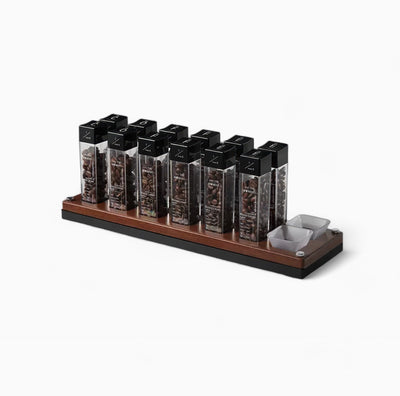
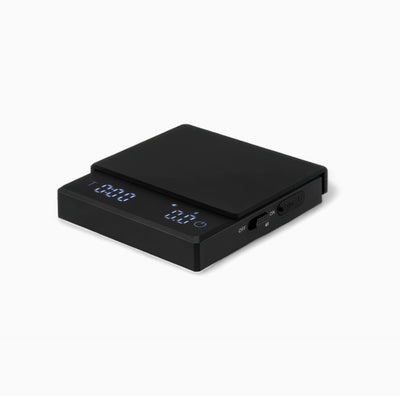
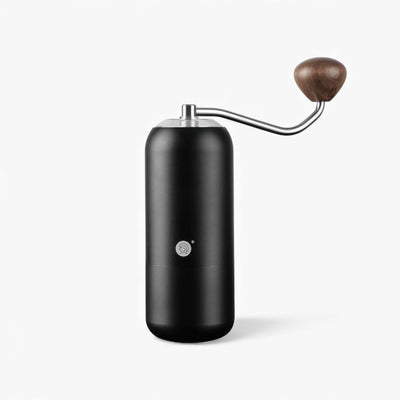
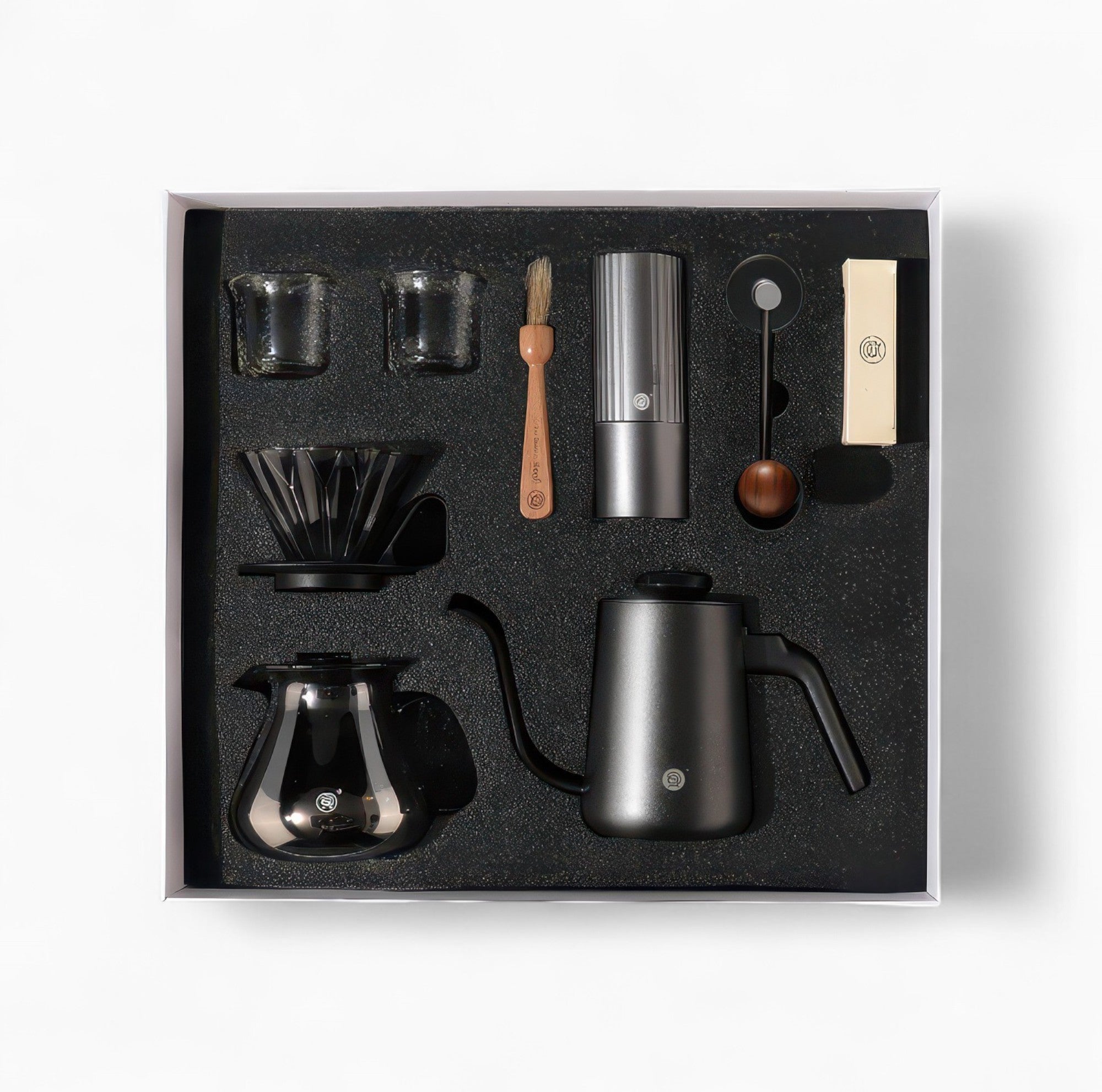
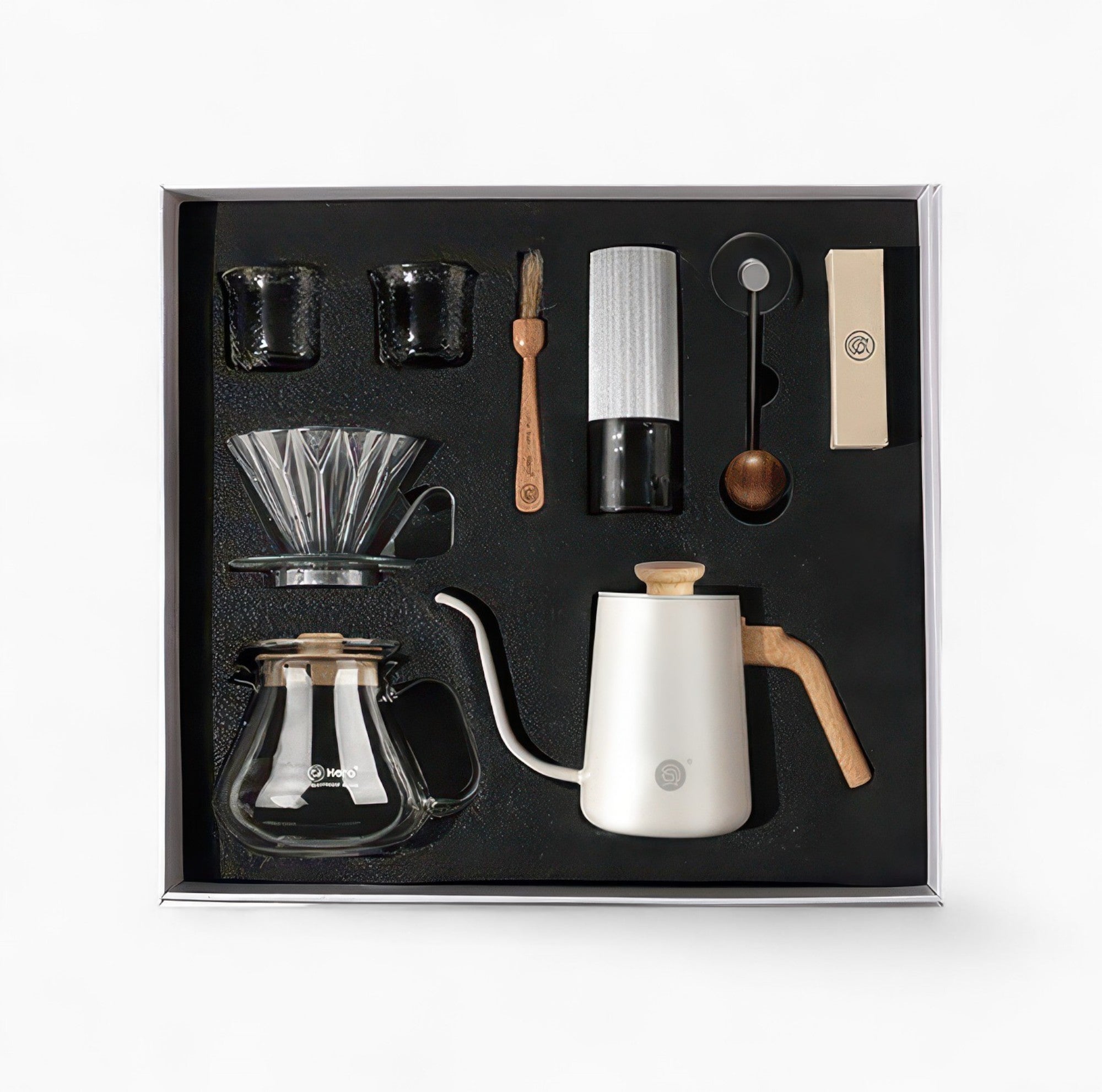
The Complete Pour Over Coffee Kit with Grinder and Kettle from Rethink Cafe eliminates the guesswork from equipment selection. This comprehensive package provides matched components designed to work harmoniously, ensuring your carefully chosen beans reach their full potential.

Complete Pour Over Coffee Kit with Grinder and Kettle
$235.90 $360.00
Everything you need for cafe-quality pour over at home: precision grinder, temperature-controlled kettle, and premium glass dripper in one complete kit.
Explore ProductPrecision Temperature Control
Water temperature between 195°F and 205°F proves critical for proper extraction. Below this range, under-extraction produces sour, weak coffee; above it, bitterness dominates. The Gooseneck Electric Kettle with Temperature Control provides six preset temperature options and precise pour control through its engineered spout design.
The Importance of Quality Filters
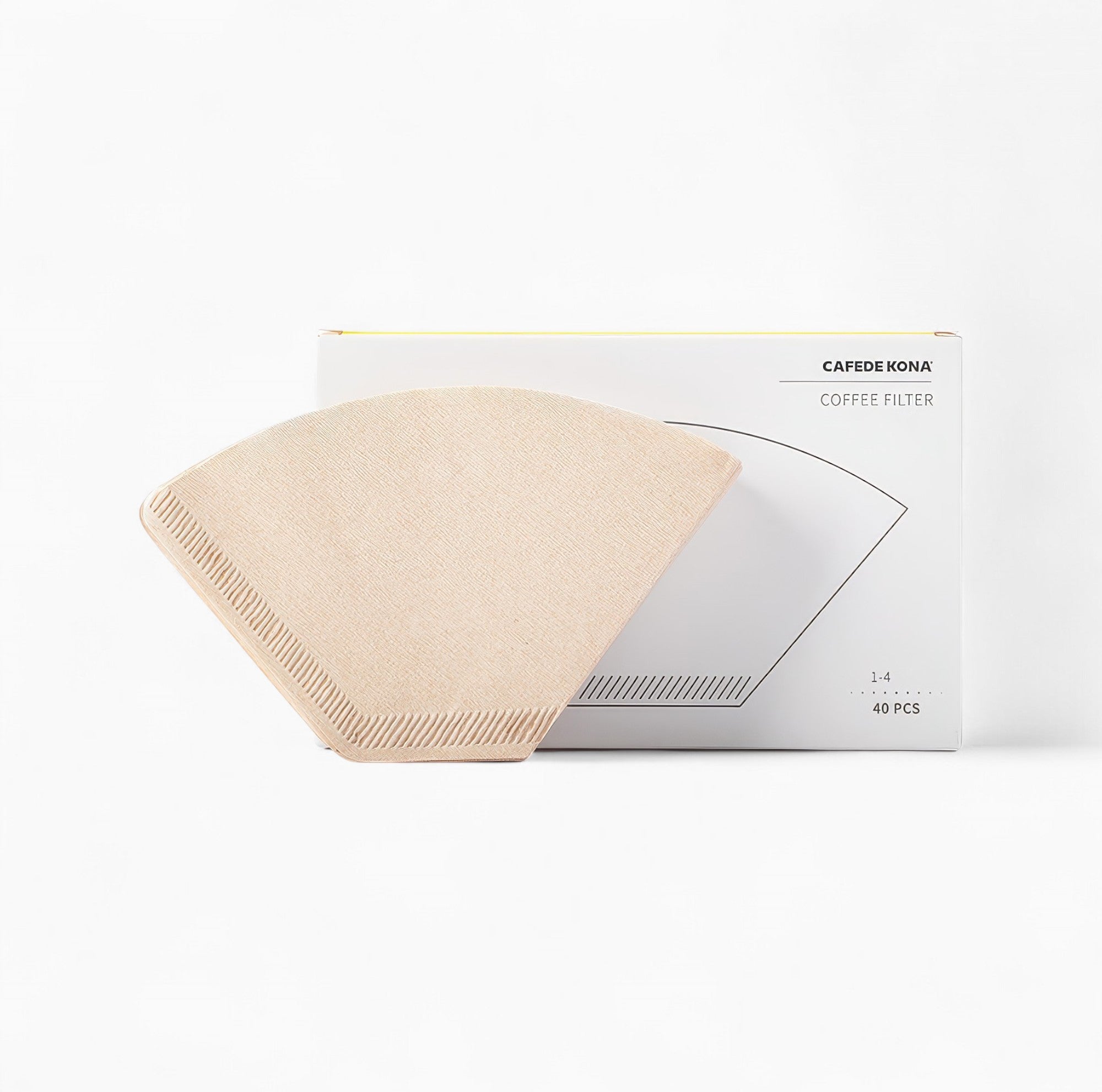
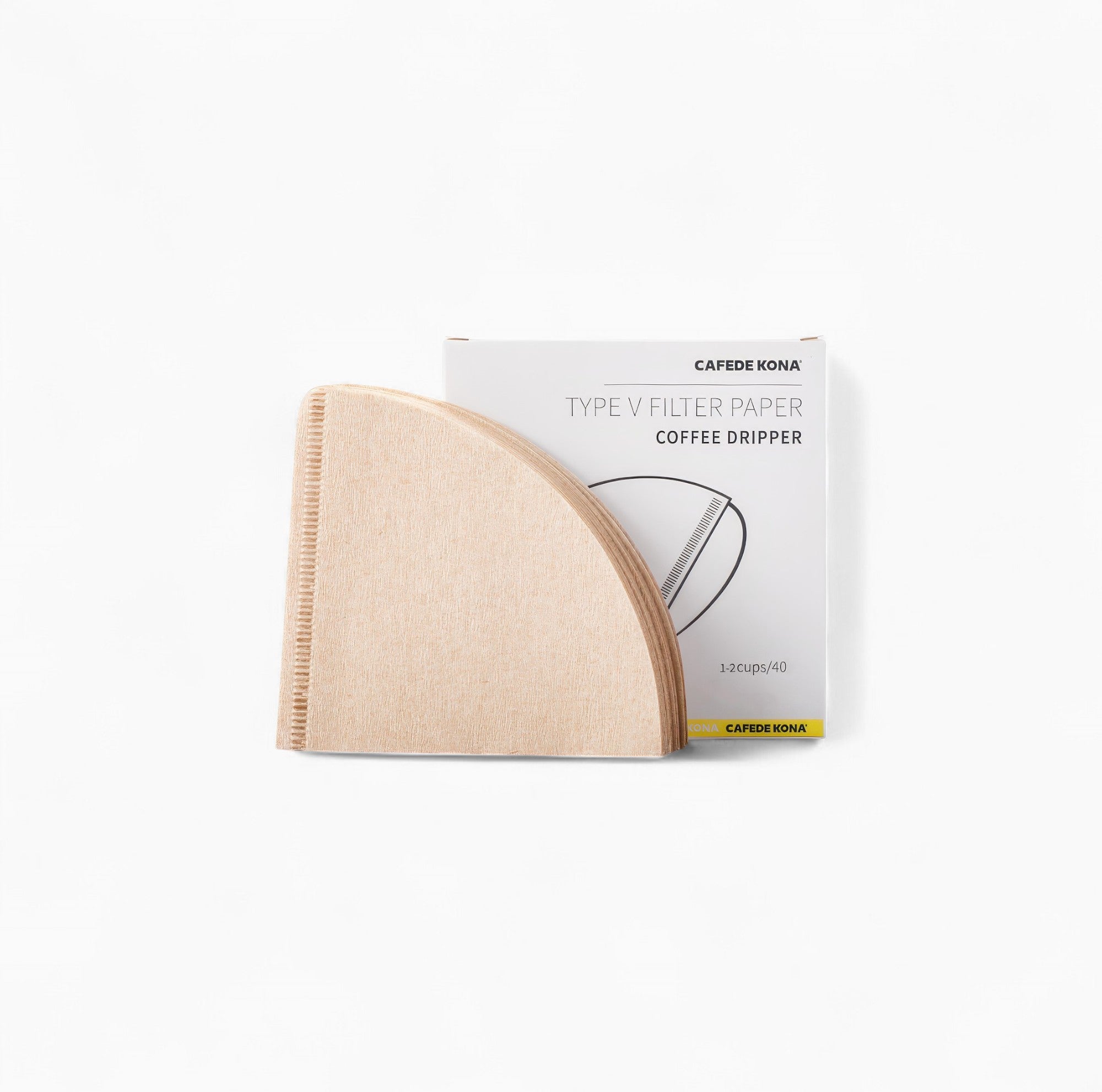
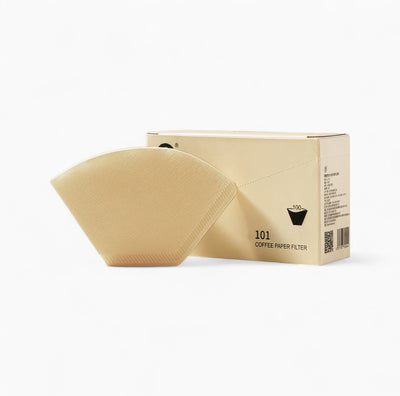
Your choice of filter impacts the final cup's body and clarity. Natural, chemical-free options allow origin characteristics to shine without introducing paper taste or unwanted chemicals. The V60 Pour Over Coffee Filter Papers Chemical-Free use natural wood pulp to deliver clean extraction that emphasizes the bright notes inherent in quality beans.
Essential Pour Over Equipment

Gooseneck Electric Kettle with Temperature Control
$138.90
$255.00
Dial in exact water temperatures with six preset options and a precision gooseneck spout for perfect pour control every time. Learn more ➔

V60 Pour Over Coffee Filter Papers Chemical-Free
$12.90
$22.00
Natural wood pulp filters with zero chemicals deliver clean extraction that highlights origin characteristics and bright flavor notes. Learn more ➔
Optimizing Your Pour Over Technique
Even with the finest beans and equipment, technique determines your success. A consistent medium-coarse grind—resembling sea salt—provides optimal resistance for controlled extraction without over-extracting fines or under-extracting boulders.
Maintain a 1:16 coffee-to-water ratio as your baseline, adjusting to taste preferences. For a standard 12-ounce cup, use approximately 22 grams of coffee to 350 grams of water. Pour in controlled concentric circles, avoiding the filter edges, with a total brew time between three and four minutes.
Learning from industry experts accelerates your progression toward café-quality results. The video above offers foundational knowledge about selecting and evaluating specialty coffee that complements your technical brewing skills.
Visual Guide to the Perfect Pour Over Station

Creating an organized, aesthetically pleasing brewing station encourages consistency and ritual in your morning routine. Position your grinder, kettle, scale, and dripper within easy reach, ensuring water sources remain convenient for repeated brews. The soft morning light captured in this setup mirrors the thoughtful approach pour over brewing demands.
Conclusion: Elevate Your Pour Over Experience
Selecting the best coffee for pour over involves understanding the interplay between roast level, origin characteristics, and freshness. Light to medium roasts from African or South American origins typically deliver the most satisfying results, revealing complex flavor profiles that justify the time investment of manual brewing.
However, exceptional beans require exceptional equipment to reach their potential. Rethink Cafe provides the precision tools—grinders, temperature-controlled kettles, and quality filters—that transform good beans into remarkable cups. Our curated selection of pour over equipment supports home baristas at every skill level, ensuring your carefully selected beans receive the respect they deserve. Whether you're exploring Ethiopian single origins or perfecting your technique with Colombian classics, the right equipment ecosystem makes all the difference between good coffee and unforgettable coffee.
Frequently Asked Questions about Pour Over Coffee Beans
While you can technically use any coffee for pour over brewing, the method performs best with specialty-grade beans (80+ SCA points) that are 5 to 21 days post-roast. The pour over technique excels at highlighting delicate origin flavors, so single origin or high-quality blends with distinct flavor profiles yield the most satisfying results. Pre-ground supermarket coffee often lacks the freshness and complexity to justify the time investment of manual brewing.
The optimal grind size for pour over coffee is medium-coarse, similar to sea salt or coarse sand. This texture provides enough surface area for proper extraction while maintaining sufficient resistance to allow the water to interact with grounds for 3-4 minutes. Too fine a grind produces bitter, over-extracted coffee; too coarse yields weak, sour results. Always grind immediately before brewing to preserve volatile aromatic compounds.
Perfect pour over coffee balances sweetness, acidity, and body without excessive bitterness or sourness. It typically features a 1:16 coffee-to-water ratio, water heated to 195-205°F, and a total brew time of 3-4 minutes. The cup should exhibit clarity of flavor—depending on origin, you might taste citrus, chocolate, florals, or berries—with a clean finish and pleasant aftertaste. Precision in measurement, grind size, and pouring technique matters more than expensive equipment.
African origins like Ethiopia and Kenya produce bright, complex cups with floral and fruity notes ideal for experienced pour over enthusiasts. South American beans from Colombia and Peru offer balanced, sweet profiles with chocolate and nut characteristics that appeal to a broader audience. Central American origins (Guatemala, Costa Rica) provide clean, bright acidity. Ultimately, the best origin depends on your taste preferences—pour over brewing excels with any high-quality single origin that showcases distinct terroir characteristics.
Light and medium roast levels work best for pour over coffee. Light roasts preserve origin complexity and bright acidity, revealing fruity and floral notes. Medium roasts balance sweetness with body, offering caramel and chocolate notes while maintaining some origin character. Dark roasts generally underperform in pour over devices, often producing thin, bitter cups that mask the subtle flavors this brewing method is designed to highlight. For most home baristas, medium roast pour over options provide the most forgiving and enjoyable experience.