There's a reason why coffee lovers everywhere are making the switch from automatic machines to pour over brewing. If you're here searching for the best pour over carafe, you already know that controlling every variable of your brew leads to a more flavorful, nuanced cup. But here's the catch: even with perfect beans and technique, the wrong server can rob your coffee of its ideal temperature and delicate aromatics.
At Rethink Cafe, we believe your brew deserves better than a cooling carafe. Whether you're brewing for yourself or a group of friends, the right pour over coffee carafe acts as command central—keeping your extracted coffee hot, preserving its complexity, and serving it with precision. In this guide, you'll learn what makes a carafe truly exceptional, how to choose the right size, and discover which servers actually deliver on their temperature retention promises.
What Is So Special About Pour Over Coffee?
Pour over isn't just another brewing method—it's an invitation to understand coffee on a deeper level. Unlike automatic drip machines that blast water through grounds at high speeds, pour over brewing lets you control the flow rate, water temperature, and extraction time with surgical precision.
This manual brewing approach creates three distinct advantages:
- Complete extraction control – You decide exactly when and how water saturates the coffee bed
- Temperature stability – Water stays at your precise target temperature (195-205°F) rather than heating and cooling unpredictably
- Clarity of flavor – Paper filters remove oils and sediment, revealing delicate tasting notes often lost in other methods
For the home barista ready to move beyond "good enough" coffee, pour over represents the sweet spot between manual espresso's complexity and automatic drip's convenience. And the humble pour over server sits at the heart of this ritual as the vessel that preserves everything you've carefully extracted.
What Is Carafe Pour Over Style?
Carafe pour over style refers to brewing directly into a dedicated glass coffee server or carafe rather than individual mugs. This approach transforms your brewing station into a coffee service setup, allowing you to prepare multiple cups simultaneously while managing brew temperature and flavor consistency.
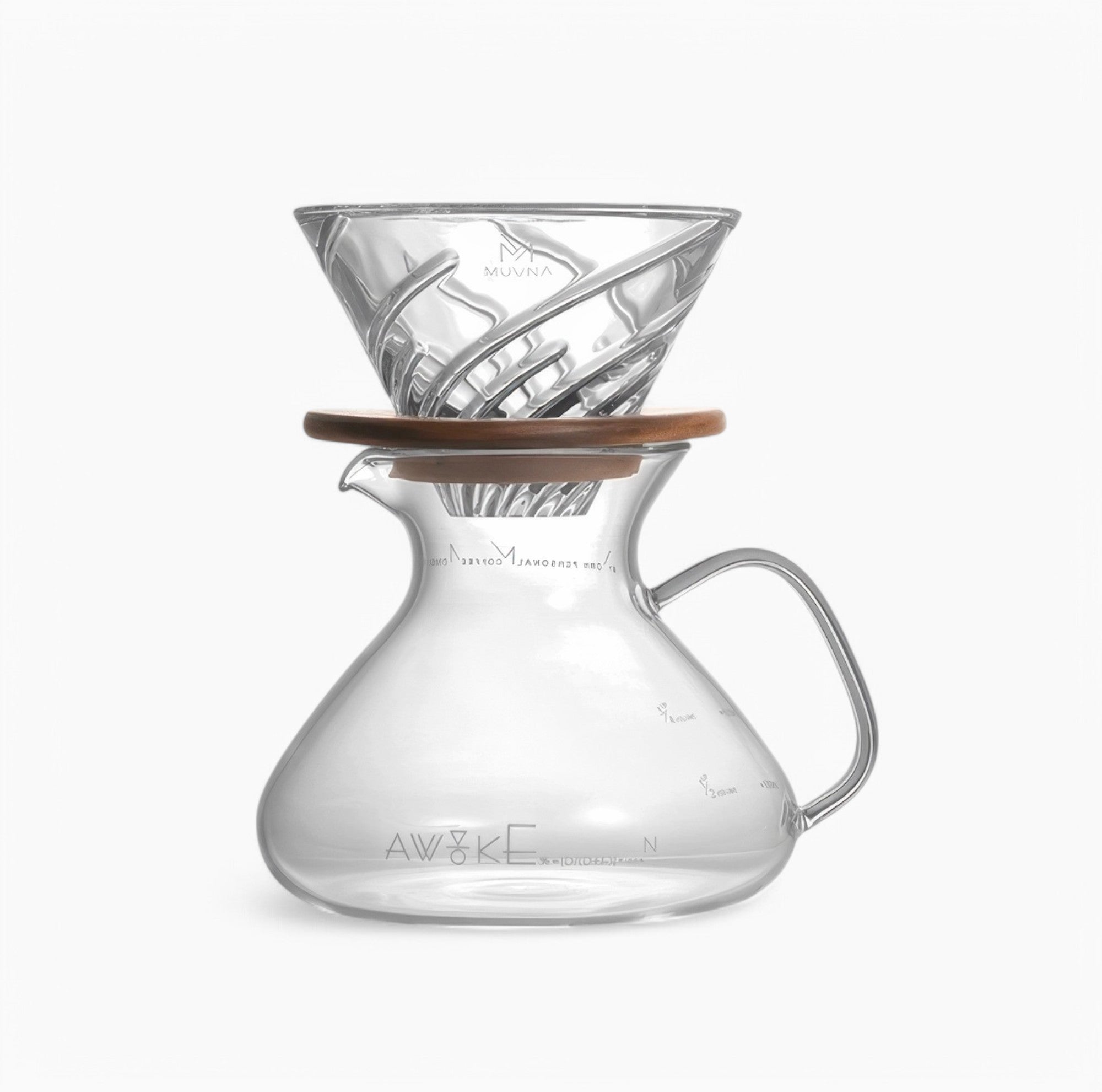
The classic configuration places a ceramic, glass, or metal dripper on top of the carafe, creating a vertical stack. Once brewing begins, the extracted coffee flows directly into the server where it remains until poured. This method shines when you're entertaining guests or simply prefer having your coffee ready and waiting.

High-quality carafes serve multiple functions beyond simple containment. They provide measurement markings for brew ratio accuracy, feature carefully engineered spouts for drip-free pouring (critical when sharing), and utilize materials designed specifically for heat retention. Borosilicate glass—the gold standard material—resists thermal shock while remaining chemically neutral so your coffee tastes exactly as it should.
Is Pourover Better Than Drip?
The "better" question depends on what you value in your coffee experience. If you prioritize convenience and consistent results with minimal effort, modern automatic drip machines produce excellent coffee. However, if you're someone who notices flavor subtleties and enjoys the brewing process itself, pour over offers distinct advantages worth exploring.
| Feature | Pour Over | Automatic Drip |
|---|---|---|
| Control Level | Variable water flow, precise timing | Pre-programmed extraction |
| Brew Temperature | Consistent 195-205°F control | Often below 195°F throughout cycle |
| Clarity | Paper filters remove oils for clean notes | Metal mesh allows sediment through |
| Convenience | Requires attention and skill | Set and forget operation |
According to the Specialty Coffee Association, water contact time and temperature are the two most critical variables for extraction. Pour over gives you mastery over both. The pour over coffee pot becomes your ally in this process by providing a stable, insulated environment for the finished brew.
How to Make Coffee in a Pour Over Carafe
Mastering the pour over technique involves understanding the relationship between dripper and server. Here's the fundamental workflow that transforms proper technique into exceptional coffee.
Step 1: Heat and Rinse
Start by heating water to 195-205°F (just off boil). If using paper filters, place one in your dripper and pour hot water through it into your heat resistant coffee carafe. This rinses paper taste and preheats your server. Don't skip this step—cold glass steals precious degrees from your finished brew.
Step 2: Bloom the Coffee
Add medium-fine ground coffee (typical ratio: 1:16 coffee to water), then pour just enough water to saturate grounds. Wait 30-45 seconds as the coffee "blooms," releasing trapped CO2 gases. This initial pour goes directly into your preheated carafe.
Step 3: Controlled Pour
Continue pouring in slow, circular motions maintaining a consistent water level. Pour steadily rather than aggressively—the goal is gentle extraction. The server below catches every drop, and this is where material matters. A thick-walled borosilicate server absorbs less heat than thin glass, while double-wall designs provide actual insulation.

Watch for the final draw-down—you want the bed of grounds to be relatively flat when the water finishes passing through, indicating even extraction. Once complete, your coffee sits ready in the carafe at its serving temperature.


Eclipse Glass Pour-Over Coffee Set with Server
$42.90 $72.00
Elevate your pour over ritual with this precision borosilicate glass server featuring etched measurement markings and a tapered spout for drip-free pouring. Available as a full set or standalone sharing pot.
Explore ProductThe Eclipse Glass Pour-Over Coffee Set with Server integrates everything covered above into one cohesive system. Its borosilicate construction handles the thermal shock of preheating without issue, while measurement markings eliminate guesswork during brewing. Whether you're working with 20g or 60g of coffee, knowing exactly where your volume sits ensures every cup hits the optimal extraction window.
What Size Pour Over Carafe Do I Need?
Capacity determines who you're brewing for and how often. Here's a practical guide to sizing your server without overthinking it.
300-400ml (1-2 Cups)
Perfect for solo drinkers or those who prefer brewing fresh each time. These compact servers fit neatly under most drippers and store easily. They're ideal for single origins you want to savor immediately rather than keeping warm.
600-800ml (3-4 Cups)
The sweet spot for small households or couples sharing morning coffee together. This is the most versatile size, accommodating everything from personal indulgent brews to serving guests. Most V60 coffee servers fall into this category.
1L+ (5+ Cups)
Essential for entertaining or households with multiple coffee drinkers on the same schedule. Larger servers typically feature wider openings compatible with a range of drippers and require more counter space but eliminate the need for multiple brewing rounds.

Consider your brew ratio when calculating capacity needs. If you follow the 1:16 ratio, 40g of coffee produces roughly 640ml of brewed coffee—accounting for water retention in the grounds. Always size up slightly to avoid overflow during peak bloom phases.
Key Features to Look For in a Pour Over Carafe
Not all coffee carafes for pour over are created equal. After thousands of test brews at Rethink Cafe, we've identified the non-negotiable features that separate exceptional servers from the rest.
Material Composition and Heat Management
Borosilicate glass leads the category for good reason. This specialized glass resists temperature shock better than standard soda-lime glass, meaning it won't crack when transitioning from cold cabinets to hot water. It's also chemically inert—your coffee never picks up a metallic or plastic taste.
For true heat retention warriors, look for double-wall borosilicate designs that create an insulating air layer. Ceramic options also excel at temperature maintenance but sacrifice visibility (you can't see your coffee level at a glance). Stainless steel double-wall models offer maximum insulation but require careful pouring to avoid disturbing coffee fines.
Pouring Precision
The spout determines whether your elegant coffee service ends with a pristine pour or rings of coffee on the countertop. Look for eagle-beak or tapered spout designs that direct flow cleanly without channeling liquid down the exterior. The best spouts let you pour slowly for tasting or quickly for service without requiring awkward wrist angles.
Handle Design and Ergonomics
Your pour over coffee pot spends time filled with liquid around 200°F. The handle must remain cool enough to grip comfortably throughout multiple pours. Heat-resistant silicone or properly positioned glass handles that stay away from the server body perform best. Test the balance—a full carafe combined with a poorly positioned handle creates tip risk.
Durability and Daily Use
Consider whether your server integrates with your existing dripper setup. Does it accommodate a V60, Kalita Wave, or Chemex? Some servers feature ribbed necks that create a seal with specific drippers, eliminating the need for a separate stand. Others work universally with any flat-based dripper.
Our Top Carafe Picks for Temperature Control

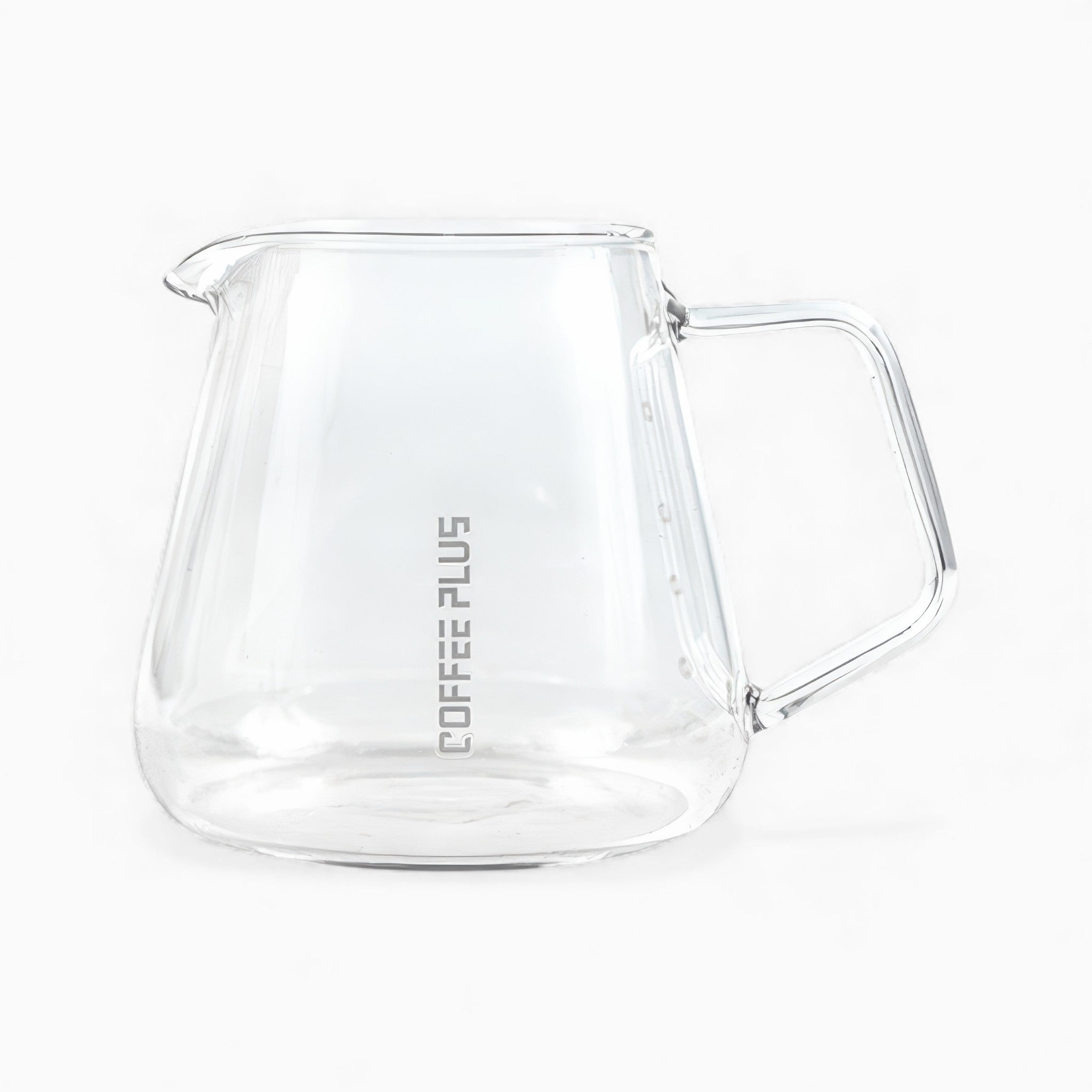
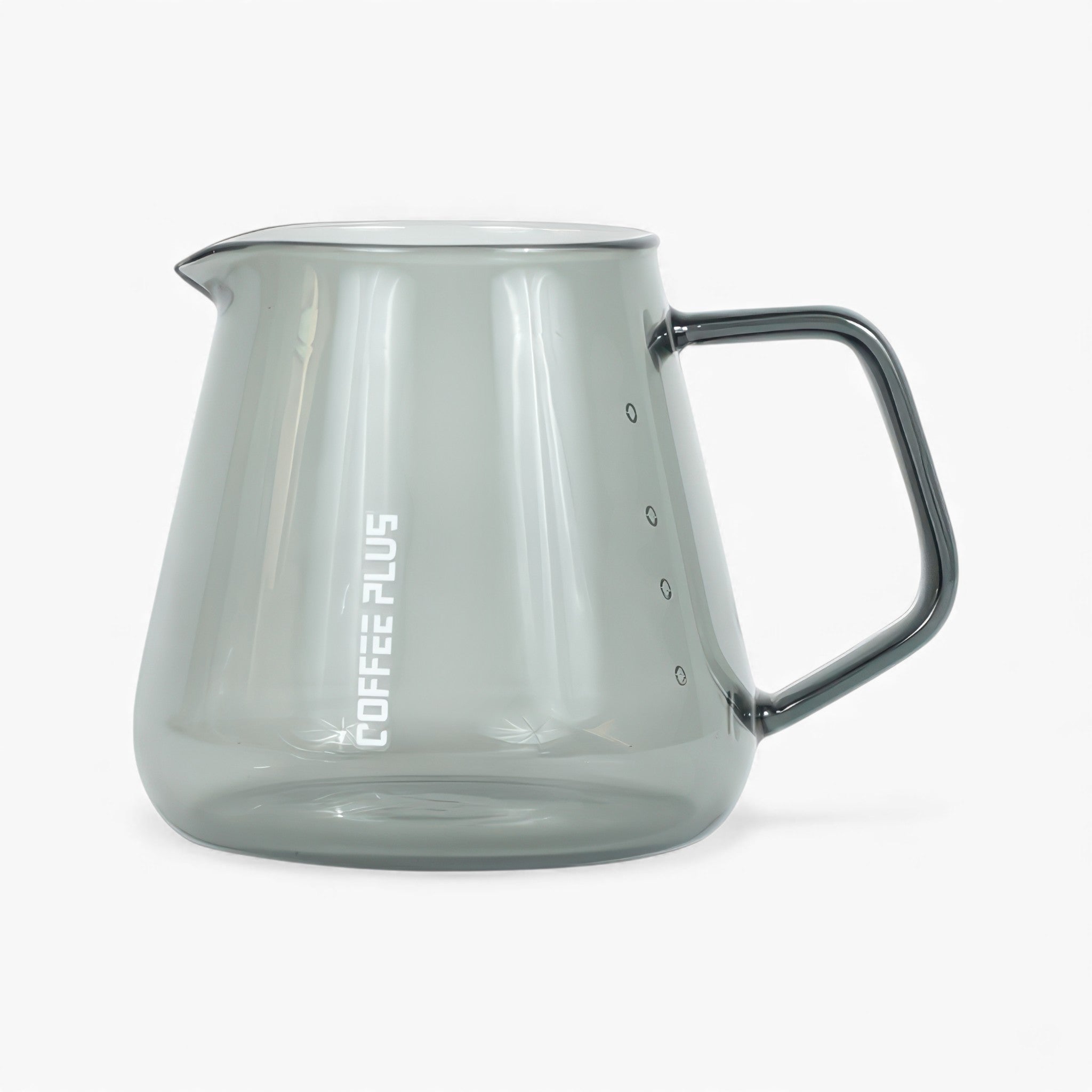
Crafted from high borosilicate glass with an eagle beak spout for precise pouring. The 400ml capacity and heat-resistant handle make it perfect for daily brewing and temperature stability. Learn more ➔

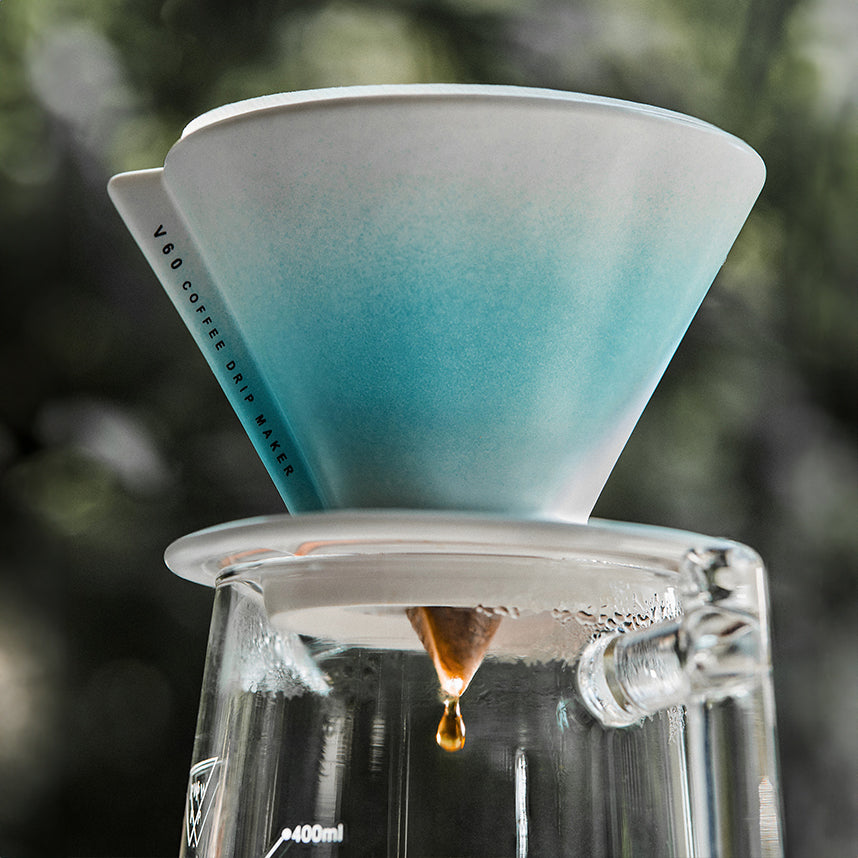
Ceramic V60 Pour Over Coffee Dripper and Server Set
$36.90
$50.00
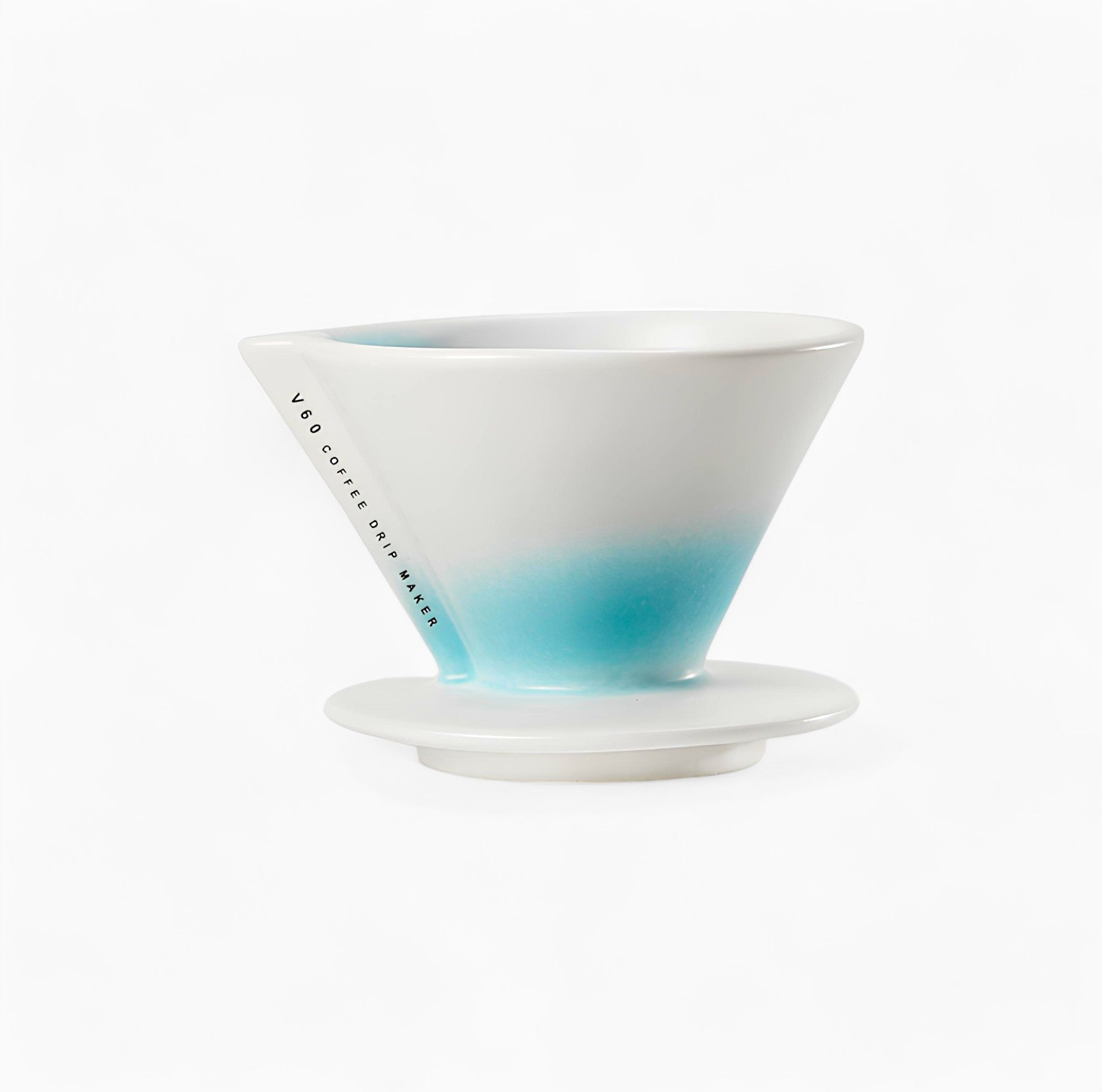
Premium heat-retaining ceramic dripper paired with a glass sharing pot for optimal extraction. Spiral rib design and single drain hole give you total control over flow rate and brew time. Learn more ➔
The Borosilicate Glass Coffee Server for Pour Over Brewing exemplifies pure glass performance with its precision eagle-beak spout that eliminates the dribbling frustration common to inferior designs. Meanwhile, the Ceramic V60 Pour Over Coffee Dripper and Server Set offers something different entirely: a heat-retaining ceramic dripper that maintains temperature stability during extraction while the glass server below preserves your finished brew.
Both represent engineering choices that matter. Glass servers keep coffee warm through thermal mass—thick walls absorb and hold heat. Ceramic drippers prevent heat loss during the critical extraction phase. Together, they solve the two-stage temperature challenge: maintaining water heat during brewing AND preserving coffee warmth after.
Where Material Choices Impact Flavor
Research published by the International Coffee Science Organization confirms that brewing vessel materials influence extraction dynamics. Ceramic's thermal mass resists temperature drops during the bloom phase, while glass's neutrality prevents any flavor contamination. The best setups combine these properties—a ceramic or metal dripper working in tandem with a quality glass server creates optimal brewing conditions.
Elevate Your Pour Over Experience with Rethink Cafe
The journey from good coffee to exceptional coffee depends on controlling variables others ignore. Temperature is one of the most overlooked—every degree your coffee drops after extraction fades aromatics and mutes acidity. A proper insulated pour over carafe isn't luxury; it's the logical extension of taking brewing seriously.
At Rethink Cafe, we curate equipment that makes a measurable difference in your daily ritual. From servers engineered for drip-free precision to sets designed for thermal stability, each product represents our commitment to helping home baristas achieve café-quality results. The manual brew carafe sitting on your counter should be as intentional as every other part of your setup.
Browse our complete collection of pour over equipment to find the server that matches your brewing ambitions. Because when you've mastered the technique, your equipment shouldn't hold you back—it should quietly preserve everything you've worked to extract.
Frequently Asked Questions About Pour Over Carafes
Pour over coffee stands out because it gives you complete control over extraction variables. You determine water temperature, flow rate, and contact time, creating a clean, nuanced cup that reveals subtle flavor notes often lost in automatic brewing methods. The manual process also rewards technique development—you can literally taste your skills improving.
Start by preheating your glass carafe with hot water. Place your dripper and rinsed filter on top, then add medium-fine grounds. Pour a small amount of water (195-205°F) to bloom the coffee for 30-45 seconds. Continue pouring slowly in circular motions until reaching your target volume. The carafe collects the extracted coffee, keeping it hot until serving. Pour immediately for best temperature.
Pourover excels in flavor clarity and extraction control while requiring more attention. Automatic drip offers convenience and consistency. If you value nuanced flavor development and enjoy the brewing ritual, pourover delivers superior results. The method produces cleaner cups with more distinct tasting notes compared to most automatic machines. For those primarily seeking convenience, modern drip machines produce perfectly drinkable coffee with minimal effort.
Carafe pour over style refers to brewing into a dedicated server rather than individual mugs. A dripper sits atop the carafe, and extracted coffee flows directly into the vessel. This method produces multiple servings simultaneously, maintains coffee temperature through thermal mass, and enables elegant serving. The carafe acts as both brewing vessel and service piece, typically holding 400-1000ml of finished coffee.
For solo brewing, 300-400ml works perfectly. Small households or couples benefit from 600-800ml servers, which offer the most versatility. If you regularly entertain or share coffee with multiple people, look for 1L+ capacity. Calculate based on your typical brew ratio—40g of coffee at 1:16 produces approximately 640ml of finished brew. Always size up slightly to prevent overflow during bloom phases.