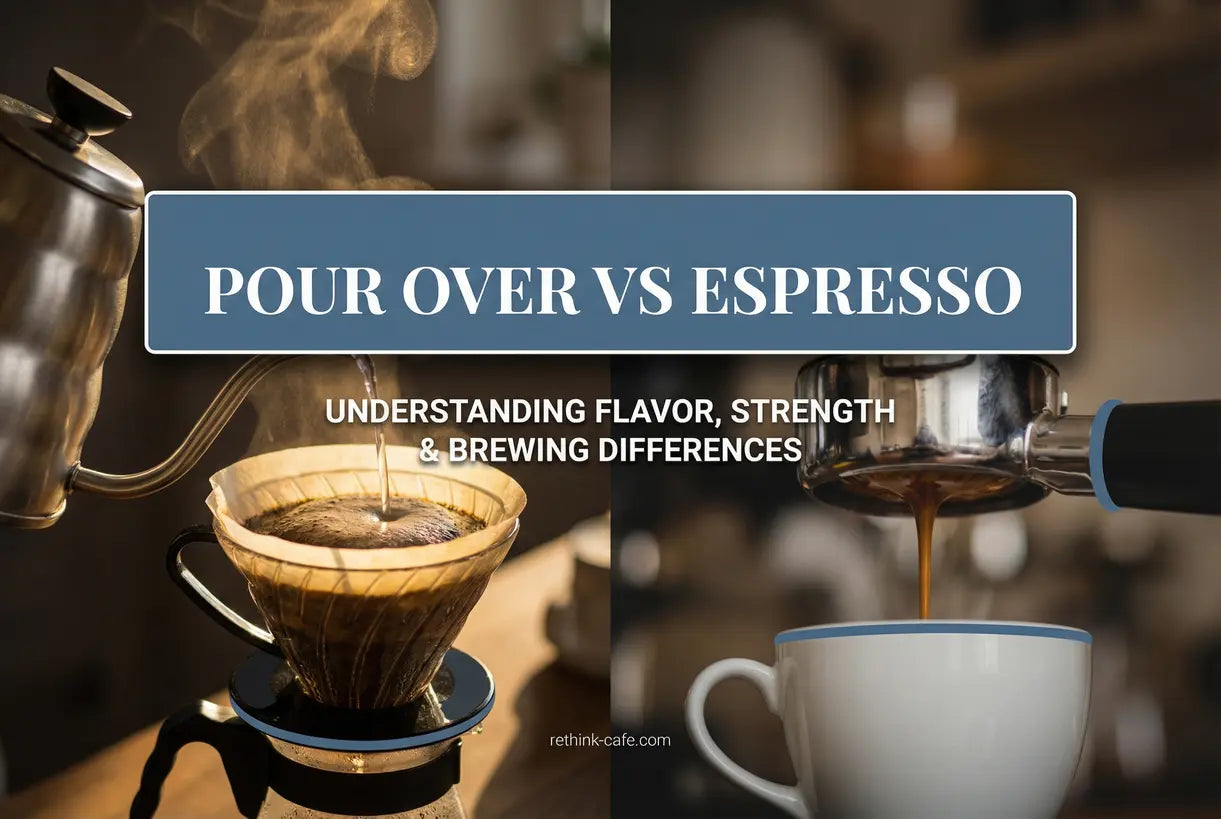
Choosing between pour over coffee and espresso brewing isn't about picking a winner—it's about understanding how two distinct methods transform the same beans into radically different experiences. Whether you're a morning ritualist seeking meditative moments or a latte lover craving concentrated intensity, your brewing method defines everything from flavor clarity to caffeine impact.
In this comprehensive comparison, we'll explore the pour over vs espresso divide through the lens of flavor science, brewing mechanics, and lifestyle fit. By the end, you'll know exactly which method aligns with your taste preferences—and how the right equipment from Rethink Cafe can help you master either approach.
The Fundamental Difference: Pressure vs Gravity
The core distinction between these methods lies in extraction physics. Pour over relies on gravity to draw water through coffee grounds over 3-4 minutes, while espresso uses 9 bars of pressure to force water through compacted grounds in just 25-30 seconds.
This fundamental difference creates two entirely different beverages. Pour over methods like V60 and Chemex produce a clean, nuanced cup that highlights origin characteristics and subtle tasting notes. Espresso, conversely, creates a concentrated extraction with rich crema, bold body, and the intensity that forms the base of cappuccinos, lattes, and americanos.

Flavor Profiles: Clarity Versus Intensity
When examining espresso brewing flavor against pour over characteristics, think of the difference between listening to acoustic instruments versus a full orchestra. Pour over highlights the "acoustic" elements—delicate floral notes, citrus brightness, and tea-like subtleties become distinctly audible without pressure-induced distortion.
Espresso amplifies everything. The pressure extraction emulsifies coffee oils, creating that signature syrupy mouthfeel while concentrating chocolate, caramel, and nutty base notes into an intense, satisfying shot. Is pour over as good as espresso? The answer depends entirely on whether you value origin transparency or concentrated complexity.
The Brewing Process: Ritual Versus Precision
Your daily routine preferences will heavily influence which method suits your lifestyle. Each approach demands different skills, time investments, and mental engagement.
Pour Over: The Meditative Approach
Pour over brewing transforms coffee preparation into a mindful ritual. The process requires a gooseneck kettle for controlled pouring, a steady hand for circular water distribution, and patience as the bloom phase releases CO2 and prepares grounds for full extraction.
Most pour over recipes call for a pour over coffee ratio between 1:15 to 1:17 (coffee to water), with total brew times ranging from 3-5 minutes depending on grind size and volume. The method rewards attention to detail—you'll taste every adjustment in water temperature, pour speed, and grind consistency.

Espresso: The Technical Challenge
Espresso demands precision within narrow parameters. The pour over espresso ratio equivalence doesn't exist—espresso uses completely different metrics, typically a 1:2 to 1:2.5 ratio of dry coffee to liquid espresso extracted in 25-30 seconds.
Variables like grind size, tamp pressure, water temperature, and distribution must align perfectly. Too coarse and you get sour, under-extracted shots. Too fine and bitterness dominates. Success requires consistent equipment and practiced technique.


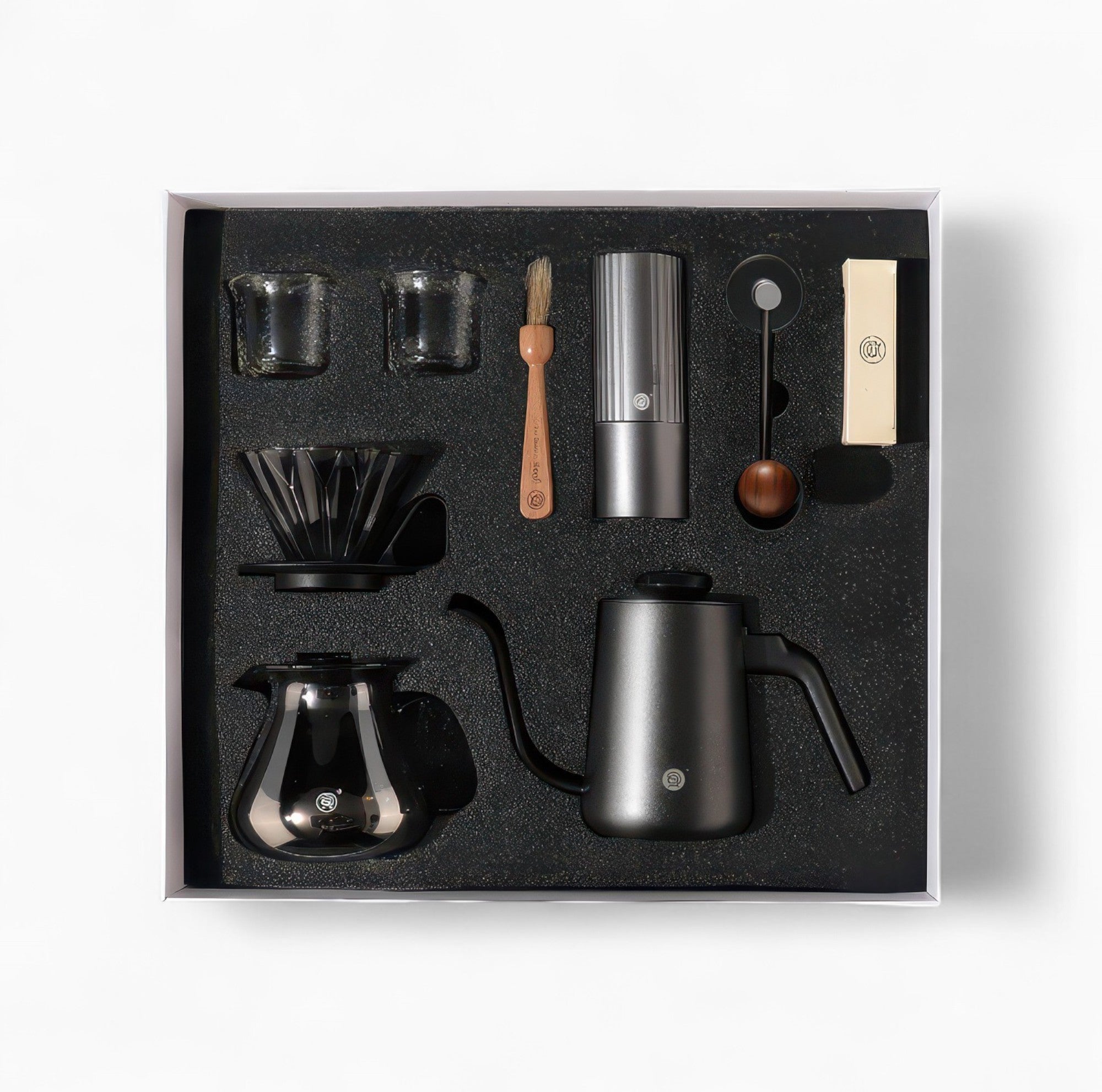
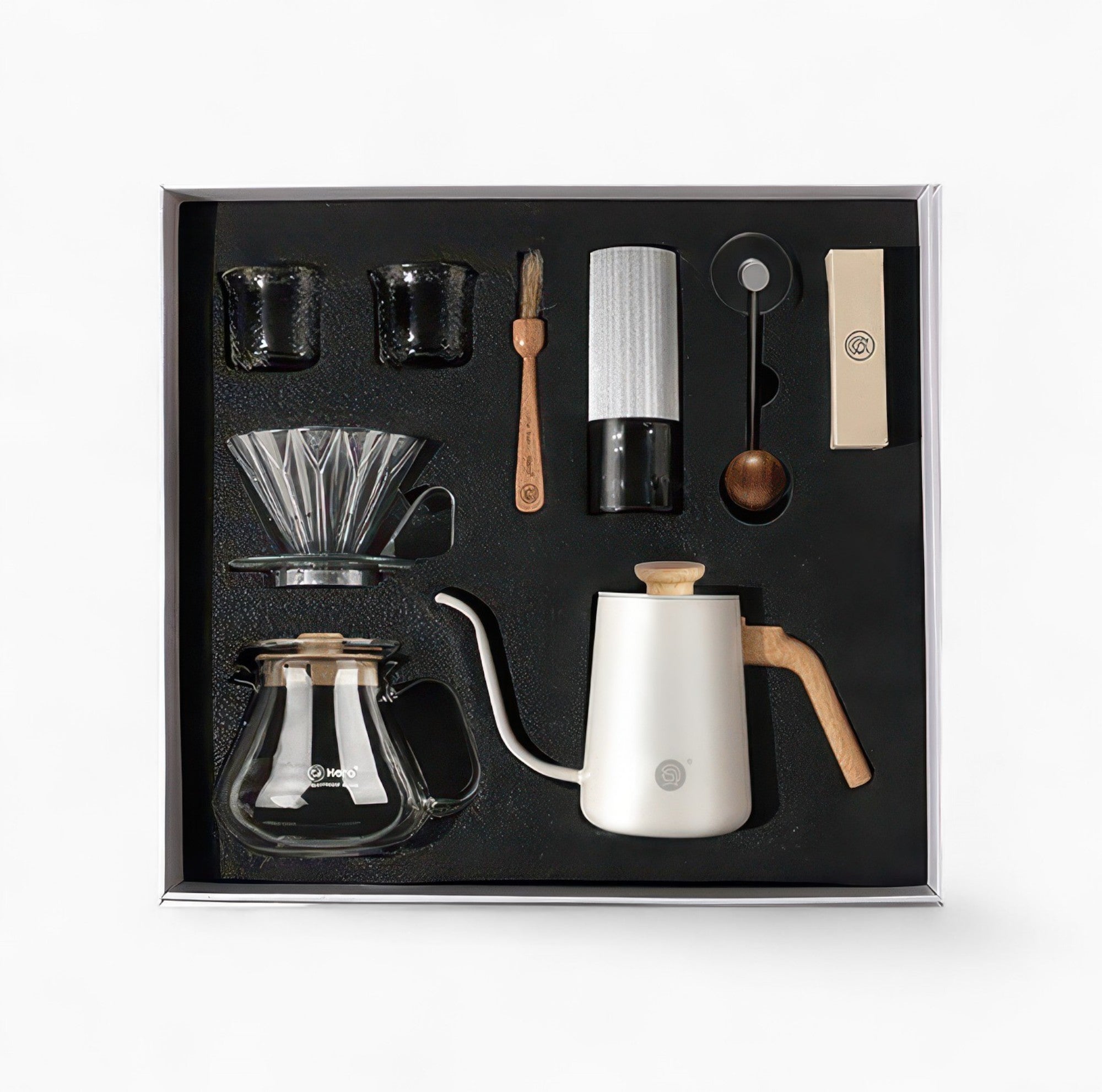
Complete Pour Over Coffee Kit with Grinder and Kettle
$235.90 $360.00
Everything you need to master pour over brewing at home. Includes precision grinder, temperature-controlled kettle, and premium glass dripper for cafe-quality results.
Explore ProductStrength and Caffeine: The Surprising Truth
A common misconception suggests that espresso always delivers more caffeine than pour over. The reality is more nuanced. Pour over vs espresso caffeine comparisons reveal that while espresso contains more caffeine per ounce (approximately 63mg per 1-ounce shot), a standard 8-ounce pour over typically delivers 80-185mg total—often more caffeine per serving simply due to volume.
Key Takeaway: An espresso shot delivers concentrated caffeine quickly, while pour over provides sustained caffeine intake over a longer drinking experience. Your preferred caffeine curve matters as much as total milligrams.
If maximizing caffeine efficiently is your goal, a double shot of espresso provides potent delivery in minimal volume. For extended sipping sessions, pour over maintains steady caffeine release without the intensity spike.
Equipment Essentials for Each Method
Both methods require specific tools, though drip coffee and French press equipment won't suffice for either. Understanding the essential equipment prevents costly mistakes and ensures brewing success from day one.
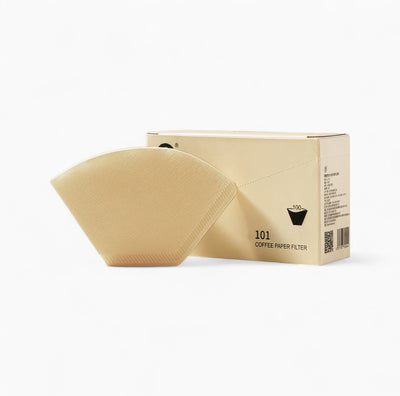
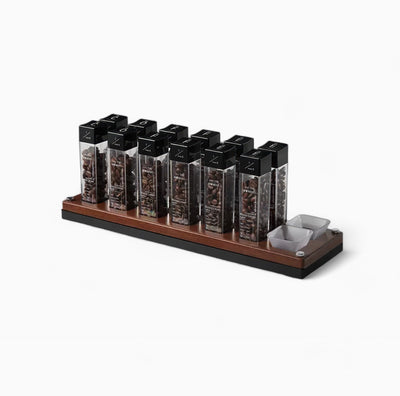
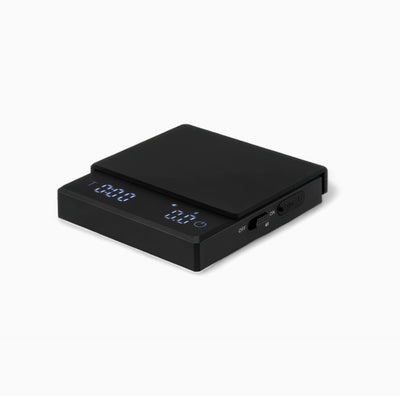
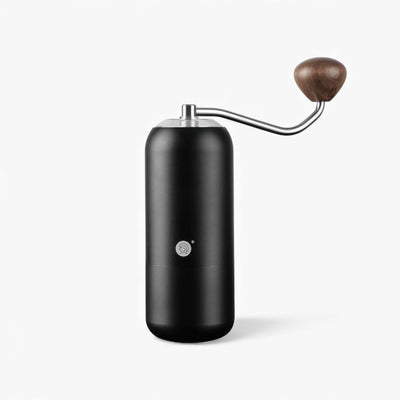
Pour over essentials include a quality dripper, paper filters, a precision scale, and critically—an accurate gooseneck kettle for flow control. However, the most important shared component between both methods is your coffee grinder. Inconsistent grind size ruins extraction in both pour over and espresso, producing either channeling (in espresso) or uneven saturation (in pour over).
For espresso, you'll need a machine capable of generating and maintaining 9 bars of pressure, plus a tamper, distribution tool, and often a milk steaming pitcher if milk drinks are on your menu. The Pneumatic Portable Espresso Maker offers an innovative solution for those seeking authentic espresso extraction without traditional machine complexity or electricity requirements.

Which Method Should You Choose?
Selecting between these coffee brewing methods requires honest assessment of your priorities:
- Choose pour over if: You enjoy single-origin coffees, appreciate subtle flavor nuances, prefer lighter roasts, want a meditative morning ritual, or need caffeine over an extended period
- Choose espresso if: You love concentrated intensity, drink milk-based beverages, prefer darker roast profiles, want quick caffeine delivery, or enjoy the technical challenge of precision brewing
Many serious home baristas eventually incorporate both methods into their rotation—pour over for weekend contemplation and single-origin appreciation, espresso for weekday efficiency and milk-based drinks.
Pros, Cons, and Health Considerations
When evaluating what is the healthiest method of coffee making, research suggests filtered methods like pour over may edge ahead. Paper filters remove diterpenes including cafestol and kahweol—compounds found in unfiltered coffee that can raise LDL cholesterol. The filtration in pour over produces a cleaner cup both in taste and lipid content.
What is the disadvantage of pour-over coffee? The primary drawbacks include brew time (3-5 minutes versus espresso's 30 seconds), required attention during brewing (you can't walk away), and a learning curve for consistent results. Additionally, pour over produces single cups efficiently but doesn't scale well for serving groups.
Espresso disadvantages include equipment cost and maintenance, the steep technical learning curve, and sensitivity to environmental factors like humidity and bean freshness that affect extraction.
Precision Equipment for Any Brewing Method

T64 Single Dose Coffee Grinder with 64mm Flat Burrs
$345.90
$356.00
Achieve consistent grind size for both pour over and espresso with this precision single-dose grinder featuring 64mm titanium-coated flat burrs and near-zero retention. Learn more ➔

Pneumatic Portable Espresso Maker 9 Bar Pressure
$255.90
$425.00
Experience authentic 9-bar espresso extraction anywhere with this portable pneumatic brewer, delivering rich crema and full-bodied flavor without electricity. Learn more ➔
Understanding the 80/20 Rule in Coffee Extraction
What is the 80 20 rule for coffee? Often referenced in specialty coffee, this concept states that approximately 80% of flavor compounds extract in the first 20% of brewing time, while the remaining 20% require the remaining 80% of time. This principle explains why espresso—despite its short extraction—delivers intense flavor, and why pour over's extended contact time produces different results.
Understanding this rule helps diagnose brew problems. If your pour over tastes sour, you're likely falling short of full extraction (stopping too early in the 80/20 distribution). If it's bitter and astringent, you've over-extracted into that final 20% of compounds that add harshness rather than desirable sweetness.
Conclusion: Your Perfect Brew Awaits at Rethink Cafe
The pour over vs espresso debate ultimately resolves into a simpler question: what experience do you want from your daily coffee ritual? Pour over offers clarity, ceremony, and connection to origin profiles. Espresso delivers intensity, efficiency, and the foundation for classic Italian beverages.
Both methods reward investment in quality equipment. Whether you choose the meditative path of manual brewing or the technical precision of pressure extraction, Rethink Cafe provides the tools to elevate your craft—from precision grinders that ensure consistent particle size to specialized brewing equipment designed for optimal extraction. Explore our curated collection of pour over equipment and espresso machines to find the perfect setup for your preferred brewing style.
The best coffee isn't determined by method alone—it's created when quality beans, proper technique, and reliable equipment converge. Start your journey to better brewing today.
Frequently Asked Questions about Pour Over vs Espresso
Neither method is objectively superior—they produce distinctly different beverages suited to different preferences. Pour over excels at highlighting delicate origin notes and light roast characteristics with a clean, tea-like body. Espresso delivers concentrated flavor intensity with rich crema and syrupy texture. Your preference depends on whether you value flavor clarity or concentrated complexity. Many coffee enthusiasts enjoy both methods for different occasions.
Paper-filtered methods like pour over are generally considered healthier because they remove diterpenes (cafestol and kahweol) that can raise LDL cholesterol levels. These compounds pass through metal filters used in some brewing methods but are trapped by paper. Additionally, pour over's lower concentration of oils makes it gentler on sensitive stomachs. However, moderate consumption of any brewing method can be part of a healthy diet.
The 80/20 rule in coffee extraction describes how flavor compounds release during brewing—approximately 80% of extractable flavors come out in the first 20% of brewing time, while the lingering 20% of flavors requires the remaining 80% of time to extract. This explains why espresso (short extraction) delivers intense flavor while pour over (long extraction) develops different characteristics. Understanding this helps baristas identify whether sourness (under-extraction) or bitterness (over-extraction) indicates timing or grind size issues.
Pour over coffee requires more time (3-5 minutes per cup versus espresso's 30 seconds), demands constant attention during brewing (you can't walk away), and has a learning curve for consistent results. It doesn't scale well for serving groups compared to batch brewing methods like drip coffee makers. Additionally, pour over produces single cups efficiently but requires technique refinement to achieve cafe-quality results consistently. The method also necessitates specific equipment like a gooseneck kettle for proper water distribution.
While espresso contains more caffeine per ounce (approximately 63mg per 1-ounce shot), a standard 8-ounce pour over coffee typically contains more total caffeine (80-185mg) simply because of the larger serving volume. A double shot of espresso (2 ounces) delivers roughly 126mg of caffeine, which is comparable to a smaller pour over serving. For maximum caffeine efficiency in minimal volume, espresso wins. For extended caffeine consumption over a longer period, pour over provides more total caffeine per serving.