
Nothing ruins a morning espresso faster than stale, lifeless coffee beans. Whether you just invested in a premium espresso machine or you're simply tired of flat-tasting brew, knowing how to store coffee beans properly is the fundamental skill every home barista must master. Fresh beans are the foundation of exceptional coffee, and how you preserve them directly impacts every cup you extract.
In this guide, we'll break down the science behind coffee freshness, explore proven storage methods, and help you choose the right solutions for your brewing setup. By the end, you'll have a complete roadmap to keep your beans tasting roaster-fresh for weeks—not days.

The Four Enemies of Coffee Freshness
Before diving into specific storage containers, you need to understand what you're actually protecting against. Coffee beans are remarkably delicate, and four primary factors accelerate their degradation:
1. Oxygen (Oxidation)
Freshly roasted coffee beans contain volatile aromatic compounds that give coffee its complex flavor profile. When exposed to oxygen, these compounds break down through oxidation. Within hours of opening a bag, your beans begin losing the nuanced notes that make specialty coffee special. This is why airtight coffee canisters are essential—they create a barrier between your beans and the air.
2. Light
UV rays accelerate the breakdown of coffee oils and aromatic compounds. Clear containers might look beautiful on your countertop, but they're doing your beans a disservice. Opaque or UV-protected containers are the solution for long-term preservation.
3. Heat
Storing beans above room temperature speeds up chemical reactions that degrade flavor. That cabinet above your oven or near a sunny window? It's slowly destroying your coffee's potential. Consistent, cool storage between 60-75°F is ideal.
4. Moisture
Coffee beans are hygroscopic, meaning they readily absorb moisture and odors from the environment. A humid kitchen is the enemy of freshness. Coffee bean storage solutions must keep humidity out while allowing natural CO2 to escape.
Coffee Bean Storage Containers: What Actually Works
Now that you understand what destroys freshness, let's explore the best way to store coffee beans using purpose-built containers. The days of folding over the original bag and hoping for the best are behind us.

Modern airtight coffee canisters tackle multiple freshness threats simultaneously. Look for these key features:
- One-way CO2 valves: Fresh roasted beans continue releasing CO2 for days after roasting. A pressure-release valve lets gas escape without allowing oxygen in.
- Airtight seals: Silicone gaskets and locking mechanisms create a true vacuum seal against oxygen intrusion.
- Opaque or stainless steel bodies: Complete light protection for maximum preservation.
- Date tracking: Integrated dials help you track roast dates and usage intervals.

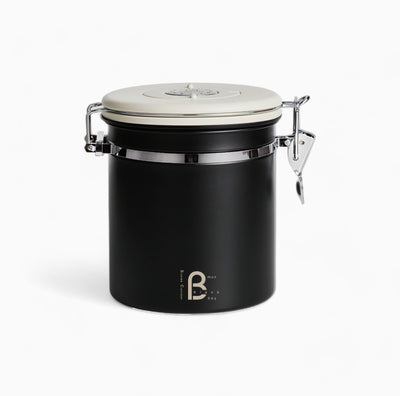
Airtight Coffee Bean Canister with CO2 Valve
$37.90 $63.00
Elevate your coffee storage with this stainless steel canister featuring a one-way CO2 exhaust valve and built-in date tracker to preserve peak freshness from the first scoop to the last.
Explore ProductThe Airtight Coffee Bean Canister with CO2 Valve embodies all these features in a single, elegant solution. Its stainless steel construction reflects light and heat, while the integrated CO2 valve lets your beans breathe naturally without oxygen entering.
Freezer Storage vs Room Temperature
One of the most debated topics in coffee storage is whether freezing beans extends their life. The short answer: it can work, but it's not the magic bullet many believe it to be.
Room Temperature Storage: The Gold Standard
For most home baristas consuming beans within 2-4 weeks of roasting, room temperature storage in a proper container is ideal. It eliminates condensation risks and maintains consistent extraction parameters. Your coffee bean preservation routine should prioritize finding the coolest, darkest cabinet in your kitchen.
Freezer Storage: Proceed with Caution
Freezing can extend shelf life significantly for beans you won't use within a month, but it requires strict protocols:
- Use truly airtight, freezer-safe containers—not the original bag
- Divide beans into single-use portions before freezing
- Never refreeze beans once thawed
- Let frozen beans come completely to room temperature before opening to prevent condensation
According to Specialty Coffee Association research, freezing can preserve roasted beans for 6+ months, but the expansion and contraction during temperature changes can create micro-fractures that alter grind consistency.
How Long Do Coffee Beans Stay Fresh?
Understanding shelf life helps you plan your bean purchases and storage strategy. Here's what science tells us:
- Peak flavor window: 5-14 days post-roast
- Good flavor window: 2-4 weeks post-roast
- Acceptable flavor: 1 month post-roast
- Noticeable staleness: 6+ weeks post-roast
These timelines assume proper storage. Beans left in an open bag on a countertop degrade multiple times faster. Coffee storage tips like storing in vacuum-sealed containers with valves can extend the "good flavor window" to 6 weeks or more.
The video above demonstrates proper storage techniques and common mistakes that sabotage your brew quality. Visual learners will appreciate seeing exactly how to handle beans at home.
Single-Dose & Multi-Origin Storage Strategies
For home baristas with growing collections—or those who rotate between multiple roasts—bean storage becomes more complex. You need solutions that:
- Keep different origins separated and organized
- Prevent flavor transfer between beans
- Allow portioning for daily use
- Maintain roaster-fresh conditions
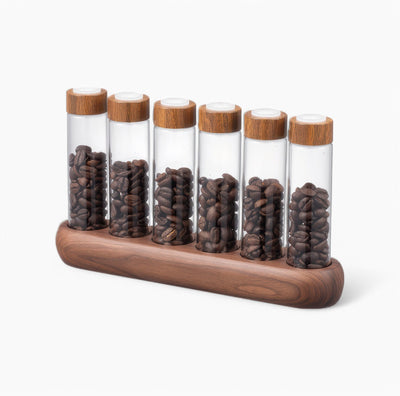
This is where dedicated storage tubes shine. Glass tubes with one-way degassing valves offer individual protection for each origin while making your coffee station look professionally curated.

Elevate Your Coffee Station Storage

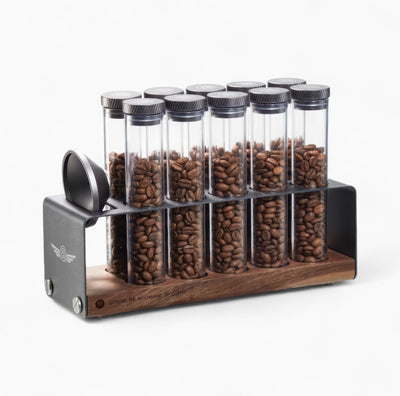
Coffee Bean Storage Tubes with One-Way Degassing Valve
$27.90
$53.00
Store single doses in these precision-engineered glass tubes with patented degassing valves that maintain roaster-fresh flavor while keeping multiple origins organized. Learn more ➔

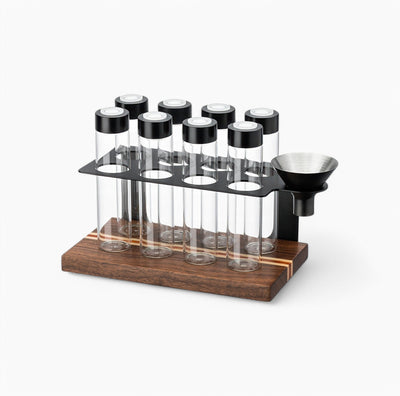
Coffee Bean Storage Tube Set with One-Way Valves
$41.90
$70.00
Display and preserve your bean collection with this elegant wooden rack featuring eight individual glass tubes, each fitted with professional degassing valves. Learn more ➔
The science of coffee degassing shows that beans continue releasing CO2 for approximately 72 hours after roasting. Storage solutions with one-way valves accommodate this natural process while maintaining an oxygen-free environment inside the chamber.
Pro Tips for Preserving Coffee Freshness at Home
Beyond choosing the right container, these habits will maximize the lifespan of your beans:
- Track roast dates: Only buy beans with clearly marked roast dates, not expiration dates
- Grind per use: Whole beans last significantly longer than pre-ground coffee—never grind more than you need for immediate brewing
- Minimize container opening: Every time you open a canister, oxygen enters. Consider transferring daily portions to a smaller working container
- Keep away from strong odors: That container in the spice cabinet? Move it. Coffee absorbs everything
Conclusion: Fresh Beans Start with Smart Storage
Whether you're brewing your first pour-over or pulling precise espresso shots, the quality of your beans dictates the quality of your cup. Learning how to store coffee beans properly isn't just about extending shelf life—it's about preserving the craft that farmers and roasters invested in every batch.
The right storage solutions eliminate guesswork and protect your investment. At Rethink Cafe, we engineer storage systems specifically for home baristas who refuse to compromise. From our vacuum seal coffee bean canisters with integrated CO2 valves to our precision dosing tubes, every product addresses the real challenges of coffee bean preservation.
Don't let improper storage steal the complexity from your morning ritual. Invest in proper containers, develop consistent habits, and taste what your coffee was always meant to be.
Frequently Asked Questions about Coffee Bean Storage
Freezer storage can work for extending shelf life beyond one month, but it requires proper technique. Beans must be stored in truly airtight, freezer-safe containers—never in the original bag. Divide beans into single-use portions before freezing, and allow them to come completely to room temperature before opening to prevent condensation. Never refreeze thawed beans. For daily use, room temperature storage in an airtight canister yields better results without the condensation risks.
Coffee beans maintain peak flavor between 5-14 days post-roast, remain good for 2-4 weeks, and show noticeable staleness after 6+ weeks. These timelines assume proper storage in an airtight, opaque container. Beans left in open bags degrade multiple times faster. Proper storage with CO2-release valves can extend the "good flavor window" to 6 weeks or more. Always check roast dates and buy only what you'll consume within a month.
The best coffee bean storage containers combine four essential features: airtight seals with silicone gaskets, one-way CO2 exhaust valves, opaque or stainless steel bodies for light protection, and durable construction. Look for containers with date tracking dials to monitor freshness. Avoid clear glass containers exposed to light or plastic containers that retain odors. Premium stainless steel canisters with integrated valves offer the ideal balance of protection and convenience for home baristas.
While high-quality coffee bags include one-way valves and sealed closures, they rarely match the airtight performance of dedicated canisters for ongoing storage. Once opened, bags don't reseal perfectly and expose beans to oxygen each time they're opened. Transferring beans to a purpose-built canister with an airtight seal, CO2 valve, and light protection provides superior preservation. Keep beans in the original sealed bag only if consuming within a few days and if the bag remains unopened.
Vacuum sealing can extend freshness by removing oxygen from the storage environment. However, freshly roasted beans continue releasing CO2 for 72+ hours after roasting. Without a one-way valve, vacuum-sealed bags swell and potentially burst as internal pressure builds. For optimal results, vacuum seal beans 3-4 days post-roast to allow initial degassing, or use containers specifically designed with CO2 exhaust valves. These systems maintain vacuum-sealed conditions while allowing natural gas release.


