
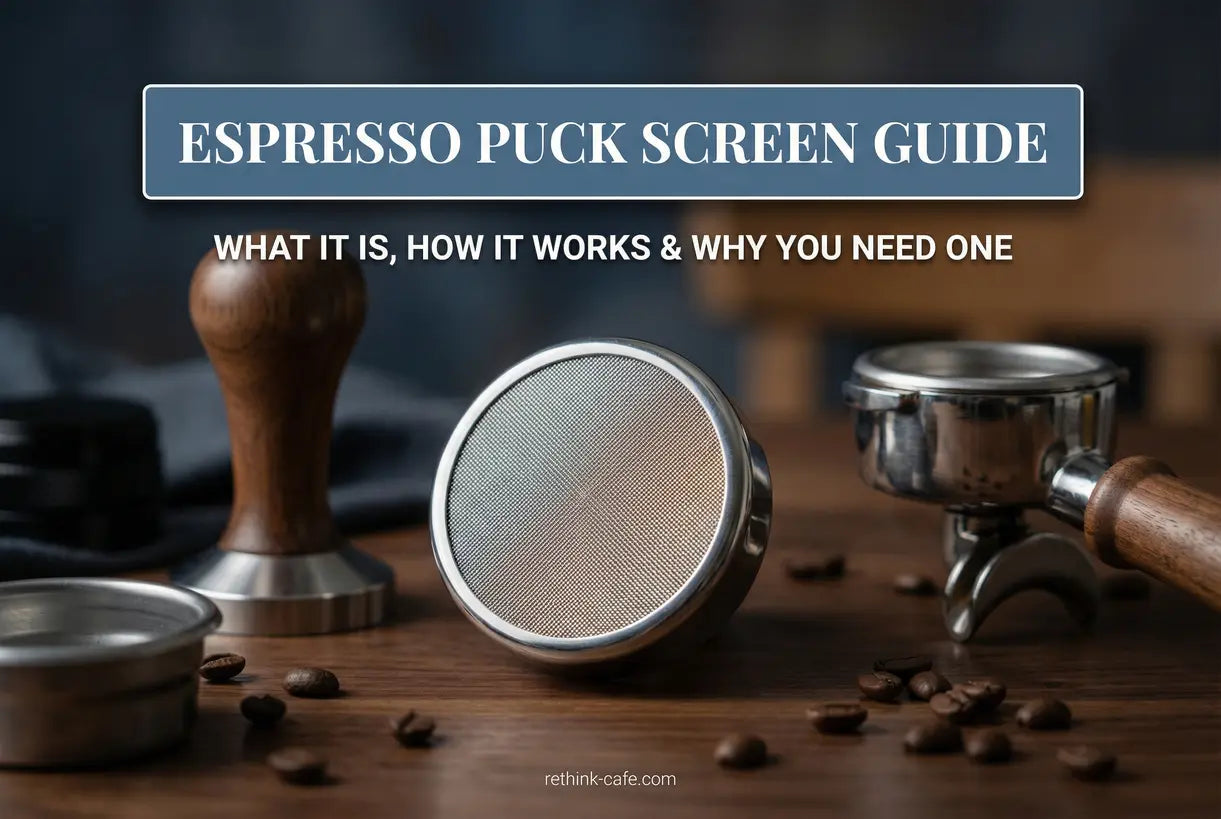
If you're chasing that perfect espresso shot at home, you've probably already invested in a quality grinder and dialed in your tamping technique. But there's one small accessory that could be the missing link between good espresso and truly exceptional extractions: the espresso puck screen. This thin metal disc is quickly becoming essential gear for home baristas who refuse to compromise on shot quality.
In this guide, we'll cover what an espresso puck screen is, how it transforms your extraction process, and why serious coffee enthusiasts consider it a non-negotiable part of their workflow. By the end, you'll understand exactly how this inexpensive tool can solve some of the most frustrating espresso problems—and why the right puck screen makes all the difference in your daily brewing routine.

What Is an Espresso Puck Screen?
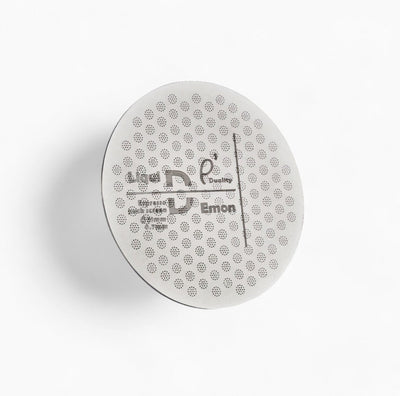
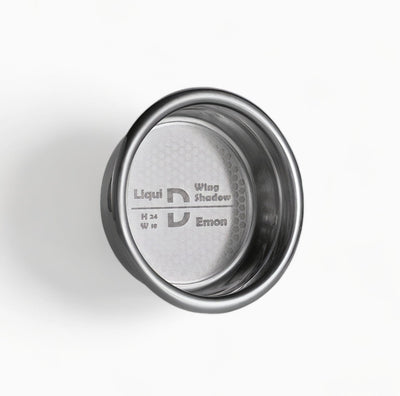
An espresso puck screen—also called a puck screen or coffee puck screen—is a thin, perforated metal disc that sits on top of your coffee grounds inside the portafilter basket. Typically made from food-grade stainless steel, these screens feature micro-perforations (usually around 0.15mm) that create a secondary water distribution layer between your espresso machine's group head and the coffee puck.
Think of it as a protective barrier and water diffuser combined. When brewing, the screen intercepts the high-pressure water stream from your machine and spreads it evenly across the surface of your coffee bed before extraction begins. This simple mechanical intervention addresses one of the biggest enemies of good espresso: channeling.
Channeling occurs when water finds paths of least resistance through your coffee puck, creating uneven extraction. Some areas get over-extracted and bitter, while others remain under-extracted and sour. The result? A muddled, inconsistent shot that doesn't showcase your beans' true potential. A quality puck screen prevents this by ensuring water hits your grounds with uniform distribution.
How Espresso Puck Screens Work: The Science Behind Better Extraction
The mechanics are elegantly simple. Without a puck screen, water jets directly from your machine's shower screen onto specific points of the coffee surface. Even with E61 group heads or precision shower screens, water can create mushrooming—forcing grounds upward and creating weak spots in your puck.
When you place an espresso puck screen on top of your tamped grounds, the micro-perforations create a diffusion layer. Water spreads laterally across the metal surface before gently penetrating the coffee bed. This:
- Eliminates high-pressure impact points that disturb puck integrity
- Creates even water distribution across the entire surface area
- Reduces the chance of dry spots or channel formation
- Maintains puck structure throughout the extraction process

The thickness of your puck screen matters too. Most home baristas find that 0.8mm puck screens offer the ideal balance between water diffusion and headroom in the portafilter. Thicker 1.7mm screens exist, but they can limit your dose capacity and may not fit all grinder-to-portafilter workflows.
For deeper insights into whether puck screens genuinely improve extraction, watch this detailed breakdown:
Do Espresso Puck Screens Make a Difference? The Real Benefits
Absolutely. If you're serious about shot consistency, a puck screen delivers measurable improvements to your espresso workflow:
1. Superior Water Distribution
The primary benefit is channeling prevention. By breaking up the water stream before it contacts your grounds, the screen forces even saturation across the entire puck surface. This translates to more uniform extraction and clearer flavor profiles in your cup.
2. Cleaner Machine Maintenance
Your espresso machine's shower screen and group head stay significantly cleaner. The puck screen catches oils and coffee particles that would otherwise bake onto your machine's internal components. Less deep cleaning, more time actually enjoying coffee.
3. Reduced Channeling
Channeling doesn't just taste bad—it wastes expensive specialty coffee. A puck screen acts as insurance against the micro-fractures and density variations that cause uneven extraction, especially important if you single-dose grind or use lighter roast beans that require more precise extraction.
4. Better Pressure Dynamics
The screen creates slight back pressure that helps pre-infusion occur more gradually. This gentle start to extraction often improves the body and sweetness in lighter roasts and helps prevent the harsh, astringent qualities that come from aggressive water breakthrough.

How to Use an Espresso Puck Screen in Your Workflow
Integrating a puck screen into your routine is straightforward, but technique matters for optimal results:
- Dose and distribute your grounds as normal. Level the coffee bed using your preferred method—WDT tool, distribution tool, or finger leveling.
- Tamp with consistent pressure. The puck screen sits on top of your tamped puck, so don't tamp differently than usual.
- Place the screen flush on the tamped surface. The Dual Layer Espresso Puck Screen for Even Extraction sits just 0.8mm thick, leaving plenty of clearance in your portafilter.
- Lock in immediately or let sit briefly for pre-infusion benefits—experiment to see what works with your machine's dynamics.
- Extract as normal and evaluate the results. Look for more even color in your spent puck and often more consistent flow rates.

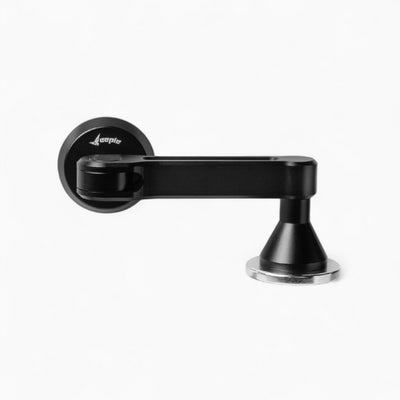
After extraction, simply tap the portafilter to remove the screen along with your puck, rinse under warm water, and store. The Magnetic Puck Screen Holder with 270 Adjustable Mount eliminates the frustration of handling hot screens after brewing—its 500g magnetic clamping force lifts screens in under two seconds, keeping your workflow smooth and your fingers safe.

Dual Layer Espresso Puck Screen for Even Extraction
$17.90 $30.00
Stop channeling with this ultra-thin 0.8mm dual-layer screen. 0.15mm micro-perforations distribute water evenly for balanced extractions. Available in 51mm, 54mm, and 58mm sizes.
Explore ProductDo Professional Baristas Use Puck Screens?
Yes—and increasingly so. While competition baristas have been using puck screens for years to ensure consistency under pressure, the trend has moved into high-end specialty cafes and serious home setups. James Hoffman's influential YouTube testing (James Hoffmann YouTube Channel) brought significant attention to puck screens, demonstrating measurable improvements in extraction percentages.
Cafe environments particularly benefit because puck screens act as a buffer against the minor inconsistencies that occur when multiple baristas prepare shots throughout the day. For home use, they provide insurance against distribution imperfections and grinder variability that can plague single-dosing workflows.
Puck Screen Materials and Sizing: What to Look For
When shopping for your first puck screen, focus on these specifications:
- Material: SUS304 stainless steel is the industry standard—food-safe, corrosion-resistant, and durable enough for daily use.
- Perforation size: 0.15mm micro-perforations offer optimal water distribution without restricting flow.
- Thickness: 0.8mm screens fit most home setups; 1.7mm screens suit specific competition or commercial applications but reduce clearance.
- Portafilter size: Match your basket size exactly—51mm, 54mm, or 58mm are the most common standards.
Essential Puck Screen Solutions

0.8mm Espresso Puck Screen for Even Extraction
$15.90
$33.00
Precision-etched 0.15mm micro-pores create a secondary water distribution layer. SUS304 stainless steel construction for years of daily use. Fits all common portafilter sizes. Learn more ➔

Magnetic Puck Screen Holder with 270 Adjustable Mount
$21.90
$65.00
Eliminate burned fingers with this wall-mounted holder. 500g magnetic clamping force lifts hot screens in under two seconds. Compatible with 51mm, 54mm, and 58mm puck screens. Learn more ➔
How Often Should You Replace Your Espresso Puck Screen?
Quality stainless steel puck screens are incredibly durable. With proper care, a single screen can last years of daily use. The key maintenance is simple: rinse immediately after use to prevent oil buildup, and occasionally soak in espresso machine detergent if you notice any discoloration or flavor carryover.
You'll know it's time for replacement if you see:
- Visible warping or bending that prevents flat contact with the puck
- Clogged perforations that won't clear with cleaning
- Corrosion or pitting in the metal (rare with SUS304 steel)
Realistically, most home baristas replace puck screens due to upgrading equipment or losing them, not because they wear out. It's one of the most cost-effective longevity investments in your espresso toolkit.
Conclusion: Transform Your Espresso Consistency
The espresso puck screen represents one of those rare coffee accessories that delivers immediate, noticeable results for minimal investment. By solving the fundamental problem of water distribution and channeling prevention, these thin metal discs help you extract the full potential from every bag of specialty beans you bring home.
Whether you're fighting inconsistent extractions, messy group heads, or simply want to see if your shots can taste even better, a puck screen belongs in your workflow. At Rethink Cafe, we've curated the essential tools for home baristas who refuse to compromise—from precision screens to smart storage solutions like the Magnetic Puck Screen Holder that keeps your station organized.
Ready to experience what even water distribution can do for your daily espresso? Browse our complete puck screen collection and find the perfect fit for your machine.
Frequently Asked Questions about Espresso Puck Screens
Yes, espresso puck screens make a measurable difference in extraction quality. They prevent channeling by distributing water evenly across the coffee bed, resulting in more consistent extractions and cleaner machine maintenance. Many home baristas report improved sweetness and clarity in their shots after adding a puck screen to their workflow.
An espresso puck screen is a thin, perforated stainless steel disc that sits on top of your tamped coffee grounds in the portafilter. It creates a secondary water distribution layer that spreads high-pressure water evenly before it contacts the coffee, preventing channeling and ensuring uniform extraction.
Quality stainless steel puck screens (like those made from SUS304 steel) can last years of daily use with proper care. Replace yours only if you notice warping, clogged perforations that won't clean, or corrosion. Regular rinsing after use preserves longevity indefinitely.
Yes, many professional and competition baristas use puck screens to ensure consistency under pressure. The practice has expanded into specialty cafes and serious home espresso setups as awareness of their extraction benefits has grown through coffee community discussion and influencer testing.
Using a puck screen is simple: dose and tamp your coffee as normal, then place the screen flat on top of the tamped puck. Lock your portafilter into the machine and extract immediately. After brewing, rinse the screen with warm water to remove oils and coffee residue.


