Mastering espresso grounds is the single most important skill any home barista can develop. Whether you have just unboxed your first espresso machine or you are refining your technique to rival your favorite cafe, understanding how fine to grind and why it matters will transform your daily coffee ritual. The grind size of your espresso grounds directly controls extraction, flavor balance, and the overall quality of every shot you pull. In this comprehensive guide, we will explore the science behind espresso particle size, teach you how to identify when adjustments are needed, and show you the tools that make dialing in your grind size effortless.
What Is Espresso Grind Size?
Espresso grind size refers to the specific particle diameter of your coffee grounds measured in microns. Unlike drip coffee or French press, espresso requires an extremely fine grind—typically between 200 and 400 microns in diameter. To visualize this, imagine the texture of fine table salt or powdered sugar. This fineness is essential because espresso extraction happens under intense pressure (9 bars) over a short time period (25-30 seconds). The smaller the particles, the greater the surface area exposed to hot water, allowing for rapid and complete extraction of flavors, oils, and aromatics.
How Fine Should Espresso Grind Be?
The ideal espresso grind falls into a specific spectrum: fine enough to create resistance against the 9 bars of pressure from your machine, yet coarse enough to allow water to flow through at the proper rate. When you pinch espresso grounds between your fingers, they should feel gritty but powdery, similar to sand you might find between your toes at the beach but finer.
| Grind Size | Texture | Visual Reference | Shot Time Result |
|---|---|---|---|
| Too Coarse | Gritty, visible particles | Coarse sea salt | Under 20 seconds |
| Ideal | Fine but not powdery | Fine table salt | 25-30 seconds |
| Too Fine | Pasty, clumps when pinched | Flour | Over 35 seconds |
The precise grind setting varies based on your specific beans, roast level, machine, and even ambient humidity. This is why professional baristas constantly adjust their grinders throughout the day. Your goal is to achieve what industry professionals call the "sweet spot"—where extraction yields balanced flavors without bitterness or sourness.
Key Insight: Most home baristas start too coarse and gradually work finer until they find resistance that produces a 25-30 second shot. This method, called "dialing in," prevents the frustration of completely choked shots.

Why Grind Size Matters for Extraction
Grind size is the primary variable controlling extraction because it determines how water interacts with coffee particles. When water meets finely ground coffee, it dissolves soluble compounds rapidly. If your grind is too coarse, water rushes through too quickly, under-extracting the coffee and leaving behind desirable flavors. This results in sour, thin, and weak espresso. Conversely, if your grind is too fine, water cannot penetrate the puck effectively, leading to over-extraction and bitter, harsh flavors.
The science is straightforward: smaller particles mean more surface area per gram of coffee, which increases the rate of extraction. Espresso grounds must be fine enough to slow the water significantly but not so fine that they create an impassable barrier. This balance is what makes espresso both challenging and rewarding to master.
Signs Your Grind Size Needs Adjustment
Learning to read visual and taste cues is essential for dialing in espresso. Your equipment tells you exactly what adjustments are needed—you just need to learn the language.
Visual Indicators
- Fast flow: Espresso streams out rapidly with blonde, watery color indicates coarse grind
- Channeling: Water finds paths through weak spots, creating spurts and uneven extraction
- Slow drip: Barely any liquid emerges, or it starts as thick honey then stalls completely
- Puck condition: Wet, sloppy pucks suggest coarse grind; rock-hard, dry pucks suggest very fine grind
Taste Indicators
- Sour and lacking body: Grind finer to increase extraction
- Bitter and astringent: Grind coarser to decrease extraction
- Both sour and bitter (muddled): Indicates channeling from uneven grind distribution
Understanding these signals helps you make precise adjustments rather than guessing. Research from the Specialty Coffee Association confirms that consistent grind size is the foundation of reproducible results.
Dialing In Your Espresso Grind
Dialing in is the process of adjusting your grinder until you achieve the target extraction parameters. Start with a baseline setting recommended for your grinder model, then pull a test shot. Time from the moment you engage the pump until 36 grams of liquid has been extracted (this is your target yield from 18 grams of coffee grounds). If the shot completes in under 25 seconds, adjust your grinder one increment finer. If it takes over 30 seconds, go one step coarser. Make only one adjustment at a time and document your settings.
The frustration many home baristas face comes from inconsistent grinders that produce a mix of fine dust and coarse boulders rather than uniform particles. This inconsistency creates channeling and unpredictable extraction regardless of your average grind setting. Investing in a quality burr grinder specifically designed for espresso eliminates this variable, giving you precise control over your results.

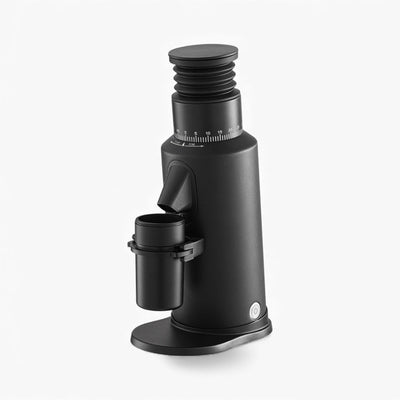
Precision matters when dialing in. Grinders with micro-adjustment capabilities allow you to make minute changes that significantly impact extraction. The Mechanic E-Grinder Precision Conical Burr Coffee Grinder was engineered specifically for this level of control, enabling home baristas to achieve professional-grade consistency.

Mechanic E-Grinder Precision Conical Burr Coffee Grinder
$375.90 $650.00
Take full command of your espresso grind size with 100 grind steps at 0.016mm precision and 48mm CNC stainless steel conical burrs for uniform extraction.
Explore Product

Grind Consistency and Static Issues
Even with the correct average grind size, inconsistent particle distribution ruins espresso. Boulders (large particles) create paths for water to channel through, while fines (microscopic dust) clog the puck and cause uneven extraction. The best grinders use precision-engineered burrs to minimize this variance, producing a tight particle distribution curve.

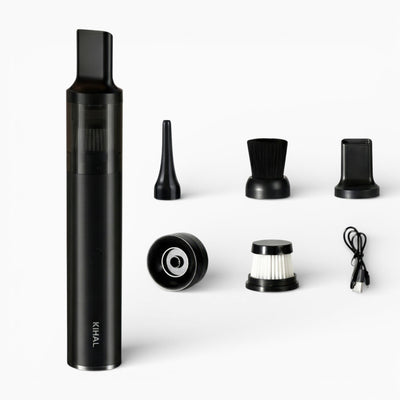
Another common frustration is static electricity causing espresso grounds to cling to grinder chutes and scatter across your counter. This not only wastes precious coffee but also makes dosing accurately impossible. Static buildup is particularly problematic in dry climates and with certain bean compositions. Solutions range from the Ross Droplet Technique (adding a tiny amount of water to beans before grinding) to specialized tools that eliminate static at the source.
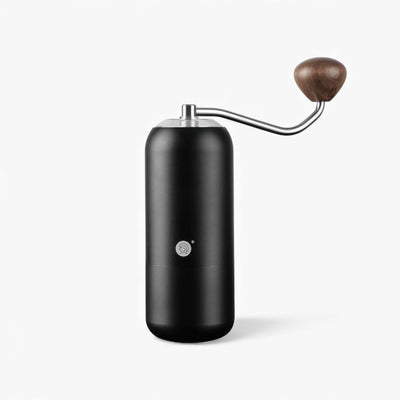
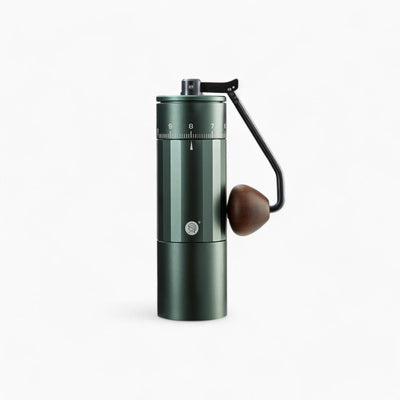
Whether you are grinding at home or while traveling, maintaining consistent espresso grind size requires reliable equipment. Compact grinders designed specifically for espresso ensure you never compromise on quality, while anti-static accessories preserve every gram of your precious grounds. The Mini Rui Compact Travel Coffee Grinder for Espresso delivers professional grinding capabilities in a portable package, and pairing your grinder with the Electric Anti-Static Bean Sprayer ensures maximum yield from every dose.
Elevate Your Espresso Grinding Setup

Mini Rui Compact Travel Coffee Grinder for Espresso
$116.90
$181.00
Achieve consistent grind size anywhere with this palm-sized grinder featuring six-axis precision burr engineered for repeatable espresso results on the go. Learn more ➔

Electric Anti-Static Bean Sprayer for Espresso
$25.90
$87.00
Stop losing precious espresso grounds to static cling with this electric sprayer delivering a controlled 16um nano-mist for cleaner, more accurate dosing. Learn more ➔
Grind Size and Bean Variability
No single grind setting works for every coffee bean. Roast level dramatically affects density and brittleness, requiring adjustment. Darker roasts are more brittle and extract faster, often needing a slightly coarser grind. Lighter roasts are denser and harder to extract, benefiting from finer grinding. Origin, processing method, and age of the beans all influence the optimal grind setting.
When you switch between different coffees, expect to spend 2-3 shots dialing in the new grind. This is normal and expected. Professional baristas do not use the same setting all day—they adjust continuously as environmental conditions and coffee characteristics change. Perfect Daily Grind offers excellent resources on how origin and processing affect optimal grind size.
Pro Tip: Keep a brewing journal documenting your grind settings for different beans. Include roast date, roast level, and environmental conditions. This reference accelerates your dialing-in process and helps you consistently achieve great results.
Conclusion
Understanding espresso grind size transforms your home espresso from frustrating guesswork into a repeatable craft. The fineness of your espresso grounds controls extraction, determines flavor balance, and ultimately decides whether your morning shot delights or disappoints. By learning to read the signs your equipment provides and making systematic adjustments, you develop an intuitive sense for dialing in that improves with every session.
At Rethink Cafe, we believe the right tools remove barriers between you and exceptional coffee. Whether you need the precision of the Mechanic E-Grinder for daily home use, the portability of the Mini Rui Travel Grinder for coffee on the go, or the efficiency of the Electric Anti-Static Bean Sprayer to preserve every precious gram, we equip home baristas with gear engineered for results. Your perfect espresso is waiting—adjust your grind, trust the process, and taste the difference precision makes.
Frequently Asked Questions about Espresso Grind Size
Espresso grind should be fine, similar to the texture of fine table salt or powdered sugar. When pinched between your fingers, it should feel gritty but powdery, not pasty like flour. The ideal particle size typically falls between 200-400 microns. The grind must be fine enough to create sufficient resistance for 9 bars of pressure during a 25-30 second extraction, but not so fine that it blocks water flow completely.
If espresso grind is too fine, water cannot penetrate the coffee puck effectively, causing the shot to pull extremely slowly (over 35 seconds) or not at all. The resulting espresso will be over-extracted, tasting bitter, astringent, and harsh. You may also see dark, syrupy drops initially that then stall completely. The spent puck will be rock-hard and difficult to knock out, often leaving residue in the portafilter basket.
You know your espresso grind is correct when your shot extracts in 25-30 seconds, yielding a steady stream of dark brown liquid that transitions to golden honey color with caramel streaks (tiger striping). The taste should be balanced—sweet with pleasant acidity and no harsh bitterness. Visual cues include a smooth, even flow without spurting or channeling. If your espresso tastes sour and thin, grind finer; if bitter and harsh, grind coarser.
Espresso running too fast (under 20 seconds) indicates your grind is too coarse, allowing water to rush through without proper resistance. This causes under-extraction, resulting in sour, weak, watery espresso with little crema. Other causes include insufficient coffee dose, poor tamping technique creating gaps, or channeling from uneven distribution. Adjust your grinder finer by one increment and test again until you reach the target 25-30 second extraction time.
No, you cannot use the same grind size for all espresso beans. Different beans require different grind settings based on roast level, density, origin, processing method, and age. Darker roasts are more brittle and extract faster, often requiring a slightly coarser grind. Lighter roasts are denser and need finer grinding for proper extraction. Even the same coffee will need adjustment as it ages after roasting. Expect to dial in 2-3 shots when switching between different coffees.