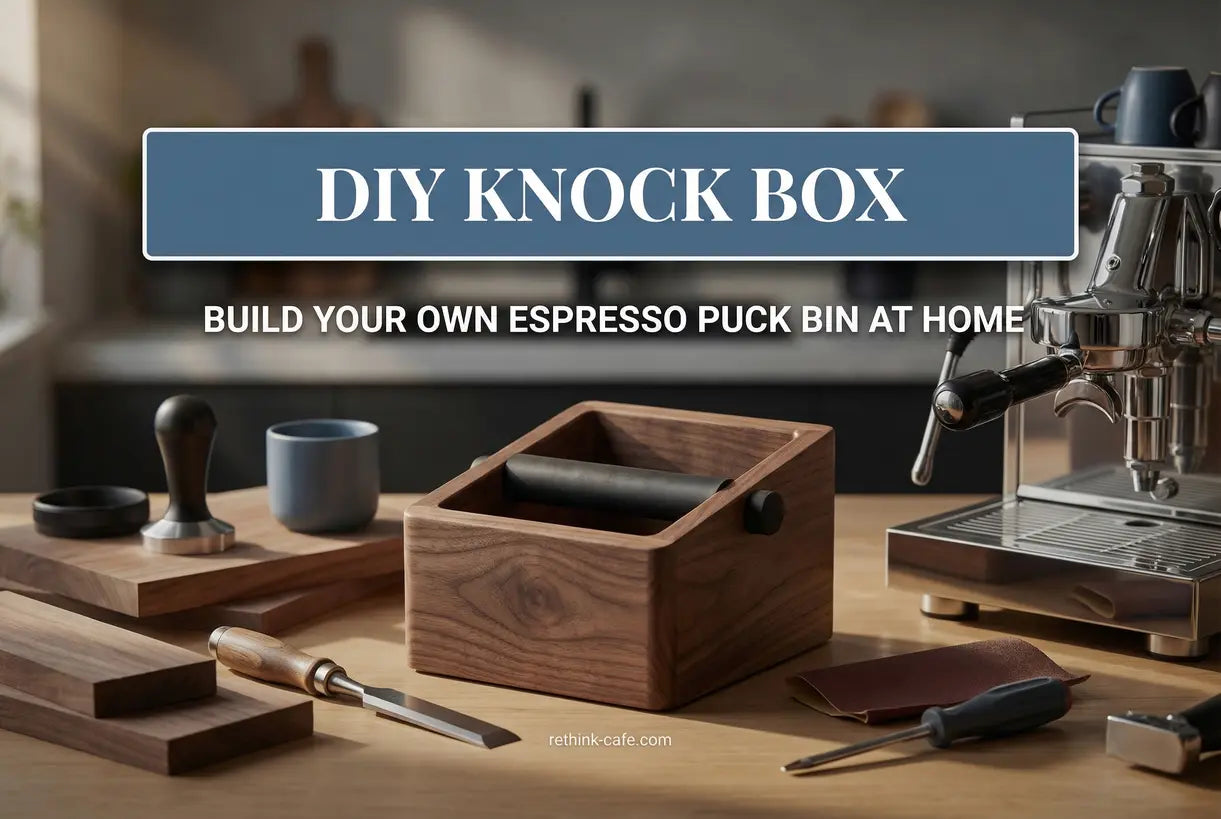
Building your own espresso knock box is one of the most satisfying DIY projects for home baristas. Whether you're tired of messy puck disposal or simply want to customize your coffee station, a DIY knock box offers an affordable, personalized solution that matches your exact workflow and aesthetic preferences.
In this guide, you'll discover everything you need to know about creating a functional homemade knock box using simple materials. We'll explore popular designs, material options including budget-friendly Ikea hacks, and essential features that make your DIY creation actually work in daily espresso preparation. By the end, you'll know whether to grab your tools or consider a professionally engineered alternative from Rethink Cafe.
What Is a Knock Box and Why Build Your Own?
A knock box is an essential barista accessory designed specifically for tapping out spent espresso pucks from your portafilter. Instead of walking to the trash can between every shot, you have a dedicated container right at your espresso machine—streamlining your workflow and keeping your station clean.
The appeal of a homemade knock box lies in three key advantages:
- Cost savings: Commercial knock boxes range from $25 to $150+, while DIY versions often cost under $10
- Complete customization: Match your kitchen decor, choose your preferred size, and add personal touches
- Sustainability: Repurpose containers and materials you already have

Materials You'll Need for Your DIY Knock Box
Before diving into construction, gather these essential materials. The beauty of a DIY approach is flexibility—you can adapt based on what you have available.
Container Options
The foundation of your espresso knock box DIY project starts with selecting the right container:
- Plastic food containers: Large yogurt tubs, ice cream containers, or deli containers work perfectly
- Metal tins: Coffee cans or cookie tins offer durability and a satisfying sound
- Wooden boxes: For a premium handcrafted aesthetic that matches wooden coffee stations
- Ikea hack favorites: The FÖRVARA storage box or DRÖNJÖNS waste bin are popular starting points
Impact Bar Materials
The crossbar you tap your portafilter against needs to absorb impact while being gentle on your equipment:
- Wooden dowel or bar: Affordable and easy to customize length
- PVC pipe: Durable and readily available at hardware stores
- Metal rod with rubber coating: Best for noise reduction
- Old portafilter handle: The ultimate coffee enthusiast upcycle
Additional Supplies
- Drill or cutting tool for creating mounting holes
- Screws, nuts, and washers for securing the bar
- Non-slip pads or rubber feet for stability
- Optional: Decorative elements, paint, or sealant
Step-by-Step: Building Your Espresso Knock Box
Here's a straightforward approach to constructing a functional DIY knock box for espresso that will last:
Step 1: Prepare Your Container
Clean your chosen container thoroughly. If using metal, remove any sharp edges. For plastic containers, ensure they're thick enough to handle repeated impact without cracking. Mark two points on opposite sides about 2-3 inches from the top rim for your crossbar mounting holes.
Step 2: Install the Crossbar
Drill holes at your marked points, ensuring they're level. Insert your chosen bar material and secure with washers and nuts on both sides. The bar should sit high enough that you can tap your portafilter comfortably without hitting the container edges.

Step 3: Add Noise-Dampening Features
One common complaint about homemade knock boxes is the noise. Wrap your crossbar in rubber tubing or apply adhesive foam to the impact areas. Some DIYers place a silicone mat inside the bottom of the container to cushion falling pucks.
Step 4: Stabilize Your Creation
Attach adhesive rubber feet or non-slip pads to the bottom corners. This prevents your knock box alternative from sliding when you tap out espresso pucks—a crucial safety and usability feature.
Step 5: Customize and Finish
Sand wooden components smooth, apply food-safe finishes if desired, or paint to match your kitchen. Add any decorative elements that make your coffee knock box uniquely yours.
Popular DIY Knock Box Variations
The coffee community has developed several creative approaches to building custom knock boxes. Here are the most successful designs:
The Ikea Hack Method
One of the most popular searches is DIY knock box Ikea solutions. The DRÖNJÖNS waste bin ($5.99) provides an ideal foundation—it's compact, has clean lines, and the plastic is durable enough for daily use. Simply drill holes for a wooden dowel crossbar, add rubber stoppers underneath, and you have a professional-looking solution for under $10.
The Drawer-Style Integration
For those with limited counter space, building a knock box that slides under your espresso machine or grinder mimics premium drawer-style units. This requires more woodworking skill but creates the ultimate space-efficient home barista setup.
Stationary Wooden Creations
Woodworkers can create stunning knock boxes that double as tamping stations. Using hardwoods like walnut or maple, these become showpieces in your coffee corner. The natural weight of wood provides excellent stability without additional non-slip materials.

Pro Tip: The best DIY knock boxes include a removable inner container for easy cleaning. Consider nesting a smaller plastic container inside your main structure—this makes disposing of pucks simple and keeps your build clean.
When DIY Might Not Be the Best Choice
While building your own espresso puck disposal solution is rewarding, there are scenarios where purchasing a purpose-built knock box makes more sense:
- Noise sensitivity: Professional knock boxes feature engineered rubber bars specifically designed for quiet operation
- Durability concerns: Daily espresso preparation puts significant stress on DIY materials over time
- Time investment: If you value your time at $20+ per hour, a $25 commercial option becomes economically sensible
- Aesthetic consistency: Matching professional-grade equipment with truly polished results
If you're experiencing frustration with your homemade solution—or simply want to compare what professional engineering offers—consider these carefully designed alternatives from Rethink Cafe:

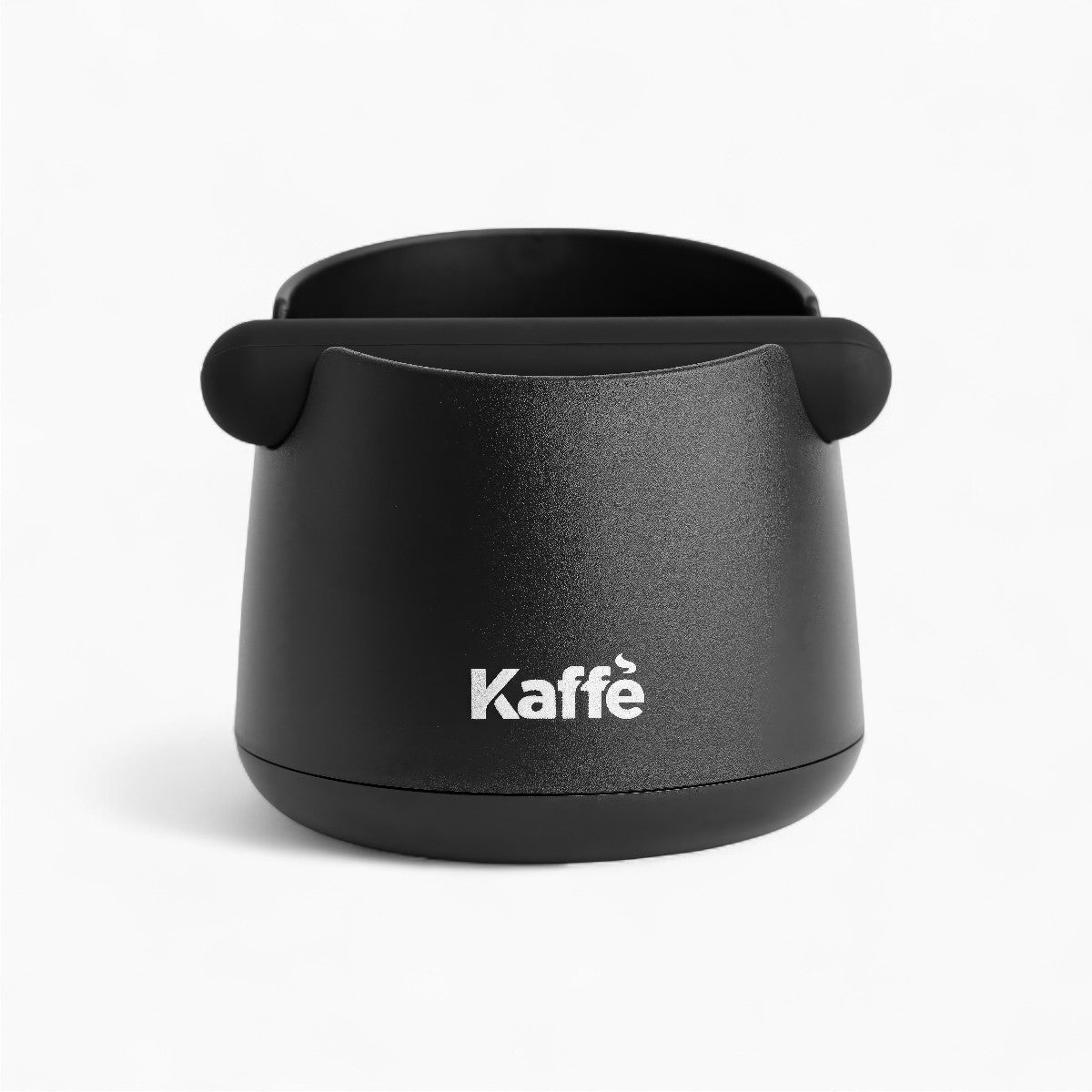
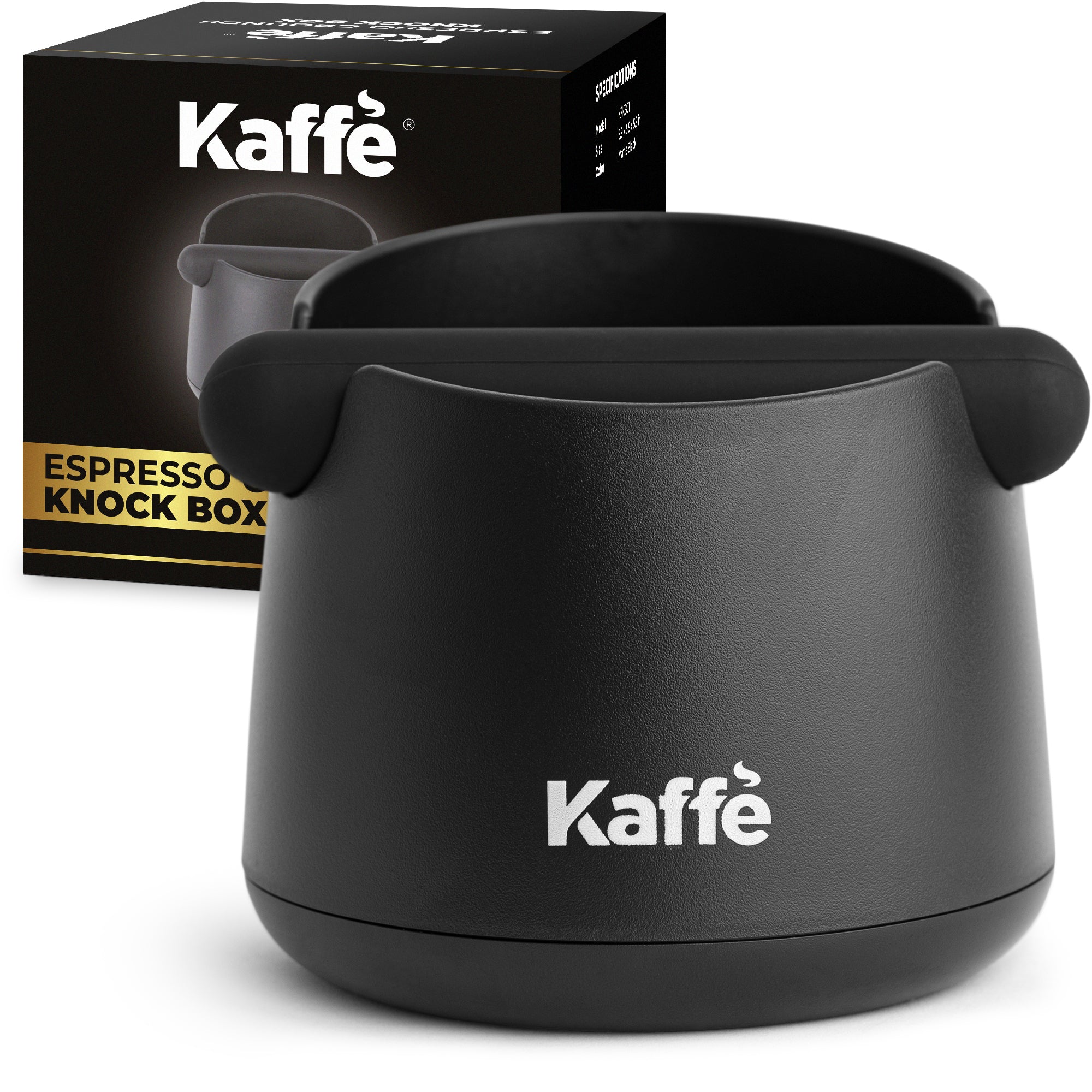
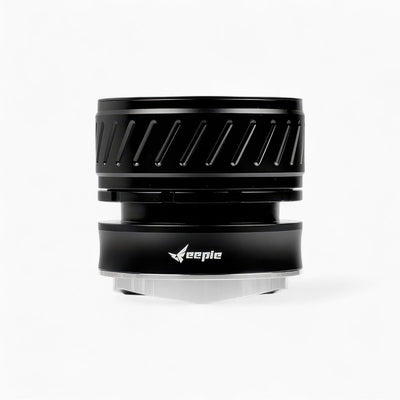
Espresso Knock Box with Rubber Bar and Non-Slip Base
$24.99
Not feeling the DIY route? Grab this ready-to-use knock box with quiet rubber bar and non-slip base for hassle-free puck disposal at just $24.99.
Explore ProductThe Espresso Knock Box with Rubber Bar and Non-Slip Base solves the two biggest DIY challenges immediately: noise reduction and stability. The engineered rubber bar absorbs impact quietly—no more startling household members during early morning espresso preparation. The non-slip base keeps everything firmly planted, even when you're tapping out stubborn pucks.

Elevating Your Coffee Station: Premium Alternatives
For home baristas who appreciate the DIY aesthetic but demand professional performance, these upgraded options deliver the best of both worlds:
Professional Knock Box Solutions

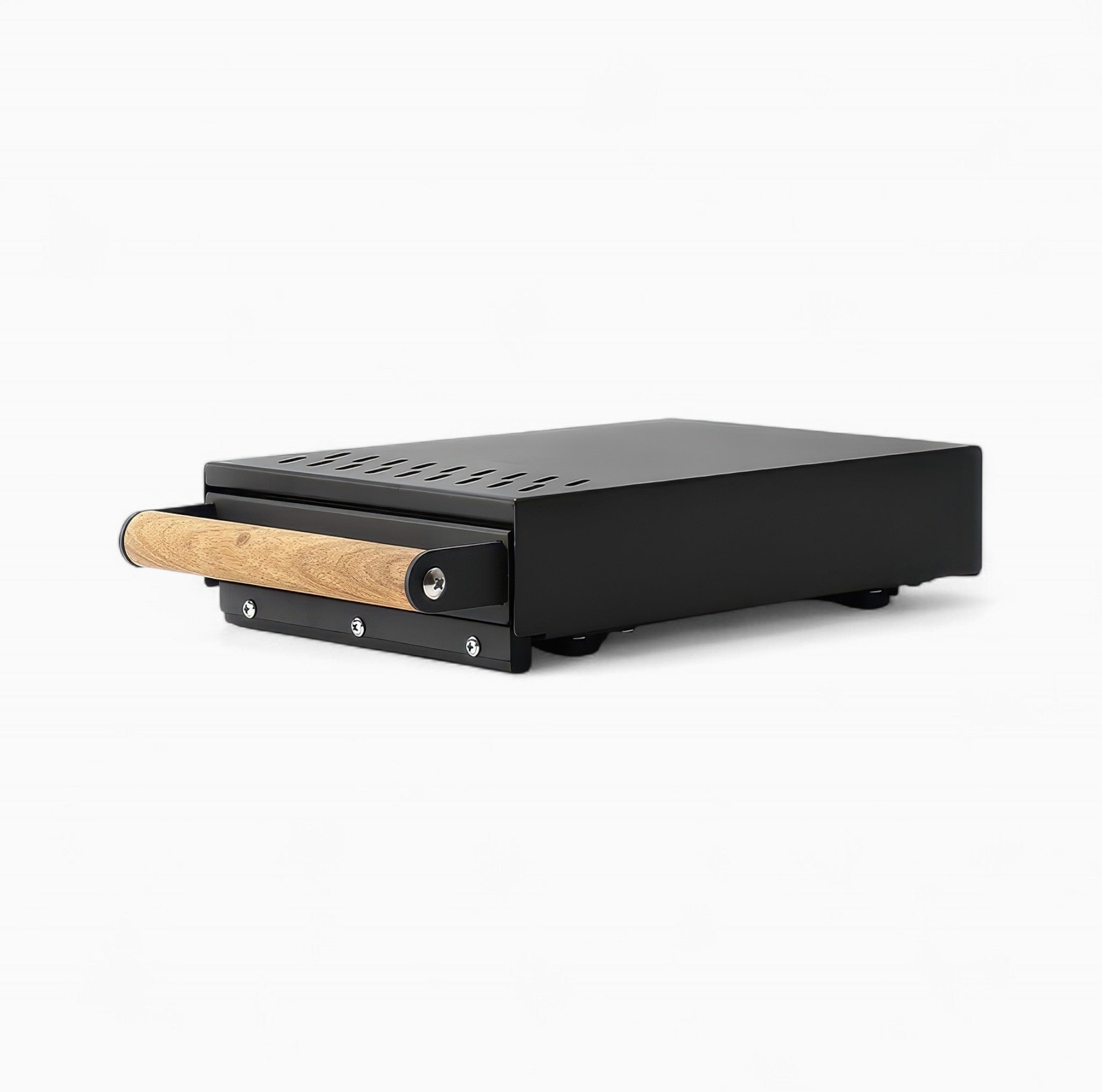
Drawer Coffee Knock Box Heavy Duty Steel Design
$79.90
$83.00
Upgrade your setup with this premium drawer-style knock box - heavy-duty steel construction that sits under your machine for ultimate space efficiency. Learn more ➔

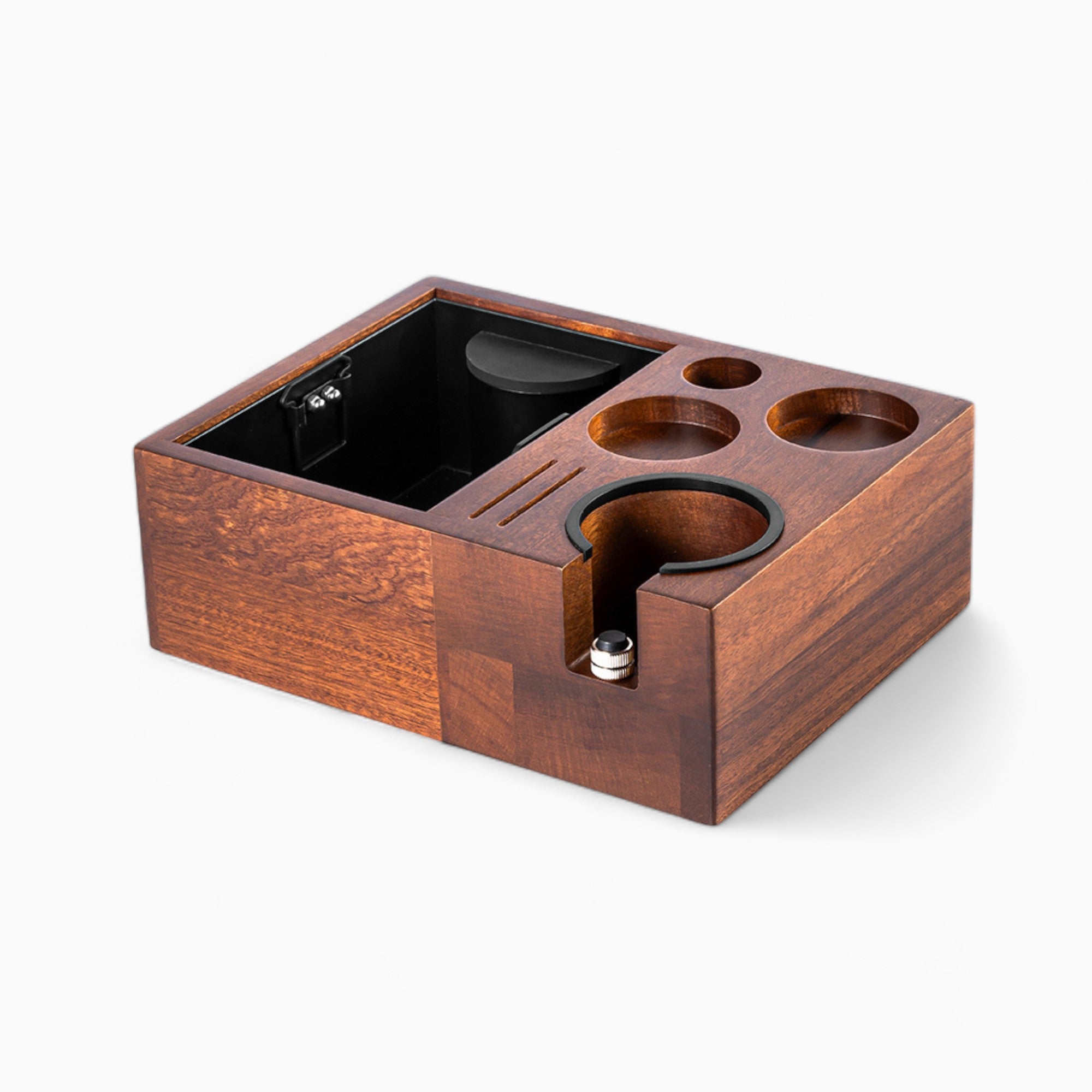
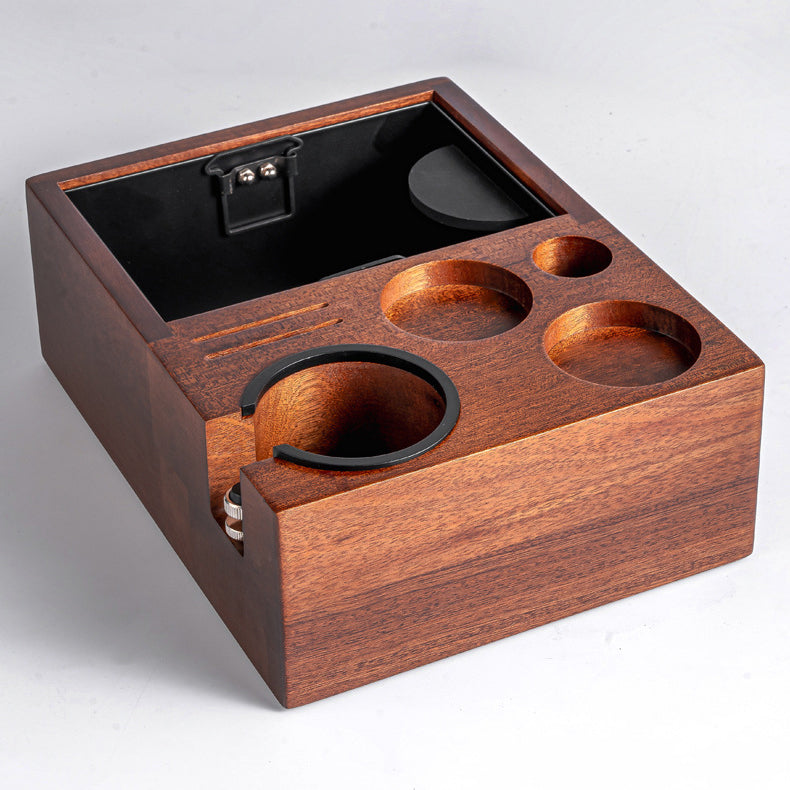
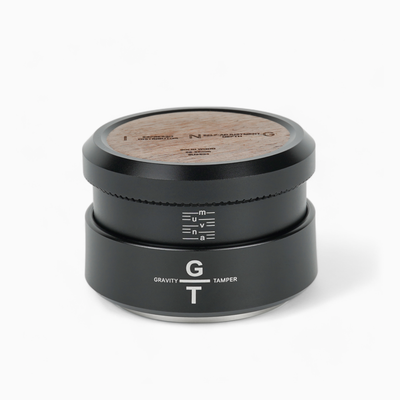
Solid Wood Espresso Tamper Station with Knock Box
$89.90
$150.00
Love the DIY aesthetic? This solid wood tamper station with integrated knock box brings that handcrafted warmth to your espresso corner for $89.90. Learn more ➔
The Drawer Coffee Knock Box Heavy Duty Steel Design represents the ultimate evolution of space-efficient puck disposal. Unlike DIY drawer attempts that often jam or lack proper clearance, this heavy-duty steel unit provides smooth operation and sits perfectly under your espresso machine—reclaiming valuable counter space while keeping your workflow seamless.
If you love the warmth of wood in your DIY projects but want professional-grade functionality, the Solid Wood Espresso Tamper Station with Knock Box delivers that handcrafted aesthetic without the trial-and-error of building your own. The integrated design combines your tamping surface and puck disposal into one elegant piece that becomes the centerpiece of your coffee station.
Ready to Upgrade? Explore our complete collection of espresso knock boxes and accessories designed specifically for home baristas who demand professional results.
Maintenance Tips for Any Knock Box
Whether you build your own or purchase from Rethink Cafe, proper maintenance ensures longevity and hygiene:
- Empty daily: Spent coffee pucks create moisture—empty your box after each session
- Weekly deep clean: Wash with warm soapy water, paying attention to the impact bar area
- Monthly inspection: Check screws, rubber components, and structural integrity
- Dry thoroughly: Prevent mold by ensuring complete drying before reassembly
For more detailed guidance on keeping your equipment pristine, see our maintenance resources at Rethink Cafe.
Conclusion: Crafting Your Perfect Espresso Workflow
Building a DIY knock box is an accessible, rewarding project that can save money and add personal character to your coffee station. With basic materials—whether from Ikea, your recycling bin, or the hardware store—you can create a functional espresso puck disposal solution that improves your daily workflow.
However, the true value of your time and the quality of your espresso experience matter. When DIY frustrations arise—whether from excessive noise, instability, or wear and tear—professionally engineered solutions from Rethink Cafe offer immediate, affordable upgrades that respect both your craft and your kitchen.
From the quiet operation of our rubber-bar knock boxes to the space-saving elegance of drawer designs and the handcrafted beauty of solid wood stations, we provide options that match any home barista setup. Whether you build or buy, the goal remains the same: creating a seamless, enjoyable espresso ritual that starts every morning perfectly.
Frequently Asked Questions about DIY Knock Boxes
Yes, a knock box is absolutely worth it for anyone making espresso regularly. It streamlines your workflow by providing a dedicated spot to dispose of spent pucks, eliminating trips to the trash can between shots. Even a simple DIY knock box or an affordable option like the Espresso Knock Box with Rubber Bar significantly improves efficiency and keeps your coffee station cleaner.
Prevent mold by emptying your knock box daily and allowing moisture to evaporate. Coffee grounds retain moisture, creating an ideal environment for mold growth. Clean your box weekly with warm soapy water, dry it thoroughly before reusing, and consider choosing materials like stainless steel or quality plastics that resist bacterial growth better than porous materials.
A knock box is a standalone container that sits on your counter, while a knock drawer slides under your espresso machine or grinder to save space. Knock drawers like the Drawer Coffee Knock Box are ideal for smaller kitchens, whereas traditional knock boxes offer more capacity and are easier to move and clean. Both serve the same fundamental purpose of puck disposal.
The best knock box depends on your specific needs. For most home baristas, a box with a rubber impact bar, non-slip base, and adequate capacity works perfectly. Options range from DIY solutions under $10 to premium choices like the Solid Wood Espresso Tamper Station with Knock Box for those wanting integrated functionality and aesthetic appeal. Consider your space, budget, and daily espresso volume when choosing.
Basic DIY knock box materials include a sturdy container (plastic food container, coffee can, or wooden box), a crossbar material (wooden dowel, PVC pipe, or metal rod), mounting hardware (screws, washers, nuts), and non-slip pads for stability. Optional additions include rubber tubing for the bar to reduce noise and paint or sealant for customization. Popular budget options include repurposed Ikea containers or large yogurt tubs.