
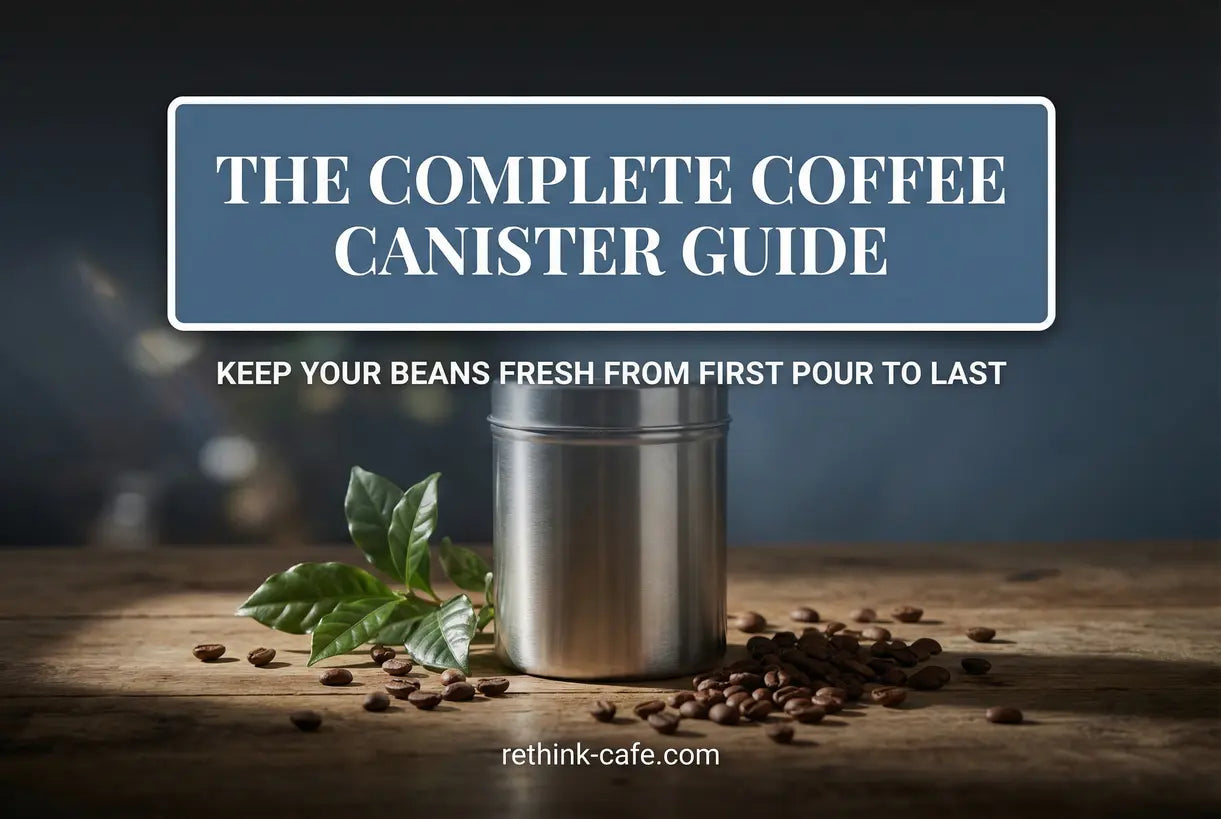
You've invested in premium specialty beans, dialed in your grind size, and perfected your espresso technique. Yet something still tastes off in your morning cup. The culprit? Improper coffee storage. Coffee begins losing its vibrant flavors and aromatic oils the moment it's exposed to oxygen, light, heat, and moisture. Understanding how to preserve your beans is just as critical as mastering your brewing method, and the right coffee canister serves as your first line of defense against the enemies of freshness.
Whether you're storing whole beans for your espresso setup or keeping pre-ground coffee ready for your morning pour-over, choosing the proper storage solution can extend your coffee's peak flavor window from days to weeks. In this comprehensive guide, we'll explore the technology behind modern coffee bean preservation, break down the different types of coffee storage containers, and show you exactly what to look for when selecting the perfect canister for your home barista station.
What Is a Coffee Canister?
A coffee canister is a specialized storage vessel designed to protect coffee beans or grounds from environmental factors that accelerate staling. Unlike generic kitchen containers, purpose-built coffee canisters employ advanced sealing mechanisms, specialized materials, and sometimes active preservation technologies to maintain optimal coffee freshness.
Modern coffee bean canisters range from simple airtight stainless steel models to sophisticated vacuum-sealed systems with integrated CO2 valves. These containers do more than just hold your beans—they create a protective microenvironment that slows oxidation, prevents moisture absorption, and blocks harmful UV light that degrades delicate aromatic compounds.
The Four Enemies of Coffee Freshness
Before diving into canister types, understanding what actually damages your coffee helps you appreciate why specific features matter. Coffee staling occurs through four primary mechanisms:
- Oxygen (Oxidation): The biggest threat to coffee freshness. Oxygen reacts with aromatic oils and volatile compounds, producing flat, cardboard-like flavors within days of exposure.
- Light (Photodegradation): UV rays break down complex organic molecules responsible for coffee's nuanced flavor profile. Clear containers are coffee's worst enemy.
- Heat: Accelerates chemical reactions that cause staling. Storing coffee near ovens, direct sunlight, or warm appliances drastically shortens freshness.
- Moisture: Coffee beans are hygroscopic, meaning they absorb moisture and odors from the environment. Even slight humidity causes flavor degradation and can lead to mold growth.
The ideal airtight coffee container addresses all four threats through material selection, construction quality, and sealing technology. This is why investing in purpose-built storage rather than repurposing glass jars or plastic containers makes a measurable difference in cup quality.
Types of Coffee Canisters: Which Technology Is Right for You?
Not all coffee canisters function the same way. Modern stainless steel coffee canisters employ three primary preservation technologies, each offering different levels of protection and convenience:
Airtight Canisters with CO2 Valves
The most common type of modern coffee canister features a one-way CO2 exhaust valve combined with an airtight silicone seal. Freshly roasted coffee releases carbon dioxide for several days after roasting (called the degassing period). Without a valve, this trapped CO2 creates pressure that can burst containers or compromise seals.
One-way valves allow CO2 to escape while preventing oxygen from entering. This passive preservation system requires no batteries or pumps and works continuously to maintain a stable internal environment. These canisters often include date trackers to help you monitor roast freshness.
Vacuum-Sealed Canisters
For maximum coffee bean preservation, vacuum canisters actively remove oxygen from the storage chamber. These systems use manual pumps or electric mechanisms to create negative pressure, effectively halting oxidation. Vacuum coffee canisters are ideal for home baristas who buy premium beans in bulk or want to extend storage beyond the typical 2-4 week window.
Displacement Canisters
Some innovative designs use inert gas displacement or piston mechanisms to push air out as coffee is consumed. These maintain a consistent environment regardless of how full the container is, addressing the common issue of increased air volume as you work through your beans.

Understanding the 15-15-15 Coffee Rule
You may have encountered the 15-15-15 coffee rule in specialty coffee circles. This guideline suggests that coffee maintains peak flavor for approximately 15 days after roasting when stored properly, 15 minutes after grinding, and 15 seconds after extraction (brewing). While these numbers are somewhat simplified, they emphasize a crucial truth: time and exposure are enemies of quality.
Proper ground coffee storage becomes even more critical than whole bean storage because the increased surface area of grounds accelerates oxidation exponentially. A high-quality coffee canister for ground coffee can extend the 15-minute window to several hours, though grinding fresh remains the gold standard for home baristas.
Key Features to Evaluate in Coffee Canisters
When shopping for coffee freshness storage solutions, several technical specifications indicate quality construction and effective preservation:
Material Quality
Food-grade 304 stainless steel offers superior protection against light, odor absorption, and temperature fluctuations compared to glass or plastic. High-quality CO2 valve canisters should feature medical-grade silicone seals that won't degrade or impart flavors over time.
Seal Integrity
The seal makes the canister. Look for multi-layer silicone gaskets that create a genuine airtight barrier. Twist-lock lids generally outperform snap-top designs for long-term storage. Test the seal by closing the empty canister and attempting to compress it—quality containers should resist pressure changes.
Valve Technology
Not all CO2 valves are equal. Swiss-engineered or Japanese-manufactured valves typically offer more reliable performance than generic alternatives. For vacuum coffee canisters, check how many pump actions are required to achieve vacuum and how long the seal maintains negative pressure.
Capacity and Form Factor
Choose a canister size appropriate for your consumption rate. A container that's too large leaves excessive air space above the beans. Conversely, overfilling compromises seal integrity. Many home baristas maintain multiple smaller canisters for different bean varieties rather than one large container.


Vacuum Sealed Coffee Bean Storage Canister Stainless Steel
$38.90 $83.00
Preserve your premium beans with advanced vacuum extraction technology that removes oxygen and CO2, featuring one-touch pressure release and food-grade 304 stainless steel construction.
Explore ProductBuilding Your Coffee Station: Integrating Storage Into Your Setup
The best coffee bean storage canister fits seamlessly into your daily workflow. Position your canister away from direct sunlight and heat sources—ideally in a cabinet or pantry rather than on the countertop near your espresso machine. While it might look attractive displayed next to your grinder, the heat from equipment and exposure to kitchen lighting compromises preservation.
Consider your dosing routine when selecting canister placement. If you weigh beans before each brew, ensure your canister opens easily with one hand and pours cleanly without spilling. Some home baristas prefer canisters with wide mouths for scooping, while others prioritize precision pouring spouts for direct grinding.
Your coffee storage container should complement—not complicate—your brewing ritual. The easier it is to access and seal your beans, the more likely you'll maintain consistent storage habits that preserve flavor.

Premium Storage Solutions for Every Coffee Routine

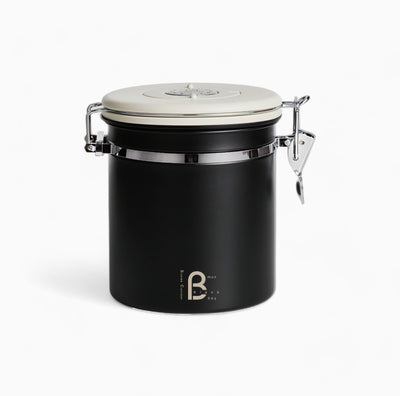
Airtight Coffee Bean Canister with CO2 Valve
$37.90
$63.00
Keep your specialty beans fresh longer with this stainless steel canister featuring a one-way CO2 exhaust valve and built-in date tracker to monitor roast freshness. Learn more ➔

Portable Dual-Mode Travel Coffee Bean Canister 35g
$25.90
$43.00
Perfect for commuters and travelers, this compact canister holds a single 30-35g dose with dual-mode sealing and Swiss-engineered one-way valve technology. Learn more ➔
Conclusion: Protecting Your Coffee Investment
The difference between good coffee and exceptional coffee often comes down to freshness. You've already invested in quality beans and brewing equipment—don't let improper storage undermine your efforts. Understanding the science behind coffee bean preservation empowers you to make informed decisions about your storage solutions.
A premium airtight coffee container with CO2 valve technology, vacuum sealing capability, or advanced displacement mechanisms pays for itself by extending the life of your specialty beans and ensuring every cup delivers the flavor notes the roaster intended. Whether you need a large-capacity solution for daily espresso brewing or a portable travel canister for camping trips and office brewing, investing in proper storage demonstrates the same attention to detail you apply to every other aspect of your coffee ritual.
At Rethink Cafe, we curate storage solutions that meet the exacting standards of home baristas who refuse to compromise on freshness. From stainless steel coffee canisters with Swiss-engineered valves to compact travel options for your on-the-go brewing needs, our collection addresses every storage scenario with precision-engineered solutions.
Frequently Asked Questions about Coffee Canisters
The best container for coffee is an opaque, airtight canister made from food-grade stainless steel with a one-way CO2 valve. This combination blocks light completely, prevents oxygen exposure, and allows naturally released carbon dioxide to escape without letting air in. Avoid clear glass containers and plastic containers, which fail to block light and may impart odors or allow air penetration over time.
Yes, coffee stays significantly fresher in a proper canister compared to original packaging or standard kitchen containers. A quality coffee canister with an airtight seal and CO2 valve can extend freshness from 1-2 weeks to 3-4 weeks for whole beans. Vacuum-sealed canisters can maintain peak flavor for 6-8 weeks or longer. However, no storage method can preserve coffee indefinitely—proper canisters slow staling but cannot stop it completely.
The 15-15-15 rule is a guideline suggesting coffee maintains optimal quality for approximately 15 days after roasting when stored properly, 15 minutes after being ground, and 15 seconds after extraction (brewing). While these numbers are simplified, they emphasize that coffee freshness degrades rapidly at each stage. The rule highlights why proper storage and grinding fresh are essential for the best flavor.
A coffee canister is a specialized storage container designed specifically to protect coffee beans or grounds from oxygen, light, heat, and moisture. Unlike regular food storage containers, coffee canisters feature technologies like one-way CO2 valves, vacuum sealing mechanisms, and light-blocking materials. These features create an optimal environment that slows the staling process and preserves the aromatic oils and volatile compounds that create coffee's flavor and aroma.
Whole coffee beans stored in a quality airtight canister with a CO2 valve typically maintain peak freshness for 3-4 weeks after roasting, compared to 1-2 weeks in poor storage. Vacuum-sealed canisters can extend this to 6-8 weeks. Ground coffee stored in a proper canister stays fresh for 1-2 weeks versus just a few days in original packaging. For maximum freshness, store your canister in a cool, dark place away from heat sources and direct sunlight.


