There's something undeniably satisfying about brewing coffee the old-fashioned way. Before electric drip machines dominated countertops, the coffee percolator reigned supreme in American kitchens. This classic brewing method produces a distinctly bold, robust cup that many coffee purists still prefer over modern alternatives. Whether you're a camping enthusiast seeking a reliable outdoor brewer or a home barista exploring traditional techniques, understanding how a coffee percolator works opens up a world of rich, full-bodied flavor. In this comprehensive guide, we'll demystify the percolation process, walk you through proper stovetop techniques, and help you discover the best tools to elevate your brewing ritual.
What Is a Coffee Percolator and How Does It Work?
A coffee percolator is a time-honored brewing device that uses gravity and convection to cycle boiling water through coffee grounds repeatedly. Unlike drip coffee makers that pass water through grounds just once, percolators recirculate the brewed coffee through the grounds multiple times, extracting maximum flavor and creating that characteristic strong taste.
The device consists of several key components:
- The pot: The main chamber that holds water and eventually the finished coffee
- The vertical tube: A hollow pipe that runs from the bottom of the pot up to the top
- The perforated basket: A metal chamber with small holes that sits atop the tube and holds the coffee grounds
- The spreader plate: A perforated lid that distributes hot water evenly over the grounds
The Science Behind Percolation
The magic happens through a simple but effective physics process. As water in the bottom chamber heats up, it creates steam pressure that forces water up through the vertical tube. This hot water then showers over the coffee grounds in the perforated basket above, extracting oils and flavors as it passes through. The freshly brewed coffee then drips back down into the water chamber, where it mixes with the remaining water and the cycle continues.
This continuous recirculation is what makes percolator brewing uniquely strong and sometimes slightly more bitter than other methods. The coffee is essentially brewing itself multiple times, concentrating flavors with each cycle.

How to Use a Stovetop Percolator
Using a stovetop percolator requires attention and timing, but the ritual becomes second nature with practice. Follow these steps for perfect percolator coffee every time:
- Fill the pot: Add cold, filtered water to the bottom chamber up to the fill line. Never overfill, as the water needs room to circulate.
- Insert the tube: Place the vertical tube into the pot, ensuring it sits securely in the bottom fitting.
- Add coffee grounds: Place the perforated basket on top of the tube. Add medium-coarse ground coffee—typically one tablespoon per cup of water, though you can adjust to taste.
- Assemble and heat: Secure the lid and place the percolator over medium heat on your stovetop.
- Watch for percolation: You'll know brewing has begun when you see liquid bubbling up through the glass knob on the lid. This usually takes 3-5 minutes.
- Control the brew: Reduce heat to maintain a gentle percolation—steady bubbling rather than a rapid boil. For most percolators, brew for 7-10 minutes depending on your desired strength.
- Remove immediately: Take the percolator off the heat as soon as brewing is complete to prevent over-extraction and bitterness.

Mastering the timing is crucial. Too short, and you'll have weak coffee; too long, and you'll extract excessive bitterness. Many percolator enthusiasts recommend removing the basket immediately after brewing to prevent continued extraction as the coffee sits.

What Grind Size Should You Use for a Percolator?
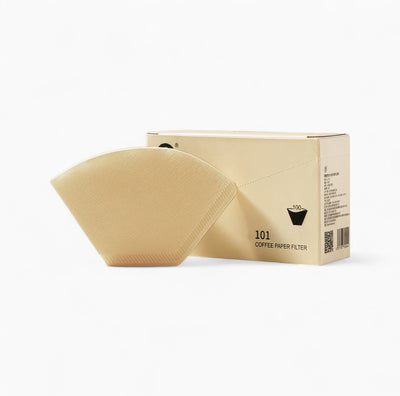
The grind size is crucial for percolator success. You'll want a medium-coarse grind—similar to sea salt or rough sand. This consistency allows water to flow through the grounds while extracting optimal flavor without creating sediment.
Pro Tip: Too fine a grind will result in bitter, over-extracted coffee and potentially clogged filters. Too coarse, and you'll get weak, underwhelming brew that lacks the characteristic percolator boldness.
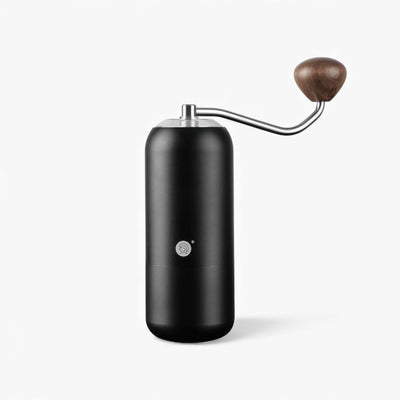
Fresh grinding is essential for peak flavor. Pre-ground coffee loses its aromatic oils quickly, while whole beans retain freshness until the moment you brew. For the best results with your percolator, consider investing in a quality burr grinder that offers consistent particle size and adjustable settings.

Conical Burr Coffee Grinder with 25 Grind Settings
$74.99 $89.99
Get consistent grounds for your percolator with 25 adjustable settings. Freshly ground beans make all the difference in rich, bold percolator coffee.
Explore ProductThe Conical Burr Coffee Grinder with 25 Grind Settings gives you complete control over your grind size with 25 precise settings. Whether you're brewing for a percolator, espresso machine, or pour-over, consistent grounds make all the difference in extracting the perfect flavor profile from your beans.
Is Percolator Coffee Stronger Than Drip Coffee?
When comparing percolator vs drip brewing methods, percolator coffee generally produces a stronger, more robust cup. The multiple-pass extraction method pulls more soluble compounds from the grounds, resulting in a bolder taste with higher caffeine concentration per ounce.
However, this strength comes with trade-offs. The recirculation process can lead to over-extraction, creating a slightly bitter flavor that some drinkers find harsh. Drip coffee, by contrast, offers a cleaner, more nuanced flavor profile that highlights subtle tasting notes and origin characteristics.

The choice between percolator and drip often comes down to personal preference. If you enjoy bold, diner-style coffee that stands up well to cream and sugar, the percolator is your ideal companion. If you prefer to taste delicate floral or fruity notes in single-origin beans, drip brewing or pour-over methods might better serve your palate.
Modern Alternatives to Traditional Percolators
While vintage coffee percolators offer nostalgic charm, modern home baristas have excellent alternatives that deliver similar boldness with more control over the extraction process. These methods honor the tradition of hands-on brewing while incorporating engineering improvements that prevent over-extraction.
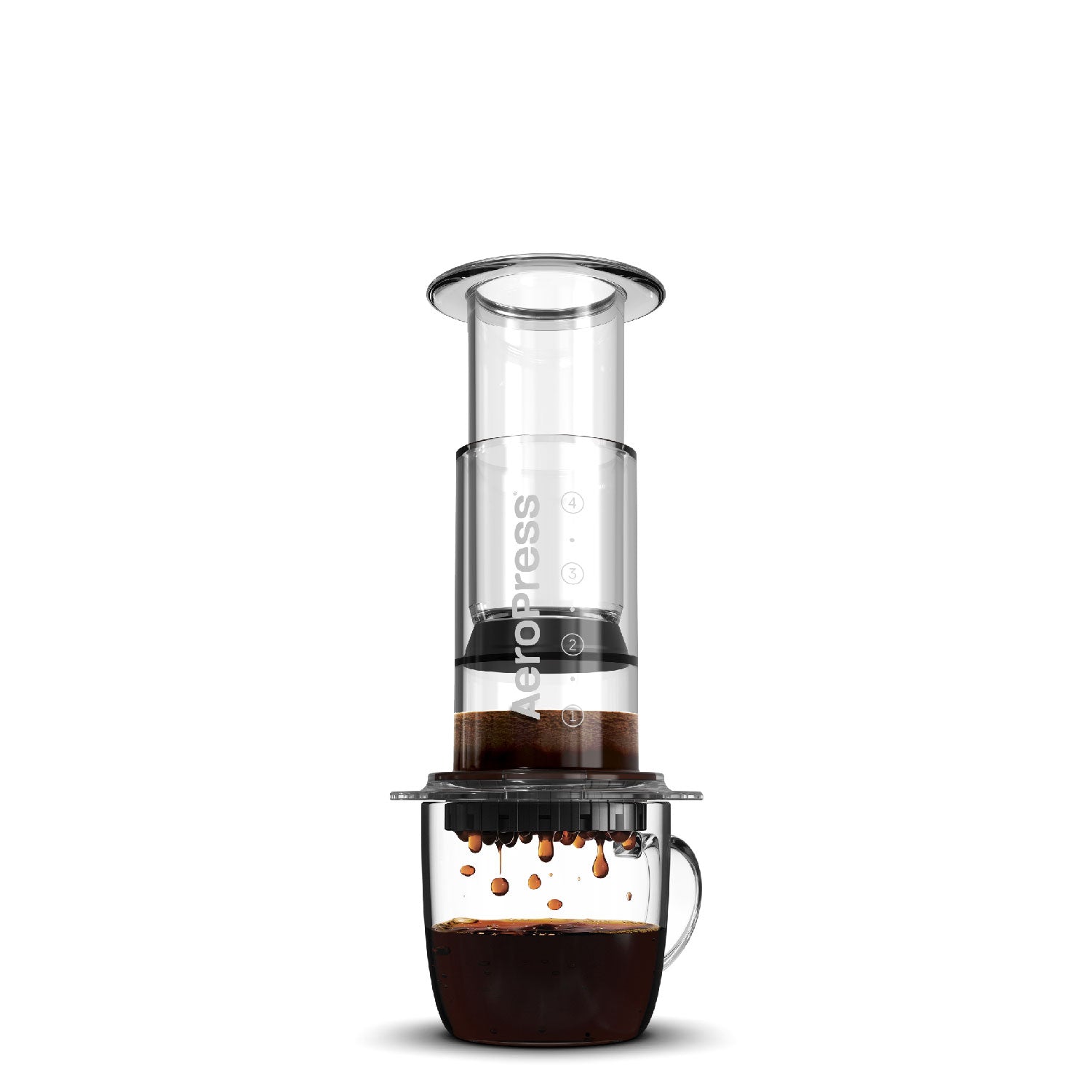
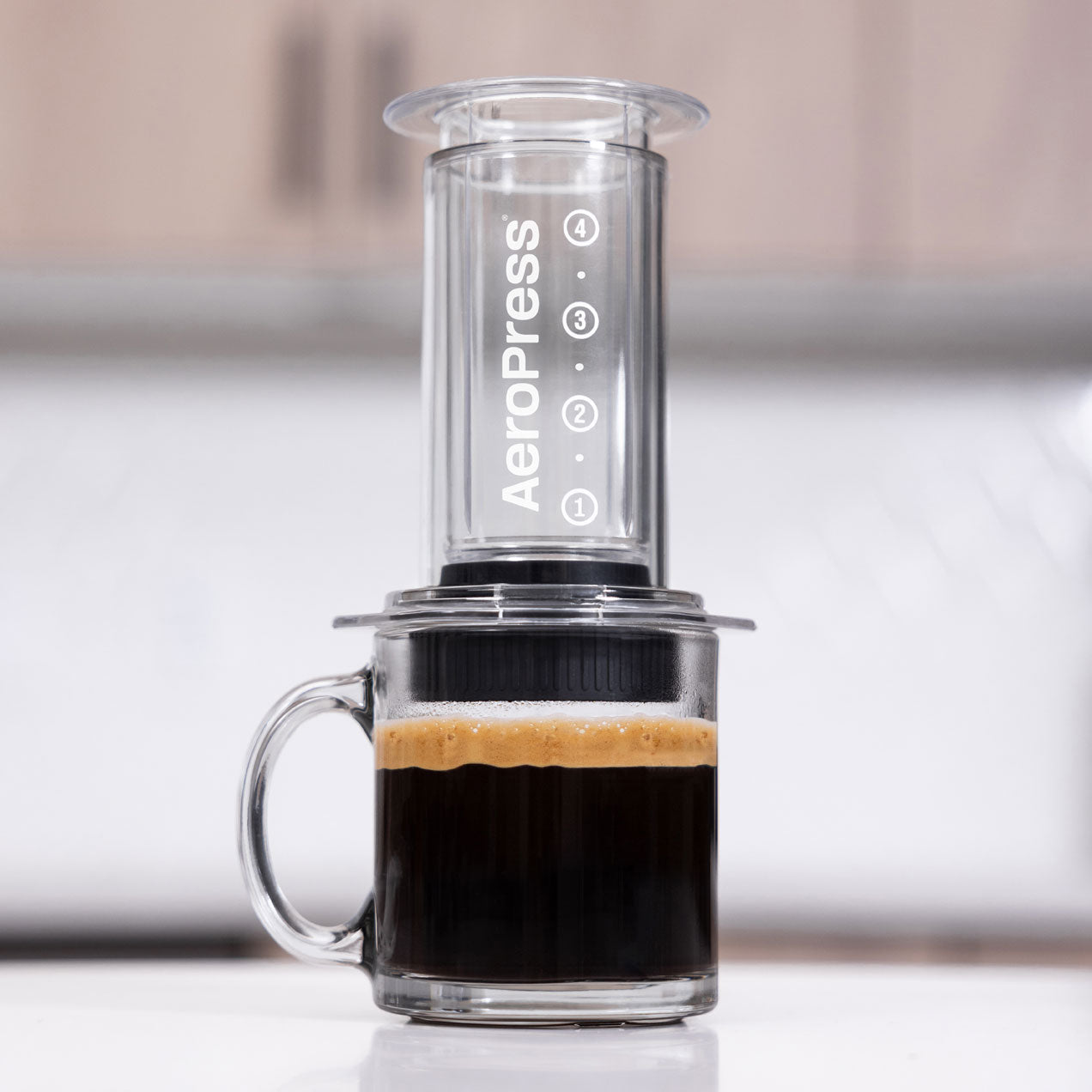
The Moka pot, often called a stovetop espresso maker, uses pressure rather than gravity to extract coffee, producing a concentrated, rich brew that's perfect for those who love strong coffee. Similarly, the AeroPress offers unparalleled versatility, allowing you to experiment with immersion and pressure brewing to create everything from espresso-strength concentrates to smooth, drip-style coffee.
Explore Alternative Brewing Methods

Dual Valve Moka Pot for Rich Stovetop Espresso
$45.90
$60.00
Experience rich stovetop brewing with this dual valve moka pot. Perfect for coffee lovers who appreciate traditional Italian-style extraction. Learn more ➔

Versatile manual brewer for coffee enthusiasts who enjoy experimenting. Makes smooth, full-bodied coffee without bitterness or grit. Learn more ➔
Both the Dual Valve Moka Pot for Rich Stovetop Espresso and AeroPress Clear Coffee Maker - 3-in-1 Brewer offer excellent entry points into manual brewing. The Moka pot delivers that intense, espresso-like strength that percolator fans crave, while the AeroPress provides flexibility to experiment with different recipes and techniques. Learn more about brewing science from the National Coffee Association's brewing guidelines.
Conclusion: Embracing the Art of Percolator Brewing
The coffee percolator represents a beautiful intersection of simplicity and tradition. While it requires more attention than push-button electric machines, the reward is a bold, steaming cup of coffee that connects you to generations of brewing history. The key to exceptional percolator coffee lies in understanding the mechanics, respecting the timing, and starting with quality ingredients.
Whether you choose a classic stovetop percolator or explore modern alternatives like the Moka pot or AeroPress, remember that great coffee is about the experience as much as the result. At Rethink Cafe, we're passionate about helping you discover the perfect brewing method for your lifestyle. Our curated collection of coffee equipment is designed to transform your daily ritual into something extraordinary, whether you're drawn to the nostalgic charm of percolation or the precision of modern manual brewing.
Frequently Asked Questions about Coffee Percolators
A coffee percolator works by cycling boiling water through coffee grounds multiple times using gravity and steam pressure. Water heats in the bottom chamber, creating pressure that forces it up a vertical tube. The hot water then showers over the coffee grounds in a perforated basket, extracting flavor before dripping back down to mix with the remaining water. This recirculation continues throughout the brewing process, creating a strong, bold coffee.
The best coffee percolator depends on your needs. Stainless steel stovetop models offer durability and classic aesthetics, while electric percolators provide convenience with automatic shut-off features. Look for percolators with clear glass knobs to monitor the brewing process, comfortable handles for safe pouring, and quality construction that distributes heat evenly. Consider capacity based on your typical serving size, ranging from 4-cup camping models to 12-cup family sizes.
To use a stovetop percolator, fill the bottom chamber with cold water, insert the vertical tube, and add medium-coarse coffee grounds to the basket (about 1 tablespoon per cup). Place over medium heat until you see bubbling in the glass knob, then reduce heat to maintain gentle percolation for 7-10 minutes. Remove from heat immediately when done to prevent over-extraction. Let it rest for a minute before serving to allow grounds to settle.
Use a medium-coarse grind for percolator coffee, similar in texture to sea salt or rough sand. This consistency allows proper water flow while extracting optimal flavor. Fine grinds will pass through the perforations and create sediment in your cup, while also leading to over-extraction and bitterness. Coarse grinds may result in weak, under-extracted coffee. For best results, grind your beans fresh just before brewing.
Yes, percolator coffee is generally stronger and more robust than drip coffee. The recirculation process extracts more soluble compounds and caffeine from the grounds, creating a bolder flavor profile. However, this strength can sometimes translate to bitterness if the coffee is over-extracted. Drip coffee typically offers a cleaner, more nuanced taste that highlights origin characteristics, while percolator coffee delivers that classic, intense diner-style experience.