
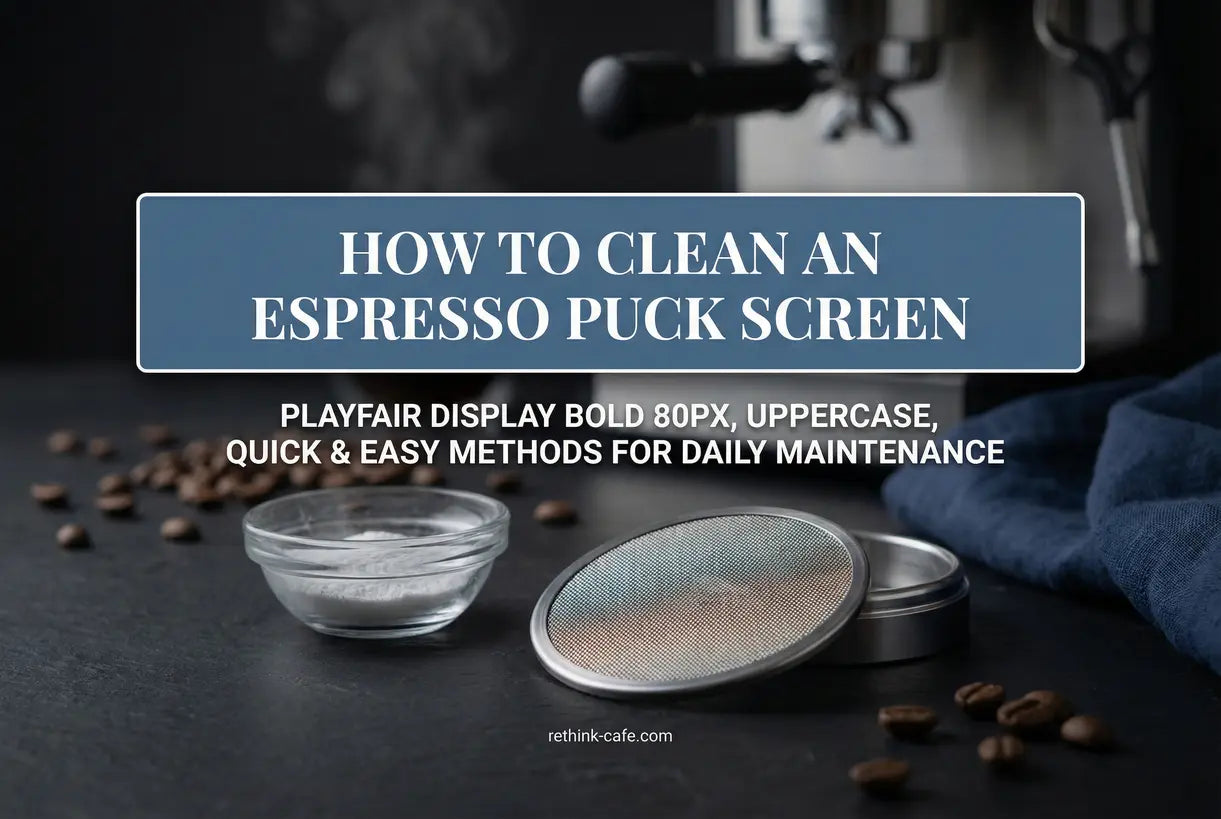
A clean espresso puck screen is the unsung hero of consistent espresso extractions. This thin mesh layer sits between your group head and coffee puck, distributing water evenly while protecting your machine from stray coffee grounds. Over time, oils and micro-grounds accumulate on the screen, potentially impacting flavor and compromising extraction quality. Learning how to clean espresso puck screen properly is an essential skill for any home barista committed to exceptional coffee.
The good news? Routine puck screen cleaning requires minimal time and supplies. Whether you're using a quick rinse between shots or performing weekly deep cleans with specialized detergent, maintaining your equipment ensures longevity and peak performance. Throughout this guide, we'll walk you through practical, proven puck screen cleaning methods that fit seamlessly into your barista routine.
Why Regular Puck Screen Cleaning Matters
Your espresso puck screen works hard during every extraction. As pressurized water forces through the puck, oils extract and micro-fines migrate upward. Without proper cleaning, these residues create rancid flavors, clog micro-pores, and can eventually lead to channeling issues. The mesh that once promoted even water distribution becomes a barrier to quality.
Neglecting maintenance also exposes your equipment to unnecessary wear. Accumulated coffee oils can corrode stainless steel over time, while trapped moisture creates an environment for unwanted buildup. By establishing a simple cleaning routine, you protect both your investment and your daily brew quality.

Daily Cleaning: The 30-Second Rinse Method
For daily maintenance, hot water is your best friend. Immediately after pulling your last shot, remove the Dual Layer Espresso Puck Screen for Even Extraction and hold it under hot running water. Use your fingers to gently rub both sides, dislodging loose grounds and surface oils.
The key is acting quickly while the screen is still warm. Fresh oils rinse away easily; dried, oxidized residue requires effort and detergents. Aim for water temperature around 120-140°F for optimal oil removal.

Quick Inspection Tips
While rinsing, examine the mesh for any trapped particles or buildup. Hold the screen up to light—if you see clogged pores or dark staining, it needs more than a basic rinse. Address minor issues immediately to prevent them from becoming deep-set problems requiring intensive cleaning.
Weekly Deep Cleaning: Remove Stubborn Residue
Despite daily rinsing, microscopic oils gradually accumulate within the mesh structure. A weekly deep clean with espresso machine detergent restores your puck screen to pristine condition. This process removes buildup that water alone cannot dissolve.
Products like Cafiza or similar espresso equipment cleaners work exceptionally well for this application. These alkaline detergents break down coffee oils without damaging stainless steel. Alternatively, a mild dish soap works in a pinch, though dedicated espresso cleaners prove more effective for heavy buildup.
The Soaking Process
- Fill a small bowl with hot water and add the recommended amount of espresso detergent
- Submerge your puck screen completely
- Allow it to soak for 15-30 minutes
- Gently agitate the water periodically to dislodge particles
- Rinse thoroughly under hot running water until no suds remain
- Dry completely before storage or next use
For particularly stubborn areas, use a soft-bristled brush—never steel wool or abrasive pads that could damage the mesh. Patience yields better results than aggressive scrubbing.
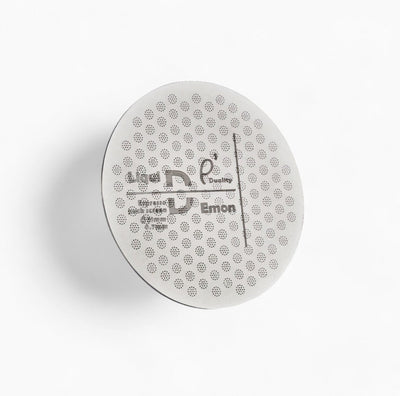

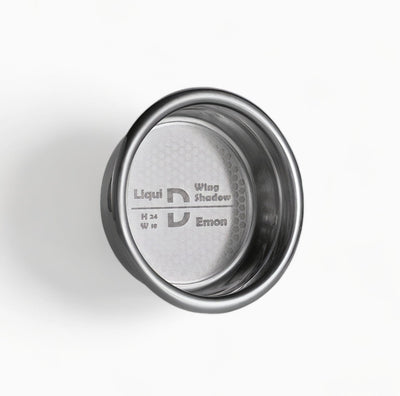

Dual Layer Espresso Puck Screen for Even Extraction
$17.90 $30.00
Upgrade your espresso game with this ultra-thin 0.8mm dual-layer puck screen. Even water distribution for balanced extractions, available in your portafilter size.
Explore ProductAdvanced Cleaning Alternatives
Beyond the standard soak method, several alternative approaches address specific cleaning challenges. These methods prove useful when dealing with severely neglected screens or when seeking maximum convenience.
Ultrasonic Cleaning
If you own an ultrasonic jewelry cleaner, it works wonders on espresso accessories. The high-frequency vibrations reach deep into mesh pores, dislodging particles traditional soaking misses. Use warm water with a small amount of detergent for 5-10 minute cycles. This method proves especially effective for 0.8mm Espresso Puck Screen for Even Extraction models with precision-etched micro-pores.
Dishwasher Considerations
Many stainless steel puck screens survive dishwasher cycles, but caution remains warranted. High heat and harsh detergents can stress finer mesh structures over time. If you choose this route, place screens in the top rack away from heating elements and skip the heated dry cycle. Hand washing remains the gentlest, most controlled option for preserving your equipment.

Proper Drying and Storage
Never underestimate the importance of complete drying. Residual moisture invites bacterial growth and water spots that can eventually affect flavor. After rinsing, pat your puck screen gently with a lint-free cloth, then air-dry on a clean surface or dedicated drying rack.
Organization matters for maintaining clean equipment. A dedicated storage spot prevents cross-contamination with dirty tools. Consider the Walnut Wood Coffee Filter Paper Storage Rack to keep your clean puck screens accessible and properly aired between uses.
Essential Tools for Puck Screen Maintenance

0.8mm Espresso Puck Screen for Even Extraction
$15.90
$33.00
Precision-etched micro-pores ensure even water flow across your puck. Made from SUS304 stainless steel and cleans easily with a quick rinse or soak. Learn more ➔

Walnut Wood Coffee Filter Paper Storage Rack
$29.90
$65.00
Keep your clean puck screens organized and accessible. Premium walnut construction fits 51mm, 54mm, and 58mm accessories with bionic design for your station. Learn more ➔
Video Demonstration
Sometimes seeing the process helps more than reading about it. This comprehensive video demonstrates proper puck screen cleaning techniques from start to finish, including common mistakes to avoid.
When Cleaning Isn't Enough
Even with impeccable maintenance, puck screens eventually reach end-of-life. Mesh deterioration, permanent staining, or structural deformation indicate replacement time. Most quality screens last 6-12 months with regular cleaning, though heavy daily use accelerates wear.
Pro Tip: Replace your puck screen immediately if you notice frayed edges, cracks, or significant mesh distortion. These defects not only reduce effectiveness but risk damaging your espresso machine's group head seal.
A Simple Routine for Consistent Results
Establishing a sustainable cleaning workflow eliminates decision fatigue and ensures consistent equipment maintenance. Here's a practical framework:
- After every shot: Remove, rinse under hot water, quick inspection
- End of daily session: Thorough rinse, shake dry, place on drying rack
- Weekly: Deep soak with Cafiza or espresso detergent
- Monthly: Inspect mesh integrity, assess for replacement needs
This approach balances thoroughness with practicality, fitting naturally into any home barista routine without consuming excessive time.
Final Thoughts: Clean Screens, Better Espresso
Mastering how to clean espresso puck screen equipment transforms a maintenance chore into a quality assurance ritual. Clean equipment produces cleaner flavors, and the few minutes invested in proper care yield dividends in cup quality and equipment longevity.
At Rethink Cafe, we understand that exceptional espresso starts with exceptional tools—and maintaining those tools properly. Our curated selection of premium puck screens pairs precision engineering with easy maintenance, designed specifically for home baristas who demand professional results.
Ready to upgrade your espresso setup? Explore our complete collection of puck screens, cleaning accessories, and barista tools engineered for performance and durability. Because great coffee deserves equipment that performs flawlessly, shot after shot.
Frequently Asked Questions about Cleaning Espresso Puck Screens
With proper cleaning and maintenance, a quality espresso puck screen typically lasts 6-12 months. Heavy daily use, aggressive cleaning methods, or exposure to acidic cleaners may shorten lifespan. Replace immediately if you notice mesh damage, permanent staining, or reduced water flow through the screen. Regular inspection during your weekly deep clean helps identify when replacement becomes necessary.
Yes, espresso puck screens are designed for repeated use and are not single-use items. Quality stainless steel screens from Rethink Cafe's collection can withstand hundreds of extractions when properly maintained. Unlike paper filters, metal mesh screens clean easily and maintain their structure through countless brewing cycles. The key is consistent cleaning—daily rinsing and weekly deep cleaning—to prevent oil buildup that could eventually degrade the mesh.
The same principles apply to mesh strainers and espresso puck screens. Rinse immediately after use while residue is still fresh. For deep cleaning, soak in hot water mixed with dish soap or baking soda for 15-30 minutes. Use a soft brush to gently scrub both sides of the mesh, working from the outside toward the center to avoid damaging the fine wires. Rinse thoroughly and dry completely before storage to prevent corrosion or bacterial growth.
An espresso puck screen serves multiple functions during extraction. Place it atop your tamped coffee puck before locking in the portafilter. During brewing, the screen distributes water evenly across the puck surface, eliminating channeling and promoting balanced extraction. It also acts as a barrier, preventing coffee grounds from reaching and potentially clogging your machine's group head dispersion screen. After use, remove promptly, rinse, and follow proper cleaning procedures.
Clean your puck screen after every espresso session with at least a hot water rinse. For daily home baristas who pull multiple shots, rinse the screen under hot water between shots and perform a more thorough cleaning at day's end. Implement a weekly deep clean using espresso detergent like Cafiza to dissolve accumulated oils that water alone cannot remove. This dual approach—daily rinsing plus weekly deep cleaning—maintains optimal performance and extends the screen's usable life.


