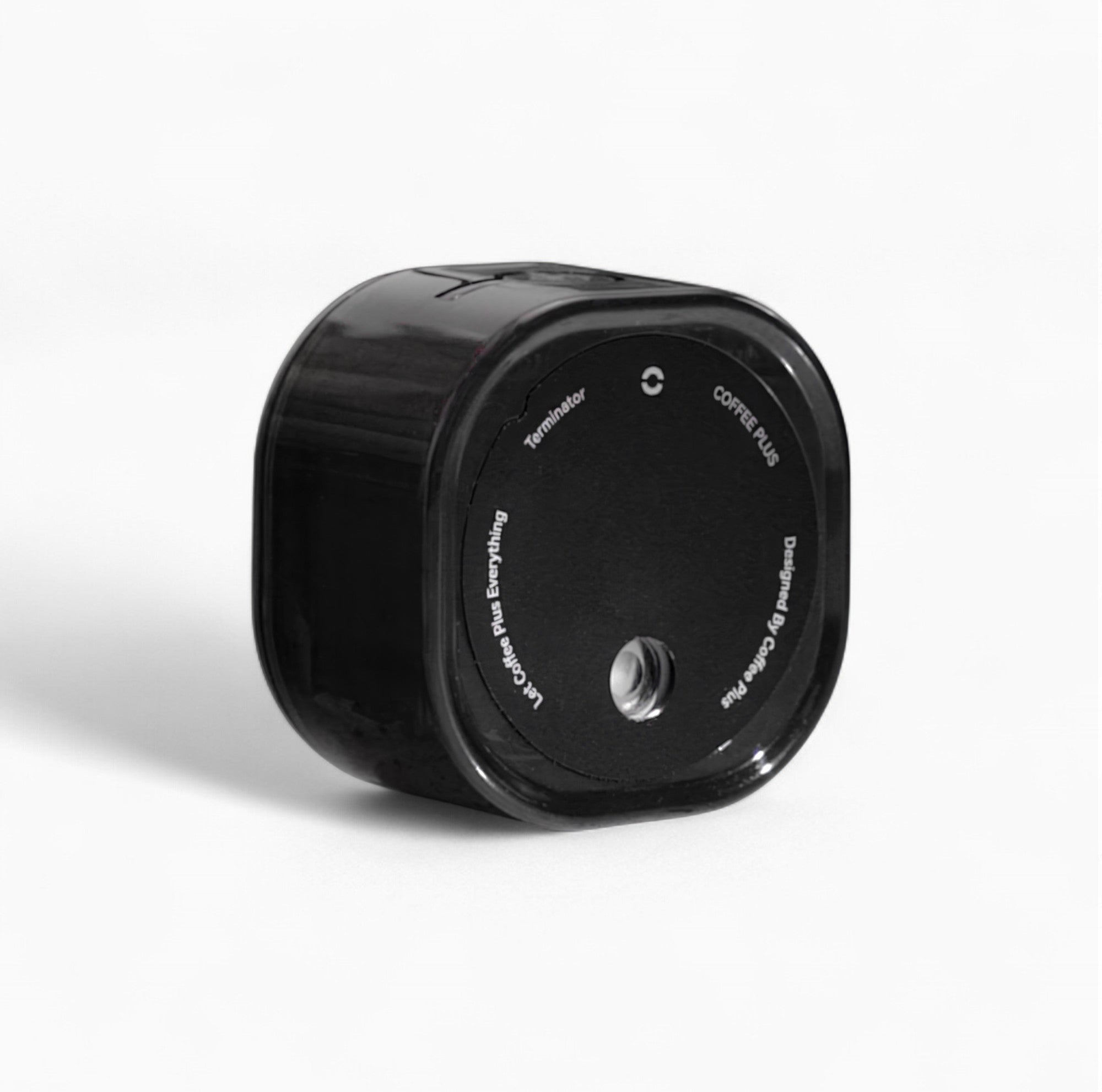
If you've ever ground coffee directly into your portafilter only to find grounds scattered across your countertop, stuck to your grinder's chute, or unevenly distributed in the basket, you're experiencing one of the most common frustrations in home espresso preparation. This is exactly where a coffee doser becomes an essential tool in your brewing arsenal. Whether you're a seasoned home barista or just beginning your journey into specialty coffee, understanding dosing tools can transform your espresso workflow from messy and inconsistent to precise and repeatable. In this comprehensive guide, we'll explore what a coffee doser is, how it works, and why investing in the right dosing tools from Rethink Cafe will elevate every shot you pull.
What Is a Coffee Doser?
A coffee doser is a specialized tool designed to measure, transfer, and deliver ground coffee from your grinder to your portafilter with precision and minimal mess. Think of it as the bridge between your coffee grinder doser workflow and your actual espresso extraction. These tools come in several forms, each serving a specific purpose in the espresso preparation process.

At its core, dosing equipment solves three fundamental problems in espresso preparation:
- Precision measurement: Ensuring you use exactly the right dose of coffee every time
- Clean transfer: Moving grounds from grinder to portafilter without spillage or waste
- Distribution preparation: Setting up the coffee bed for even extraction
The most common types of coffee dosers include dosing cups that catch grounds directly from your grinder, dosing funnels that guide coffee into the portafilter, and coffee dosing trays that provide a clean workspace for the entire process. For single dose grinder enthusiasts who weigh beans before each shot, these tools are absolutely essential for maintaining workflow efficiency.
How Does a Coffee Doser Work?
Understanding how does a coffee doser work requires looking at the physics of coffee grinding and static electricity. When coffee beans pass through a grinder, they generate friction, which creates static electricity. This static causes grounds to cling to surfaces, fly in unexpected directions, and refuse to settle evenly in the portafilter basket.
A coffee doser interrupts this chaotic process by providing a controlled environment for ground coffee. Here's the typical workflow:
- Collection: Grounds fall directly into the dosing cup or container, which is typically made of anti-static materials or designed to minimize retention
- Weighing (optional): Many baristas use the dosing cup on a scale to verify the exact weight of grounds
- Transfer: The dosing tool allows you to pour or funnel grounds directly into the portafilter with minimal spillage
- Preparation: Some dosing tools help settle grounds and prepare them for distribution and tamping
The dosing tools collection at Rethink Cafe features equipment specifically engineered to optimize each stage of this process, ensuring your espresso dosing workflow is as efficient as possible.
Why Every Home Barista Needs a Coffee Doser
Investing in quality dosing equipment isn't just about keeping your counter clean—though that's certainly a welcome benefit. Here are the core reasons a coffee doser belongs in every serious home barista's toolkit:
Eliminates Static and Retention Issues
Static electricity is the enemy of consistent espresso. When grounds cling to your grinder's chute or the sides of your portafilter, you're not getting the full dose you intended. This leads to under-extracted shots and frustrating inconsistency. The right dosing tools, combined with the Ross Droplet Technique (RDT), virtually eliminate these issues.

Anti-Static Coffee Grinder RDT Spray Bottle
$14.90 $24.00
Apply the Ross Droplet Technique with precision using this 0.25mm ultra-fine mist spray bottle. Neutralize static before grinding for accurate dosing and cleaner workflow.
Explore ProductThe Anti-Static Coffee Grinder RDT Spray Bottle is the perfect companion for any coffee doser workflow. By applying a fine 0.25mm ultra-fine mist before grinding, you neutralize static at its source, ensuring every ground makes it into your dosing cup rather than clinging to your grinder's internals.
Ensures Consistent Dosing
Professional baristas know that consistency is the foundation of great espresso. When you use the same dose weight, the same distribution technique, and the same tamping pressure, you can dial in your grinder once and produce excellent shots repeatedly. A bean doser ensures that the amount of coffee you intend to use is exactly what ends up in your portafilter.
Improves Workflow Efficiency
Time is precious, especially during busy morning routines. A streamlined dosing workflow means less time cleaning up spilled grounds, less time fishing stray particles from your counter, and more time enjoying your perfectly crafted espresso. The right tools transform espresso preparation from a messy chore into an enjoyable ritual.

Reduces Waste and Saves Money
Every ground that ends up on your counter instead of in your cup represents wasted coffee. Over months and years, this waste adds up significantly. A quality coffee doser pays for itself by ensuring you use exactly what you need and nothing more.

Types of Coffee Dosers: Finding the Right Fit
Not all dosing tools serve the same purpose. Understanding the different types will help you build a workflow that matches your equipment and preferences.
Dosing Cups
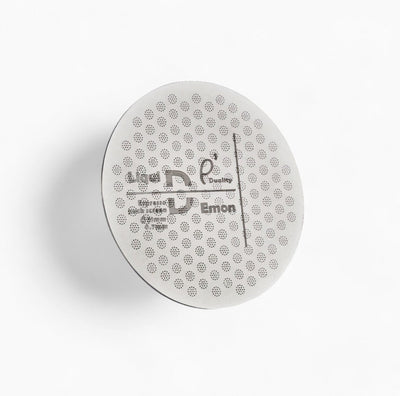
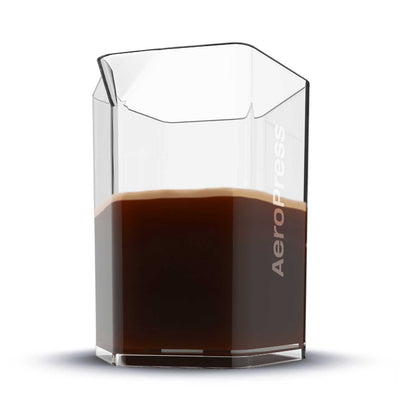
Dosing cups are standalone containers, typically made from aluminum, stainless steel, or plastic, designed to catch grounds directly from your grinder. They're ideal for single dose grinder setups where you grind per shot. Many feature narrow spouts that fit perfectly into portafilter baskets for clean transfer.
Dosing Funnels and Rings
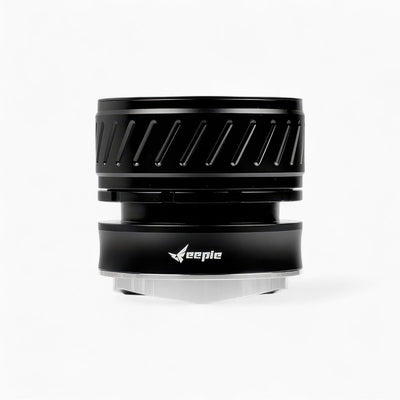
A dosing funnel sits atop your portafilter basket and creates a wide opening that guides grounds into the basket without spillage. These are particularly useful for grinders that tend to spray grounds or when transferring from a dosing cup. The question is a dosing funnel necessary depends on your specific grinder and technique, but for most home baristas, it's a game-changing addition that dramatically reduces mess.
Essential Dosing Tools for Precision Espresso

Keep grounds where they belong with this premium aluminum dosing ring. The smooth interior wall prevents retention while the perfect 54mm fit eliminates countertop mess. Learn more ➔

Electric Anti-Static Bean Sprayer for Espresso
$25.90
$87.00
Upgrade your dosing workflow with 16um nano-mist technology. This rechargeable electric sprayer delivers precise moisture application for static-free grinding every time. Learn more ➔
The 54mm Espresso Dosing Ring Aluminum Portafilter Funnel demonstrates how premium materials can enhance your workflow. Its aluminum construction with smooth interior walls prevents grounds from sticking, while the precise 54mm fit eliminates the frustrating mess that often accompanies dosing. For those seeking an even more advanced solution, the Electric Anti-Static Bean Sprayer for Espresso elevates the RDT technique with 16um nano-mist technology and rechargeable convenience.
Coffee Dosing Trays
A coffee dosing tray provides a dedicated workspace for your dosing activities. These trays catch any stray grounds and give you a clean, organized surface for your dosing cup, scale, and portafilter. They're especially valuable for home baristas who want to maintain a pristine espresso station.
RDT Spray Tools
While technically not a doser in the traditional sense, RDT spray bottles are essential companion tools for modern dosing workflows. By lightly misting beans before grinding, you eliminate the static that makes dosing difficult in the first place.
The Coffee Rules You Should Know
As you refine your dosing technique, you'll encounter several "rules" that experienced baristas follow. Understanding these concepts will help you appreciate why precision dosing matters so much.
What Is the 15 Rule for Coffee?
The 15 rule for coffee refers to a general guideline for coffee-to-water ratios in brewing. While primarily used for pour-over and drip methods, the principle extends to espresso as well. The rule suggests using approximately 15 parts water to 1 part coffee by weight. For espresso, this translates to using your dose weight to predict your target yield. For example, an 18-gram dose might aim for a 36-gram yield (a 1:2 ratio, common in espresso).
This rule highlights why precise dosing is critical—if you don't know exactly how much coffee is in your portafilter, you can't accurately predict or control your extraction ratios.
What Is the 80/20 Rule for Coffee?
The 80/20 rule for coffee applies the classic Pareto Principle to espresso preparation: 80% of your results come from 20% of your efforts. In dosing terms, this means that getting the fundamentals right—consistent dose weight, proper distribution, and correct tamping—will produce dramatically better results than fussing over minor variables.
A quality coffee doser helps you nail that crucial 20% by ensuring your dose is consistent every single time. Once dosing becomes automatic, you can focus on the other variables like grind size, temperature, and extraction time that fine-tune your results.
Building Your Complete Dosing Workflow
A professional-grade dosing setup doesn't happen overnight. It's built through intentional tool selection and practice. Here's how to approach it:
Start with the foundation: If you're using a single-dose grinder, a quality dosing cup is your first essential purchase. It catches grounds cleanly and allows for precise weighing.
Add anti-static measures: Static is the enemy of clean dosing. An RDT spray bottle should be your second acquisition. As research from coffee professionals has shown, the Ross Droplet Technique significantly reduces retention and static in grinding.
Refine with a funnel: A dosing funnel or ring completes the workflow by ensuring clean transfer into your portafilter. This is especially valuable if your grinder tends to create messy sprays of grounds.
Consider your workspace: A dosing tray keeps your station organized and catches any stray particles.

Creating a dedicated espresso station with these tools transforms your morning routine. The investment in quality espresso dosing equipment pays dividends in consistency, cleanliness, and pure enjoyment of the brewing process.
Watch: The Best Bean Doser in Action
Sometimes seeing a tool in action is the best way to understand its value. This video demonstrates a premium bean doser and how it integrates into a professional workflow:
Conclusion: Elevate Your Espresso with Precision Dosing
A coffee doser is more than just another accessory—it's a fundamental tool that solves real problems in espresso preparation. From eliminating static and waste to ensuring consistent doses shot after shot, the right dosing equipment transforms your home barista experience from frustrating to fulfilling.
Whether you start with a simple dosing cup or build a complete workflow with RDT spray, dosing funnel, and coffee dosing tray, the key is recognizing that precision matters. The 15 rule and 80/20 rule both point to the same truth: getting your fundamentals right produces exceptional results.
At Rethink Cafe, we understand the home barista's journey because we live it ourselves. Every product in our dosing tools collection has been selected to solve specific workflow problems and elevate your espresso game. From the Anti-Static Coffee Grinder RDT Spray Bottle that eliminates static at its source, to the precision-engineered 54mm Espresso Dosing Ring Aluminum Portafilter Funnel that keeps your counter clean, we've built solutions for every step of your dosing workflow.
Ready to transform your espresso routine? Explore our complete collection of dosing tools and discover how the right equipment makes every shot your best shot.
Frequently Asked Questions about Coffee Dosers
A coffee doser is a specialized tool designed to measure, transfer, and deliver ground coffee from your grinder to your portafilter with precision and minimal mess. It serves as the bridge between grinding and extraction, ensuring consistent dosing and reducing waste. Common types include dosing cups, dosing funnels, and dosing trays.
While not absolutely required, a dosing funnel is highly recommended for most home baristas. It dramatically reduces mess by creating a wider target for grounds to fall into, prevents coffee from spilling onto your counter, and helps achieve more even distribution in the portafilter. If you use a grinder that creates static or sprays grounds, a dosing funnel becomes even more valuable.
The 15 rule for coffee refers to a general brewing guideline suggesting approximately 15 parts water to 1 part coffee by weight. For espresso, this principle helps determine target yields—typically espresso uses ratios between 1:1.5 and 1:3 (coffee to water). Understanding this ratio highlights why precise dosing is essential: you need to know your input dose to predict and control your extraction output.
The 80/20 rule for coffee applies the Pareto Principle to espresso preparation, suggesting that 80% of your results come from 20% of your efforts. In practical terms, getting the fundamentals right—consistent dose weight, proper distribution, and correct tamping—produces dramatically better results than minor adjustments to less critical variables. A quality coffee doser helps you nail that crucial 20% by ensuring dose consistency.
A coffee doser works by providing a controlled environment for ground coffee between the grinder and portafilter. It interrupts the chaotic process created by static electricity and grinder spray. Grounds fall into the doser (typically a cup or funnel), which is often made from anti-static materials. The barista then transfers these grounds cleanly into the portafilter basket. Some dosers also help settle grounds and prepare them for distribution and tamping, ensuring even extraction.