There's a reason specialty coffee enthusiasts are increasingly seeking out blonde roast coffee beans. These lightly roasted gems preserve the intricate flavors developed at origin, delivering a cup that's bright, complex, and utterly distinctive. Unlike their darker counterparts, blonde roasts celebrate the bean's natural character rather than masking it with roasting-induced caramelization. Whether you're new to light roasts or a dedicated enthusiast, understanding what makes these beans special—and how to brew them properly—can transform your daily coffee ritual. Achieving that perfect extraction requires more than just the right beans; it demands precision equipment designed to honor every delicate note.
What is Blonde Roast Coffee?
Blonde roast coffee represents the lightest end of the roasting spectrum, typically reaching internal bean temperatures between 356°F and 401°F (180°C to 205°C). At this level, the beans retain their natural density and cellular structure, having just barely crossed the first crack—a critical stage where beans expand and release moisture and CO2.
The term "blonde" gained mainstream recognition through major coffee chains, but the concept of light roast flavor has existed in specialty coffee circles for decades. These roasts showcase origin characteristics more than any other style. Where dark roasts develop smoky, bitter, and caramelized profiles, blonde roasts whisper subtle notes of fruit, florals, and tea-like elegance. The beans appear distinctly light golden-brown, sometimes with visible chaff still clinging to their surface, and lack the oily sheen characteristic of darker roasts.
Is Blonde Roast the Same as Light Roast?
The distinction between blonde roast beans and light roast beans is largely semantic rather than substantial. In the coffee industry, "blonde" is essentially a marketing term popularized by consumer-facing brands to describe their lightest offerings. Specialty coffee professionals typically refer to these as "light roasts" or "cinnamon roasts."
However, some roasters distinguish blonde as even lighter than traditional light roasts, pushing the beans to the absolute edge of drinkability—sometimes stopping just moments after first crack begins. These ultra-light roasts preserve maximum acidity and origin character but can be challenging to extract properly. For most practical purposes, when you see blonde coffee beans on a bag, you're looking at a light roast that prioritizes origin character over roast development.
What Does Blonde Roast Coffee Taste Like?
The flavor profile of blonde roast coffee beans is unmistakably vibrant. These roasts emphasize high-toned acidity, subtle sweetness, and intricate flavor layers that reflect the bean's terroir. You might encounter tasting notes ranging from citrus zest and stone fruits to jasmine, honey, and even toasted grain.
Unlike dark roasts that dominate your palate with bold, roasty flavors, blonde roasts require attention to appreciate fully. The body tends toward tea-like or silky rather than heavy and syrupy. This delicate profile is precisely why proper storage and brewing technique matter so much—blonde roast flavor compounds are volatile and can degrade quickly if mishandled.
According to research from the Specialty Coffee Association, light roasts preserve more of the coffee's organic acids and aromatic compounds, contributing to their complex sensory profiles. This makes them particularly popular among coffee professionals and enthusiasts seeking to explore the vast diversity of coffee origins.
Brewing Tip: Blonde roasts shine brightest in manual brewing methods that allow precise control over extraction variables. Pour over, in particular, brings out the nuanced sweetness and clarity these beans are prized for.
Light Roasts vs. Dark Roasts: The Science Explained
Understanding the fundamental differences between roast levels helps explain why brewing approaches must adapt. Watch this video to grasp the chemical transformations happening inside your beans:
The video above illustrates how roasting is essentially a controlled burning process that dramatically alters the bean's chemical composition. Light roasts retain more chlorogenic acids and trigonelline, compounds that contribute to perceived brightness and complexity, while darker roasts develop melanoidins that create those familiar roasty, bitter flavors.
Is Blonde Roast Stronger Than Dark Roast?
One of the most persistent myths in coffee culture is that dark roasts contain more caffeine. The truth is more nuanced. By weight, light roast beans and dark roast beans contain virtually identical caffeine content. However, because roasting causes beans to lose moisture and expand, dark roasted beans are physically larger and lighter by volume.
This means that if you measure your coffee by scoops (volume), you'll actually get slightly more caffeine from blonde roast coffee beans than from dark roast—simply because you're using more beans by weight. If you measure by weight, caffeine content is essentially equivalent. The perceived "strength" of dark roasts comes from their bold, bitter flavor profile rather than actual caffeine concentration.
How to Brew Blonde Roast Coffee
Extracting the best from blonde coffee beans requires adjusting your approach. These denser, less porous beans need more contact time and often benefit from slightly higher brewing temperatures (200-205°F / 93-96°C) compared to medium or dark roasts. Light blonde roast beans, in particular, can be stubborn to extract and may require finer grinding.
Pour over methods are widely considered ideal for blonde roasts because they allow precise control over water temperature, flow rate, and extraction time. The slower, more deliberate process of pour over brewing reveals the subtle aromatics and clean acidity that define quality light roast experiences. French press can also work, though it may emphasize body over clarity. For espresso, blonde espresso beans pull beautifully as ristretto shots, concentrating their bright, sweet characteristics.

Pour over brewing stands out as the premier method for experiencing blonde roast at its best. This technique allows water to interact with coffee grounds gradually, extracting delicate aromatics without overwhelming the cup with bitterness. The paper filter removes oils that would otherwise mute the origin characteristics, resulting in a clean, tea-like cup that showcases every nuance.
Success with blonde roasts hinges on two critical factors: grind consistency and temperature stability. Because these beans are denser and less soluble than darker roasts, inconsistency in either variable can lead to under-extraction, producing sour, hollow flavors rather than the bright, balanced profile you're seeking.

Preserving Your Blonde Roast Investment
The delicate nature of blonde roast flavor compounds means proper storage is non-negotiable. These beans degrade faster than their darker counterparts because lighter roasts haven't undergone the chemical transformations that create longer-lasting stability. Exposure to oxygen, light, and moisture will quickly turn your prized light roast coffee flat and stale.
Single-dose storage solutions have revolutionized how enthusiasts preserve fresh-roasted beans. By minimizing air exposure and protecting beans from environmental factors between uses, you extend the window during which blonde roasts taste their absolute best. The preservation of those bright, complex notes depends entirely on keeping your beans fresh.

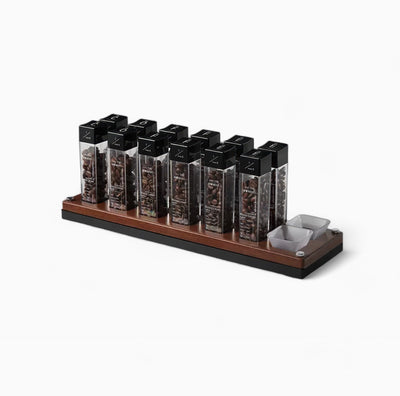
Coffee Bean Storage Tube Set with One-Way Valves
$41.90 $70.00
Preserve your blonde roast beans' delicate flavors with precision single-dose storage featuring one-way degassing valves.
Explore ProductThe Coffee Bean Storage Tube Set with One-Way Valves solves this preservation challenge with precision-engineered storage. The one-way degassing valves allow naturally escaping CO2 to exit while preventing oxygen from entering, maintaining the optimal environment for your beans. This level of preservation is particularly crucial for blonde roast beans, whose subtle flavor compounds are the first to oxidize and degrade.

Building Your Blonde Roast Brewing Arsenal
Once you've secured proper storage for your beans, the next consideration is your brewing equipment. Pour over enthusiasts understand that the quality of their gear directly correlates with cup quality. For blonde roasts specifically, having control over water temperature and pour precision separates good cups from extraordinary ones.
Water that's too hot will scorch the delicate aromatics of blonde roast coffee beans, while water that's too cool won't extract enough from these dense beans. Similarly, an inconsistent pour creates uneven extraction, leaving complex flavors locked inside the grounds. The right equipment eliminates these variables.
Essential Tools for Blonde Roast Brewing

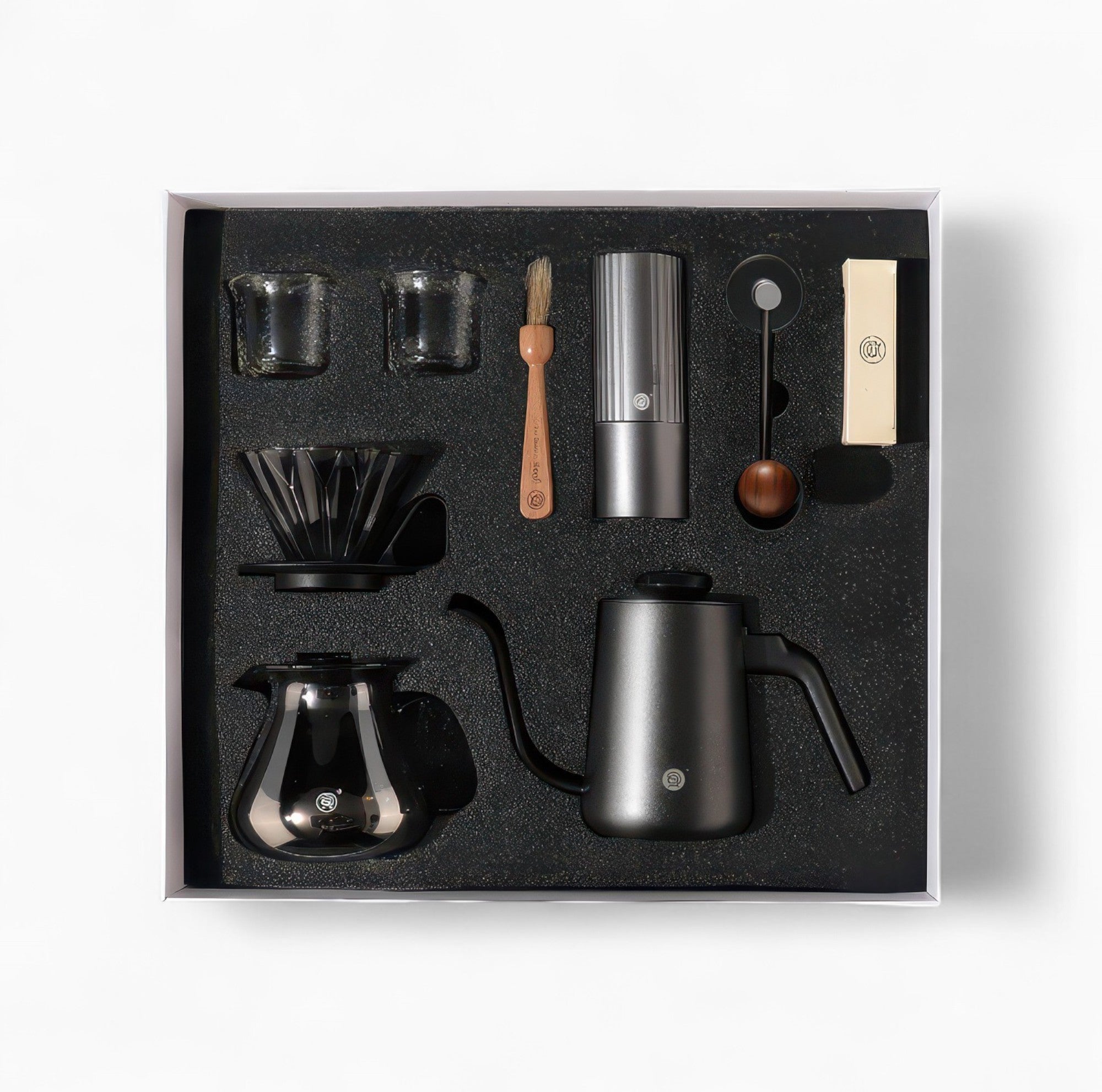
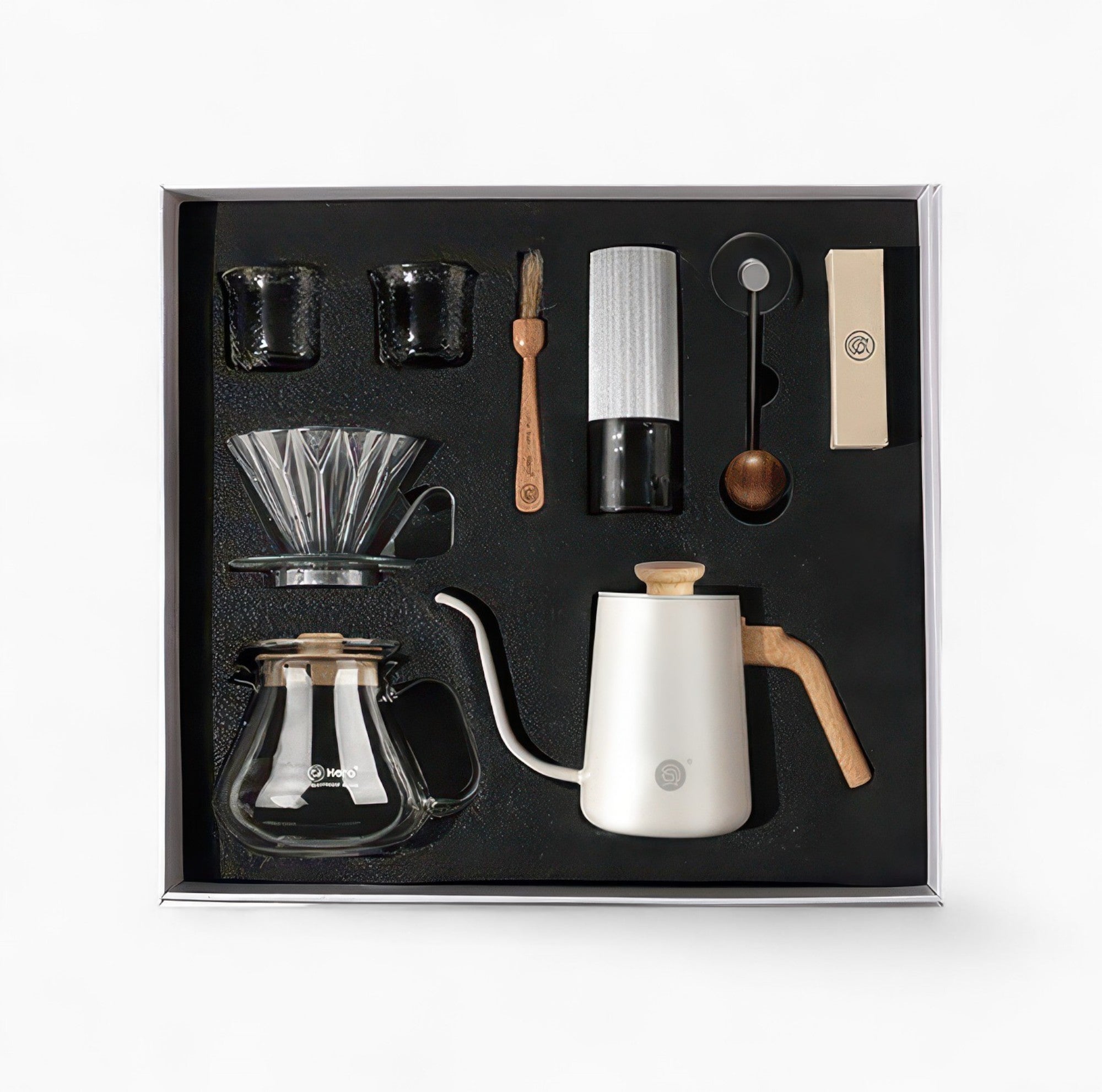
Complete Pour Over Coffee Kit with Grinder and Kettle
$235.90
$360.00
Unlock the full potential of blonde roast coffee beans with this complete pour over system designed for optimal light roast extraction. Learn more ➔

Gooseneck Electric Kettle with Temperature Control
$138.90
$255.00
Achieve perfect brewing temperature for blonde roast beans with precision temperature control that prevents scorching delicate flavors. Learn more ➔
The Complete Pour Over Coffee Kit with Grinder and Kettle provides everything needed to master light roast extraction in one cohesive system. The included gooseneck spout enables the slow, controlled pours that blonde roasts demand, while the precision grinder ensures consistent particle size for even extraction.
Complementing any pour over setup, the Gooseneck Electric Kettle with Temperature Control eliminates guesswork from water heating. Temperature control empowers you to dial in exactly 200-205°F for blonde roasts—the sweet spot that extracts sweetness and complexity without introducing harshness. This precision is crucial when working with beans whose subtle character can be easily overshadowed by brewing inconsistencies.

Why Blonde Roast Lovers Are Passionate
The community of blonde roast enthusiasts grows daily as more coffee drinkers discover that "stronger" doesn't mean "better." Light roast lovers value transparency in their cup—the ability to taste the farm, the variety, the processing method, and the elevation where their coffee was grown. This connection to origin transforms coffee from mere caffeine delivery into genuine agricultural appreciation.
Many converted blonde roast drinkers report never returning to darker roasts once they've experienced the clean, vibrant profiles that properly brewed light roasts deliver. The learning curve is real—blonde roasts demand more attention to brewing parameters—but the reward is coffee that tastes like the place it comes from rather than the roaster it passed through.
Conclusion: Elevating Your Blonde Roast Experience
Blonde roast coffee beans offer a window into coffee's most authentic expressions. From their bright acidity and complex aromatics to their tea-like body, these light roasts reward curiosity and precision. The journey from understanding what blonde roast truly is to brewing it with mastery involves understanding extraction science, investing in proper storage, and equipping yourself with tools designed for the task.
At Rethink Cafe, we understand that great coffee deserves great equipment. Whether you're just discovering blonde coffee roast or looking to refine your existing setup, our curated selection of storage solutions, pour over kits, and precision kettles ensures your beans reach their full potential in the cup. The right tools don't just make brewing easier—they unlock flavors you might otherwise miss entirely.
Frequently Asked Questions About Blonde Roast Coffee Beans
Blonde roast coffee refers to beans roasted to the lightest level, typically reaching internal temperatures between 356°F and 401°F. These roasts stop shortly after first crack, preserving the bean's natural origin characteristics and producing a cup with bright acidity, tea-like body, and complex flavor notes ranging from citrus to floral rather than the roasty, caramelized flavors of darker roasts.
By weight, blonde and dark roasts contain virtually identical caffeine. However, because dark roasting causes beans to expand and lose density, measuring by volume scoops actually yields slightly more caffeine from blonde roasts. The perception that dark roasts are "stronger" comes from their bold, bitter flavor profile rather than actual caffeine content.
Blonde roast coffee tastes bright, vibrant, and complex with pronounced acidity and lighter body. Common flavor notes include citrus zest, stone fruits, jasmine, honey, berries, and toasted grain. Unlike dark roasts, there's minimal bitterness or smokiness—instead, the cup showcases the bean's origin characteristics with tea-like clarity and subtle sweetness.
Essentially yes—"blonde roast" is a marketing term popularized by major coffee chains to describe their lightest roasts. In specialty coffee terminology, these would simply be called light roasts or occasionally cinnamon roasts. Some roasters distinguish blonde as slightly lighter than traditional light roasts, pushing beans to the very edge of first crack, but the difference is minimal.
Pour over methods are ideal for blonde roast coffee because they offer precise control over temperature, flow rate, and contact time. Use water between 200-205°F (93-96°C) and a slightly finer grind than you would for dark roasts to compensate for the bean's density. A gooseneck kettle enables the slow, controlled pours that extract bright, complex flavors without bitterness. Total brew time should be slightly longer than with dark roasts to ensure proper extraction.