Finding the best vanilla coffee beans has become increasingly challenging as specialty coffee continues to evolve. Home baristas and coffee enthusiasts are no longer satisfied with generic flavored blends—they want premium vanilla beans that deliver nuanced sweetness without overwhelming the coffee's natural character. Whether you're crafting a morning pour-over or dialing in espresso shots, the quality of your naturally flavored coffee can elevate your entire routine.
At Rethink Cafe, we understand that exceptional infused coffee beans deserve equally exceptional brewing methods. This guide explores everything you need to know about selecting, understanding, and brewing artisan coffee beans with genuine vanilla character. You'll discover how to distinguish between natural and artificial flavoring, master extraction techniques that highlight delicate vanilla notes, and create café-quality beverages in your own kitchen.
What Are Vanilla Coffee Beans?
Vanilla coffee beans are specialty-grade coffee beans that have been infused with vanilla flavor profiles before or during the roasting process. Unlike adding vanilla syrup to your finished cup, these beans carry the essence of vanilla throughout their cellular structure, creating a more harmonious and integrated tasting experience.

The foundation of quality vanilla flavored coffee begins with selecting exceptional base beans. Most roasters choose medium-roasted Arabica beans as their canvas because they provide the ideal balance of body and acidity to showcase vanilla's delicate aromatics. The beans then undergo careful infusion processes using either natural vanilla sources or flavoring agents.
When shopping for gourmet coffee beans, you'll encounter two primary categories: those flavored with natural vanilla bean extract or whole bean pods, and those enhanced with artificial vanilla flavoring. Understanding this distinction is crucial for discerning coffee enthusiasts who value authenticity in their cup.
Natural vs. Artificial Flavoring: Understanding the Difference
The distinction between natural and artificial vanilla coffee flavoring represents one of the most significant quality differentiators in the specialty flavored coffee market. This choice affects not just taste, but also aroma, mouthfeel, and how the coffee interacts with various brewing methods.
Naturally Flavored Coffee Process
Natural vanilla flavoring involves infusing green or roasted coffee beans with genuine vanilla orchid components. Roasters may use Madagascar Bourbon vanilla beans, Tahitian vanilla, or Mexican vanilla—each imparting distinct flavor characteristics. Madagascar vanilla typically delivers rich, creamy notes with buttery undertones, while Tahitian varieties offer more floral and fruity complexities.
The natural infusion process typically requires longer contact time between coffee beans and vanilla components, often aging them together in specialized containers. This method allows the coffee to absorb vanilla's aromatic compounds gradually, resulting in a more subtle and sophisticated flavor integration.
Artificially Infused Coffee
Artificially flavored vanilla coffee utilizes synthetic vanillin—the primary flavor compound in natural vanilla—often derived from wood pulp or petrochemicals. While cost-effective and consistent, artificial flavoring can produce harsher, more one-dimensional sweetness that lacks the depth and complexity of natural alternatives.
Quick Tip: Check the ingredient label when purchasing vanilla coffee. Premium products will specify "natural flavor" or list vanilla bean as an ingredient, while lower-quality options simply state "artificial flavor" or "vanillin."
How Is Coffee Naturally Flavored with Vanilla?
The art of creating premium vanilla beans for coffee involves several sophisticated techniques that artisan roasters have refined over decades. Understanding these methods helps you appreciate the craftsmanship behind every bag of quality flavored coffee.

Pre-Roast Infusion: Some roasters blend whole vanilla bean pods with green coffee beans before roasting. As the beans heat during the roast cycle, the vanilla beans split and release their essential oils, which the porous coffee beans absorb. This method creates deep flavor integration but requires precise temperature control to prevent the vanilla from becoming bitter or burnt.
Post-Roast Application: Other artisans apply natural vanilla extracts to roasted beans immediately after cooling. The warm beans readily absorb the liquid, locking in aromatics before packaging. This technique preserves more of the vanilla's volatile compounds but requires careful measuring to avoid making the beans overly sticky or difficult to grind.
Co-fermentation Methods: Experimental producers are now exploring fermentation techniques where vanilla byproducts or spent vanilla pods are added to the coffee fermentation tanks. This emerging approach creates unique flavor marriages between the coffee's natural fruit notes and vanilla's characteristic sweetness.
Brewing the Best Vanilla Coffee at Home
Extracting the full potential from your vanilla coffee beans requires attention to brewing parameters. The delicate vanilla compounds can be easily overwhelmed by improper extraction or masked by bitterness from over-extraction. Here are the essential considerations for home baristas seeking the perfect cup.
Temperature Considerations for Vanilla Extraction
Vanilla's aromatic compounds begin to degrade above 205°F (96°C). For optimal results when brewing vanilla flavored coffee, maintain water temperature between 195°F and 203°F (90°C to 95°C). This slightly cooler range preserves the volatile vanilla molecules while still effectively extracting coffee's essential oils.
Consider using a Gooseneck Electric Kettle with Temperature Control to maintain precise brewing temperatures. The ability to dial in exact temperatures ensures you extract maximum vanilla character without sacrificing the coffee's body or introducing unwanted bitterness.
Grind Size and Preparation
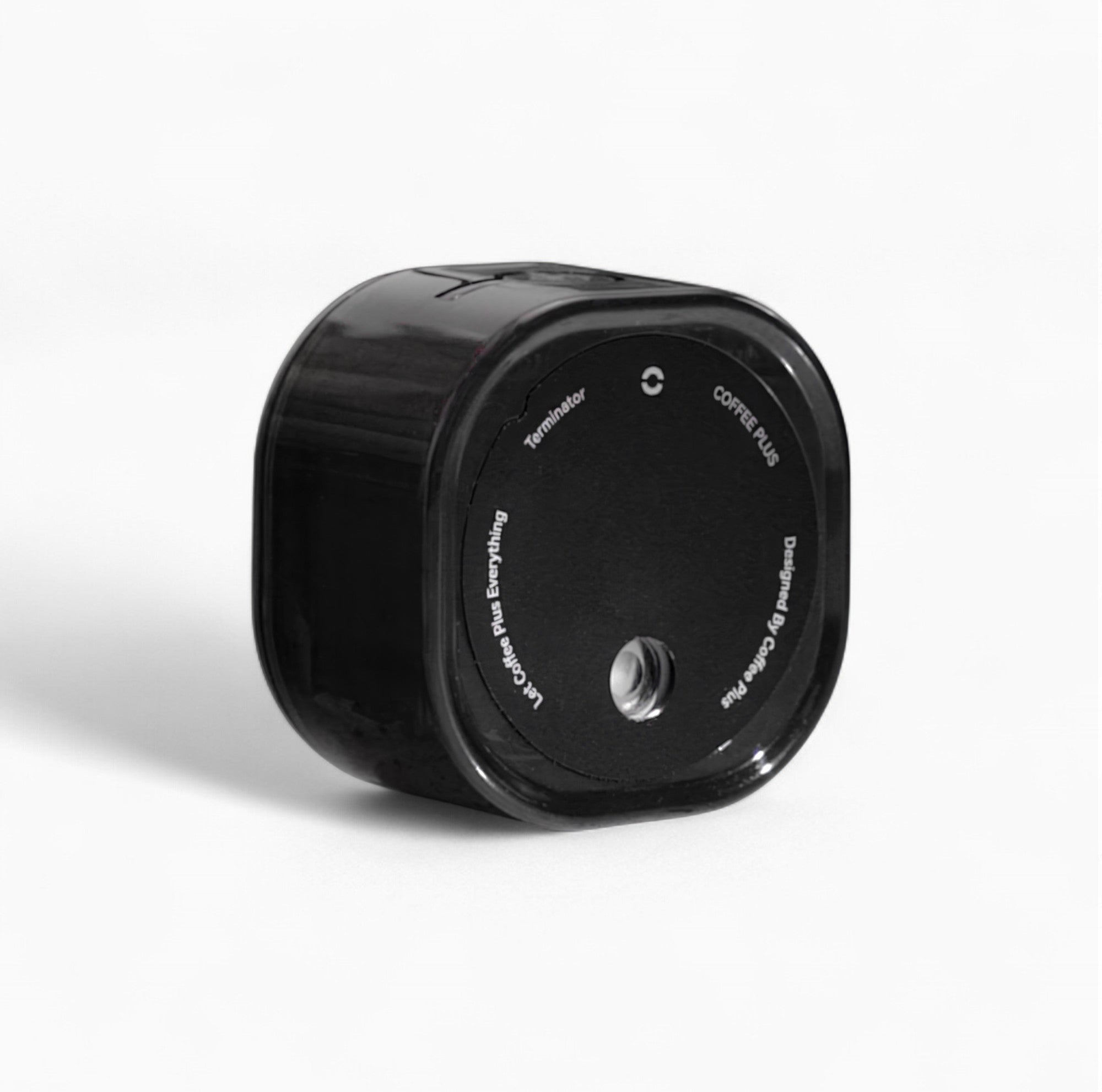
Proper grind preparation plays a crucial role in vanilla coffee enjoyment. Static electricity during grinding can cause beans to cling unevenly, resulting in inconsistent extraction and lost aromatics. The Electric Anti-Static Bean Sprayer eliminates this problem by lightly misting beans before grinding, ensuring accurate dosing and uniform particle distribution.
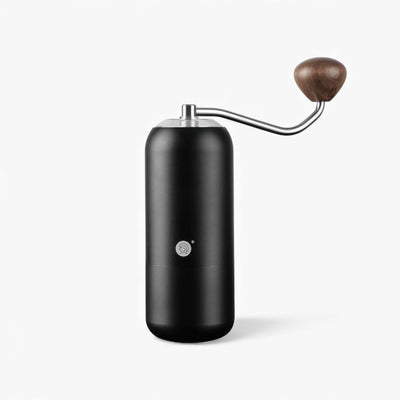
For vanilla coffee, aim for a medium grind size for drip methods, or slightly finer for pour-over techniques. The vanilla oils can slow extraction slightly, so you may need to adjust your usual grind settings accordingly.
The video above demonstrates how to create complementary vanilla elements that pair beautifully with your infused coffee beans. While naturally flavored beans provide inherent sweetness, adding homemade vanilla syrup can create layered flavor experiences for special occasion beverages.

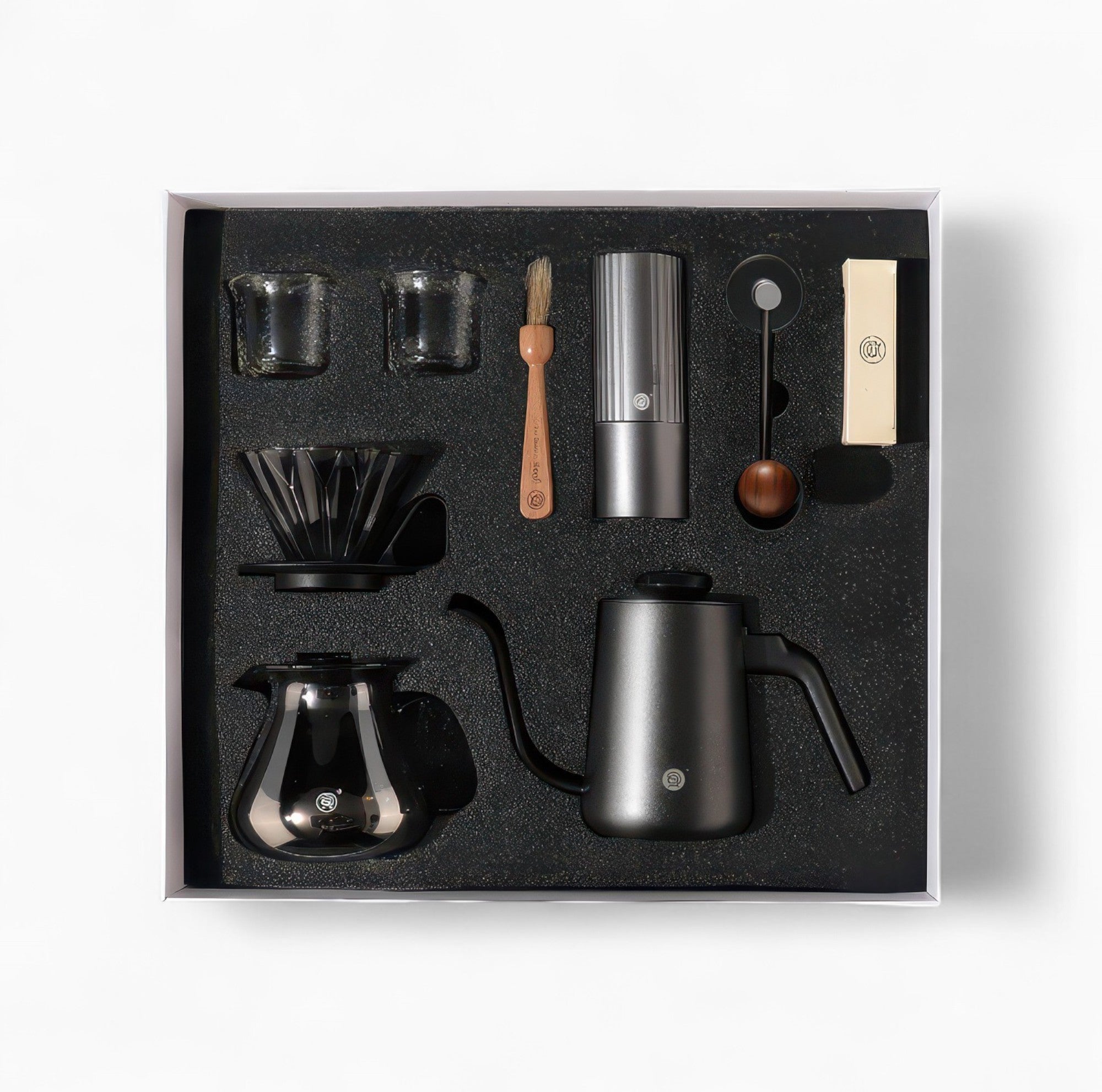
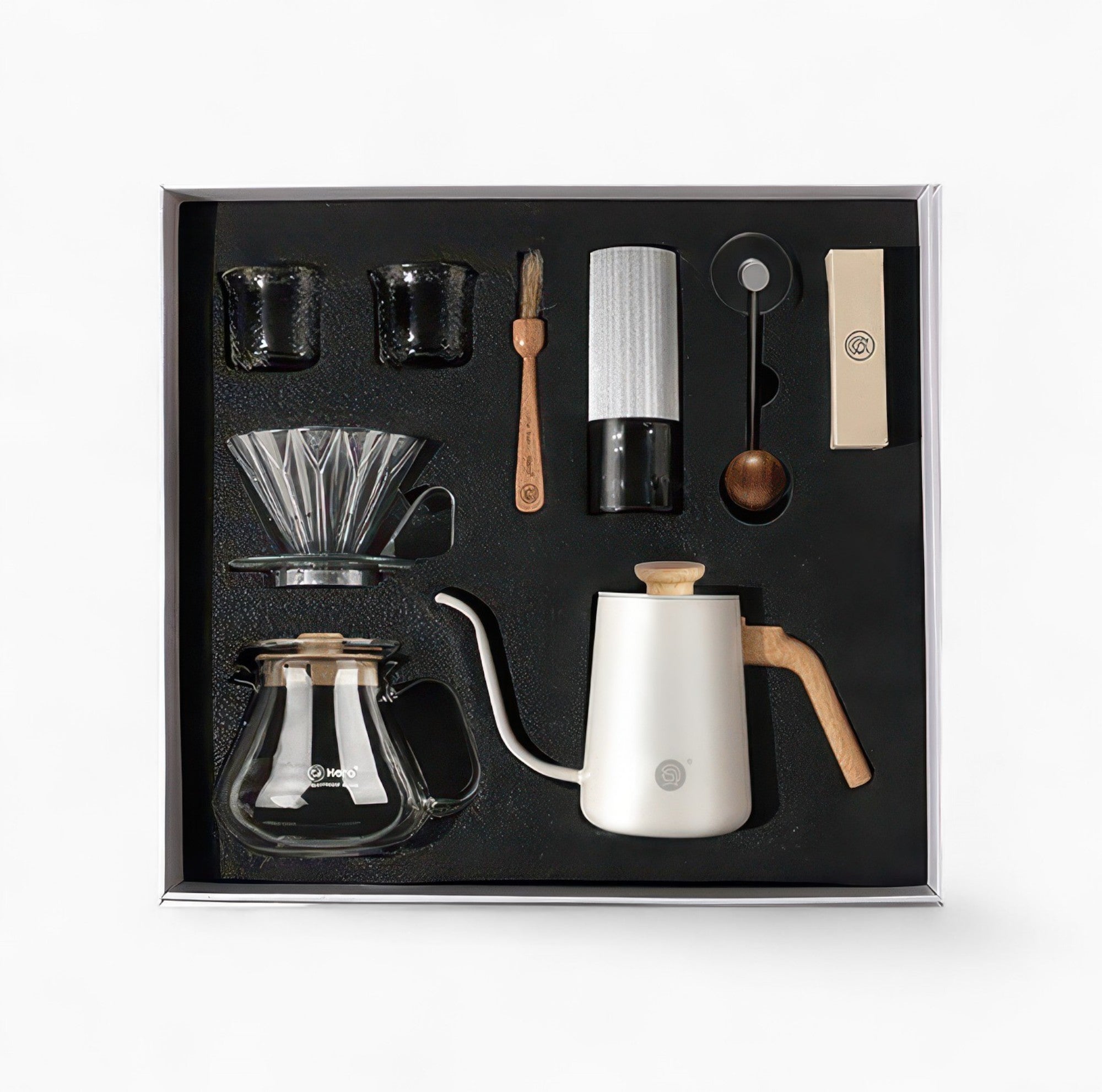
Complete Pour Over Coffee Kit with Grinder and Kettle
$235.90 $360.00
Brew vanilla coffee with precision using this complete pour over kit featuring a grinder and temperature-controlled kettle for optimal extraction.
Explore ProductThe Complete Pour Over Coffee Kit with Grinder and Kettle provides everything needed to extract maximum vanilla character from your beans. The included grinder ensures consistent particle size, while the precision kettle maintains optimal temperature throughout the brewing process.
Essential Brewing Tools for Vanilla Coffee

Gooseneck Electric Kettle with Temperature Control
$138.90
$255.00
Achieve perfect extraction with precise temperature control when brewing your favorite vanilla coffee beans to preserve their delicate flavor notes. Learn more ➔

Electric Anti-Static Bean Sprayer for Espresso
$25.90
$87.00
Prepare your vanilla coffee beans perfectly with this 16um ultra-fine sprayer that eliminates static before grinding for accurate dosing. Learn more ➔

Do Vanilla Coffee Beans Taste Naturally Sweet?
A common misconception about infused coffee beans is that they contain added sugars or sweeteners. In reality, naturally flavored vanilla coffee derives its perceived sweetness entirely from aromatic perception. Our brains associate vanilla's familiar scent with sweet desserts, creating a psychological impression of sweetness without any caloric addition.

The actual taste profile of quality vanilla coffee beans includes:
- Creamy mouthfeel: Natural vanilla compounds can create the perception of richness similar to adding cream
- Smooth finish: Vanilla's aromatic oils often mask some of coffee's natural bitterness
- Complex aromatics: Beyond simple "vanilla" notes, expect hints of caramel, butter, and even subtle floral undertones
- Enhanced fruit notes: In lighter roasts, vanilla can amplify the coffee's inherent berry or citrus characteristics
If your vanilla coffee tastes cloyingly sweet or leaves a sugary coating on your palate, it likely contains added sweeteners—a practice common in lower-quality commercial products but absent from true specialty flavored coffee.
Selecting Premium Vanilla Coffee in 2026
As demand for gourmet coffee beans continues growing, discerning buyers should know what separates exceptional vanilla coffee from mediocre offerings. Here's your checklist for 2026:
Quality Indicators:
- Roast date within 2-4 weeks of purchase
- Transparent sourcing statements specifying vanilla origin
- Whole bean format (pre-ground loses volatile aromatics quickly)
- Dark glass or nitrogen-flushed packaging
- Single-origin base coffee (not mysterious "blend" origins)
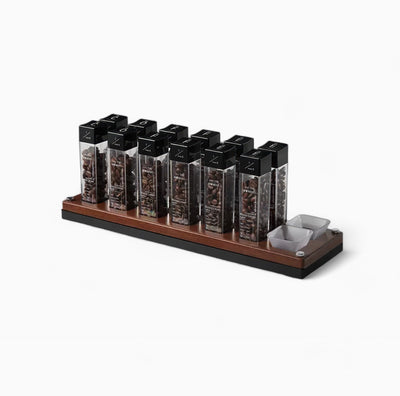
Storage Best Practices: Vanilla compounds degrade faster than standard coffee aromatics. Store your beans in an airtight container away from light, heat, and moisture. Avoid refrigeration, which introduces humidity and odor contamination. Consider specialized bean storage solutions that create optimal preservation environments.
For more information about selecting and storing quality beans, visit our bean storage collection to explore vacuum-sealed canisters and preservation systems designed specifically for specialty coffee enthusiasts.
Conclusion
Finding the best vanilla coffee in 2026 requires understanding the difference between genuine natural flavoring and artificial alternatives, mastering brewing techniques that highlight delicate vanilla notes, and investing in equipment that preserves and extracts these ephemeral aromatics. Whether you prefer pour-over precision or espresso intensity, naturally flavored coffee offers an accessible entry point into specialty coffee exploration for enthusiasts at every level.
At Rethink Cafe, we're committed to empowering home baristas with the knowledge and tools they need to create exceptional coffee experiences. From precision brewing equipment to comprehensive educational resources, we support your journey from casual coffee drinker to discerning enthusiast. Explore our complete range of pour over equipment, coffee grinders, and espresso machines to build your perfect home brewing setup.
Frequently Asked Questions about Vanilla Coffee Beans
Vanilla coffee beans are specialty-grade coffee beans that have been infused with vanilla flavor either before, during, or after the roasting process. They can be flavored using natural vanilla bean extracts, whole vanilla pods, or artificial vanillin compounds. The vanilla flavor becomes integrated into the beans themselves, creating a harmonious taste experience that differs from adding vanilla syrup to brewed coffee.
Coffee is naturally flavored with vanilla through several methods: pre-roast infusion (blending whole vanilla pods with green coffee beans before roasting), post-roast application (applying natural vanilla extracts to freshly roasted warm beans), or co-fermentation (adding vanilla byproducts during the coffee fermentation process). Each method creates different flavor integration levels, with pre-roast infusions typically producing deeper, more baked-in vanilla character while post-roast applications preserve more volatile aromatic compounds.
Natural vanilla coffee uses real vanilla bean extracts, pods, or natural flavoring compounds derived from vanilla orchids. Artificial vanilla coffee uses synthetic vanillin, often derived from wood pulp or petrochemicals. Natural vanilla coffee typically offers more complex flavor profiles with creamy, buttery undertones and subtle floral notes. Artificial vanilla tends to be more one-dimensional with sharper, sometimes chemical-tasting sweetness. Always check labels—premium products specify "natural flavor" or list vanilla bean as an ingredient.
Brew vanilla coffee beans using slightly lower water temperatures (195°F to 203°F) to preserve delicate vanilla compounds. Use a medium grind size for drip methods or slightly finer for pour-over. Because vanilla oils can slow extraction, you may need minor grind adjustments from your usual settings. Pour-over methods particularly excel at highlighting vanilla aromatics, while French press brewing emphasizes the creamy mouthfeel. Always use freshly ground beans and avoid overheating, which can make vanilla taste bitter or burnt.
Vanilla coffee beans do not contain added sugars or sweeteners. Their perceived sweetness comes from psychological association—our brains connect vanilla's familiar aroma with sweet desserts, creating an impression of sweetness without actual caloric content. However, some low-quality commercial products may include added sweeteners. True specialty vanilla coffee relies entirely on natural flavoring to create smooth, creamy characteristics that suggest sweetness while remaining calorie-free and suitable for sugar-free diets.