

There's something magical about the moment green coffee beans transform from grassy, raw seeds into aromatic, caramelized treasures. As a home barista, you've mastered espresso extraction and dialed in your grinder settings to perfection. Now you're ready for the ultimate level of control over your coffee quality: roasting your own beans. Finding the right home coffee roaster is the gateway to experiencing coffee at its absolute freshest, unlocking flavor profiles that pre-roasted beans simply cannot deliver.
In this guide, you'll discover everything you need to know about selecting the best equipment for your needs. We'll compare different types of coffee roasting machines, explore price ranges from budget-friendly options to professional-grade equipment, and reveal the often-overlooked storage solutions that are essential for preserving your home-roasted beans. By the end, you'll understand exactly how to roast beans like a pro and keep them tasting exceptional with the right accessories from Rethink Cafe.
Why Take Control of Your Coffee with Home Roasting?
Home coffee roasting isn't just a hobby—it's a transformative approach to your daily coffee ritual. When you roast at home, you control every variable that affects flavor development. From selecting single-origin green beans to determining your preferred roast level, you become the architect of your coffee experience.

The freshness factor alone justifies the investment. Coffee begins losing volatile aromatics immediately after roasting. Pre-roasted beans from your local café might be days or weeks post-roast, while beans you roasted this morning deliver the peak flavor profile that professionals chase. Additionally, home roasting can reduce your per-cup cost significantly over time, especially if you're currently buying premium specialty roasts.
Understanding the Types of Home Coffee Roasters
Before investing in a coffee roasting machine, you need to understand the three primary technologies available for home use. Each approach produces different roast characteristics and suits different skill levels.

Drum Coffee Roasters
Drum roasters dominate the commercial coffee world, and scaled-down versions bring that same technology to your countertop. These machines use a rotating metal drum that tumbles beans over a heat source, creating even heat distribution through conductive and convective heat transfer. Drum roasters excel at developing complex flavor profiles and provide excellent control over roast development.
The downside? Drum roasters typically produce more smoke and chaff than other methods, requiring adequate ventilation. They're also generally the most expensive home roasting equipment option, with quality units starting around $300 and extending well over $1,000.
Air (Fluid Bed) Coffee Roasters
Air roasters work like super-powered popcorn poppers, using a stream of hot air to lift and circulate beans while roasting them. This method produces exceptionally clean-tasting coffee with pronounced acidity and brightness. Fluid bed roasters roast faster than drum machines—typically 6 to 10 minutes compared to 12 to 20 minutes.
Air coffee roaster models are generally more affordable and compact than drum units but offer less control over roast development nuances. Popular options like the Fresh Roast SR800 provide an excellent entry point for beginners who want consistent results without a steep learning curve.
Manual and DIY Methods
For the experimental enthusiast, several no-machine options exist. Hot air popcorn poppers can roast small batches effectively, though they lack temperature control and consistency. Stovetop methods using a cast-iron pan or specialized stovetop roasters provide tactile control but require constant attention and produce significant smoke.
These methods work best as low-cost experiments to determine if home roasting appeals to you before investing in dedicated equipment.
Video Guide: Choosing Your Perfect Home Coffee Roaster
Sometimes seeing the equipment in action clarifies what written descriptions cannot. This comprehensive video walks through the key considerations when selecting your first home coffee roaster, including demonstrations of different roasting technologies and real-world performance comparisons.
What to Look for When Buying a Home Coffee Roaster
Selecting the right roast beans at home equipment involves balancing several critical factors beyond just the roasting technology.
Batch Capacity
Consider how much coffee you consume weekly. Small batch roaster units typically handle 4 to 8 ounces per batch, meaning you'll roast several times per week. Larger home roasting equipment can process 1 pound or more, reducing your roasting frequency but requiring more significant upfront investment.
Temperature Control and Monitoring
Professional-quality roasts require precise temperature control and the ability to track bean temperature throughout the roast curve. Entry-level machines offer basic time and temperature settings, while advanced units provide programmable roast profiles and real-time data logging. Small batch coffee roasting enthusiasts often prioritize these control features to replicate successful roasts consistently.
Smoke and Chaff Management
Roasting produces smoke, chaff (the thin skin that sheds from beans), and aromatic compounds. Some machines include built-in smoke suppression or chaff collection systems. Without these features, you'll need to roast near a range hood or outdoors—a significant consideration for apartment dwellers.
Cooling Mechanisms
Rapid cooling stops the roasting process at your target development level. Machines with dedicated cooling cycles provide better consistency than manual cooling methods. Look for units that can cool beans to room temperature within 3 to 4 minutes.
The Critical Step Most Home Roasters Overlook
After investing in quality home roasting equipment, many enthusiasts make a critical error that undermines their results: improper storage of freshly roasted beans. Here's the challenge—freshly roasted coffee releases carbon dioxide for 24 to 72 hours after roasting. This degassing is essential for proper extraction but creates storage complications.

Standard airtight containers trap CO2, which can cause container swelling or burst seals. Meanwhile, exposing beans to oxygen immediately after roasting accelerates staling and destroys the volatile aromatics you worked so hard to develop. The solution lies in specialized storage designed specifically for fresh-roasted coffee.

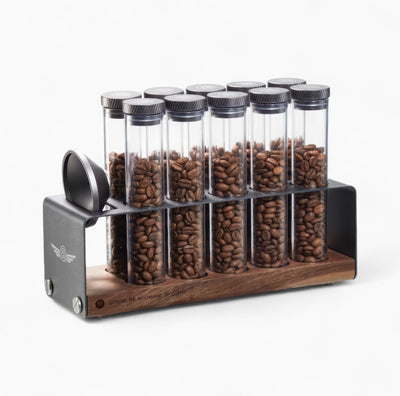
Coffee Bean Storage Tubes with One-Way Degassing Valve
$27.90 $53.00
Protect your freshly roasted beans with patented nitrogen displacement and one-way degassing valves that prevent oxygen infiltration while allowing CO2 release.
Explore ProductThese Coffee Bean Storage Tubes solve the degassing paradox by allowing CO2 to escape while maintaining an oxygen-free environment. After you've perfected your roast profile, don't let storage mistakes compromise your results.
Essential Storage Solutions for Peak Freshness
Proper storage extends the optimal flavor window of your home-roasted beans from just a few days to several weeks. When selecting storage for your electric coffee roaster output, prioritize containers that address three key requirements: degassing capability, oxygen exclusion, and protection from light and moisture.
Premium Storage Solutions for Home Roasters

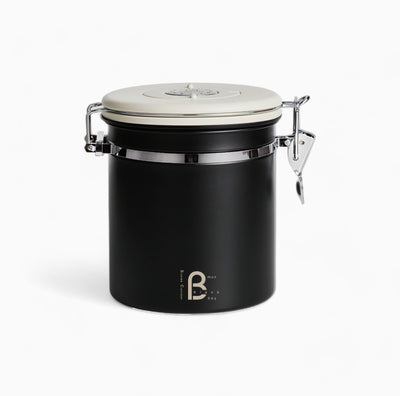
Airtight Coffee Bean Canister with CO2 Valve
$37.90
$63.00
304 stainless steel vacuum-sealed canister with one-way CO2 exhaust valve keeps your home-roasted beans at peak freshness with built-in roast date tracking. Learn more ➔

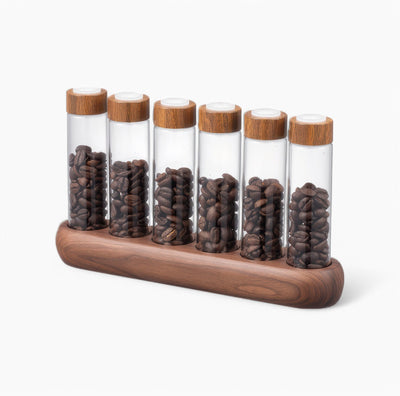
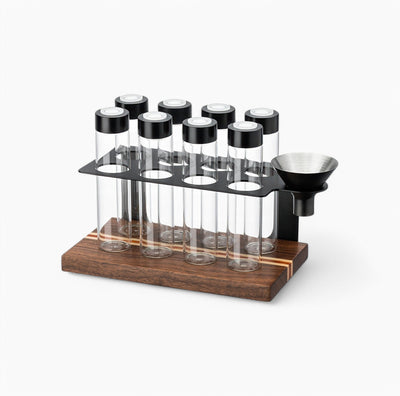
Coffee Bean Storage Tubes With Walnut Display Base
$34.90
$67.00
Showcase your different roasts in elegant borosilicate glass tubes with cork stoppers, organized beautifully on a solid walnut wood base for any coffee station. Learn more ➔
The Airtight Coffee Bean Canister combines 304 stainless steel durability with a one-way CO2 valve system, making it ideal for storing larger batches while tracking roast dates. For displaying multiple roast profiles or single-origin varieties, the Storage Tubes with Walnut Display Base transforms your storage solution into a conversation piece.
Home roasting creates an entire ecosystem of specialized needs. Beyond the roaster itself, you'll want to explore precision scales for measuring green coffee, dedicated storage for your unroasted bean inventory, and brewing equipment that showcases your custom roasts. Coffee scales with 0.1-gram accuracy ensure consistent batch sizes, while proper bean storage preserves your work. Find everything you need to complete your setup in our comprehensive bean storage collection.
Your First Roast: Getting Started
Once you've selected your equipment, approach your first roast with patience and attention to detail. Start with a smaller batch size than your machine's maximum capacity—this provides forgiveness if you need to roast a second batch to perfect your technique.
Record everything about your first attempts: green bean weight, ambient temperature, roast duration, first crack timing, and cooling duration. These data points become invaluable as you develop repeatable profiles. Most importantly, don't chase perfection immediately. Even slightly uneven roasts produce better coffee than month-old grocery store beans.
Conclusion: Elevate Your Coffee Journey
Choosing the right home coffee roaster represents a significant step in your coffee journey. Whether you opt for the classic approach of a drum roaster, the efficiency of an air roasting system, or an entry-level machine to test your interest, the ability to roast your own beans transforms your relationship with coffee.
Remember: Great home roasting requires two investments—the roaster itself and proper storage to preserve your results. The equipment gets you fresh coffee; the right storage keeps it fresh.
At Rethink Cafe, we support home roasters with the specialized equipment and storage solutions that commercial operations rely on. From nitrogen-flushed storage tubes to precision canisters with integrated roast-date tracking, every product in our catalog addresses specific challenges that home roasters face. Browse our bean storage solutions and complete your roasting setup today.
Frequently Asked Questions About Home Coffee Roasters
The Fresh Roast SR800 stands out as the best home coffee roaster for beginners due to its intuitive controls, affordable price point, and consistent results. Air roasters like this model provide faster, more forgiving roasting than drum machines, making them ideal for learning roast development. For those wanting to experiment before investing, hot air popcorn poppers offer a low-cost entry point, though they lack temperature control and consistency compared to dedicated coffee roasting equipment.
Home coffee roasters range from $0 (using DIY methods like stovetop pan roasting) to over $3,000 for professional-grade drum machines. Entry-level electric coffee roasters typically cost $150 to $400, offering basic controls and small batch sizes. Mid-range units ($400 to $1,000) provide better temperature monitoring and larger capacity. Premium drum roasters exceed $1,000 and offer programmable profiles, smoke suppression, and pound-plus capacities. Factor in $50 to $150 for essential storage solutions to protect your investment.
Roasting your own coffee beans is worth it for enthusiasts who value freshness, customization, and long-term cost savings. Green coffee beans cost 30 to 50 percent less than comparable roasted beans, meaning your equipment investment pays for itself over time. More importantly, you control roast development, allowing you to highlight specific flavor notes and create custom blends impossible to find commercially. The learning curve requires patience, but the resulting coffee quality and ability to enjoy beans at peak freshness (24 to 72 hours post-roast) delivers unmatched satisfaction.
Home coffee roasting takes 6 to 20 minutes per batch depending on your equipment type and desired roast level. Air (fluid bed) roasters complete roasts faster, typically 6 to 10 minutes, while drum roasters require 12 to 20 minutes for proper development. Add 3 to 5 minutes for cooling beans to stop the roasting process. For context, first crack (the audible popping indicating light roast development) usually occurs at 8 to 12 minutes in drum roasters and 4 to 6 minutes in air roasters. The entire process from setup to cleanup typically requires 30 to 45 minutes for a single batch.
Yes, you can roast coffee at home without a machine using several DIY methods. Hot air popcorn poppers provide surprisingly consistent results for small batches (2 to 4 ounces), though they lack temperature control. Stovetop methods using a cast-iron skillet or whirley-pop popcorn maker offer more hands-on control but require constant stirring for even roasting. Oven roasting works for larger batches but produces uneven results due to limited airflow. While these methods let you experiment with home roasting before investing in equipment, they produce significant smoke and require careful monitoring to avoid fire hazards.


