There's something undeniably comforting about a perfectly crafted au lait coffee. The harmonious marriage of bold, rich coffee and silky steamed milk creates a drinking experience that has captivated coffee lovers for centuries. Whether you're a seasoned home barista or just beginning your journey into specialty coffee, understanding this classic French preparation will elevate your morning routine and deepen your appreciation for the art of coffee making.
In this comprehensive guide, you'll discover exactly what makes café au lait special, how to prepare authentic French coffee in your own kitchen, and—crucially—how it differs from the latte you might order at your local coffee shop. By the end, you'll have everything you need to brew café-quality results at home, plus the right tools to make it happen.
What is Café au Lait?
Café au lait translates directly from French as "coffee with milk"—and while the name sounds simple, the preparation follows specific traditions that distinguish it from other milk-based coffee drinks. At its core, café au lait consists of equal parts strongly brewed coffee and steamed milk, served in a generously sized bowl or cup.
Originating in France, this preparation method has been a morning staple in French cafés and households for generations. Unlike espresso-based drinks that dominate modern coffee culture, traditional café au lait uses brewed coffee—typically from a French press or drip method—as its foundation. The result is a drink that's lighter than a latte but creamier than standard coffee with a splash of milk.
The serving vessel itself is part of the experience. In France, café au lait is traditionally served in a wide, shallow bowl (bol) that allows the drinker to dip their morning pastry—often a buttery croissant—directly into the coffee. This practice, called tremper, is a cherished ritual that transforms breakfast into a sensory delight.

Café au Lait vs Latte: Understanding the Key Differences
One of the most common points of confusion in coffee culture is the distinction between café au lait vs latte. While both drinks combine coffee and milk, they differ fundamentally in preparation, flavor profile, and texture.
The primary difference lies in the coffee base. A latte uses espresso—concentrated coffee extracted under high pressure—as its foundation, topped with steamed milk and a thin layer of microfoam. Café au lait, conversely, uses traditionally brewed coffee, resulting in a lighter body and less intense coffee flavor.
| Characteristic | Café au Lait | Latte |
|---|---|---|
| Coffee Base | Brewed coffee (French press/drip) | Espresso (1-2 shots) |
| Milk Ratio | Equal parts (1:1) | 1:3 to 1:5 espresso to milk |
| Milk Texture | Steamed, less foam | Microfoam, silky texture |
| Serving Size | 10-12 oz typically | 8-20 oz typically |
| Origin | French tradition | Italian-American evolution |
Another distinction is the milk preparation. While lattes require meticulously textured microfoam for latte art, coffee with milk in the French style is more forgiving—the milk simply needs to be hot and slightly frothy. This makes café au lait an excellent entry point for home baristas still mastering their milk steaming technique.
What Type of Coffee is Used for Café au Lait?
The beauty of traditional French coffee lies in its accessibility—you don't need an expensive espresso machine to achieve excellent results. The ideal coffee base for café au lait is a dark roast with bold, robust flavors that can stand up to the milk without being overwhelmed.
French roast beans are the classic choice, offering smoky, caramelized notes that complement the sweetness of steamed milk. However, any dark roast or medium-dark roast will work beautifully. The key is using a brewing method that produces a strong, full-bodied concentrate:
- French Press: The traditional choice, producing rich, full-bodied coffee with natural oils intact
- Moka Pot: Creates a concentrated brew similar to espresso but more approachable for beginners
- Drip Coffee Maker: Use a higher coffee-to-water ratio (1:14 instead of 1:16) for stronger results
- Pour Over: A fine-medium grind with slower pour yields excellent clarity and strength
Whichever method you choose, aim for a brew strength that tastes slightly more concentrated than your regular morning cup—the milk will dilute and mellow the final drink.
What is the Coffee to Milk Ratio for Café au Lait?
Authenticity in café au lait recipe preparation hinges on one critical measurement: the ratio. Traditional French preparation calls for equal parts coffee and steamed milk—typically a 1:1 ratio. This balance ensures that neither element dominates, creating a harmonious blend where the coffee's character shines through the creamy milk.
For a standard serving, this translates to approximately 6 ounces of strong brewed coffee combined with 6 ounces of steamed milk. The resulting 12-ounce drink is substantial enough for a satisfying breakfast accompaniment while maintaining the ideal flavor balance.
Consistency matters when perfecting your recipe. Measuring both components ensures repeatable results and allows you to adjust based on your taste preferences. If you prefer a stronger coffee presence, try a 2:1 coffee-to-milk ratio. For a creamier, milder drink, reverse that proportion.



How to Make Café au Lait at Home
Creating authentic café au lait in your kitchen requires minimal equipment but rewards attention to detail. Follow these steps for café-quality results:
Step 1: Brew Your Coffee Base
Start with freshly ground dark roast beans. If using a French press—the most traditional method—use a coarse grind and steep for 4 minutes before plunging. For drip methods, adjust your ratio to create a stronger concentrate than usual.
Step 2: Prepare Your Milk
While café au lait doesn't require the microfoam perfection of latte art, properly steamed milk elevates the experience significantly. Heat your milk to approximately 150-155°F (65-68°C)—hot enough to be satisfying but not so hot that it scalds and develops an unpleasant taste.
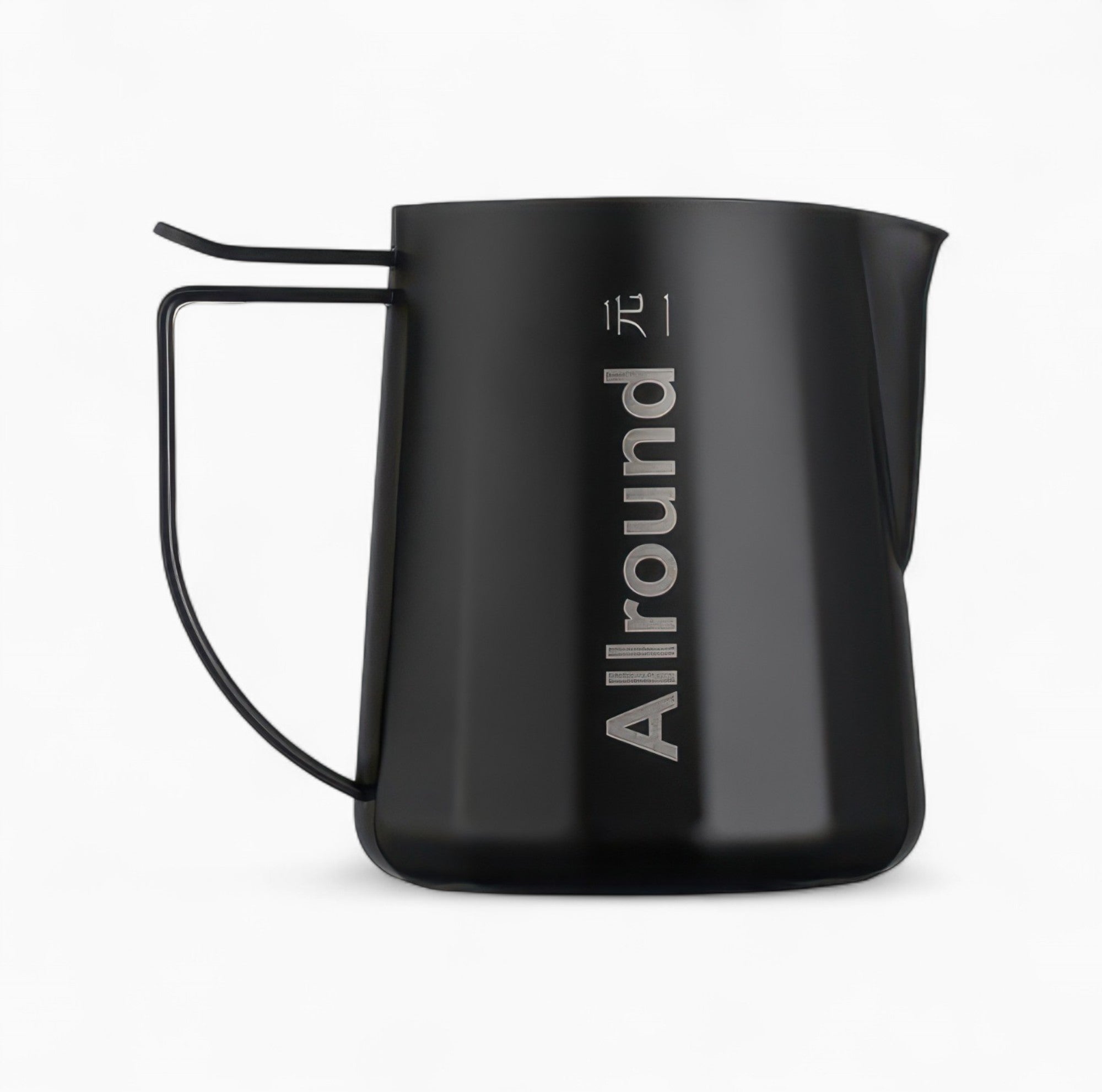
For the best results, a quality milk pitcher makes all the difference in achieving smooth, velvety texture.

Competition Grade Milk Frothing Pitcher Stainless Steel
$57.90 $112.00
Perfect your milk texture with this precision pour pitcher - ideal for creating smooth steamed milk for authentic café au lait at home
Explore ProductThe Competition Grade Milk Frothing Pitcher features precision pour spout design that gives you complete control over milk flow, essential for achieving that smooth, cafe-style texture. The stainless steel construction maintains temperature consistency throughout the steaming process, ensuring your milk reaches the perfect consistency without scalding.
Step 3: Measure Precisely
Consistency separates good home baristas from great ones. Achieving the perfect 1:1 ratio every time requires accurate measurement.
The Digital Coffee Scale with 0.1g Precision Brewing eliminates guesswork, allowing you to measure both your coffee and milk portions with laboratory-grade accuracy. Whether you're brewing for one or preparing multiple servings, this tool ensures every cup maintains the authentic balance that defines great café au lait.

Step 4: Combine and Serve
Pour your hot brewed coffee into a wide, heat-retained vessel. Slowly add the steamed milk, allowing the two to meld naturally. Unlike latte art, café au lait doesn't require sophisticated pouring technique—the beauty lies in the simplicity of the blend.
Step 5: Enjoy Immediately
Café au lait is best enjoyed fresh, while the temperature difference between coffee and milk creates a subtle layered effect. Serve with a croissant, pain au chocolat, or your favorite breakfast pastry for the complete French experience.
Elevate Your Café au Lait Experience

Ceramic Espresso Cup and Saucer Set for Latte Art
$23.90
$48.00
Serve your café au lait in style with this heat-retaining ceramic cup set - 280ml size perfect for equal parts coffee and milk Learn more ➔

Digital Coffee Scale with 0.1g Precision Brewing
$49.90
$83.00
Achieve the perfect 1:1 coffee to milk ratio every time with this precision brewing scale - essential for consistent café au lait results Learn more ➔
The Ceramic Espresso Cup and Saucer Set offers the ideal 280ml capacity for traditional café au lait preparation—perfectly sized for equal parts coffee and milk. The heat-retaining ceramic properties keep your drink at the optimal temperature longer, while the elegant design elevates your morning ritual.
Regional Variations of Café au Lait
While the French version remains the gold standard, similar preparations exist across coffee cultures worldwide:
- Café con Leche (Spain/Latin America): Uses espresso instead of brewed coffee, often with a higher milk ratio and added sugar
- Milchkaffee (Germany): Similar proportions but typically served with whipped cream on top
- Caffè Latte (Italy): The espresso-based predecessor to the American latte, distinct from café au lait
- New Orleans Style: Incorporates chicory into the coffee blend, creating an earthy, distinctive flavor profile
Each variation reflects local tastes and available ingredients, but the fundamental concept—coffee mellowed by warm milk—remains universal.

Conclusion: Mastering the Art of Au Lait Coffee
Understanding au lait coffee opens doors to a more nuanced appreciation of coffee culture. This humble French preparation reminds us that exceptional coffee experiences don't require expensive equipment or complicated techniques—just quality ingredients, proper proportions, and attention to detail.
Whether you're seeking a gentler alternative to espresso-based drinks or simply want to expand your home brewing repertoire, café au lait offers a satisfying, approachable entry point. The combination of strong, flavorful coffee and perfectly steamed milk creates a drink that's simultaneously comforting and sophisticated.
At Rethink Cafe, we're committed to empowering home baristas with the knowledge and tools needed to craft café-quality beverages. From precision scales that ensure perfect ratios to pitchers designed for optimal milk texture, our curated selection of equipment supports your journey from curious beginner to confident coffee craftsperson.
The next time you crave something warm, creamy, and utterly satisfying, skip the coffee shop line and create your own authentic café au lait at home. With the right approach—and the right tools—you'll discover why this French classic has endured for generations.
Frequently Asked Questions about Café au Lait
Café au lait is a French coffee drink consisting of equal parts strongly brewed coffee and steamed milk. Traditionally served in a wide bowl, it differs from lattes by using brewed coffee (typically from a French press) rather than espresso as its base. The name literally translates to "coffee with milk" in French.
The primary difference lies in the coffee base and milk ratio. Café au lait uses brewed coffee (French press or drip) with a 1:1 coffee-to-milk ratio, while lattes use espresso with significantly more milk (typically 1:3 to 1:5 ratio). Lattes also feature microfoam for latte art, whereas café au lait uses simply steamed milk with minimal foam.
To make café au lait at home, brew strong coffee using a French press or drip method, then steam equal parts milk to approximately 150-155°F. Combine the coffee and milk in a 1:1 ratio in a large cup or bowl. For best results, use dark roast coffee and whole milk, though any milk variety works.
Traditional café au lait uses dark roast brewed coffee, with French roast being the classic choice. The brewing method can vary—French press is traditional, but drip coffee makers, Moka pots, or pour-over methods work well. The key is using a strong brew that won't be overwhelmed by the equal amount of milk.
Authentic café au lait uses a 1:1 ratio of coffee to milk—equal parts of each. For a standard serving, this means approximately 6 ounces of strong brewed coffee combined with 6 ounces of steamed milk. This balance ensures neither ingredient dominates, creating the harmonious blend that defines this French classic.