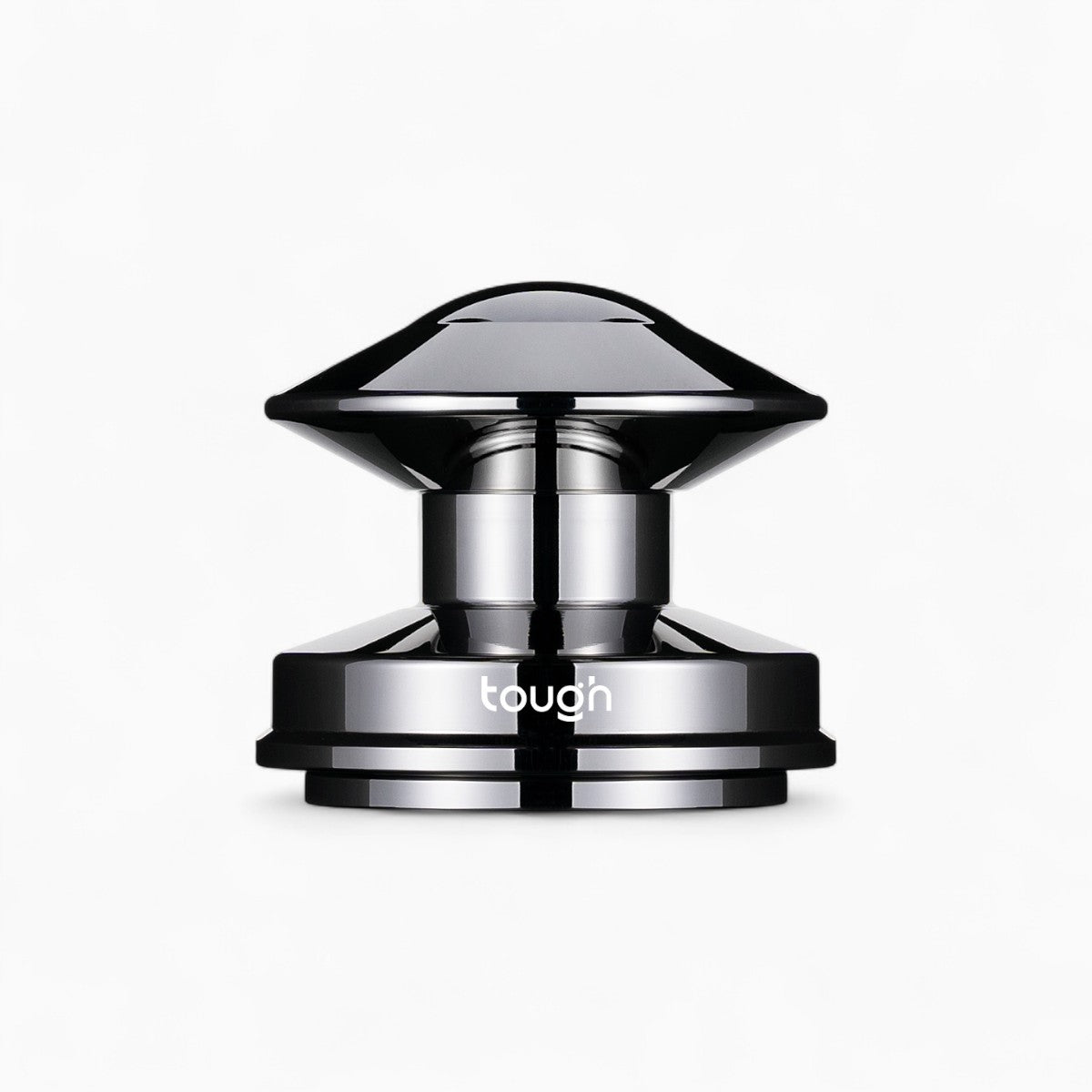
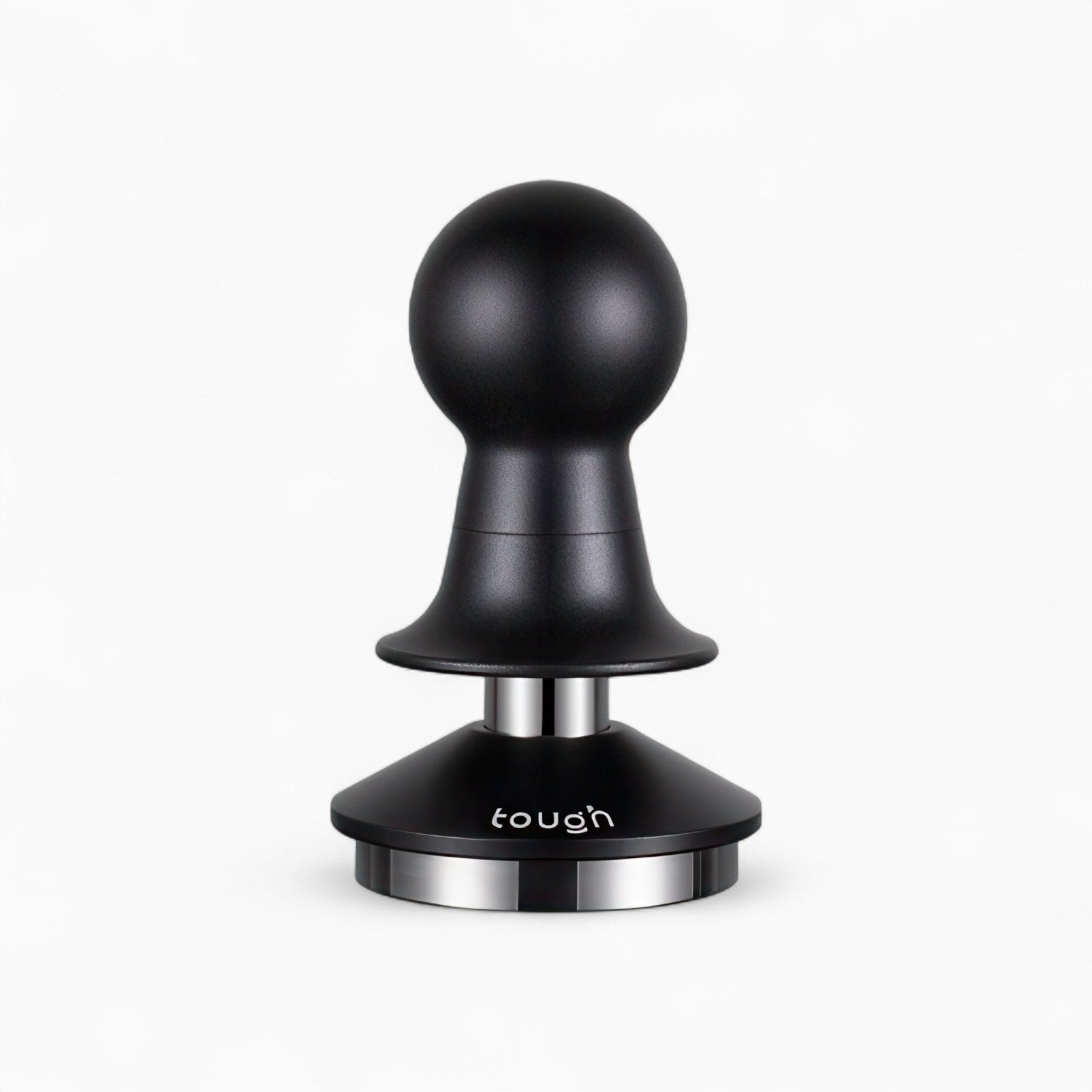
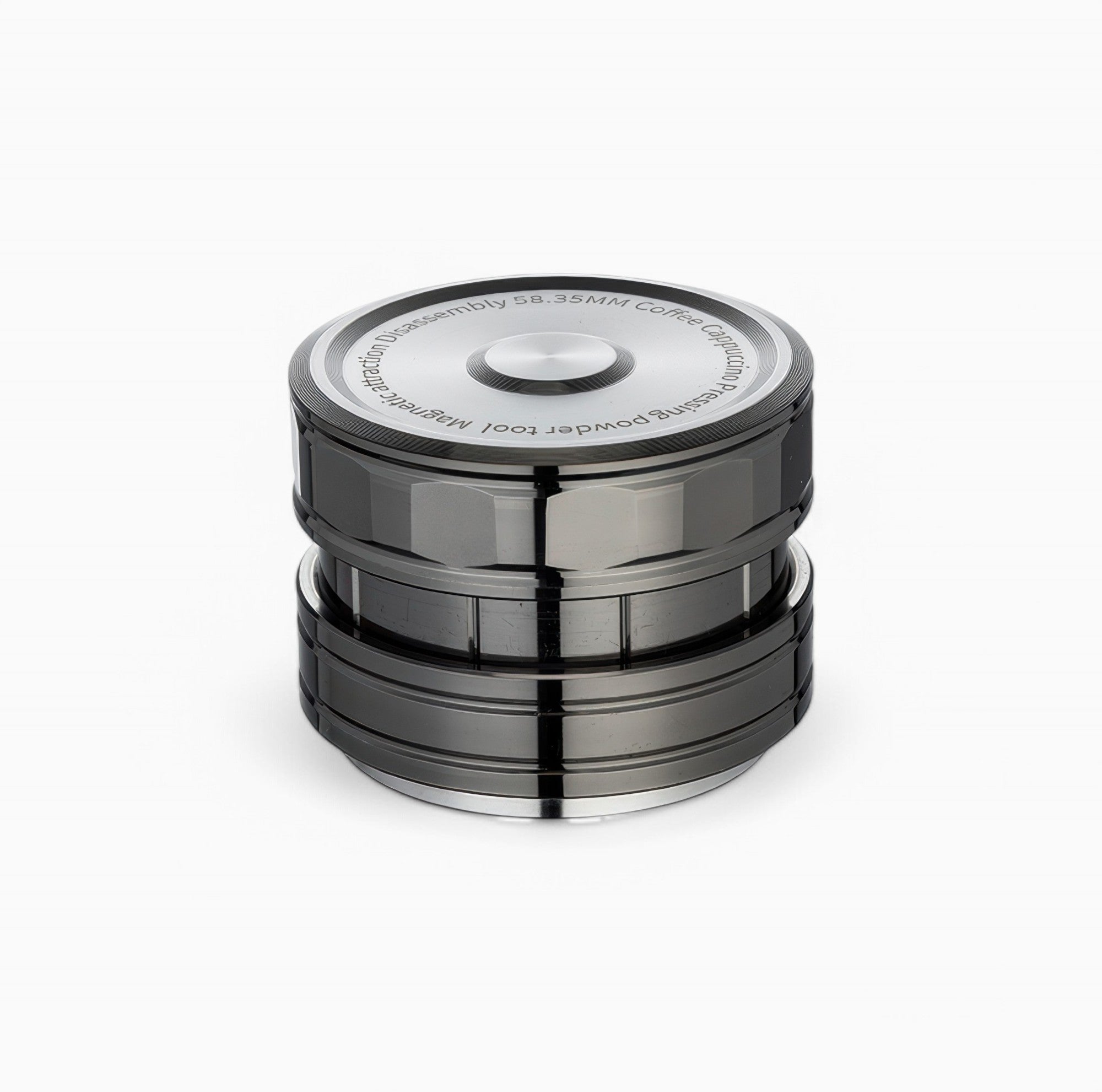
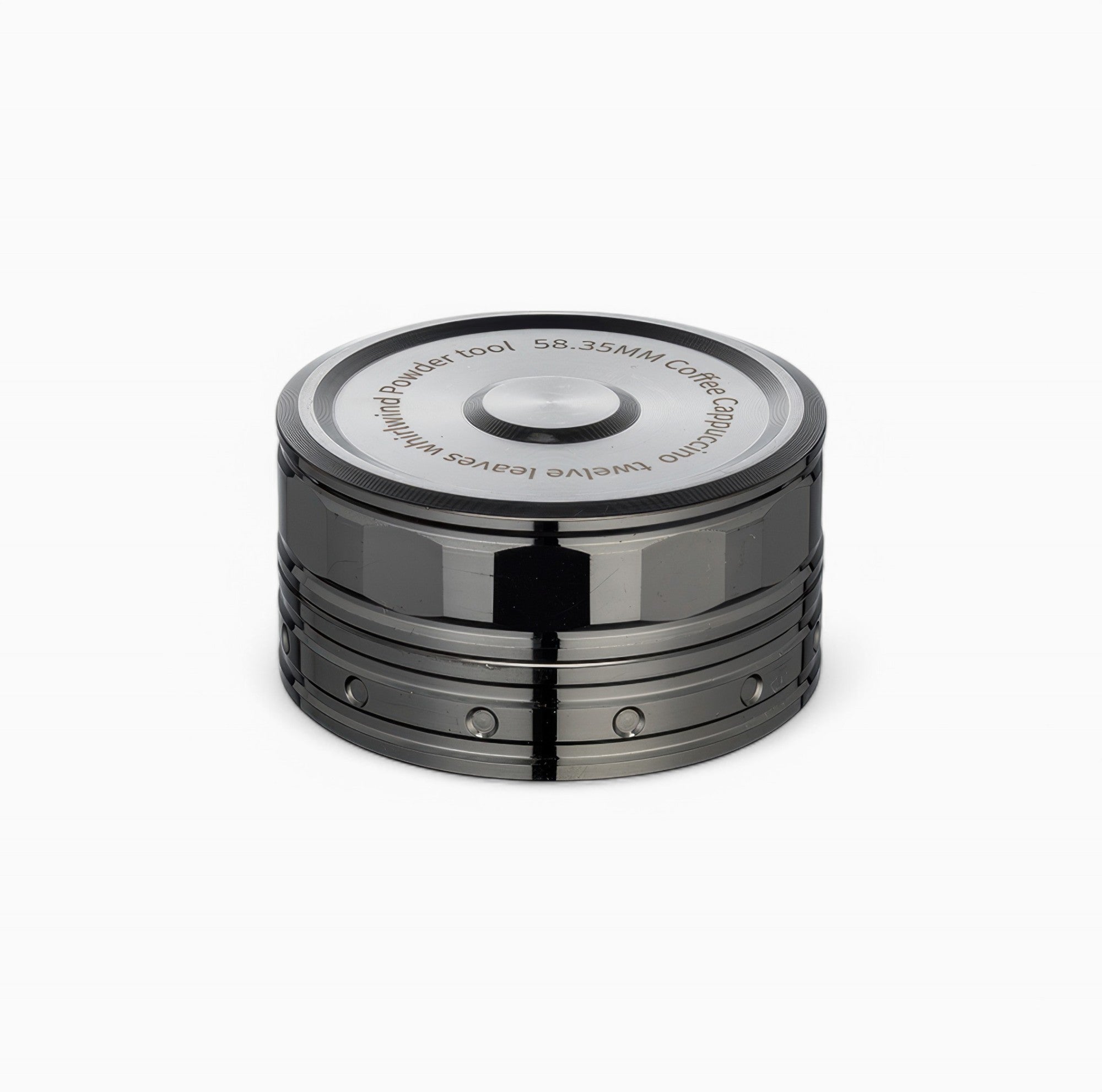
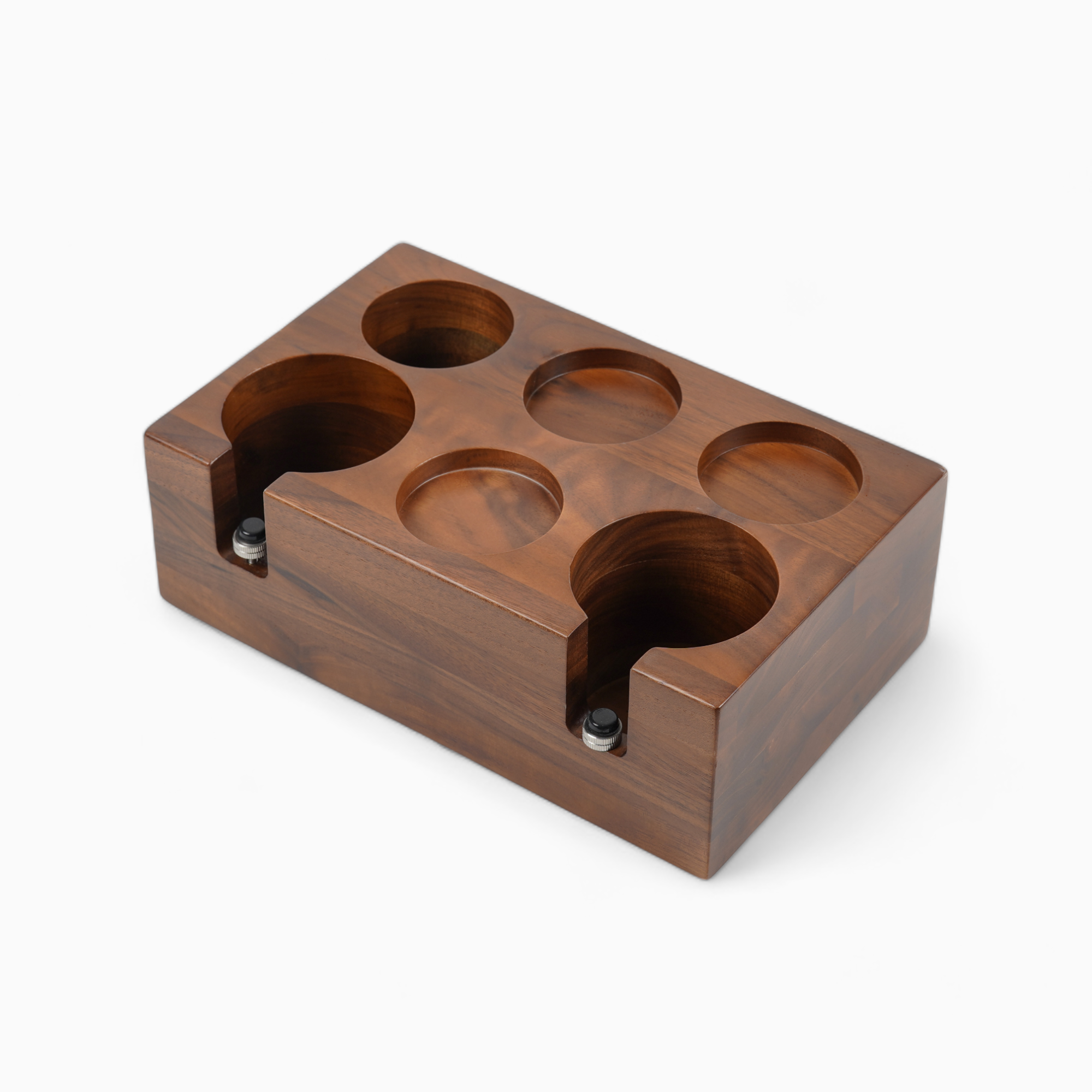
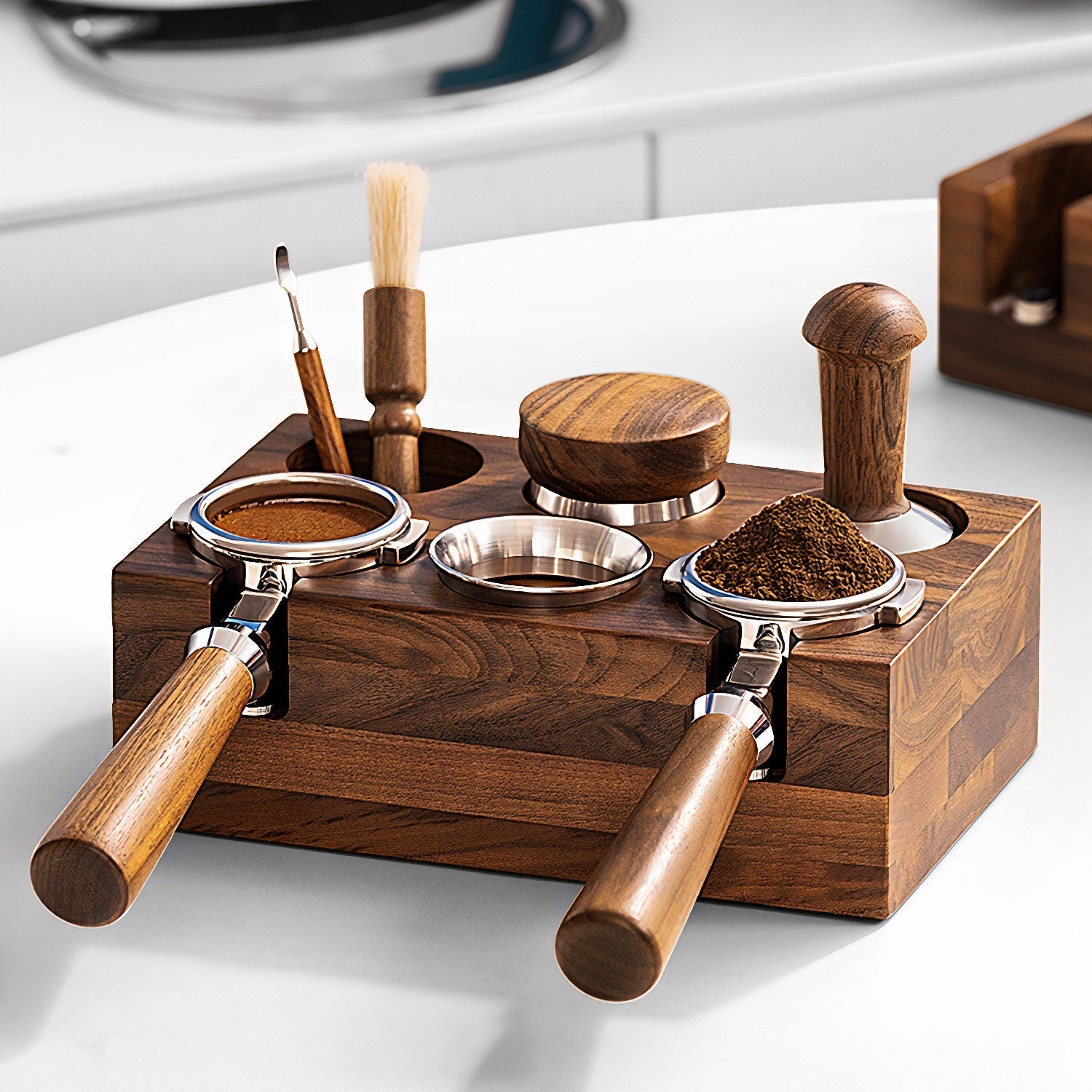
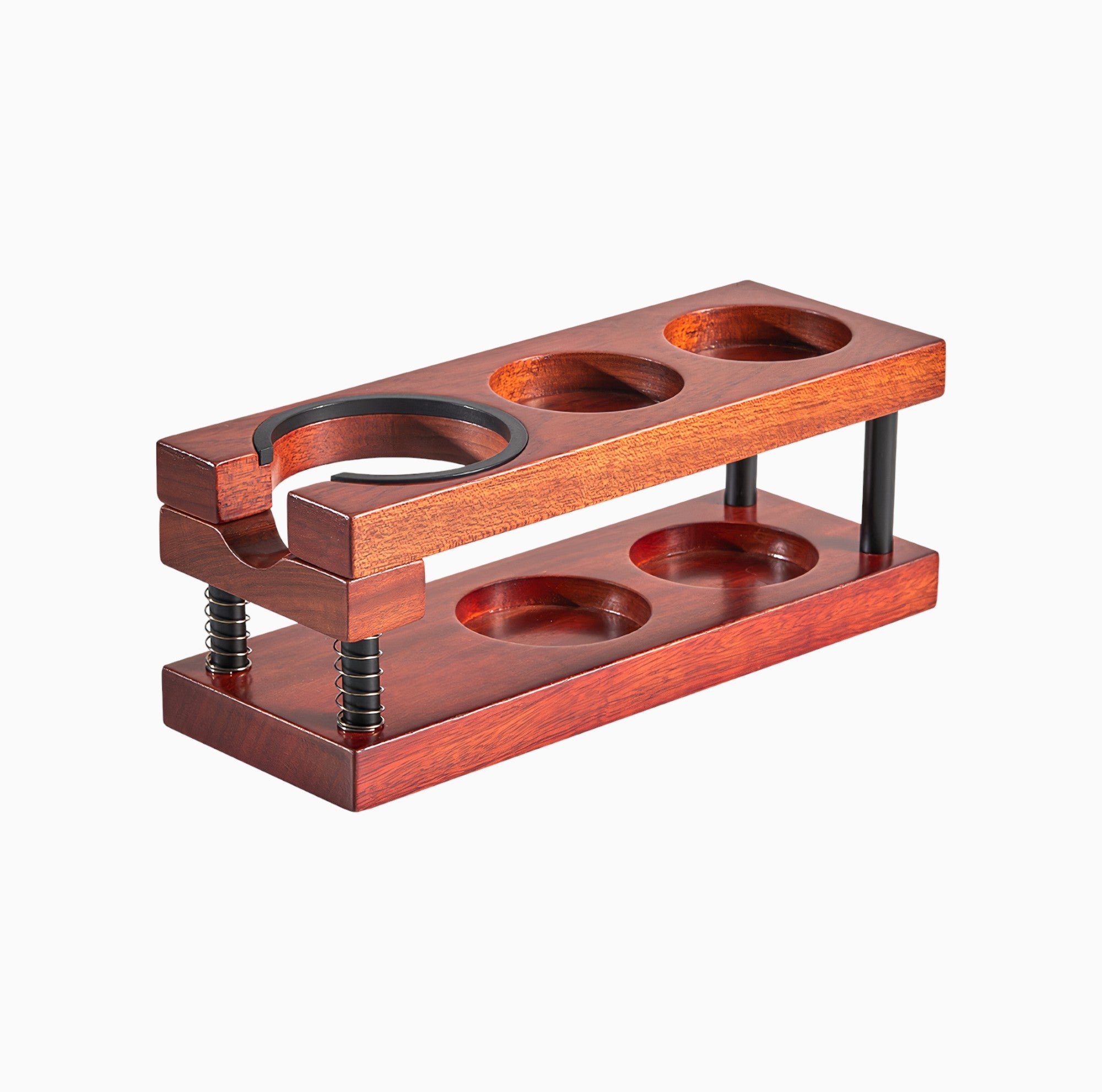
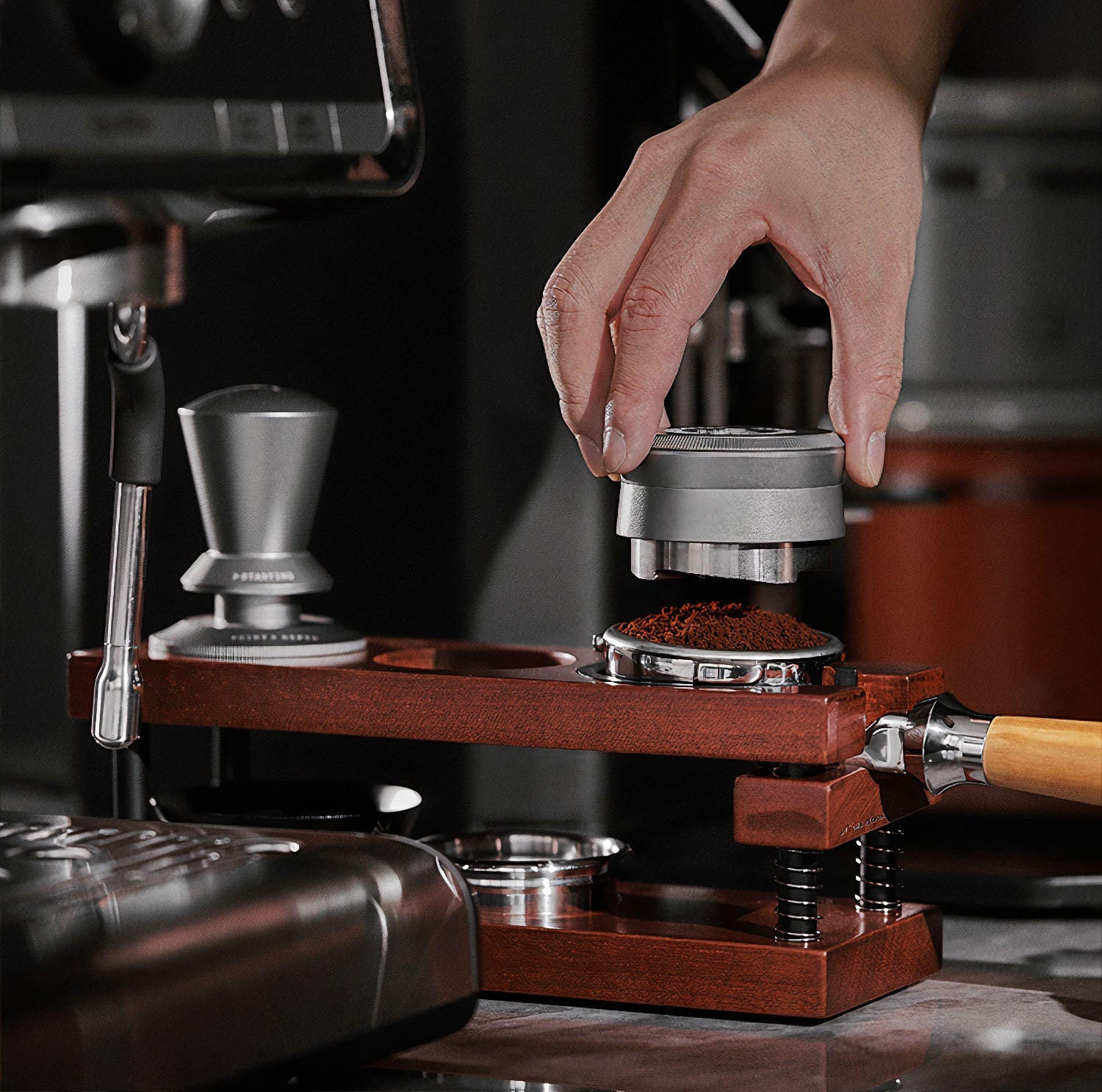
Every satisfying espresso shot starts well before hot water meets coffee. It starts with your hands, your prep, and the espresso tools you trust to make each step repeatable. At Rethink Cafe, we curate precision-built accessories that give you real control over puck prep — so channeling becomes the exception, not the rule.
Whether you're dialing in a new single origin or pulling the same house blend you've loved for years, the right tools transform guesswork into craft. This collection brings together everything you need to prepare, tamp, distribute, and maintain your espresso workflow with confidence.
Why Precision Espresso Tools Actually Matter
It's tempting to think that a quality grinder and a good machine handle most of the heavy lifting. They do — up to a point. But the gap between a decent shot and a truly exceptional one almost always comes down to puck preparation.
Uneven distribution creates channels: tiny paths of least resistance where water rushes through the coffee bed too quickly. The result is a shot that tastes simultaneously bitter and sour, because some grounds are over-extracted while others are barely touched.
Dedicated espresso puck prep tools exist to solve exactly this problem. A proper WDT tool breaks up clumps your grinder leaves behind. A calibrated tamper applies perfectly level, consistent pressure every single time. A distribution tool ensures grounds are spread evenly across the entire basket before tamping even begins.
None of these steps are complicated. But without the right equipment, they're nearly impossible to perform consistently — and consistency is what separates a barista's workflow from a morning gamble.
Essential Espresso Tools Kit for Every Home Barista
Building a complete espresso tools kit doesn't require buying everything at once. But understanding which accessories address which part of the workflow helps you prioritize upgrades that yield the biggest improvement in espresso shot consistency.
The WDT Tool for Espresso Puck Prep
The Weiss Distribution Technique — universally known as WDT — uses fine needles to stir and declump grounds inside your portafilter basket. It sounds almost too simple to matter. In practice, a quality wdt tool espresso setup is the single most impactful puck prep step you can add.
Clumps form naturally during grinding, especially with single-dose grinders and lighter roasts. Even premium flat burr grinders produce some degree of clumping. A distribution needle tool with properly thin needles (typically 0.3–0.4 mm acupuncture-grade) breaks these apart without compressing or displacing the bed.
The visual difference after WDT is subtle. The extraction difference is not. You'll see a more even, syrupy flow from the bottomless portafilter — and you'll taste it in a cleaner, sweeter cup.
Choosing the Right Coffee Tamper
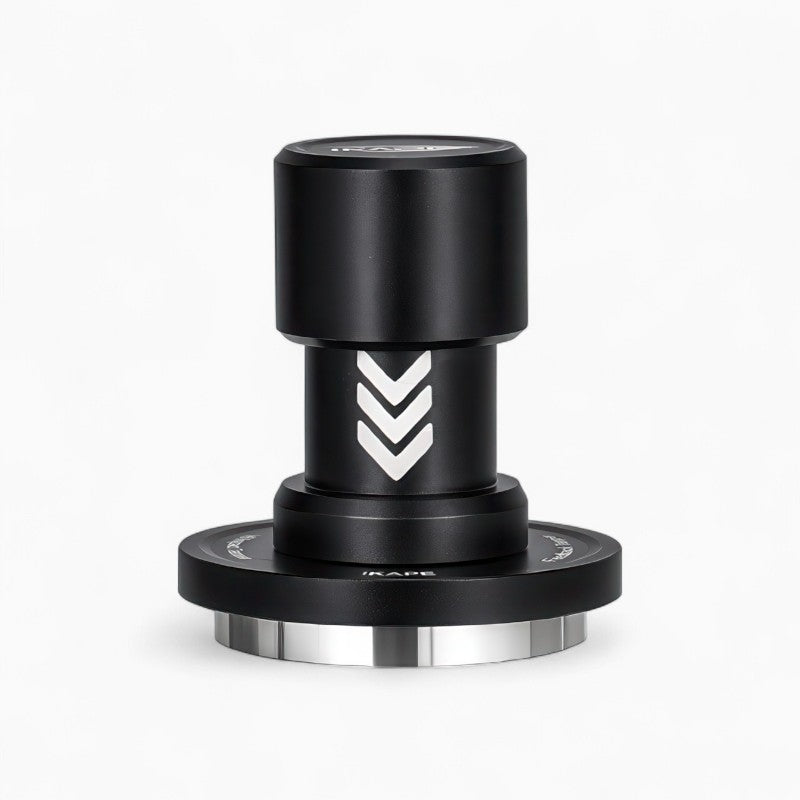
A coffee tamper does one job: compress the coffee bed into a flat, uniform puck so water passes through it evenly. The catch is that "flat and uniform" is harder to achieve by hand than most people realize.
Traditional tampers rely entirely on your wrist angle and applied pressure. Tamp slightly crooked, and one side of the puck is denser than the other — creating the exact channeling you're trying to avoid.
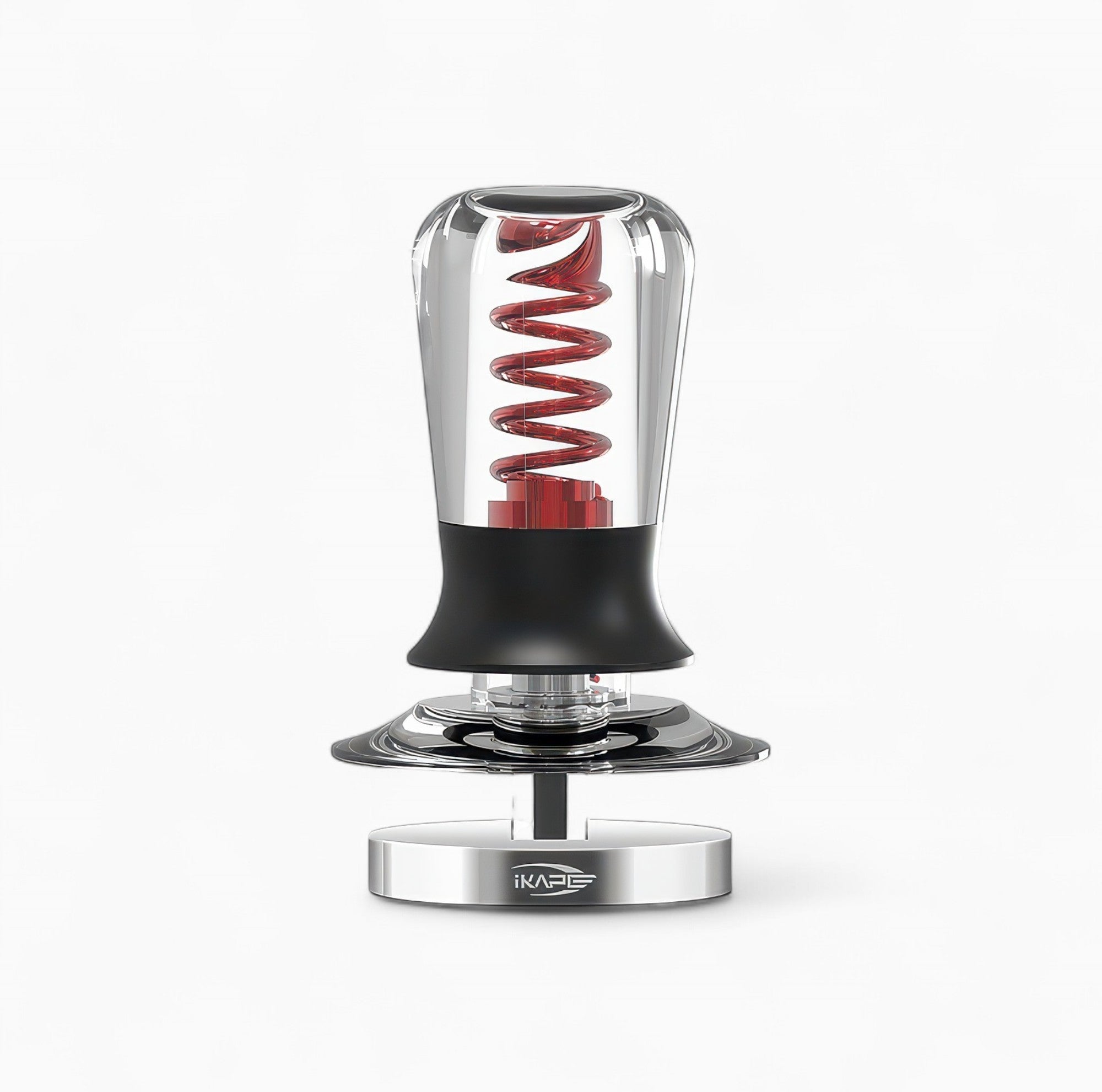
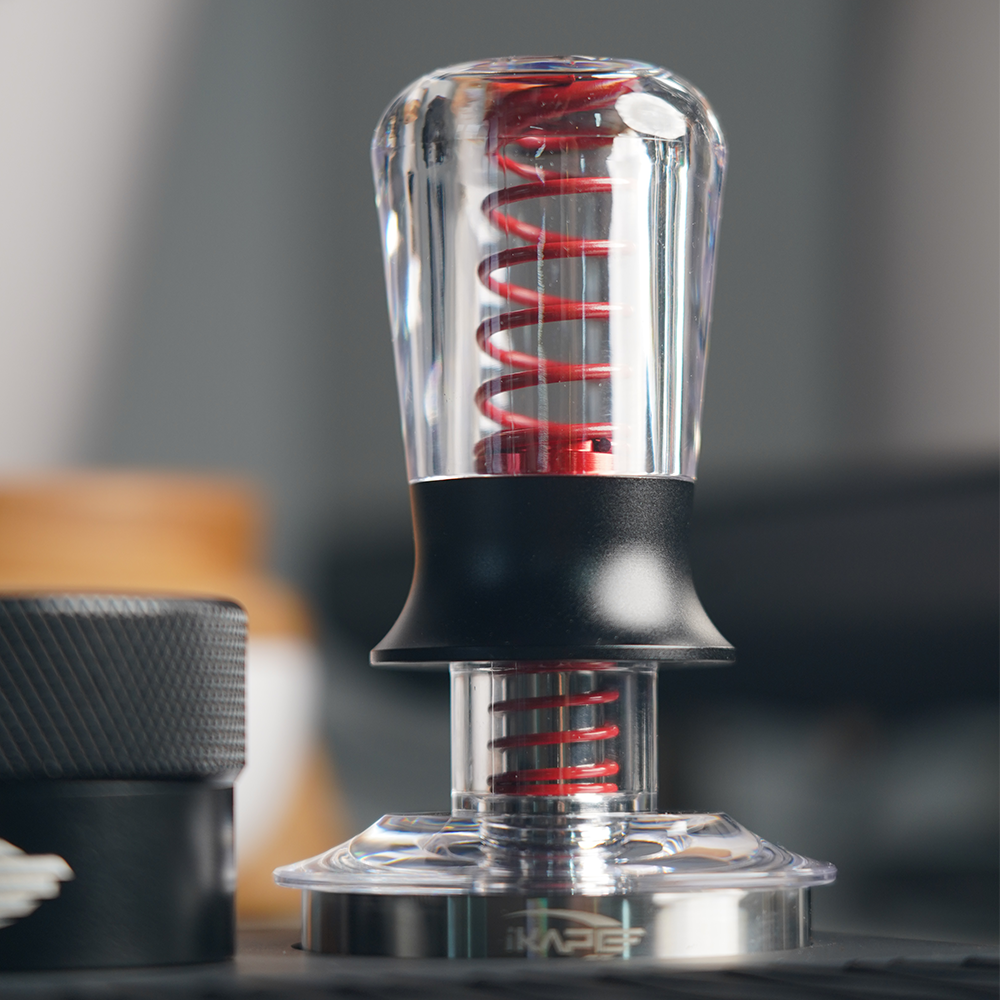
This is why self-leveling espresso tamper designs have become so popular. A calibrated tamper clicks or springs at a preset pressure (usually around 30 pounds), removing the guesswork. The flat base sits perfectly level regardless of your hand position, delivering a mechanically consistent result every time.
If you're still using the plastic tamper that shipped with your machine, upgrading to a properly sized, weighted tamper is one of the most cost-effective improvements you can make to your espresso routine.
The Espresso Distribution Tool
Often called a leveler or OCD tool, an espresso distribution tool sits on top of your portafilter and spins to redistribute grounds evenly before tamping. It bridges the gap between dosing and tamping — a step many home baristas skip without realizing what they're leaving on the table.
Distribution tools work best as a complement to WDT, not a replacement. WDT breaks clumps; distribution evens out the surface layer. Together, they create a puck with remarkably uniform density from edge to center and top to bottom.
Look for distribution tools with adjustable depth settings so you can fine-tune how deeply the fins reach into the basket. This matters because dose weight and basket size vary — a tool set too shallow barely touches the grounds, while one set too deep pre-compresses them unevenly.
Espresso Preparation Equipment Beyond the Basics
Once your core puck prep workflow is dialed — WDT, distribute, tamp — a handful of additional barista accessories can refine your process even further.
Portafilter Funnels and Dosing Rings
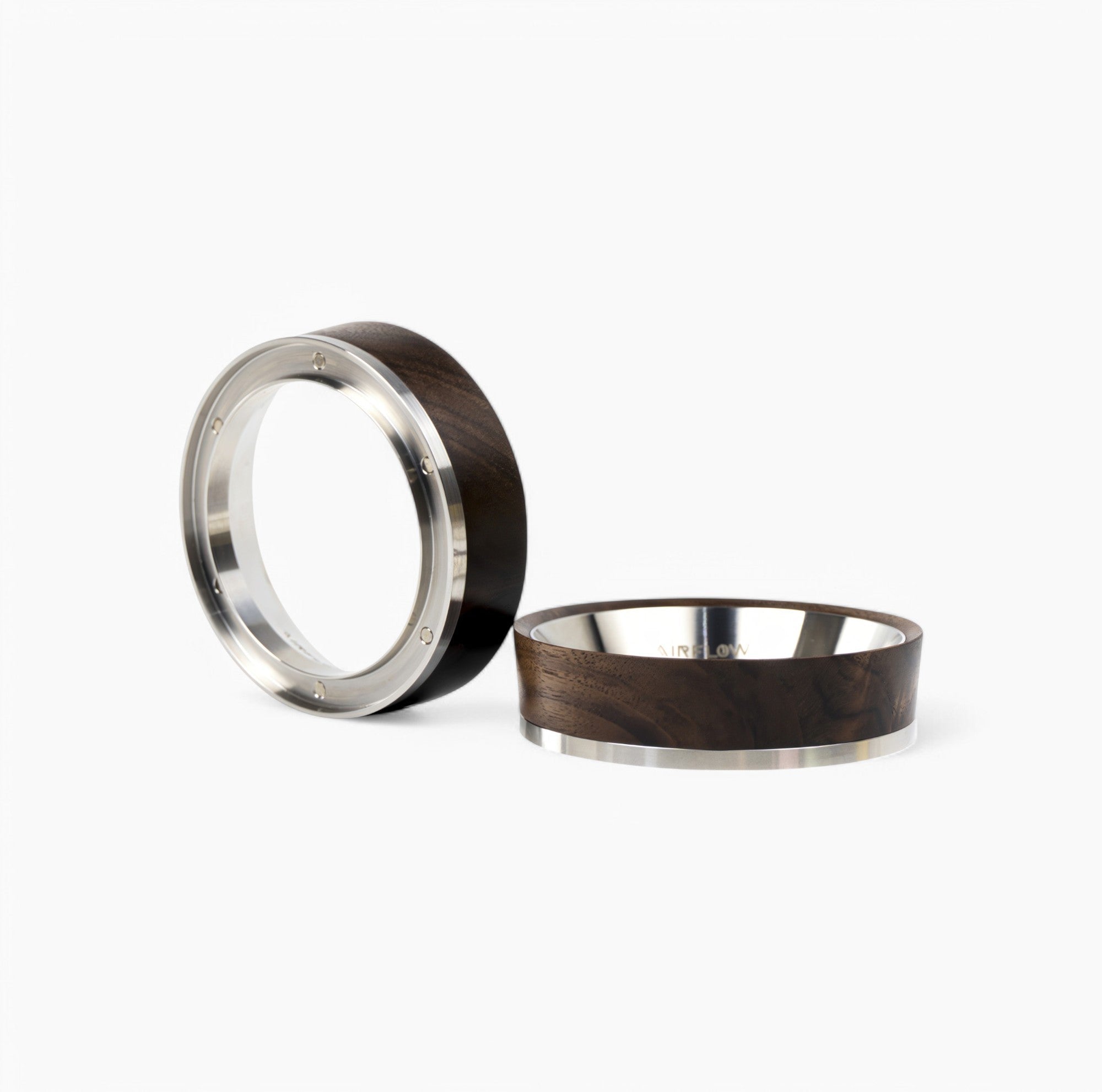
An espresso portafilter funnel sits on top of your basket during dosing, preventing grounds from spilling over the edges. This sounds like a convenience item, but it actually improves accuracy. Every gram that lands outside the basket is a gram missing from your target dose — and dose consistency directly affects extraction.
Funnels also make WDT easier by giving your stirring tool more vertical clearance. You can work more aggressively without flicking grounds onto the counter.
Coffee Scales for Espresso
Precision espresso preparation depends on knowing your numbers. A coffee scale for espresso that reads to 0.1g resolution and fits under your cup on the drip tray lets you measure both dose input and liquid output in real time.
Timing your shot alongside weight gives you a flow rate picture that reveals extraction problems before you even taste. A 36-gram output that arrives in 20 seconds tells a very different story than one that takes 35 seconds — even though the weight is identical.
Knock Boxes and Workflow Accessories
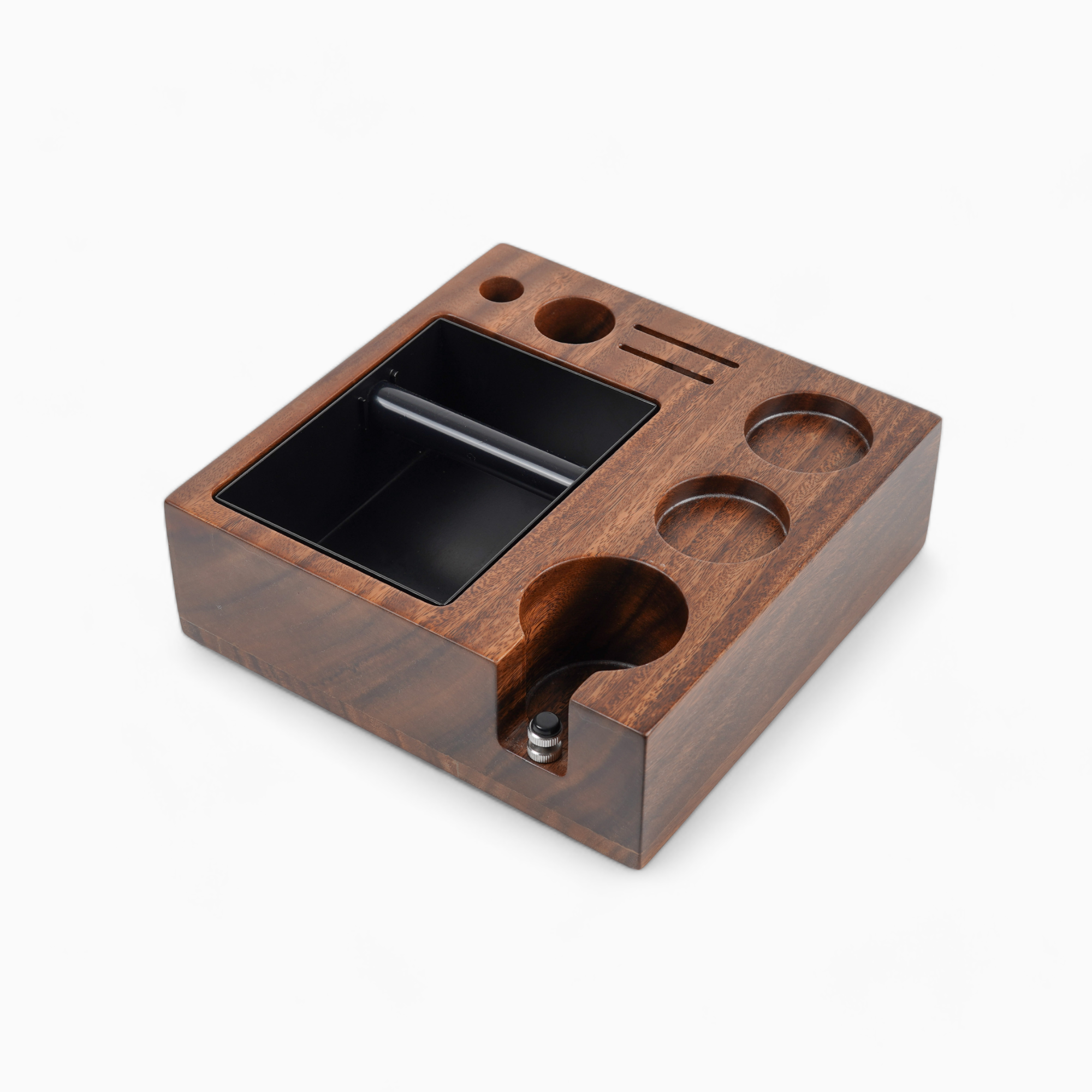
A sturdy knock box keeps your workspace clean and your rhythm unbroken. Tapping out a spent puck should take one swift motion, not a wrestling match over a trash can. It seems minor, but small friction points in your workflow add up — especially before your first cup.
Other espresso workflow items worth considering include blind shaker baskets for backflushing, group head cleaning brushes, and microfiber cloths for keeping your portafilter and shower screen free of residual oils.
Milk Frothing and Latte Art Essentials
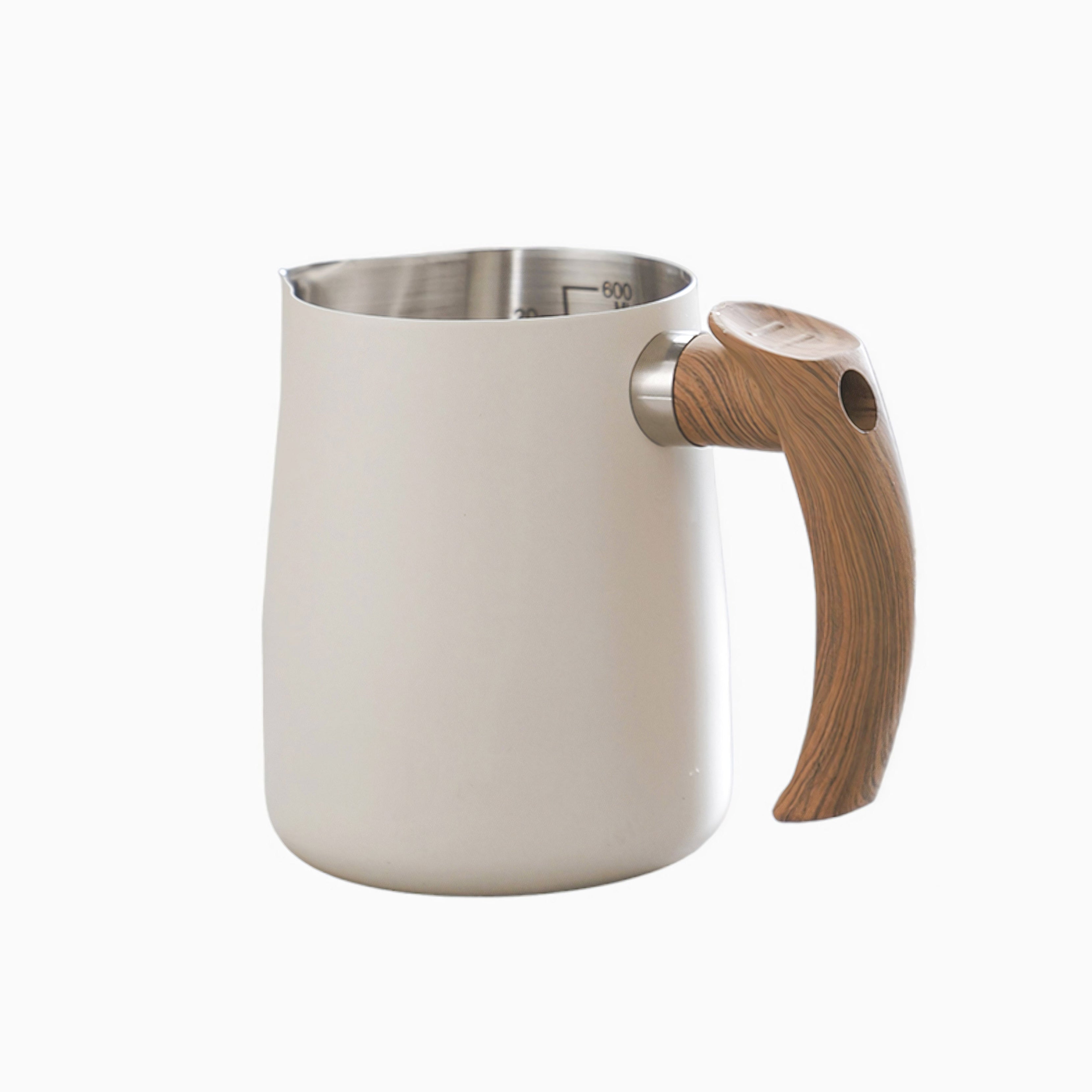
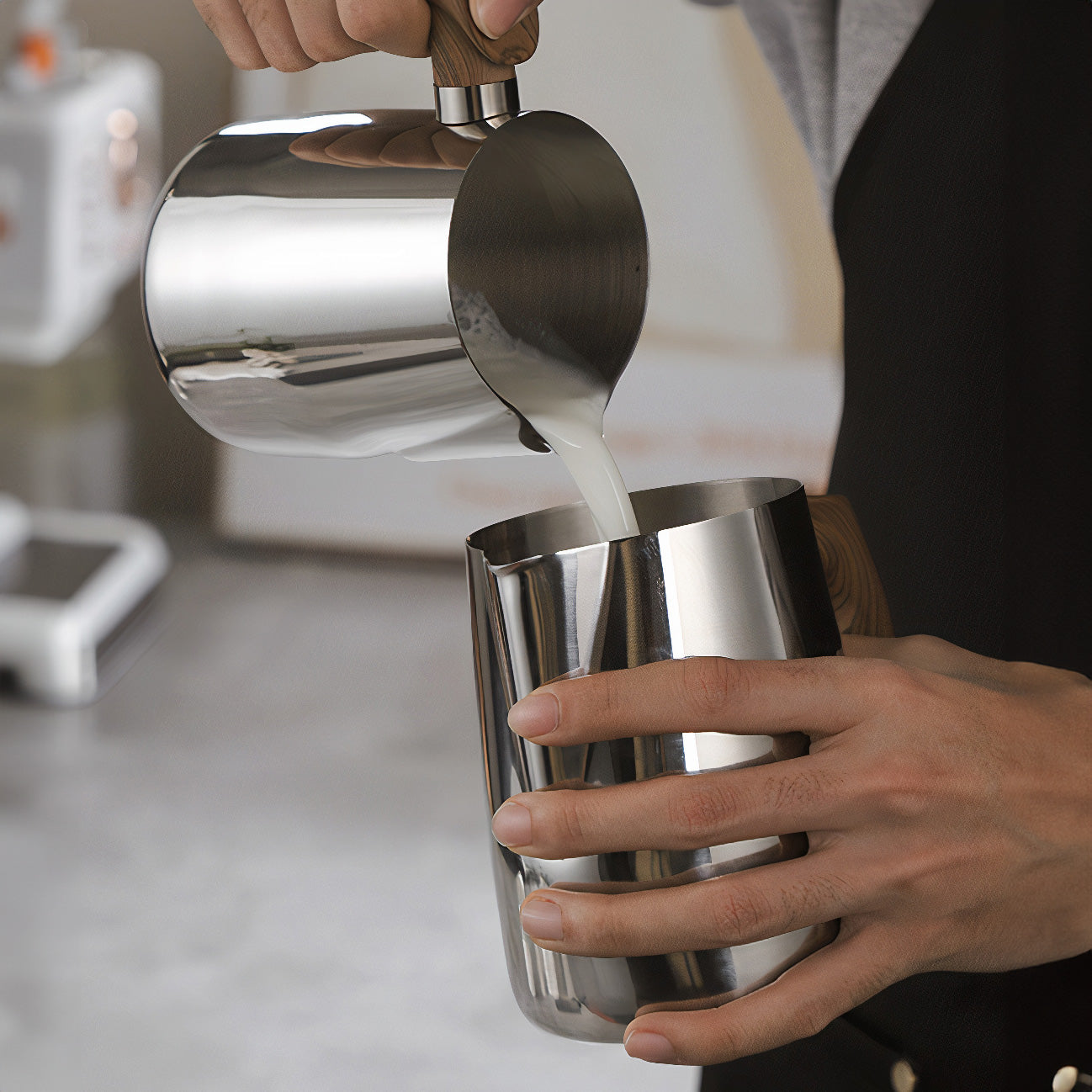
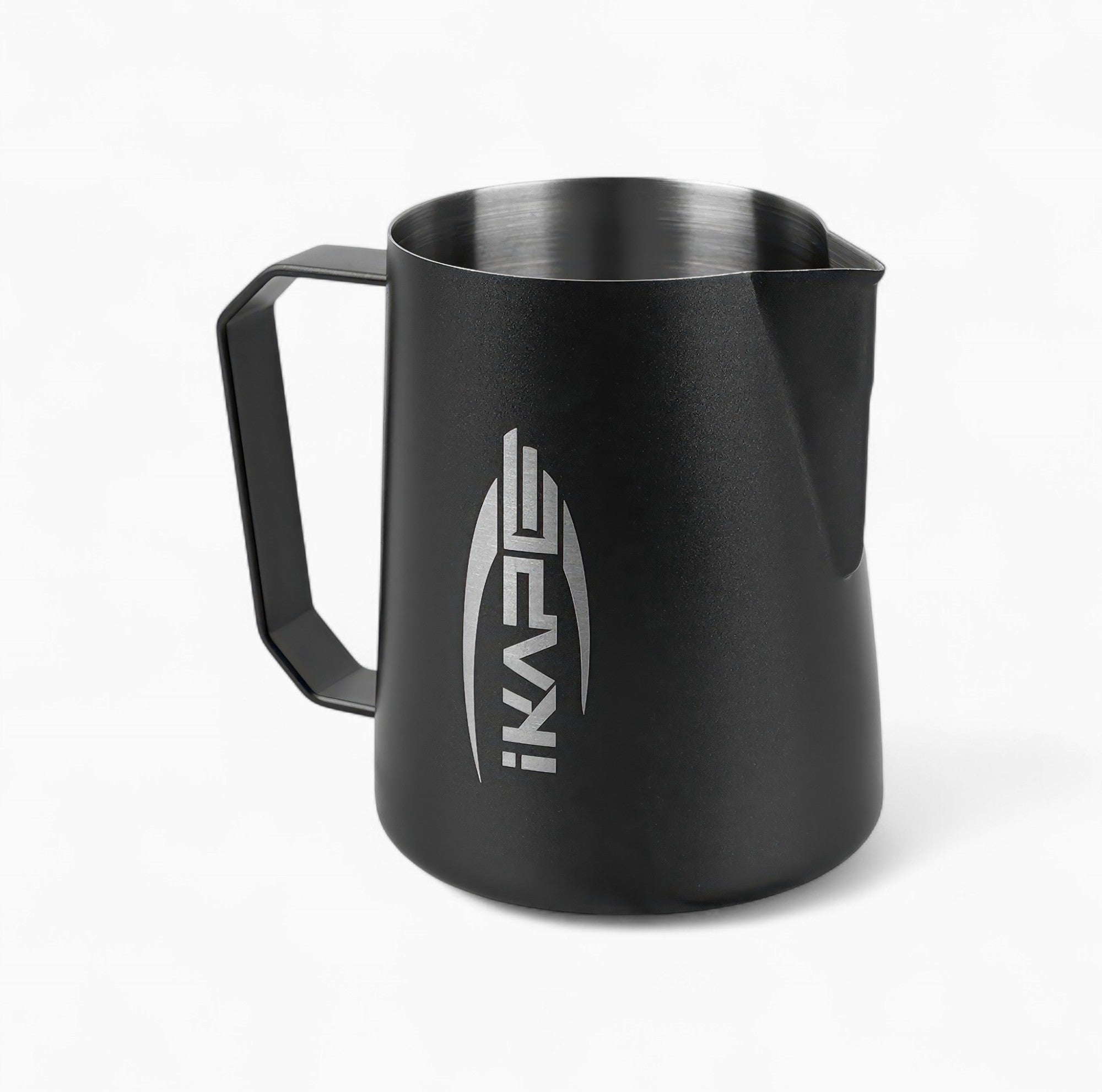
Great espresso is only half the equation for milk-based drinks. A properly shaped milk frothing pitcher gives you the control you need to texture microfoam and pour with intention.
Pitcher size matters more than most people think. A 12-ounce pitcher is ideal for single drinks; a 20-ounce pitcher works better for doubles or back-to-back lattes. Overfilling a small pitcher makes it impossible to create a proper vortex during steaming, while using an oversized pitcher for a small volume leaves you with dry, bubbly foam.
Look for pitchers with a sharp, defined spout for latte art and a comfortable handle that stays cool during steaming. These details separate a pitcher you tolerate from one that genuinely improves your technique.
Building Your Best Espresso Tools Collection
The temptation with espresso accessories is to buy everything at once. A more effective approach is to build sequentially, based on where your current workflow breaks down.
If your shots channel visibly from a bottomless portafilter, start with a WDT tool and a properly sized coffee tamper. These two upgrades alone address the most common causes of uneven extraction.
If your shots are already fairly even but you want more repeatability day-to-day, add a calibrated tamper and an espresso distribution tool. The consistency gains compound — your palate starts noticing flavor nuances instead of troubleshooting extraction defects.
If you're already pulling solid shots and want to optimize further, a precision coffee scale for espresso and a dosing funnel help you nail the numbers. At this stage, even half-gram differences in dose become audible in the cup.
The beauty of approaching your espresso tamper kit and toolset this way is that each addition delivers a tangible, noticeable improvement. Nothing feels redundant because every tool addresses a specific variable.
What Sets Rethink Cafe's Espresso Tools Apart
We don't carry accessories just to fill a catalog. Every tool in this collection is here because it solves a real problem in real espresso workflows — tested against the same standards working baristas apply behind the bar.
Our approach is rooted in a simple belief: precision coffee tools shouldn't require a barista certification to understand or use. We select products that deliver professional-level results with intuitive, approachable designs. No gatekeeping. No unnecessary complexity.
We also prioritize durability. Espresso tools take daily abuse — heat, moisture, impact, and coffee oils. The accessories we stock are built from materials like food-grade stainless steel, anodized aluminum, and heat-resistant composites that hold up to years of daily use without degrading in performance or appearance.
When you shop with us, you're not just picking up gear. You're investing in a workflow that removes variables, eliminates frustration, and lets you focus on the part that actually matters — enjoying exceptional espresso.
Maintaining Your Espresso Accessories for Long-Term Performance
Even the best espresso tools degrade without basic maintenance. Coffee oils are surprisingly corrosive over time. Residue buildup on your tamper face changes its effective flatness. Clogged WDT needles lose their declumping efficiency. A dirty distribution tool drags grounds rather than leveling them.
The good news is that maintenance is simple. Most stainless steel espresso tools need only a quick rinse with warm water and a wipe-down after each session. For deeper cleaning, a mild dish soap and a soft brush remove oil buildup without damaging finishes.
Tamper bases benefit from an occasional check with a straightedge to ensure the surface remains perfectly flat. WDT needles should be inspected for bending — a bent needle pushes grounds rather than separating them, defeating the purpose.
Build these small habits into your routine and your espresso preparation equipment will perform consistently for years. Neglect them, and you'll gradually lose the precision advantage you invested in.
Explore the full collection below and find the tools that match where you are in your espresso journey. Every piece is selected to help you eliminate channeling, achieve consistent extraction, and genuinely elevate your morning ritual — one precise, repeatable shot at a time.
Frequently Asked Questions About Espresso Tools
The three most impactful espresso accessories are a WDT tool, a properly sized tamper, and a precision scale. These address the three biggest variables in puck prep: clump distribution, compression consistency, and dose accuracy.
Beyond those, a dosing funnel and a distribution tool round out a complete puck prep kit. A knock box and cleaning supplies keep your workflow efficient and your equipment performing at its best over time.
Professional baristas typically use a calibrated tamper, a WDT needle tool, a distribution leveler, a precision gram scale with timer, and a milk frothing pitcher. Many also rely on dosing funnels, knock boxes, group head brushes, and blind filter baskets for backflushing.
The specific tools vary by café workflow, but the goal is always the same: remove human inconsistency from the preparation process so every shot extracts evenly.
Common espresso tools include tampers (for compressing grounds), WDT tools (Weiss Distribution Technique needles for declumping), distribution tools or levelers (for evening out the coffee bed), dosing funnels (to prevent spills), and knock boxes (for disposing of spent pucks).
Other frequently referenced tools include portafilter baskets, bottomless portafilters, milk pitchers, espresso scales, and group head cleaning brushes.
A WDT tool is a handle fitted with ultra-fine needles (typically 0.3–0.4 mm) used to stir ground coffee inside the portafilter basket before tamping. WDT stands for Weiss Distribution Technique, named after the home barista who popularized the method.
Its purpose is to break apart clumps left by the grinder and create a uniformly distributed bed of coffee. This prevents channeling during extraction, resulting in a more balanced, sweeter, and more consistent espresso shot.
After dosing your ground coffee into the portafilter basket, insert the WDT needles to the bottom of the basket and gently stir in small circular or side-to-side motions. Work outward from the center toward the edges, making sure the needles reach all areas of the bed.
The goal is to break up any visible clumps without compressing the grounds. Once the bed looks uniformly fluffy and free of clumps, gently tap the portafilter on the counter to collapse any air pockets, then proceed with distribution and tamping.
Measure the inner diameter of your portafilter basket — this is the only measurement that matters. Most standard commercial and prosumer machines use a 58mm basket, but sizes like 51mm, 53mm, 54mm, and 58.5mm are also common depending on the brand.
Your tamper should fit as closely to the basket diameter as possible with no more than 0.5mm of clearance on each side. Too much gap leaves an untamped ring around the edge, which creates a channel for water to bypass the puck. When in doubt, check your machine manufacturer's specifications or measure the basket directly with calipers.
The 2:1 rule is a widely used starting ratio in espresso brewing. It means your liquid output should weigh approximately twice your dry coffee dose. For example, if you dose 18 grams of ground coffee, you aim for roughly 36 grams of espresso in the cup.
This ratio produces what's generally considered a "normale" or standard espresso with balanced sweetness, acidity, and body. It's a starting point — from there, you can adjust the ratio higher (longer, more dilute) or lower (shorter, more concentrated) to suit your taste and the specific coffee you're using.
Rinse stainless steel tools like tampers, WDT tools, and distribution tools with warm water after each use and wipe them dry. A weekly wash with mild dish soap and a soft brush removes accumulated coffee oil before it becomes rancid or sticky.
Inspect WDT needles regularly for bending and replace them if they no longer enter the coffee bed straight. Check your tamper base periodically for flatness. For knock boxes and funnels, empty and wash them daily to prevent mold growth from trapped moisture and spent grounds.