
Dosing Tools
4 products
Showing 1 - 4 of 4 products


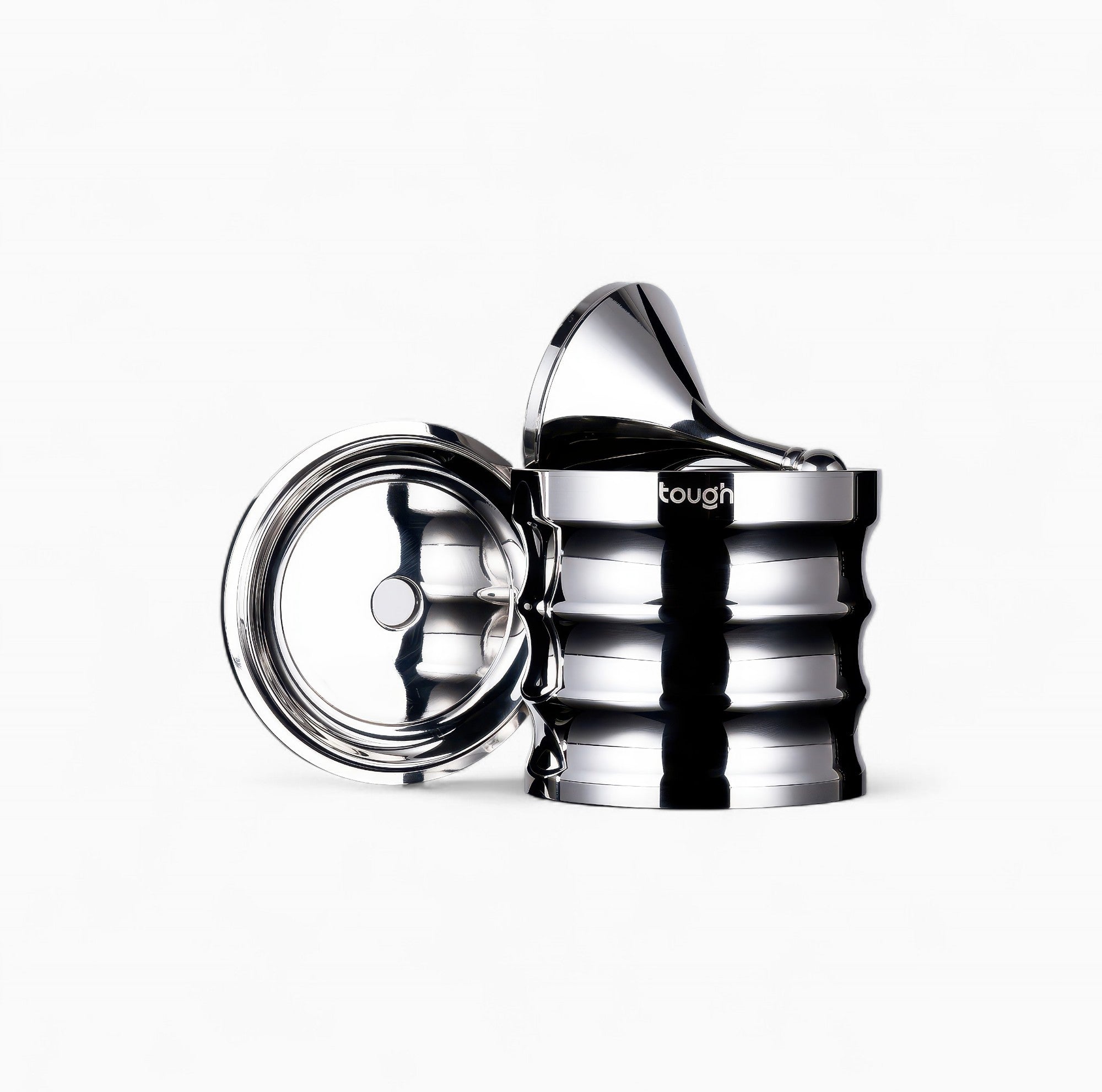

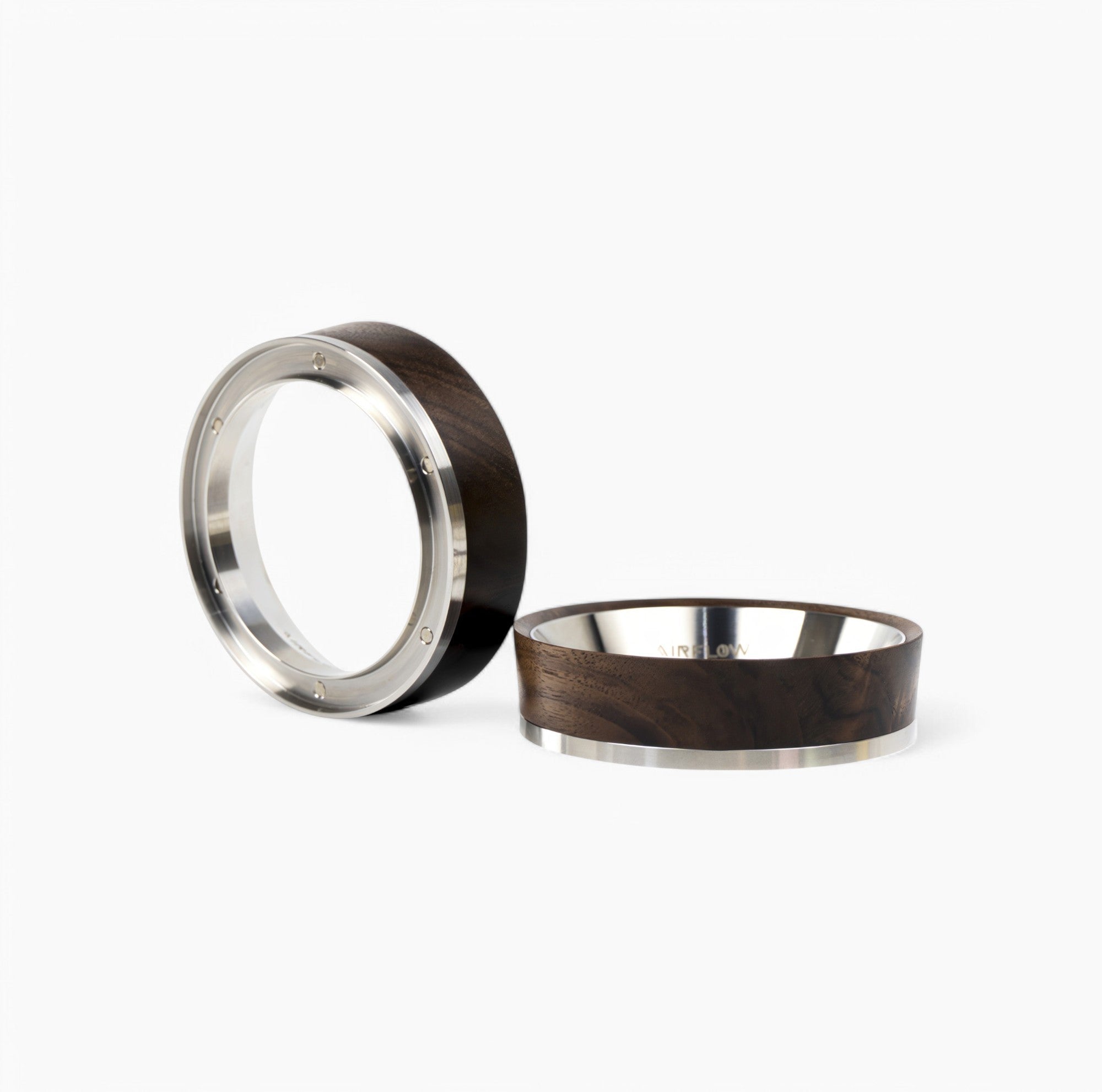

Precision starts before the tamp. If you've ever swept stray grounds off your counter or wondered why your shots taste different every time, the answer often lives in the dosing stage. Our coffee dosing tools collection brings together every accessory you need to transfer, contain, and distribute coffee grounds with zero waste and repeatable accuracy—so every pull delivers the flavor your beans deserve.
Whether you're dialing in a light roast single origin or pulling back-to-back milk drinks on a busy morning, the right dosing setup eliminates guesswork. From espresso dosing funnels that keep your workspace clean to dosing cups engineered for static-free transfers, each tool here exists to solve a real problem in your puck prep workflow.
Why Coffee Dosing Tools Matter for Extraction Consistency
Espresso is an unforgiving brew method. A gram too much, a slight mound off-center, or grounds clinging to the walls of your basket can introduce channeling—where water finds the path of least resistance and under-extracts part of the puck while over-extracting another. The result? A sour-bitter tug-of-war in the cup that no amount of milk can mask.
Dosing tools interrupt that chain of errors at the earliest possible point. By controlling how grounds enter and settle in the portafilter, you give yourself a level playing field before distribution and tamping even begin. Think of it as the foundation of a house: if the footprint is uneven, nothing you build on top will sit right.
Consistency in espresso extraction doesn't require a commercial setup or a decade of barista experience. It requires intention at every step—and dosing is the step most home baristas overlook. A reliable espresso dosing tool turns a messy, variable transfer into a clean, repeatable one, and that single upgrade often makes a bigger difference than spending hundreds on a new grinder burr set.
Espresso Dosing Funnels and How They Eliminate Mess
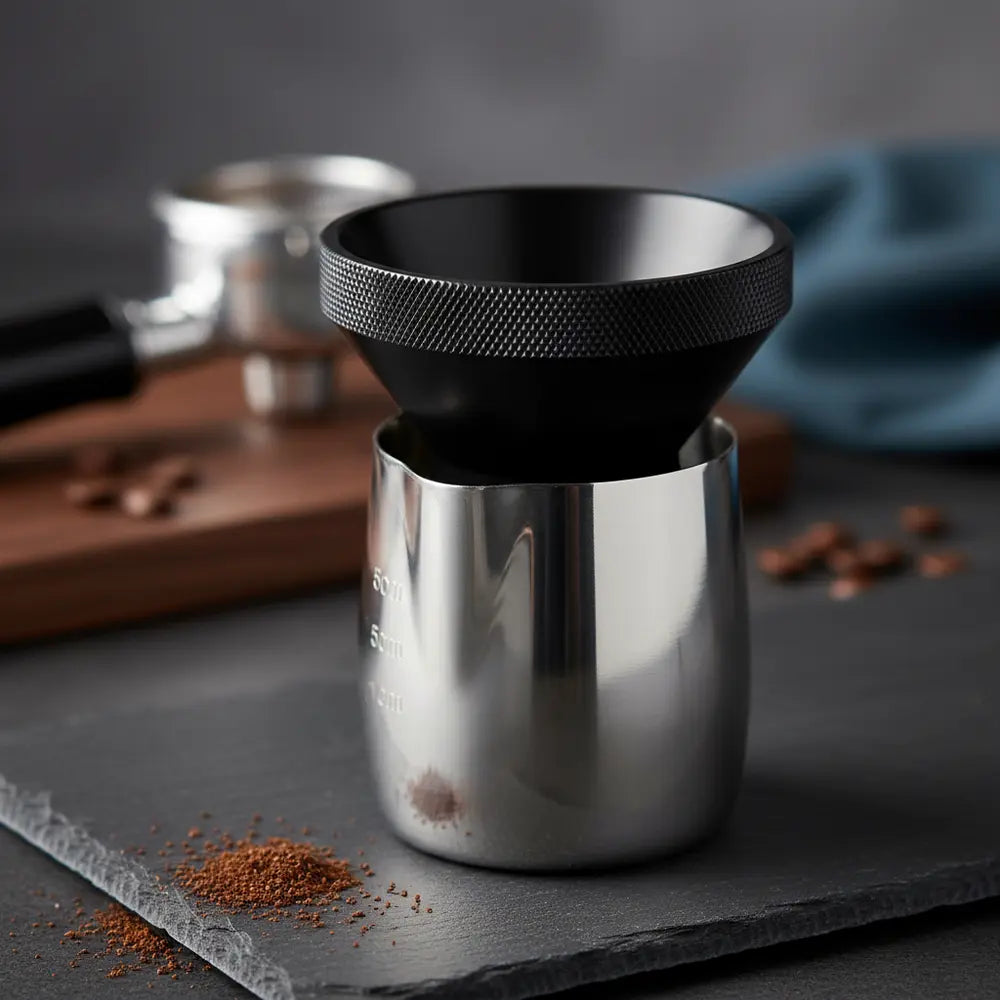
An espresso dosing funnel is deceptively simple: a ring that sits atop your portafilter basket, creating a wider opening and a raised wall that catches every stray ground. Simple, yes—but its impact on workflow is immediate.
Without a funnel, grinding directly into a portafilter means grounds bounce off the narrow rim, scatter across your drip tray, and land on the counter. You lose dose accuracy, you create cleanup, and you start each shot slightly annoyed. A well-fitted portafilter funnel eliminates all three problems in one piece of machined metal or food-grade silicone.
Choosing the Right Espresso Dosing Funnel for Your Setup
Not all funnels fit all portafilters. The most common basket diameters are 51 mm, 53 mm, 54 mm, and 58 mm, but even within those nominal sizes there can be slight variation between brands. A funnel that's a hair too large will wobble and defeat its purpose; one that's too snug may scratch your basket's rim over time.
Look for funnels with a magnetic alignment feature or a machined lip designed to nest inside the basket edge rather than sit loosely on top. This prevents lateral movement during grinding and makes one-handed operation possible—handy when your other hand is holding a dosing cup or adjusting your grinder.
Height matters too. A taller funnel wall accommodates fluffy, lighter-roasted grounds that tend to pile high before settling. If you primarily brew medium to dark roasts that grind denser, a shorter-profile funnel keeps your setup compact and easy to store.
Coffee Dosing Cups for Precision Single Dose Workflows
A coffee dosing cup serves as the intermediary vessel between your grinder and your portafilter. You weigh your dose into the cup, then transfer it cleanly into the basket—often by inverting the cup directly over the portafilter with a dosing funnel in place.
This two-step approach might seem like extra work, but it solves multiple problems simultaneously. First, it lets you weigh your dose on a separate scale without balancing a portafilter on a tiny platform. Second, it allows you to inspect the grind visually before committing it to the basket. Third, it breaks up clumps during the transfer, promoting a more even bed of grounds before you reach for a distribution tool or WDT needle.
Anti-Static Dosing Cups and Why They Exist
Static electricity is the invisible enemy of precise dosing. Freshly ground coffee, especially in dry climates or with certain burr types, can cling to cup walls, clump into stubborn aggregates, and resist a clean pour. You tap, you shake, you lose patience—and a half-gram of grounds stays stuck to the side.
Anti-static dosing cups address this through material choice and surface treatment. Some use coated aluminum with a micro-textured interior that disrupts static bonds. Others rely on specific food-safe polymers that don't generate charge through friction. The practical benefit is straightforward: grounds slide out freely, your dose stays accurate, and your workflow speeds up.
If you're running a single dose espresso setup—grinding only what you need per shot—this matters even more. When your total dose is 18 grams and 0.5 grams clings to the cup, that's nearly a 3% variance before you've even touched the portafilter. Over time, that inconsistency adds up to wildly different cups.
Coffee Distribution Tools and Their Role in Puck Prep
Once grounds are in the basket, even distribution is the next critical step. A coffee distribution tool—sometimes called a leveler or OCD tool—spins across the surface of the coffee bed, pushing grounds from high spots to low spots and creating a flat, uniform layer.
Distribution tools pair naturally with dosing funnels and cups. The funnel keeps grounds contained during the leveling pass, and the cup ensures you started with the right amount. Together, these three barista dosing tools form a puck prep sequence that dramatically reduces channeling and tightens your shot-to-shot consistency.
Distribution Tools Versus WDT Needles
You'll sometimes hear debate about whether a distribution tool replaces a WDT tool or vice versa. The honest answer: they do different things. A WDT tool (Weiss Distribution Technique) uses fine needles to break up clumps deep within the coffee bed. A distribution tool smooths and levels the surface.
For the best espresso puck prep, many experienced baristas use both in sequence—WDT first to declump, then a distribution tool to level, then a tamp to compress. If you're choosing just one to start with, a WDT tool addresses the more destructive problem (clumps cause channeling), while a distribution tool addresses the more visible one (an uneven surface). Our collection includes options for both approaches.
Material Quality in Espresso Prep Tools
The material your dosing accessories are made from affects durability, taste neutrality, static behavior, and cleaning ease. Here's what to consider for each tool type.
Stainless Steel Dosing Accessories
Stainless steel is the benchmark for portafilter accessories and dosing tools alike. It's taste-neutral, corrosion-resistant, and easy to wipe clean. Medical-grade 304 or 316 stainless is preferred because it won't leach metallic flavors even after years of contact with acidic coffee oils. For dosing funnels and distribution tools, stainless offers rigidity and a satisfying heft that keeps the tool stable during use.
Aluminum and Coated Alloys
Anodized aluminum is lighter than steel and often more affordable. It's a popular choice for dosing cups and dosing rings where weight matters—especially if you're using a small coffee scale with dosing cup and need to stay within the scale's capacity. High-quality anodized coatings also help with anti-static performance and are simple to rinse clean.
Food-Grade Silicone and Polymer Options
Silicone gaskets and polymer funnels offer flexibility and gentle contact with your portafilter's finish. They're less likely to scratch chrome or brass-plated baskets and can absorb minor fit discrepancies between brands. The trade-off is that they may retain coffee oils over time and need more thorough periodic cleaning to avoid rancid buildup.
Building an Efficient Barista Workflow with Dosing Accessories
Individual tools are useful; a coordinated system is transformative. Here's how coffee dosing accessories fit into a streamlined barista workflow, whether you're pulling one shot before work or fifty during a weekend brunch service.
The Single Dose Espresso Sequence
Weigh beans into your dosing cup. Grind directly into the cup (or into the portafilter with a funnel in place). If using a cup, invert it over the funneled portafilter and tap gently. Use a WDT tool to break clumps. Level with a distribution tool. Tamp. Lock in and pull.
This entire sequence takes under thirty seconds once you've practiced it a few times. Each tool has a single, clear purpose, and they hand off to one another without redundancy. The result is a channeling prevention routine that becomes second nature.
Organizing Your Coffee Tamping Station
A dedicated tamping station keeps your dosing tools, tamper, WDT tool, and portafilter organized and within arm's reach. Many stations include a portafilter holder, a knock box, and compartments for accessories. If your counter space is limited, even a small silicone mat with a portafilter cradle can serve as a functional station that protects surfaces and keeps your tools from rolling.
The point is reducing friction—not just in the puck, but in the process. When every tool has a place and every step flows into the next, you spend less time fumbling and more time tasting.
Dosing Tools for Different Portafilter Sizes
Portafilter compatibility is the single most common concern when shopping for espresso dosing tools, and for good reason. A mismatched funnel or cup defeats the entire purpose of clean, precise dosing.
The 58 mm portafilter is the most common size across prosumer and commercial machines from brands like La Marzocco, Rocket, ECM, and Profitec. Many Breville/Sage machines use 54 mm baskets, while older or entry-level machines sometimes use 51 mm. A few newer machines use 53 mm.
Always measure the inner diameter of your portafilter basket—not the outer rim—before purchasing any dosing funnel, dosing ring, or distribution tool. Product listings in our collection clearly note compatible sizes, and if you're between sizes or unsure, our team is happy to help match you to the right fit.
Keeping Your Espresso Dosing Tools Clean
Coffee oils oxidize and turn rancid over time, creating off-flavors that contaminate even the freshest beans. Fortunately, most coffee precision tools in this collection are designed for fast, easy maintenance.
After each session, a quick rinse under warm water and a wipe with a dry cloth is usually sufficient for stainless steel and anodized aluminum tools. For deeper cleaning—once a week if you pull daily shots—a brief soak in a dedicated coffee equipment cleaner (like Cafiza) dissolves oil buildup without damaging finishes.
Silicone components can go in the dishwasher in most cases, but check the manufacturer's recommendations. Avoid abrasive scrubbers on anodized surfaces, as they can strip the protective coating and expose raw aluminum to corrosion.
Clean tools don't just last longer—they taste better. Or rather, they don't taste like anything, which is exactly the point.
Elevate Your Morning Ritual with the Right Dosing Setup
There's a reason experienced baristas obsess over puck prep. It's where the controllable variables live. Water temperature and pressure are set by your machine. Grind size is set by your grinder. But how those grounds enter, settle, and compress in the basket? That's entirely on you—and it's where the right coffee dosing accessories make the biggest impact.
Every tool in this collection has been chosen because it solves a specific, real-world problem in espresso preparation. No gimmicks, no redundant gadgets, no tools that look impressive but collect dust. Just functional, well-made barista dosing tools that help you pull better shots with less effort and less mess.
Browse below, find what fits your machine and workflow, and start treating your puck prep with the same care you give your beans.
Frequently Asked Questions About Coffee Dosing Tools
An espresso dosing funnel is a ring that sits on top of your portafilter basket, creating a wider opening and a raised wall to catch grounds during grinding or transfer. It prevents coffee from spilling over the rim, keeping your dose accurate and your workspace clean. It also makes it easier to use a WDT tool or distribution tool without scattering grounds.
The most common "standard" portafilter size is 58 mm, used by the majority of prosumer and commercial espresso machines. However, many popular home machines use 54 mm, 53 mm, or 51 mm baskets. Always measure the inner diameter of your basket—not the outer edge of the portafilter—to ensure a proper fit. Product listings in our collection specify compatible sizes to help you match correctly.
Use a caliper or ruler to measure the inner diameter of your portafilter basket in millimeters. Compare that measurement to the funnel's listed compatibility. Some funnels feature a stepped or tapered design that fits multiple sizes, while others are machined for a single exact diameter. If your measurement falls between common sizes or you're unsure, reach out to our team for guidance before purchasing.
A dosing cup lets you weigh your exact dose on a stable scale before transferring it to the portafilter. This removes the awkward balancing act of weighing directly in the portafilter and ensures you hit your target weight precisely every time. The transfer step also helps break up minor clumps, giving you a more even coffee bed and reducing the likelihood of channeling during extraction.
Yes, they make a noticeable difference—especially in dry environments or when using grinders with burrs that generate significant static. Anti-static cups use coated metals or specific polymers that minimize charge buildup, so grounds slide out freely instead of clinging to the walls. This means a more complete transfer and a more accurate dose in your basket without constant tapping or shaking.
Volume markings can be a handy visual reference, but they shouldn't replace weighing on a scale. Coffee density varies significantly between origins, roast levels, and grind sizes, so a cup that reads "18 g" by volume may hold more or less actual weight depending on the beans. If you value speed and use the same beans consistently, markings offer a useful quick check. For true precision in a single dose espresso setup, always verify by weight.
Using them together is a highly effective combination. The dosing funnel contains the grounds while the distribution tool levels them, preventing spillage during the spinning motion. This pairing ensures an even surface without mess and sets you up for a more uniform tamp. If your funnel has a low profile, confirm the distribution tool can operate freely within it—most standard-depth funnels accommodate levelers without issue.
For funnels and distribution tools, 304 or 316 stainless steel is the gold standard—it's durable, taste-neutral, and resistant to corrosion from coffee oils. Anodized aluminum is a lighter, budget-friendly alternative that also offers good anti-static properties. For components that contact your portafilter's finish directly, food-grade silicone provides a scratch-free interface. Avoid uncoated raw aluminum or plastics that may absorb oils and develop off-flavors over time.
Most quality espresso dosing tools require only a quick rinse under warm water and a wipe with a dry cloth after each session. Stainless steel and anodized aluminum surfaces resist oil absorption, making daily maintenance fast. For a deeper weekly clean, a short soak in an espresso-specific detergent like Cafiza removes accumulated oils without damaging finishes. Silicone parts are generally dishwasher-safe, though always check the manufacturer's care instructions.
They aren't strictly mandatory—you can technically scoop grounds with a spoon and tamp without leveling. But if you care about shot quality and consistency, dosing tools deliver one of the highest returns on investment in a home espresso setup. A dosing funnel and cup together cost a fraction of a grinder upgrade yet can eliminate dose variance, reduce channeling, and noticeably improve flavor clarity. For anyone pulling espresso regularly at home, they quickly move from "nice to have" to essential.