Walk into any café or browse online coffee retailers, and you'll see the term specialty coffee everywhere. But what exactly separates a true specialty coffee from the mass-produced beans filling supermarket shelves? If you're a home barista investing in quality equipment and seeking exceptional flavor, understanding this distinction is essential.
The specialty coffee movement represents the highest tier of coffee quality, representing less than 10% of global coffee production. These beans undergo rigorous evaluation, score 80 points or higher on standardized scales, and deliver flavor profiles that reveal their unique origin, varietal, and processing method. In this guide, we'll explore the grading standards that define specialty coffee, explain why it commands premium prices, and show you how to unlock its full potential at home.
What Is Specialty Coffee? The Official Definition
According to the Specialty Coffee Association (SCA), specialty coffee refers to coffee that has been graded by certified Q Graders and scored 80 points or above on a 100-point scale. However, the definition extends far beyond a simple number. True specialty coffee represents a commitment to quality at every stage of the supply chain—from seed to cup.
The SCA defines specialty coffee through multiple criteria:
- Green grading standards: Zero primary defects and minimal secondary defects allowed
- Cup quality: Must exhibit distinctive flavor characteristics tied to origin
- Traceability: Clear documentation of farm, region, processing method, and harvest date
- Sustainability: Ethical sourcing and environmental stewardship throughout production
This comprehensive approach ensures that when you purchase specialty coffee, you're getting beans that have been treated with care from the moment they were picked until they reach your grinder.

The 100-Point Grading System Explained
At the heart of specialty coffee certification lies a rigorous scoring system administered by certified Q Graders—essentially the sommeliers of the coffee world. These professionals evaluate coffee through standardized cupping protocols that assess fragrance, aroma, flavor, aftertaste, acidity, body, balance, and overall impression.
Here's how the scoring breaks down:
| Score Range | Grade Classification | Description |
|---|---|---|
| 90-100 | Outstanding | Exceptional and rare coffees with complex, memorable profiles |
| 85-89.99 | Excellent | Distinctive coffees with pronounced origin characteristics |
| 80-84.99 | Very Good | Quality specialty coffee with clean, pleasant flavors |
| Below 80 | Below Specialty Grade | Commercial coffee, commodity grade, or flawed |
For a coffee to achieve specialty status, it must score 80 points or higher while exhibiting zero "primary defects" (such as full black or sour beans) and no more than five "secondary defects" (like partial black or insect-damaged beans) per 350-gram sample.
Why Does Specialty Coffee Taste Better?
The superior taste of specialty coffee stems from a combination of factors that commercial-grade coffee simply cannot match. When you brew a cup of specialty-grade beans, you're experiencing the culmination of careful cultivation, expert processing, and quality-focused roasting.
Superior Origin and Terroir
Specialty coffee producers typically grow their beans at higher altitudes (1,200-2,000+ meters above sea level), where cooler temperatures slow cherry maturation and allow complex sugars and acids to develop. These beans often come from specific microclimates—whether that's the volcanic slopes of Guatemala, the highlands of Ethiopia, or the shaded mountains of Colombia—imparting unique flavor notes ranging from bright citrus to deep chocolate.
Meticulous Processing
Processing—the method of removing the coffee cherry's fruit from the seed—dramatically impacts final flavor. Specialty producers employ techniques like washed (wet) processing, natural (dry) processing, or honey processing with precision and care. Each method highlights different characteristics: washed coffees tend toward clean, bright acidity, while natural processed coffees often display intense fruit-forward sweetness.
Expert Roasting
Specialty coffee roasters approach their craft with scientific precision, developing roast profiles that highlight each bean's inherent qualities rather than masking defects with dark roasting. You'll often find lighter to medium roasts that preserve origin character, allowing you to taste the difference between a floral Ethiopian Yirgacheffe and a nutty Brazilian Cerrado.
Specialty Coffee vs. Commercial Coffee: Key Differences
Understanding the gap between specialty and commercial coffee helps justify the investment and appreciate what you're drinking. While commodity-grade coffee prioritizes volume and consistency, specialty coffee focuses on quality and expression.
| Factor | Specialty Coffee | Commercial Coffee |
|---|---|---|
| Grading | 80+ points, Q Grader certified | No standardized scoring, often 75-79 points |
| Defects | Zero primary defects allowed | Accepts various defects and inconsistencies |
| Traceability | Single origin, farm-level information | Blended from multiple origins, often untraceable |
| Harvest | Hand-picked at peak ripeness | Machine harvested, mixed ripeness levels |
| Flavor Profile | Complex, origin-specific characteristics | Generic, often bitter or bland |
| Price | Premium pricing reflects quality | Commodity pricing, volume-based |
The difference is immediately apparent in the cup. Commercial coffee often requires milk and sugar to become palatable, while specialty coffee is designed to be enjoyed black, showcasing the nuanced flavors that skilled farmers and roasters have cultivated.

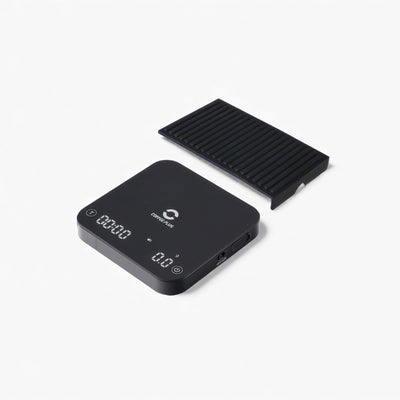
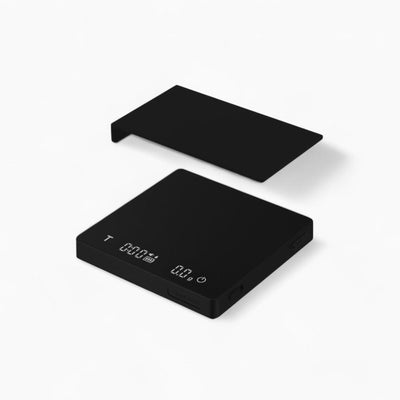
Bluetooth Smart Coffee Scale with App Control
$126.90 $252.00
Get precise 0.1g accuracy with Bluetooth connectivity and real-time brewing data on your phone. Perfect for dialing in specialty coffee extractions every time.
Explore ProductHow Q Graders Evaluate Specialty Coffee
The Q Grader certification, administered by the Coffee Quality Institute, represents the gold standard for coffee evaluation. These professionals undergo intensive training and rigorous testing to develop their palates and ensure consistency across the global specialty coffee industry.
During a typical cupping session, Q Graders evaluate coffee samples through the following criteria:
- Fragrance/Aroma: Dry ground coffee smell and wet aroma after water addition
- Flavor: The combined taste and aromatic experience during consumption
- Aftertaste: The length and quality of flavor remaining after swallowing
- Acidity: The pleasant brightness or liveliness in the cup
- Body: The tactile mouthfeel or weight of the coffee
- Balance: How well all flavor components work together
- Sweetness: The presence of pleasant, clean sweetness
- Clean Cup: Absence of defects or off-flavors
- Uniformity: Consistency across multiple cups of the same sample
- Overall: The holistic impression and enjoyability
Each category receives a score, and the total determines whether a coffee qualifies as specialty grade. This standardized approach ensures that when you see "specialty coffee" on a label, it meets consistent global standards.

Maximizing Your Specialty Coffee Experience at Home
Purchasing specialty coffee is only the first step. To truly appreciate these premium beans, you need the right equipment and techniques. As a home barista, investing in quality tools allows you to extract the full range of flavors that make specialty coffee special.
Precision is paramount when brewing specialty coffee. Variables like water temperature, grind size, and extraction time all impact the final cup. Using accurate measurement tools helps you replicate perfect brews consistently and dial in recipes that highlight your beans' unique characteristics.



Essential Tools for Specialty Coffee Brewing

Airtight Coffee Bean Canister with CO2 Valve
$37.90
$63.00
Preserve your specialty beans with vacuum-sealed storage and one-way CO2 valve. Keep those delicate origin notes fresh from first cup to last. Learn more ➔

Complete Pour Over Coffee Kit with Grinder and Kettle
$235.90
$360.00
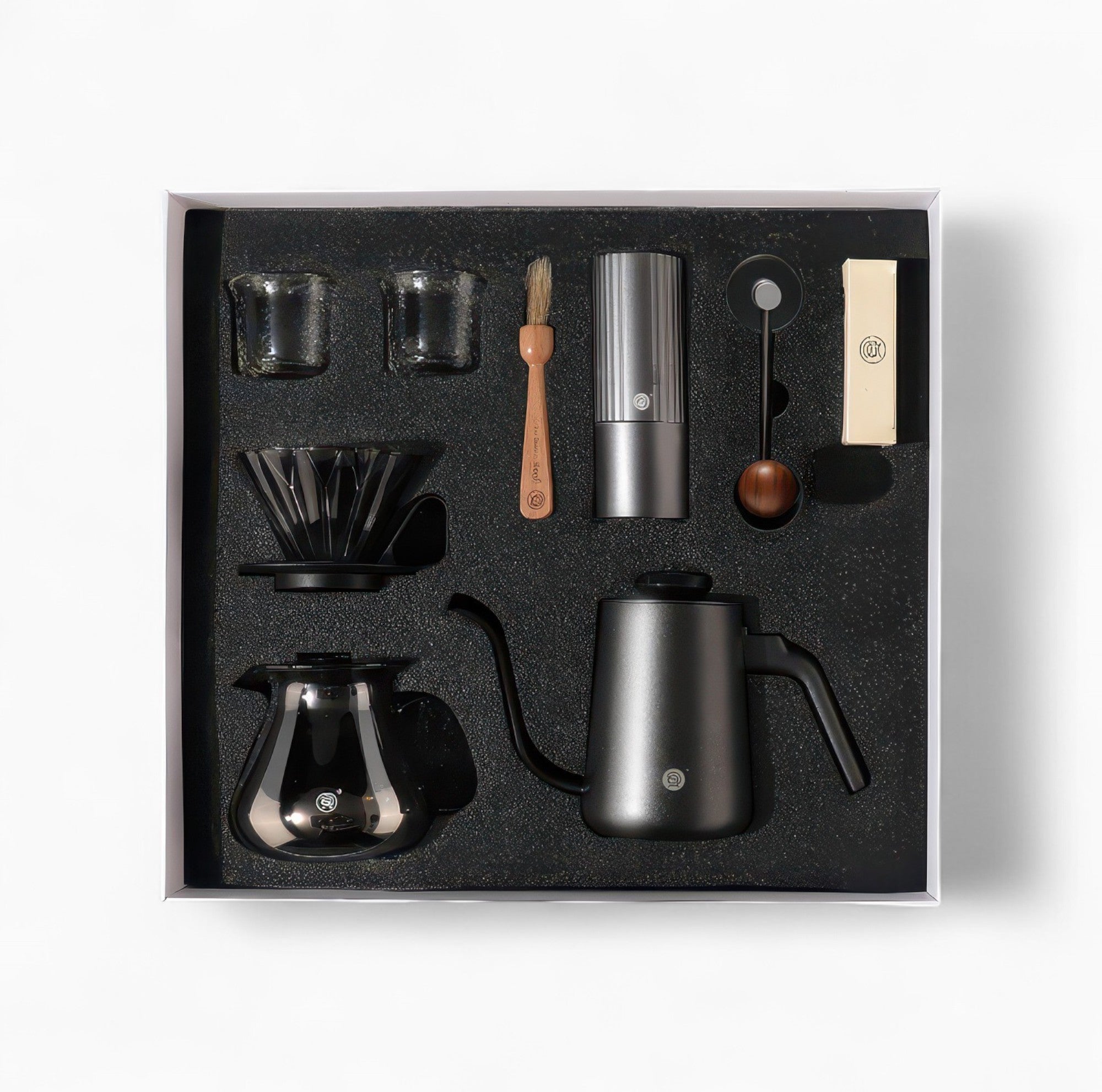
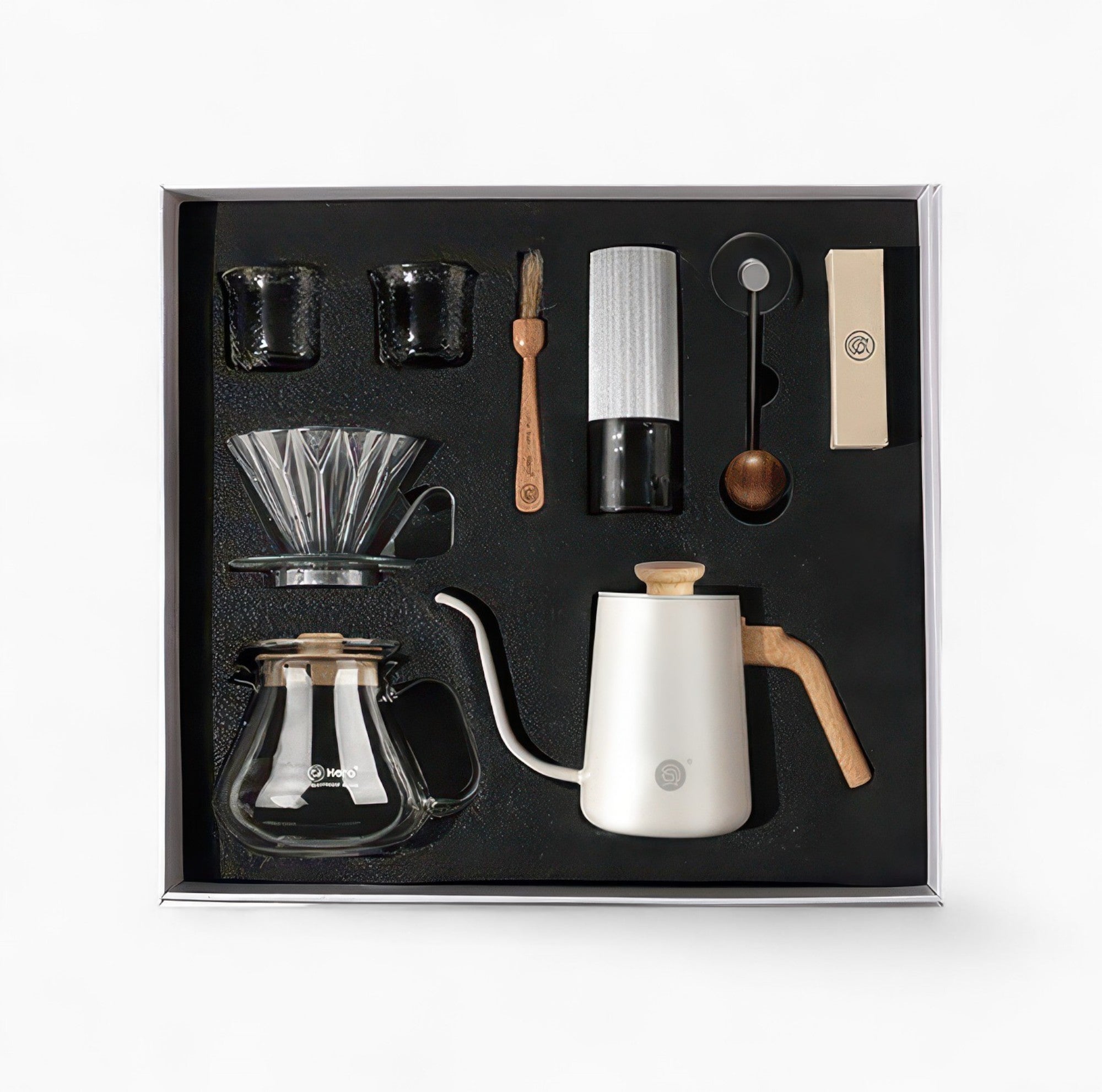
Master the art of pour over with this complete kit featuring temperature control kettle and precision grinder. Unlock the full potential of your specialty beans. Learn more ➔
The Importance of Freshness and Proper Storage
Even the highest-scoring specialty coffee will lose its magic if stored improperly. Coffee begins degassing carbon dioxide immediately after roasting, and exposure to oxygen, light, heat, and moisture accelerates staling. Those delicate floral notes and complex acidity that earned the coffee its specialty grade can disappear within weeks if not protected.
Specialty coffee is typically at its peak flavor between 3 days and 3 weeks after roasting, depending on the roast level and processing method. Storing your beans in an Airtight Coffee Bean Canister with CO2 Valve creates an optimal environment by allowing CO2 to escape without letting oxygen in, preserving those hard-won origin flavors.
Pro Tip: Buy whole bean specialty coffee and grind immediately before brewing. Pre-ground coffee loses aromatics within minutes, while properly stored whole beans maintain quality for weeks.

Third Wave Coffee and the Specialty Movement
You may have heard the term "third wave coffee" used interchangeably with specialty coffee. While related, third wave specifically refers to the cultural movement treating coffee as an artisanal product similar to wine, emphasizing craftsmanship, transparency, and consumer education.
The three waves of American coffee culture break down as follows:
- First Wave: Mass consumption and accessibility (pre-ground canned coffee)
- Second Wave: Coffee as experience and brand (coffee shop culture, espresso drinks)
- Third Wave: Coffee as craft product (single origins, manual brewing methods, direct trade)
Today's specialty coffee industry sits firmly within the third wave, celebrating the story behind each cup and empowering consumers to brew cafe-quality coffee at home. This philosophy aligns perfectly with the home barista movement, where enthusiasts invest in equipment like the Complete Pour Over Coffee Kit with Grinder and Kettle to achieve professional results in their own kitchens.
Conclusion: Elevate Your Coffee Journey with Specialty Grade
Understanding what defines specialty coffee empowers you to make informed purchasing decisions and appreciate the craftsmanship behind exceptional beans. The 80+ point grading system, Q Grader certification, and rigorous defect standards exist to ensure that when you invest in specialty coffee, you're experiencing the absolute best that coffee producers worldwide have to offer.
Whether you're brewing a delicate Ethiopian natural processed coffee with bright berry notes or a rich Colombian washed coffee with caramel sweetness, specialty grade beans reward your attention to detail. By pairing these premium beans with precision equipment like the Bluetooth Smart Coffee Scale with App Control and proper storage solutions, you create a home brewing setup that rivals professional cafes.
At Rethink Cafe, we believe that every coffee lover deserves to experience what specialty coffee has to offer. Explore our curated selection of brewing equipment designed specifically for the discerning home barista, and discover how the right tools can transform your daily cup from ordinary to extraordinary.
Frequently Asked Questions about Specialty Coffee
Specialty coffee is defined by the Specialty Coffee Association (SCA) as coffee that has been graded by certified Q Graders and scored 80 points or higher on a 100-point scale. It must have zero primary defects and no more than five secondary defects per 350-gram sample. Beyond scoring, specialty coffee represents a commitment to quality throughout the entire supply chain—from cultivation and processing to roasting and brewing.
Specialty coffee must score 80 points or above on the 100-point SCA scale. Within specialty grade, there are sub-classifications: 80-84.99 is "Very Good," 85-89.99 is "Excellent," and 90-100 is "Outstanding." Coffee scoring below 80 points falls into commercial or commodity grade categories. These scores are determined through standardized cupping protocols evaluated by certified Q Graders.
Specialty coffee tastes better due to superior growing conditions (high altitude, ideal climate), hand-picking at peak ripeness, meticulous processing methods, and expert roasting that highlights origin characteristics. The rigorous grading eliminates defective beans that create off-flavors. Additionally, specialty coffee is typically fresher and more traceable, allowing consumers to brew with beans that retain their complex aromatic compounds and nuanced flavor profiles.
The primary differences include: (1) Grading—specialty coffee scores 80+ points while commercial coffee scores below 80; (2) Defects—specialty allows zero primary defects while commercial accepts various inconsistencies; (3) Harvesting—specialty is hand-picked at peak ripeness while commercial is often machine-harvested; (4) Traceability—specialty offers single-origin transparency while commercial is typically blended; (5) Flavor—specialty showcases complex origin characteristics while commercial tends toward generic, often bitter profiles suitable for masking with milk and sugar.
Q Graders evaluate specialty coffee through standardized cupping sessions where they score ten specific categories: fragrance/aroma, flavor, aftertaste, acidity, body, balance, sweetness, clean cup, uniformity, and overall impression. Each category receives a numerical score, which are summed to create a final score out of 100 points. They also perform green grading to count defects in 350-gram samples. To become certified, Q Graders must pass 22 rigorous tests demonstrating calibration with global standards and the ability to identify defects and flavors consistently.