If you've invested in a quality espresso setup, overlooking water filtration for espresso machine protection is like buying a sports car and filling it with low-grade fuel. Water constitutes roughly 98% of every shot you pull, making it the single largest ingredient in your cup—and the most underestimated factor in both flavor quality and equipment longevity. Hard water minerals silently scale heating elements, clog solenoids, and dull flavor clarity, while overly soft water can lead to corrosive damage and flat extraction.
Whether you're running a plumbed-in commercial unit or a countertop semi-automatic, selecting the right water filter for espresso machine setups isn't just about taste. It's about protecting your investment from costly repairs and ensuring consistent performance over years of daily use. Below, we'll break down exactly how these systems work, which technologies suit different water conditions, and how to build a complete brewing station that maximizes the potential of your filtered water.
Why Use a Filter for Your Espresso Machine?
Untreated tap water carries dissolved minerals—primarily calcium and magnesium—that build up as scale when heated. Inside your espresso machine's boiler and thermoblock, this scale acts as an insulator, forcing heating elements to work harder and eventually fail. Additionally, high mineral content can interfere with proper extraction, muting delicate flavor notes and creating uneven extraction channels.
A proper espresso machine water filtration system addresses three critical issues:
- Scale Prevention: Ion-exchange resins swap hardness minerals for harmless sodium or potassium ions, preventing buildup in boilers and pipes.
- Taste Optimization: Activated carbon filters remove chlorine, sediment, and off-flavors that compete with your coffee's natural aromatics.
- Corrosion Protection: Some systems add polyphosphates that create a protective film on metal surfaces, preventing pitting and oxidation.
Without filtration, manufacturers often void warranties when mineral damage occurs. With proper filtration, you extend the lifespan of your machine while unlocking the full flavor potential of your beans.
How Inline Water Filters Work for Espresso Machines
Inline filtration systems connect directly to your water line, treating water before it enters the machine's reservoir or boiler. Unlike in-tank pouches that float in small water reservoirs, inline filters under the counter or behind the machine provide continuous, high-capacity filtration with minimal maintenance.
These systems typically employ multiple stages:
- Mechanical Filtration: Removes particulates and sediment down to 5-10 microns.
- Carbon Filtration: Absorbs chlorine, organic compounds, and odors.
- Resin Exchange: Softens water by exchanging calcium and magnesium ions for sodium ions—the critical step for scale prevention.
The inline water filter espresso connection method superior for plumbed machines or users who refill reservoirs frequently, as it maintains consistent water chemistry without remembering to change small reservoir pouches. For BWT water filter espresso systems and similar premium brands, the inline configuration allows for larger resin beds that last longer and maintain consistent flow rates compared to smaller in-tank alternatives.
Top Water Filter Options for Espresso Machines
Choosing between filtration technologies depends on your local water hardness, machine configuration, and maintenance preferences. Here are the primary categories dominating the market:
In-Tank and Reservoir Filters
Small charcoal or resin pouches designed for tank-style machines (like the Brita filter espresso machine compatibility models or Breville's proprietary filters). These are convenient for countertop units but require frequent replacement and provide limited capacity for very hard water.
Under-Sink Inline Systems
plumbed solutions that install before your machine's water line. These handle higher volumes and often feature replaceable cartridges with dedicated scale-inhibition resins. They're the best water filter espresso machine option for serious enthusiasts with plumbed setups.
Reverse Osmosis Systems
Reverse osmosis espresso water systems strip water down to nearly zero TDS (total dissolved solids). While this eliminates scale entirely, extremely pure water can taste flat and potentially leach metals from machine components. Most users add a remineralization cartridge to bring TDS to 50-150 ppm for optimal flavor.
Water Softeners vs. Filters
A dedicated water softener for espresso machine use focuses specifically on ion-exchange to remove hardness, while full filtration systems also address chlorine and particulates. Softeners are essential in areas with water hardness above 150 ppm, while carbon filtration matters more in municipalities with heavily chlorinated supplies.

What Is the Best Water Filtration System for Home Espresso?
There's no universal "best" system—only the best solution for your specific water chemistry and machine type. However, for most home baristas, the optimal setup balances convenience, protection, and flavor enhancement.
The Goldilocks Zone: Aim for water with 50-175 ppm TDS and 3-5 grains per gallon hardness. This range prevents scale while maintaining enough mineral content for proper extraction and machine protection.
For tank-fed machines in moderate-hardness areas (80-150 ppm), quality in-tank filters changed monthly often suffice. For hard water regions (150+ ppm) or plumbed machines, invest in a dedicated inline softening system like those from BWT or Everpure. Users with variable water quality might consider a BWT water filter espresso setup with magnesium enrichment, which maintains protection while adding minerals that some claim enhance sweetness in the cup.
Remember that filtration is an ecosystem decision—your grinder, storage methods, and extraction tools all interact with your water quality to determine the final result.
How Often Should I Replace My Espresso Machine Water Filter?
Replacement frequency depends on usage volume, incoming water hardness, and filter capacity. Most manufacturers recommend:
- In-tank filters: Every 2-3 months or 40-60 liters of water
- Inline resin filters: Every 6-12 months or 3,000-6,000 liters
- Reverse osmosis membranes: Every 2-3 years with annual sediment/carbon changes
Several indicators signal replacement time: slower water flow, visible scale in drip trays, declining steam pressure, or flat-tasting shots despite fresh beans. Many premium systems include TDS meters or indicator lights, but calendar reminders remain the safest approach.

When it's time to change cartridges, consider it an opportunity to evaluate your entire workflow. While you're protecting your machine's internals with fresh filtration, ensuring you have the right external tools for extraction becomes equally important.

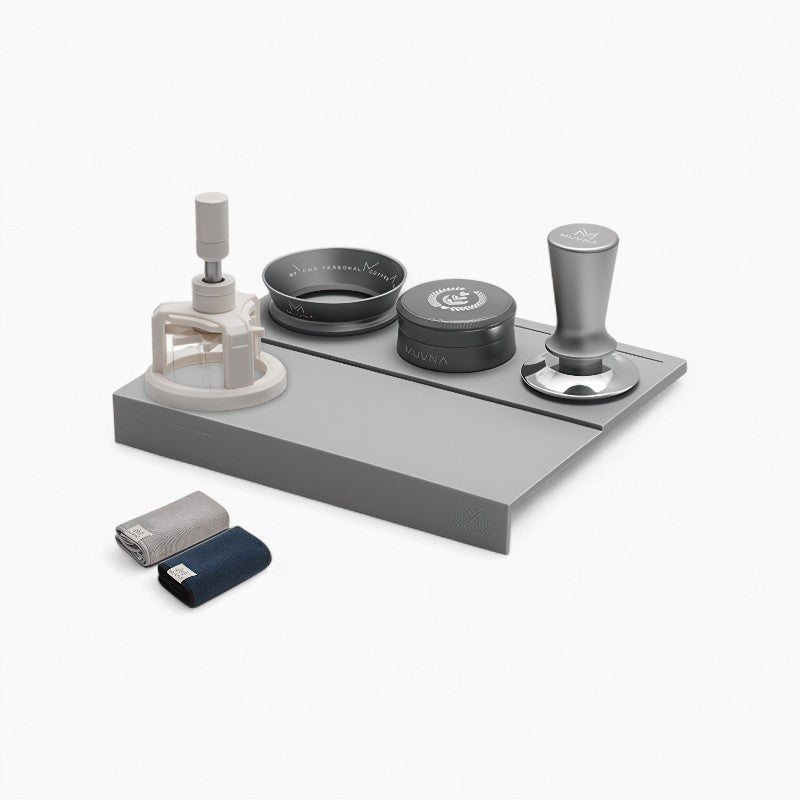
58mm Espresso Bundle with Bottomless Portafilter Kit
$255.90 $460.00
Achieve cafe-quality extractions with this complete 58mm bundle featuring bottomless portafilter, precision tamper, and distribution tool.
Explore ProductBuilding a Complete Home Espresso Station
Perfect water chemistry means nothing if your extraction process introduces channeling or inconsistency. Once you've solved the espresso machine water filter equation, the next evolution involves precision extraction tools that reveal exactly what's happening in your puck.
A bottomless portafilter becomes essential for diagnosing extraction issues—it reveals channeling and blonding that double-spouted portafilters hide. Combined with proper distribution and tamping techniques, you can ensure that your carefully filtered water extracts evenly through the entire bed of coffee.

Similarly, preserving your beans' freshness between sessions ensures you're extracting the full potential of your filtered water. Oxygen and CO2 degassing rob coffee of volatile aromatics, meaning even perfect water can't extract what isn't there anymore. A vacuum-sealed storage solution maintains that just-roasted chemistry that interacts optimally with your mineral-balanced water.
Essential Barista Tools & Storage

Professional Barista Starter Kit with Tamper and WDT
$139.90
$260.00
Five precision tools to eliminate channeling and deliver consistent extraction every time with constant pressure tamper and WDT needle distributor. Learn more ➔

Preserve flavor notes with vacuum extraction technology that removes oxygen and CO2 for that just-roasted taste cup after cup. Learn more ➔
Conclusion: The Foundation of Great Espresso
From inline water filter espresso setups to comprehensive reverse osmosis espresso water systems, protecting your machine is non-negotiable for anyone serious about coffee. The right filtration prevents catastrophic scale buildup while optimizing the mineral balance that extracts maximum flavor from your beans. Whether you choose a simple in-tank solution or a plumbed softening system, consistency in water quality allows you to focus on the variables you can control: grind, dose, and technique.
At Rethink Cafe, we understand that great espresso emerges from an ecosystem of quality components. While water filtration for espresso machine setups handles the invisible chemistry, our curated collection of precision tools helps you translate that potential into the perfect shot. Because when your water is perfect and your workflow is dialed, every morning becomes a cafe-quality experience in your own kitchen.
Frequently Asked Questions about Water Filtration for Espresso Machines
Water filters protect espresso machines from scale buildup caused by calcium and magnesium in tap water, which can damage boilers and heating elements. They also remove chlorine and impurities that negatively affect coffee flavor, extending equipment lifespan and improving extraction quality.
The top options include in-tank filters (like Brita or Breville-specific for reservoir machines), inline filtration systems for plumbed setups (BWT, Everpure), reverse osmosis systems with remineralization for very hard water, and dedicated ion-exchange softeners for areas with extreme mineral content.
Inline filters connect directly to the water supply line and typically use multi-stage filtration: mechanical filtration removes sediment, activated carbon absorbs chlorine and odors, and ion-exchange resin swaps hardness minerals (calcium and magnesium) for sodium or potassium ions to prevent scale formation.
The best system depends on your water hardness. For moderately hard water (80-150 ppm), quality in-tank filters suffice. For hard water (150+ ppm) or plumbed machines, inline softening systems with ion-exchange resin are optimal. For extremely hard water or specific taste preferences, reverse osmosis with remineralization provides the most control over water chemistry.
Replace in-tank filters every 2-3 months or 40-60 liters of water. Inline filters typically last 6-12 months or 3,000-6,000 liters depending on capacity and incoming water hardness. Reverse osmosis membranes last 2-3 years with annual carbon and sediment pre-filter changes. Always follow manufacturer guidelines and monitor for decreased flow rates or scale buildup.