
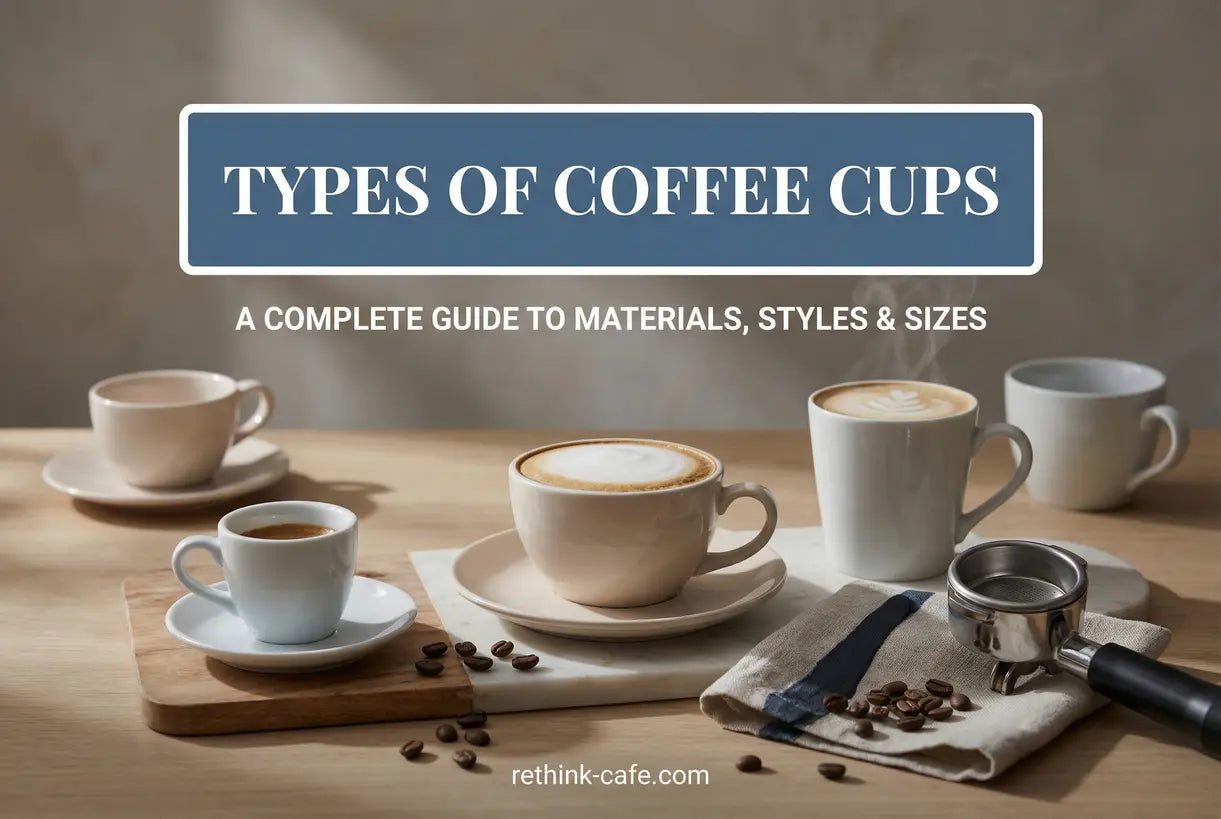
Walking into any specialty coffee shop, you'll notice something immediately: the sheer variety of vessels serving your favorite brew. From tiny espresso cups to generous latte mugs, types of coffee cups vary dramatically in size, shape, and material. Understanding these differences isn't just about aesthetics—it's about optimizing flavor, temperature, and the overall drinking experience.
Whether you're building a home barista setup or simply curious about why your cappuccino tastes better in certain cups, this guide covers everything you need to know. We'll explore kinds of coffee cups by beverage type, dive into materials like ceramic and glass, and provide a complete coffee cup size guide to help you make informed choices for your coffee ritual.
Coffee Cup Types by Beverage
Each coffee drink has an ideal vessel designed to enhance its characteristics. Using the wrong cup can affect temperature retention, crema preservation, and even how the flavors develop on your palate.
Espresso Cups
Also known as demitasse cups, espresso cups are the smallest in the coffee cup family, typically holding 60-90ml (2-3oz). Their compact size concentrates the aroma while the thick walls maintain the ideal serving temperature of 65-70°C. Traditional designs feature a rounded bottom that helps preserve the crema—that golden layer of microfoam that signals a properly pulled shot.
Cappuccino Cups
The classic cappuccino cup holds 150-180ml (5-6oz), perfectly proportioned for the traditional 1:1:1 ratio of espresso, steamed milk, and foam. These cups typically have a wider mouth than espresso cups, allowing the milk foam to spread and create that distinctive dome shape. The curved interior walls also help integrate the espresso and milk for balanced flavor in every sip.
Latte Cups
Latte cups are larger, usually 240-350ml (8-12oz), with a bowl-like shape that provides ample canvas for latte art. The wide, shallow design allows baristas to pour intricate patterns while the tapered walls help maintain temperature during the longer drinking experience. When shopping for latte cups, look for options with thickened rims that feel substantial in your hands.
Standard Coffee Mugs
The familiar diner-style mug holds 350-470ml (12-16oz) and works well for drip coffee, Americanos, and casual home brewing. While less specialized than espresso or cappuccino cups, a quality ceramic mug with proper wall thickness still delivers excellent heat retention for leisurely morning coffee sessions.
Materials Used in Coffee Cups
What are coffee cups made of? The material significantly impacts heat retention, flavor neutrality, durability, and even the visual appeal of your coffee. Let's examine the most common options.
Ceramic Coffee Cups
Ceramic coffee cups remain the gold standard for specialty coffee. High-fired porcelain and stoneware offer excellent thermal mass, keeping drinks at optimal temperature longer than thinner materials. Ceramic is also flavor-neutral, meaning it won't impart any taste to your brew. Many coffee professionals prefer thick-walled ceramic for its substantial feel and classic aesthetic.
Glass Coffee Cups
Glass coffee cups, particularly double-wall borosilicate designs, have surged in popularity among home baristas. The visual appeal of watching crema develop and latte art emerge adds to the experience. Modern borosilicate glass is heat-resistant and surprisingly durable, though single-wall options transfer heat quickly to your hands—making double-wall construction the preferred choice for hot beverages.
Other Materials
Stainless steel cups offer unmatched durability for travel and outdoor use, though purists note they can slightly alter flavor profiles. Bamboo and other sustainable materials appeal to eco-conscious consumers but require careful maintenance. Paper cups, while convenient, lack the thermal properties and drinking experience of permanent vessels.
Coffee Cup Size Guide
Understanding standard capacities helps you choose appropriately for each drink style. Here's a quick reference:
| Beverage | Standard Size | Metric |
|---|---|---|
| Espresso (single) | 2-3 oz | 60-90 ml |
| Espresso (double) | 3-4 oz | 90-120 ml |
| Cappuccino | 5-6 oz | 150-180 ml |
| Flat White | 5-6 oz | 150-180 ml |
| Latte | 8-12 oz | 240-350 ml |
| Americano/Drip | 8-16 oz | 240-470 ml |

Choosing the Right Coffee Cup for Your Home Cafe
Building a complete coffee cup collection doesn't require dozens of pieces. Start with vessels that match your preferred brewing methods. If you primarily drink espresso, invest in quality demitasse cups first. Latte lovers should prioritize wide-mouthed bowls that showcase their milk texturing skills.
Consider your storage space and washing routine too. Stackable designs save cabinet space, while dishwasher-safe materials simplify cleanup. Many home baristas find that having 2-4 cups per style accommodates both daily use and occasional guests.

Ceramic Espresso Cup and Saucer Set for Latte Art
$23.90 $48.00
High-fired ceramic espresso cup with egg-shaped profile for perfect latte art pours. Available in 90ml or 280ml with matching saucer.
Explore ProductWhy Double-Wall Glass Cups Are Popular
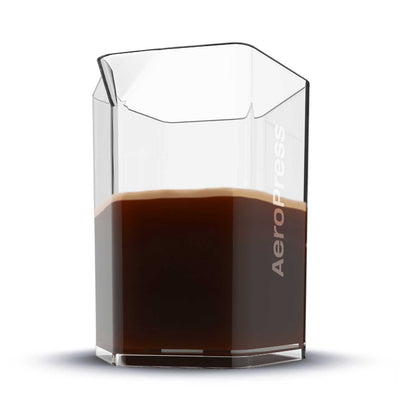
The rise of double wall cup designs represents one of the most significant innovations in coffee cup technology. By creating an insulating air pocket between two layers of borosilicate glass, these cups keep beverages hot while remaining cool to the touch externally.
This construction offers multiple benefits. First, you can comfortably hold a steaming hot espresso without burning your fingers. Second, the insulation maintains temperature longer than single-wall alternatives. Third, the optical illusion of coffee floating in air creates a striking visual presentation that enhances the home cafe experience.




Specialty Cups for Latte Art Enthusiasts
Creating beautiful latte art requires more than just skill with a milk pitcher—your cup choice significantly impacts the results. The ideal latte cup features a wide, rounded interior that allows milk to flow smoothly across the espresso surface. Slightly tapered walls help guide your pour while providing enough surface area for rosettas, tulips, and heart patterns.
Look for cups with a slightly textured interior or matte finish, which can help milk foam grip the surface during intricate pours. The thickness of the cup walls also matters; thicker ceramic retains heat better, giving you more time to perfect your design before the crema sets.
Premium Cup Options for Your Collection

Insulated double-wall glass espresso cups keep drinks hot while staying cool to touch. Taste-neutral borosilicate glass perfect for daily use. Learn more ➔

Embossed Ceramic Latte Cup 280ml for Latte Art
$37.90
$63.00
Premium porcelain latte cup with 9mm thickened rim for heat retention and embossed exterior. The ideal canvas for rosettas and tulips. Learn more ➔
Caring for Your Coffee Cups
Proper maintenance extends the life of your coffee cups and ensures consistent flavor. Ceramic and porcelain pieces benefit from occasional deep cleaning with baking soda to remove coffee oils that accumulate over time. Avoid abrasive scrubbers that can scratch glazed surfaces.
Double-wall glass cups require gentle handling and should never be subjected to rapid temperature changes. While most borosilicate glass is dishwasher safe, hand washing preserves clarity and prevents potential damage to the sealed air pocket between walls.
Stack ceramic cups carefully with felt or cloth separators to prevent chipping. Store glasses upright to avoid trapping moisture that could affect the insulating properties of double-wall designs. For more information on coffee equipment maintenance, the Specialty Coffee Association provides excellent resources on best practices.

Conclusion
Understanding the various types of coffee cups empowers you to elevate every brewing session. From the concentrated intensity of a properly sized espresso cup to the generous capacity of a latte bowl, each vessel serves a specific purpose in the coffee experience. The materials you choose—whether classic ceramic or modern double-wall glass—impact temperature, flavor, and visual appeal.
At Rethink Cafe, we curate coffee cups and mugs designed specifically for home baristas who refuse to compromise on quality. Our collection spans traditional ceramic espresso sets, innovative insulated glass designs, and specialty cups engineered for latte art excellence. Each piece reflects our commitment to helping coffee enthusiasts build their perfect home cafe setup.
Ready to upgrade your coffee ritual? Explore our complete collection of coffee cups and accessories and discover why thousands of home baristas trust Rethink Cafe for their daily brewing needs.
Frequently Asked Questions about Types of Coffee Cups
There are five primary types of coffee cups categorized by beverage: espresso cups (60-90ml), cappuccino cups (150-180ml), latte cups (240-350ml), standard mugs (350-470ml), and specialty cups like cortado glasses or macchiato cups. Additionally, cups can be categorized by material—ceramic, glass, stainless steel, and bamboo—with each offering distinct thermal properties and aesthetic qualities.
Different coffee beverages require different cups: espresso uses small 2-3oz demitasse cups; cappuccino traditionally uses 5-6oz wide-mouthed cups; lattes are served in 8-12oz bowl-shaped cups; Americanos and drip coffee typically use 8-16oz mugs. Each cup shape is designed to optimize the specific drink's temperature retention, aroma concentration, and visual presentation.
Cups can be categorized by function (coffee, tea, wine, etc.) or by form factor (mugs with handles, teacups with saucers, stemmed cups, tumblers). For coffee specifically, the main types include espresso cups, cappuccino cups, latte cups, travel mugs, and standard coffee mugs. Each type features distinct size, shape, and wall thickness optimized for its intended beverage.
Coffee mugs come in several varieties: standard diner-style ceramic mugs (12-16oz), bistro mugs with thicker walls, travel mugs with lids and insulation, glass mugs for visual appeal, and camp mugs made of enamel or stainless steel. Double-wall insulated mugs represent a newer category designed to maintain temperature without transferring heat to hands.
Coffee cups are primarily made from ceramic (porcelain or stoneware), glass (borosilicate for heat resistance), stainless steel, or sustainable materials like bamboo fiber. Ceramic remains the most popular choice for home use due to its excellent heat retention and flavor neutrality. Double-wall borosilicate glass has gained popularity for its insulation properties and visual appeal, while stainless steel dominates the travel mug category for its durability.


