Choosing the right stainless steel manual coffee grinder can feel overwhelming when you're confronted with technical terms like "ceramic burrs," "conical burrs," and "steel burr sets." If you've been researching manual grinders, you've likely encountered passionate debates about which burr material reigns supreme. The truth is, each material offers distinct advantages that can dramatically impact your daily brewing experience.
At Rethink Cafe, we understand that investing in a quality grinder is one of the most important decisions for any home barista. This comprehensive guide breaks down the differences between ceramic, stainless steel, and conical burr materials—helping you understand exactly what you're paying for and which manual coffee grinder stainless steel burr configuration will elevate your morning ritual.
Understanding Coffee Grinder Burrs: Why Material Matters
Before diving into material comparisons, it's essential to understand what burrs actually do. Burr grinders use two abrasive surfaces that rotate against each other to crush coffee beans into uniform particles. Unlike blade grinders that chop beans inconsistently, burr grinders produce the consistent particle size distribution necessary for proper extraction.
The material composition of these burrs directly affects:
- Heat conductivity – How much heat transfers to your beans during grinding
- Durability and longevity – How many grinding cycles before dulling
- Particle uniformity – The consistency of your grind size
- Maintenance requirements – How often cleaning and calibration are needed

Ceramic vs Stainless Steel vs Conical: The Complete Comparison
Now let's examine each burr type in detail, exploring their unique characteristics and ideal use cases.
Ceramic Burr Manual Coffee Grinder
Ceramic burr manual coffee grinder options have long been popular among entry-level enthusiasts. Ceramic is an inorganic, non-metallic material typically made from aluminum oxide or zirconium dioxide.
Advantages of Ceramic Burrs:
- Heat resistance – Ceramic doesn't conduct heat well, keeping beans cooler during grinding
- Corrosion immunity – Ceramic won't rust, even in humid environments
- Affordability – Generally less expensive to manufacture
- Chemical inertness – Won't react with coffee oils or acids
Limitations of Ceramic Burrs:
- Brittleness – Ceramic can chip or crack if foreign objects (like small stones) enter the grinder
- Sharpness retention – While durable, ceramic may dull faster than high-quality steel under heavy use
- Grind consistency – Lower-end ceramic grinders often produce less uniform particles
Stainless Steel Burr Manual Coffee Grinder
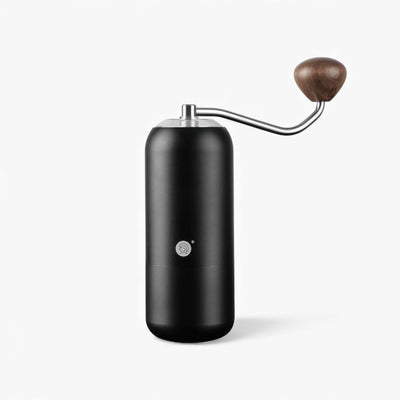
The stainless steel manual coffee grinder represents the premium tier of hand grinding. High-carbon stainless steel alloys offer exceptional durability and cutting performance that ceramic simply cannot match.
Advantages of Stainless Steel Burrs:
- Superior sharpness – Steel can be machined to razor-sharp edges that slice rather than crush beans
- Exceptional durability – Quality steel burrs can last decades with proper care
- Impact resistance – Unlike ceramic, steel won't shatter if a small stone enters the grinder
- Grind speed – Sharp steel burrs process beans faster with less effort
- Particle uniformity – Premium steel burrs produce remarkably consistent grind sizes
Considerations for Stainless Steel Burrs:
- Heat conductivity – Steel transfers more heat; however, in manual grinding, this is rarely problematic due to slower grinding speeds
- Corrosion potential – While stainless steel resists rust, it requires occasional cleaning to prevent coffee oil buildup
- Price premium – Quality steel burrs command higher prices due to manufacturing complexity
Conical Burr Coffee Grinder Manual: Understanding Burr Geometry
The term "conical" refers to burr shape rather than material. A conical burr coffee grinder manual uses cone-shaped burrs where one burr fits inside the other. This design offers distinct grinding mechanics compared to flat burr systems.
How Conical Burrs Work:
Beans feed between the inner and outer cone, being drawn through by gravity and burr rotation. The conical design naturally guides beans through the grinding path, requiring less force than flat burr systems. This makes conical burrs particularly well-suited for manual grinding.
Advantages of Conical Burr Design:
- Natural bean feeding – Gravity assists the grinding process
- Lower torque requirements – Easier to turn by hand
- Bimodal particle distribution – Creates two distinct particle sizes that can enhance extraction complexity
- Reduced heat generation – Less friction than flat burr designs
- Quieter operation – Less noise during grinding
Conical Burr Materials:
Conical burrs can be manufactured from either ceramic or stainless steel. Premium best manual conical burr coffee grinder options typically feature steel conical burrs for the optimal combination of geometry and material performance.

Which Burr Type Is Right for You?
Selecting the ideal burr material depends on your brewing preferences, budget, and usage patterns. Here's a practical decision framework:
| Burr Type | Best For | Budget Range | Key Advantage |
|---|---|---|---|
| Ceramic | Casual drinkers, travel, occasional use | $15-$50 | Heat resistance, affordability |
| Stainless Steel | Daily enthusiasts, espresso, precision brewing | $75-$300 | Durability, sharpness, consistency |
| Conical Steel | All brewing methods, home baristas | $100-$400 | Optimal geometry + premium material |
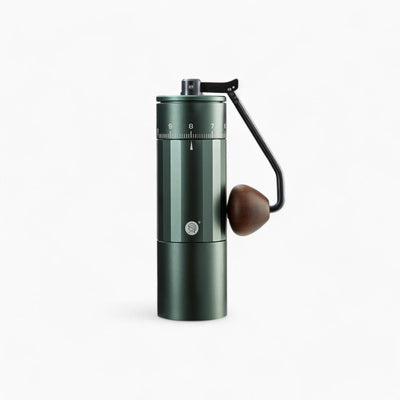

Premium Manual Grinder Solutions at Rethink Cafe
Now that you understand the technical differences between burr materials, let's explore how Rethink Cafe's curated selection delivers exceptional grinding performance for every type of coffee enthusiast.

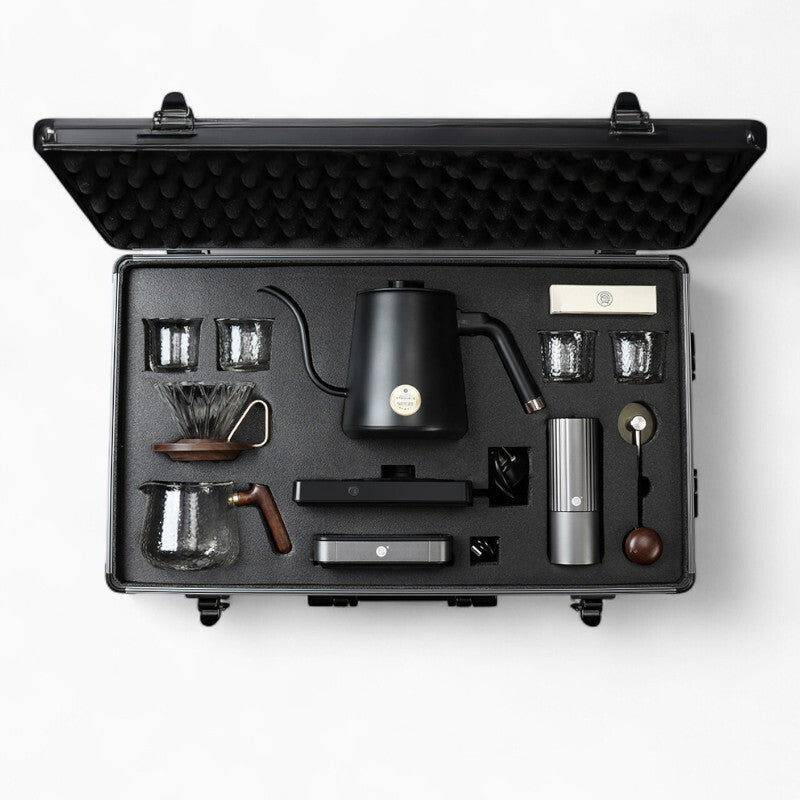
Professional Pour Over Coffee Kit with Grinder and Kettle
$445.90 $743.00
Choose between Z3 Pro with 38mm stainless steel burrs or upgrade to Z7 featuring 48mm titanium burrs for cafe-level precision grinding at home.
Explore ProductThe Professional Pour Over Coffee Kit with Grinder and Kettle represents the pinnacle of stainless steel manual coffee grinder engineering. The Z3 Pro configuration features precision-machined 38mm stainless steel burrs that deliver exceptional particle uniformity. For those seeking cafe-level precision, the Z7 upgrade introduces 48mm titanium-coated burrs—combining the durability of steel with enhanced hardness for extended sharpness retention.
What distinguishes this kit is the thoughtful integration of premium components. The included gooseneck kettle provides the precise pour control essential for pour-over brewing, while the grinder's stepless adjustment mechanism allows micro-adjustments for everything from French press to espresso. This is the solution for home baristas who refuse to compromise on grind quality.
Alternative Grinding Solutions for Every Budget

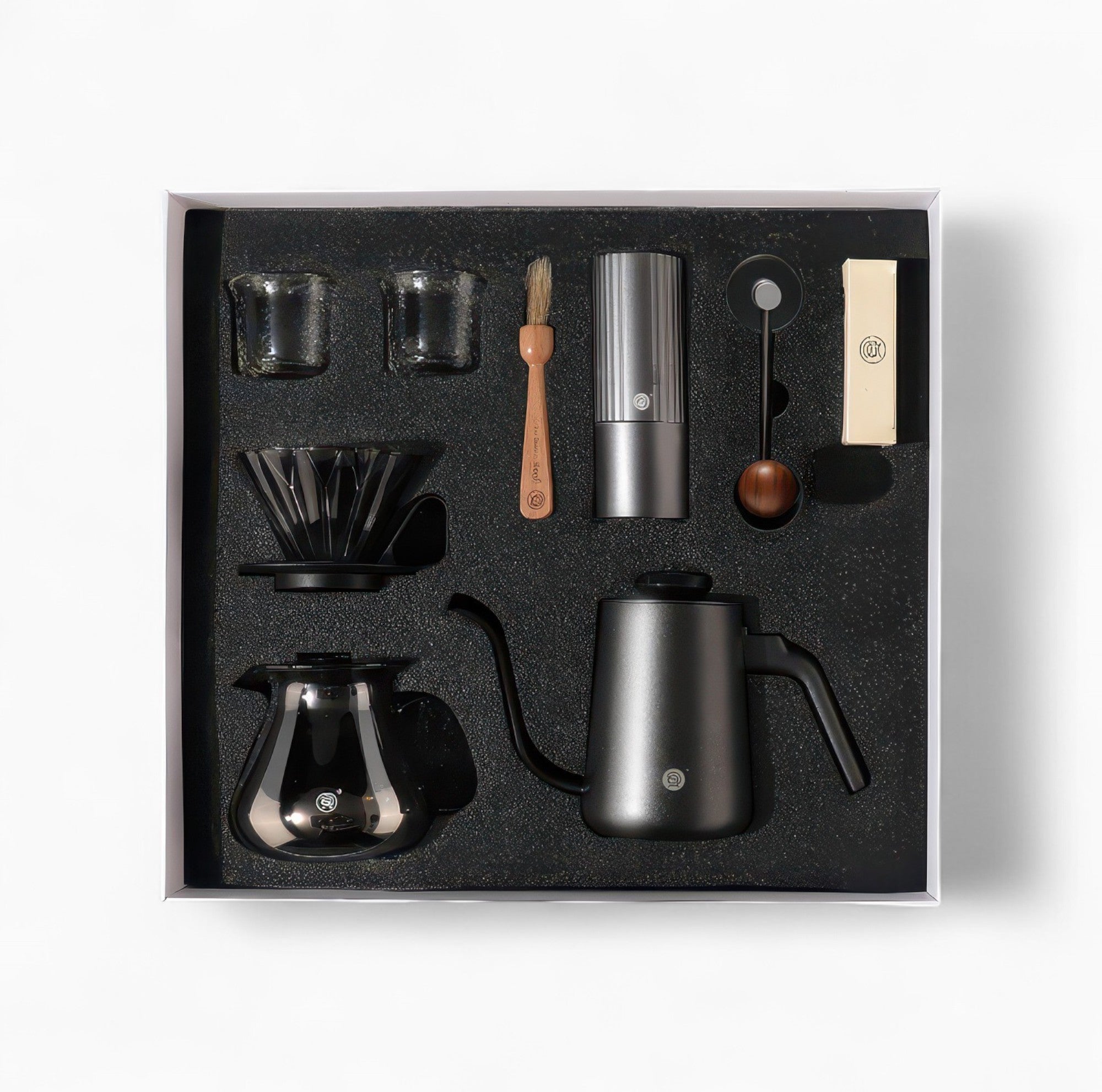
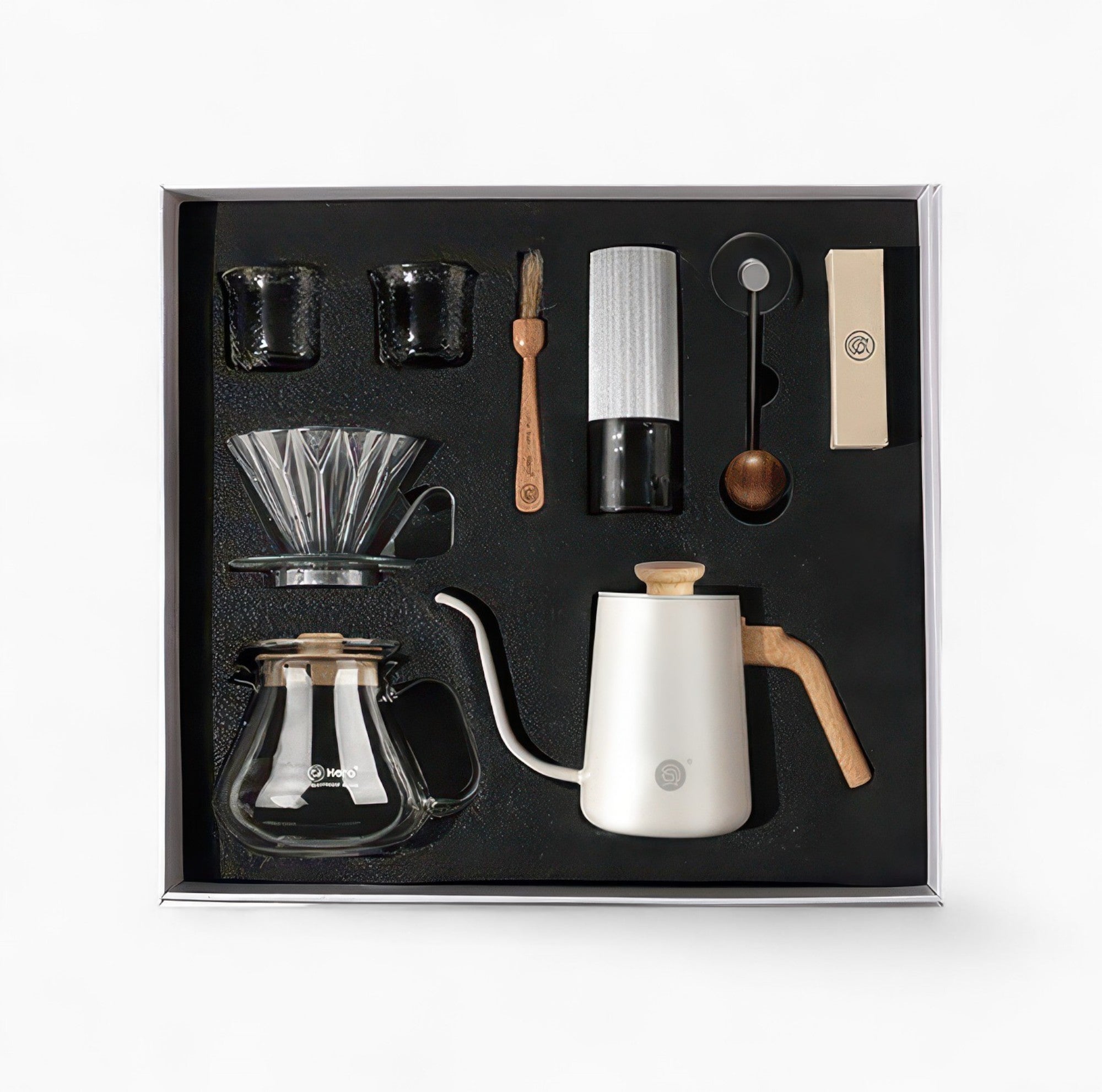
Complete Pour Over Coffee Kit with Grinder and Kettle
$235.90
$360.00
Features a 38mm conical burr hand grinder with six-star burr geometry that produces exceptionally uniform particles for perfect extraction. Learn more ➔

Starseeker 2 in 1 Black Burr Coffee Grinder
$215.90
$270.00
Dual-mode electric and manual grinder with 40mm CNC ten-star conical burr, 60-level stepless adjustment, and magnetic grounds cup for spill-free handling. Learn more ➔
The Complete Pour Over Coffee Kit with Grinder and Kettle offers an accessible entry point into premium manual grinding. Its 38mm conical burr features innovative six-star burr geometry that produces exceptionally uniform particles. This geometry optimizes the cutting action, reducing the amount of force required while improving consistency across all grind settings.
For those seeking versatility, the Starseeker 2 in 1 Black Burr Coffee Grinder represents a unique hybrid approach. This innovative grinder features dual-mode operation—functioning as both an electric and manual grinder depending on your needs. The 40mm CNC-machined ten-star conical burr provides 60 levels of stepless adjustment, allowing precise calibration for any brewing method from Turkish coffee to cold brew. The magnetic grounds cup ensures spill-free handling—an elegant solution to a common frustration.

Are Manual Grinders Worth It for Espresso?
This is perhaps the most common question among prospective buyers, and the answer has evolved significantly in recent years. Traditional wisdom suggested that only electric grinders could achieve the fine, consistent particle size necessary for espresso. However, modern best manual conical burr coffee grinder designs have shattered this limitation.
High-quality manual grinders with precision-engineered steel burrs can absolutely produce espresso-quality grounds. The key factors are:
- Burr size – Larger burrs (40mm+) generate more cutting surface area, improving consistency at fine settings
- Burr geometry – Multi-star designs (six-star, ten-star) optimize cutting action
- Stabilization – Quality bearings and shaft stability prevent wobble that creates inconsistent particles
- Adjustment mechanism – Stepless or micro-stepped adjustments allow precise dialing-in
The trade-off is effort. Grinding 18-20 grams of coffee to espresso fineness requires significantly more rotations than coarser brewing methods. However, many enthusiasts find the tactile engagement meditative and appreciate the complete control manual grinding provides.
Pro Tip: For espresso-focused manual grinding, prioritize grinders with 40mm or larger stainless steel burrs and external adjustment rings. These features make the fine-tuning process significantly more manageable.
How Long Do Ceramic Burrs Last Compared to Steel?
Durability is a critical consideration when investing in a quality grinder. Both ceramic and steel burrs offer impressive longevity, but their failure modes differ significantly.
Ceramic burr lifespan: Quality ceramic burrs can process 500-750 pounds of coffee before showing significant wear. However, ceramic's brittleness presents a risk—impact from foreign objects can cause chips or cracks that immediately compromise grind consistency. A chipped ceramic burr cannot be repaired and must be replaced.
Stainless steel burr lifespan: Premium steel burrs typically last 800-1,000+ pounds of coffee. Steel's ductility means it won't shatter from impact—it may dent slightly but often continues functioning. When steel burrs eventually dull, they gradually lose sharpness rather than failing catastrophically, giving you warning signs (increased grinding effort, less consistent particles) before performance degrades significantly.
For most home users grinding 1-2 pounds monthly, either material will last 5-10 years or longer. The steel burr manual coffee grinder offers greater peace of mind for daily users who prioritize longevity and consistent performance over many years.
Conclusion: Making Your Burr Material Decision
Understanding the differences between ceramic, stainless steel, and conical burr designs empowers you to make an informed investment in your coffee journey. Each material offers distinct advantages: ceramic provides heat resistance and affordability, while stainless steel delivers unmatched durability, sharpness, and grind consistency. Conical geometry optimizes the grinding mechanics regardless of material choice.
For the dedicated home barista seeking the ultimate grinding experience, a stainless steel manual coffee grinder with conical burr geometry represents the gold standard. The combination of material durability, cutting precision, and mechanical efficiency produces the consistent particle distribution necessary for exceptional extraction across all brewing methods.
At Rethink Cafe, we've curated a collection of premium manual grinders featuring the finest stainless steel and conical burr designs available. Whether you're seeking the precision of the Z7's 48mm titanium burrs, the versatility of the Starseeker's dual-mode operation, or the accessible quality of our Complete Pour Over Kit, we have the perfect grinding solution for your brewing ambitions. Explore our collection today and discover why serious coffee enthusiasts trust Rethink Cafe for their most important brewing investment.
Frequently Asked Questions about Manual Coffee Grinder Burr Types
Ceramic burrs are made from inorganic materials like aluminum oxide and offer excellent heat resistance and corrosion immunity, but they can be brittle and chip if impacted. Stainless steel burrs provide superior sharpness, exceptional durability, and impact resistance. Steel burrs typically last 800-1,000+ pounds of coffee compared to ceramic's 500-750 pounds, and they maintain consistent performance longer without catastrophic failure.
Yes, modern high-quality manual grinders with precision-engineered steel burrs can absolutely produce espresso-quality grounds. Look for grinders with 40mm or larger burrs, multi-star burr geometry, stable bearings, and stepless adjustment mechanisms. While grinding for espresso requires more effort than coarser methods, many enthusiasts appreciate the tactile control and meditative quality of manual grinding. Premium options like those with 48mm titanium burrs make the process significantly more manageable.
The best manual grinder depends on your brewing methods and budget. For pour-over and drip coffee enthusiasts, a 38mm conical steel burr grinder offers excellent value. Espresso-focused users should prioritize 40mm+ burrs with external adjustment rings. If you want versatility between manual and electric operation, consider hybrid options with dual-mode functionality. For the ultimate experience, look for premium kits that include precision grinders with titanium-coated burrs paired with professional pouring kettles.
Burr materials indirectly affect taste through heat transfer and particle consistency rather than flavor contamination. Ceramic's poor heat conductivity keeps beans cooler, theoretically preserving volatile aromatics. However, in manual grinding, heat generation is minimal regardless of material. More significant is particle uniformity: sharp steel burrs typically produce more consistent particle sizes than lower-end ceramic burrs, leading to more even extraction and balanced flavor. Premium steel burrs with optimized geometry create the bimodal distribution that many baristas prize for complex extractions.
Quality ceramic burrs typically process 500-750 pounds of coffee before significant wear, while premium stainless steel burrs last 800-1,000+ pounds. However, lifespan isn't just about volume—failure modes differ critically. Ceramic can chip or crack from impact with foreign objects, causing immediate performance degradation. Steel gradually dulls over time, providing warning signs like increased grinding effort before becoming unusable. For home users grinding 1-2 pounds monthly, either material lasts 5-10+ years. Daily users or those prioritizing longevity should invest in steel burrs for their superior durability and gradual wear pattern.