

There's something almost meditative about grinding your own coffee by hand. The satisfying crunch of beans transforming into aromatic grounds, the anticipation of that first sip—it all starts with mastering your equipment. If you've recently unboxed your first manual burr coffee grinder or are considering making the switch from pre-ground coffee, you're about to unlock a new level of freshness and flavor in your daily cup.
Learning how to use manual coffee grinder equipment properly isn't just about turning a handle. It's about understanding grind adjustment, developing proper technique, and avoiding the common pitfalls that leave beginners frustrated. This comprehensive hand coffee grinder guide will walk you through everything from your first setup to achieving professional-quality results, whether you're brewing espresso or cold brew. And with the right tools—like the precision-engineered grinders available at Rethink Cafe—you'll discover why home baristas never go back to electric.
Why Manual Grinding Matters for Home Baristas
Before diving into the mechanics, let's address why so many coffee enthusiasts choose manual grinding over electric alternatives. Manual coffee grinders offer unparalleled control over your grind size, operate silently (perfect for early mornings), and allow you to brew exceptional coffee anywhere—from your kitchen to a campsite.
The key advantage lies in the consistency. Quality manual burr coffee grinder units use precision-engineered burrs that crush beans uniformly, unlike blade grinders that chop randomly. This consistency ensures even extraction and a balanced, flavorful cup every time.
Understanding Your Manual Coffee Grinder Components
Most manual grinders share common components you'll need to familiarize yourself with:
- Hopper: The chamber where you load whole coffee beans
- Burr Set: The cutting mechanism (conical or flat) that grinds the beans
- Adjustment Ring/Ring: Controls the distance between burrs for grind size selection
- Collection Chamber: Where ground coffee collects
- Crank Handle: The arm you rotate to drive the burrs
Understanding how these parts work together forms the foundation of proper manual grinder technique.
Step-by-Step Manual Coffee Grinder Instructions for Beginners
Step 1: Measure Your Beans
Start by weighing your coffee beans using a digital scale. For beginners, a good starting point is 20-30 grams of coffee per cup. Measuring by weight rather than volume ensures consistency across different bean densities and roast levels.
Step 2: Set Your Grind Size
Before loading beans, adjust your grinder to the appropriate setting. Most manual grinders use a click system or numbered dial. The general rule: clockwise for finer grinds, counter-clockwise for coarser grinds. We'll dive deeper into specific settings later in this guide.
Step 3: Load the Hopper
Pour your measured beans into the hopper. Avoid overfilling—most manual grinders hold 25-40 grams maximum. Less is often more, as overloading can cause uneven grinding and strain on the burrs.
Step 4: Secure and Stabilize
Hold the grinder body firmly with one hand while gripping the crank handle with the other. Position your elbow at a comfortable angle—this prevents fatigue during longer grinding sessions. The key is finding a grip that keeps the grinder stable without requiring excessive force.
Step 5: Begin Grinding
Start rotating the handle at a steady, moderate pace. You should feel consistent resistance—if it's too easy, your grind is likely too coarse; if you're struggling, you may have set it too fine. Aim for a rhythmic, continuous motion rather than jerky, inconsistent turning.
Step 6: Empty and Inspect
Once you feel the resistance ease (indicating all beans have passed through), open the collection chamber and inspect your grounds. They should feel consistent to the touch with minimal clumping (unless grinding for espresso).

The infographic above provides a quick visual reference you can save for your coffee station. Visual learners may also appreciate this detailed video demonstration on proper hand grinding technique:
How to Adjust Manual Coffee Grinder Settings
Grind adjustment is where the magic happens. Different brewing methods require different particle sizes, and understanding how to adjust manual coffee grinder settings separates good coffee from exceptional coffee.
Pro Tip: Always adjust your grind setting with the grinder empty, or at least with no beans between the burrs. Adjusting under load can damage the adjustment mechanism and burr alignment.
Understanding the Adjustment Mechanism
Most quality manual grinders feature stepped adjustments (clicking between set positions) or stepless adjustment (smooth, infinite range). Stepped systems provide consistency for beginners, while stepless offers maximum control for advanced users.
Grind Size Reference Guide
| Brew Method | Grind Size | Visual Reference |
|---|---|---|
| Turkish Coffee | Extra Fine (powder) | Like flour |
| Espresso | Fine | Like table salt |
| Moka Pot | Medium-Fine | Like fine sand |
| Pour Over | Medium | Like sea salt |
| Drip Coffee | Medium | Like coarse sand |
| French Press | Coarse | Like breadcrumbs |
| Cold Brew | Extra Coarse | Like peppercorns |
For beginners, start in the middle range and adjust based on taste. If your coffee tastes too bitter or harsh, your grind is likely too fine. If it's weak or sour, you may need to grind finer.
Perfecting Your Grinding Technique
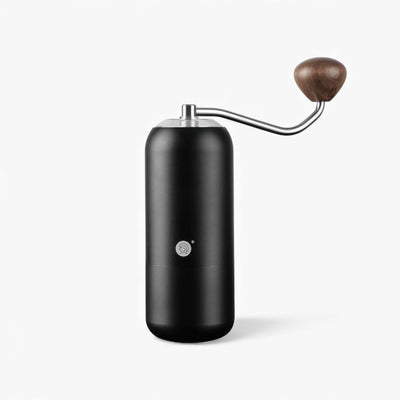
Once you've mastered setup and adjustment, refining your manual grinder technique will improve consistency and reduce effort. The Z5 X-Fold Manual Coffee Grinder with Titanium Burrs exemplifies how modern engineering can transform this daily ritual.

Z5 X-Fold Manual Coffee Grinder with Titanium Burrs
$185.90 $365.00
Master your grind with this portable manual coffee grinder featuring patented 180-degree folding design, 38mm titanium burrs, and 100-step adjustment for espresso to cold brew precision.
Explore ProductBody Positioning and Grip
Hold the grinder at chest height with your non-dominant hand gripping the body near the base. Your dominant hand should grip the crank handle at a 90-degree angle, allowing smooth circular motion without wrist strain. Many beginners make the mistake of holding the grinder too low, which forces an awkward arm angle and reduces leverage.

Speed and Pressure
Maintain a consistent rotational speed of approximately one full rotation per second. Grinding too fast generates heat that can damage volatile aromatics. Grinding too slow extends the process unnecessarily. Apply steady but gentle pressure—if you're straining, your grind setting is likely too fine for the beans you're using.
Recognizing Completion
You'll feel the resistance decrease significantly once all beans have passed through the burrs. Give 2-3 additional rotations to ensure all grounds have cleared the burr chamber. Tap the grinder gently to settle any grounds clinging to the sides.

How to Use Manual Coffee Grinder for Espresso
Using a manual coffee grinder for espresso represents the ultimate test of your skills. Espresso requires an extremely fine, consistent grind that challenges even experienced home baristas. The process demands precision in both grind size and distribution.
Espresso-Specific Adjustments
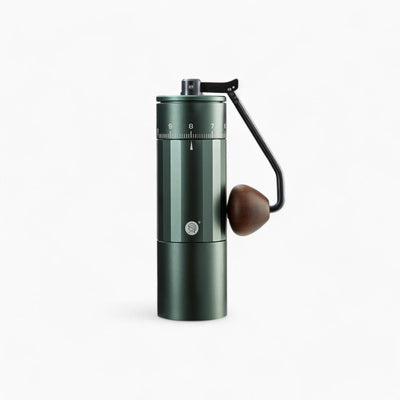
Start with your grinder's finest setting and work backward until you achieve the right extraction time (25-30 seconds for a double shot). The Z7 Manual Coffee Grinder with 48mm Titanium Burrs is engineered specifically for this challenge, featuring 50% less grinding effort and SCA grind curve consistency that rivals commercial electric grinders.
Distribution and Consistency
Espresso grinds should resemble fine table salt with no visible chunks. When rubbed between fingers, they should feel smooth but slightly gritty. If you're struggling to achieve the necessary fineness without excessive effort, consider upgrading to a grinder with larger burrs and more powerful leverage.
Common Mistakes When Grinding Coffee (And How to Avoid Them)
Even experienced home baristas occasionally fall into these traps. Understanding what are common mistakes when grinding coffee saves you from disappointing brews and extends your grinder's lifespan.
Mistake 1: Inconsistent Grinding Speed
Rapid, jerky grinding motions create inconsistent particle sizes. The burrs need time to cut cleanly through each bean. Slow, steady rotations produce uniform grounds essential for even extraction.
Mistake 2: Neglecting Burr Alignment
If your grinder suddenly produces inconsistent results, the burrs may have shifted. Many budget grinders suffer from poor factory alignment. Premium options like those available at Rethink Cafe undergo rigorous quality control to ensure perfect burr alignment from day one.
Mistake 3: Overfilling the Hopper
Stuffing the hopper full creates pressure on the burrs and leads to uneven grinding. Stick to 20-25 gram doses unless your grinder specifically supports larger capacities.
Mistake 4: Ignoring Static Buildup
Dry environments create static cling that causes grounds to fly everywhere when opening the collection chamber. A few drops of water on your beans before grinding (the Ross Droplet Technique) eliminates this issue without affecting flavor.
How to Use a Manual Coffee Grinder After Every Use
Proper maintenance ensures your grinder performs consistently for years. Knowing how to use a manual coffee grinder after every use involves a simple but crucial cleaning routine.
Immediate Post-Grind Care
Empty all grounds from the collection chamber, then tap the grinder body firmly over a trash bin to dislodge retained particles. These retained grounds oxidize quickly and contaminate your next batch. Use the 3D Printed Manual Coffee Grinder Cap and Handle Holder to keep your workspace organized and your grinder components exactly where you need them.
Weekly Deep Cleaning
Once weekly, disassemble your grinder according to manufacturer instructions and brush the burrs with a dedicated grinder brush or soft toothbrush. Remove all residual oils that can turn rancid and impart off-flavors. Never use water on steel burrs unless specifically instructed by the manufacturer.
Monthly Maintenance
Inspect the burrs for dullness or damage. Titanium-coated burrs, like those found in the Z5 and Z7 grinders, maintain sharpness significantly longer than standard steel. Check adjustment mechanisms for debris and ensure all threads move smoothly.
Elevate Your Grinding Experience

Z7 Manual Coffee Grinder with 48mm Titanium Burrs
$189.90
$237.00
Experience effortless grinding with 50% less effort required, 48mm titanium burrs, and 36-click adjustment - built for home baristas who demand SCA grind curve consistency. Learn more ➔

3D Printed Manual Coffee Grinder Cap and Handle Holder
$17.90
$39.00
Keep your grinder organized with this model-specific holder that locks your cap and crank arm securely to your grinder body, compatible with Comandante, 1zpresso, Timemore, and Kingrinder models. Learn more ➔
Learning more about different burr materials and designs can further enhance your understanding of grind quality. Home-Barista's comprehensive guide on burr types provides excellent technical information for the curious coffee enthusiast.
Advanced Techniques for the Committed Home Baristas
Once you've mastered the basics, consider these advanced refinements. RDT (Ross Droplet Technique) involves adding a few drops of water to your beans before grinding to eliminate static and reduce retention. Some enthusiasts also practice "single-dosing"—grinding only exactly what they need rather than storing beans in the hopper.
Experiment with grind size adjustments in micro-increments. Moving just one click can dramatically change extraction in certain brewing methods. Keep a brewing journal noting grind settings, bean types, and results to dial in your perfect cup faster.

Creating Your Manual Grinding Ritual
The true beauty of manual grinding lies in the ritual. Unlike electric grinders that distance you from the process, hand grinding connects you intimately with your coffee preparation. Many home baristas find the 30-45 seconds of grinding becomes a meditative moment before the day's chaos begins.
Set up a dedicated coffee station with your grinder, scale, and brewing equipment accessible. The 3D Printed Manual Coffee Grinder Cap and Handle Holder keeps your workspace organized, ensuring your crank arm never rolls away or gets misplaced. A well-organized station encourages consistency and turns morning preparation into a pleasure rather than a chore.
Conclusion
Mastering how to use manual coffee grinder equipment transforms your coffee experience from mundane to exceptional. By following these step-by-step manual coffee grinder instructions, you've learned to adjust grind settings precisely, employ proper grinding technique, avoid common mistakes, and maintain your equipment for years of service.
The journey from beginner to proficient home barista requires practice, but the rewards—fresher coffee, precise control, and the satisfaction of craft—justify the learning curve. Whether you're dialing in espresso shots or preparing French press for friends, your manual grinder is now a trusted ally rather than a mysterious contraption.
At Rethink Cafe, we understand that great coffee starts with great tools. From our precision-engineered Z5 and Z7 manual grinders to organizational accessories that keep your station tidy, we provide everything the discerning home barista needs. Ready to elevate your morning ritual? Your perfect grind awaits.
Frequently Asked Questions about Using Manual Coffee Grinders
Start by measuring 20-30 grams of whole beans, then load them into the hopper. Adjust your grind setting before beginning (clockwise for finer, counter-clockwise for coarser). Hold the grinder body firmly with one hand while rotating the crank handle steadily with the other. Maintain a consistent speed of about one rotation per second until resistance eases, indicating all beans have been ground. Empty the collection chamber and inspect the consistency of your grounds before brewing.
After each use, immediately empty all grounds from the collection chamber and tap the grinder body over a trash bin to dislodge retained particles. Use a soft brush to clean the burrs of any remaining coffee dust. Store your grinder in a dry place with the adjustment mechanism loose to prevent burr compression. Weekly, perform a deeper clean by disassembling and brushing all components with a dedicated grinder brush.
Common mistakes include grinding too fast (creates inconsistent particle sizes), overfilling the hopper (causes uneven grinding and strain), failing to adjust grind size for different brewing methods, neglecting regular cleaning (leads to rancid oils), and adjusting settings while beans are still in the grinder (can damage burrs). Beginners also frequently use the wrong grind size for their brewing method—remember that espresso requires fine grinds while French press needs coarse.
Always adjust with an empty grinder or no beans between the burrs to prevent damage. Rotate the adjustment ring clockwise to make the grind finer (burrs closer together) and counter-clockwise to make it coarser (burrs farther apart). Most quality grinders use a clicking mechanism—count the clicks from the zero point to track your settings. Start in the middle range and adjust based on taste: if coffee tastes bitter, grind coarser; if weak or sour, grind finer.
Using a manual grinder for espresso requires setting it to the finest setting your grinder allows while still maintaining smooth rotation. Start at the finest point and adjust slightly coarser until you achieve a 25-30 second extraction time for a double shot. The grounds should resemble fine table salt with no visible chunks. Espresso grinding requires more effort due to the fine setting, so grinders with larger burrs (like 48mm) and ergonomic handles significantly reduce fatigue. Ensure grounds are evenly distributed in your portafilter before tamping.


