

That heartbreaking moment when your favorite ceramic demitasse slips from your hand and shatters on the counter. If you've experienced this, you're not alone. At Rethink Cafe, we hear from home baristas every week who are ready for something different—something that doesn't sacrifice the ritual of espresso for the fragility of porcelain.
Enter the stainless steel espresso cup. These durable espresso cups have evolved from utilitarian camping gear to sophisticated vessels that serious coffee enthusiasts proudly display on their espresso stations. The modern metal espresso cup combines industrial-grade durability with refined thermal engineering, delivering a drinking experience that ceramic simply cannot match.
In this guide, we'll address the concerns holding you back from making the switch—flavor impact, heat retention, and whether these cups truly perform differently. By the end, you'll understand exactly what separates a quality stainless steel cup from the cheap alternatives flooding the market, and you'll discover the temperature control innovations that can elevate your entire espresso ritual.
Why Home Baristas Are Switching to Stainless Steel Espresso Cups
The migration toward unbreakable espresso cups isn't just about durability—it's about consistency. When you invest in quality coffee beans, grind them fresh, and dial in your extraction to perfection, the last thing you want is a cup that cools too quickly or cracks under thermal stress.
Stainless steel 304-grade construction—the same material used in premium espresso machines—offers three distinct advantages:
- Thermal stability with minimal heat loss during extraction and drinking
- Vacuum-insulated double walls that keep coffee hot while the exterior stays cool to touch
- Impact resistance that eliminates the anxiety of accidental drops
The psychological benefit matters too. When you're not worried about chipping your cup, you can focus entirely on the sensory experience of the espresso itself.

Visual learners will appreciate this comprehensive breakdown of construction differences between single-wall and double wall espresso cup designs. The key insight? Double-wall construction creates a thermal buffer that maintains espresso temperature at the optimal 155-160°F for approximately three times longer than traditional ceramic.
The Flavor Question: Does Metal Really Affect Taste?
Let's address the elephant in the room. Browse any coffee forum and you'll find heated debates about whether stainless steel alters espresso flavor. The short answer: not with quality construction and proper preheating.
Medical-grade 304 stainless steel is flavor-neutral when properly manufactured. The perception of "metallic taste" typically stems from three factors:
- Cheap alloys containing reactive metals that can leach into acidic coffee
- Insufficient preheating, causing rapid temperature drop that flattens aromatics
- Microporous surfaces that trap oils and create cross-contamination between drinks
Premium stainless steel cups address all three concerns through proper material selection, double-wall insulation, and smooth interior finishes that resist coffee oil buildup.



Essential Features for the Best Metal Espresso Cup
Not all stainless steel cups are created equal. As you evaluate options, prioritize these engineering characteristics:
Double-Wall Vacuum Insulation
The defining feature of premium double wall espresso cup designs is the vacuum-sealed air gap between inner and outer walls. This construction mimics the technology in high-end thermoses, creating essentially zero heat transfer between your coffee and the environment. Your espresso stays at peak drinking temperature for 15+ minutes, while the exterior remains room temperature.
304 Food-Grade Stainless Steel
Look specifically for 18/8 or 304-grade stainless steel. This composition contains 18% chromium and 8% nickel, providing optimal corrosion resistance without flavor interaction. Lower grades may contain manganese or other reactive metals.
Proper Sizing
Traditional single espresso: 2-2.5oz capacity / Double espresso: 4-5oz capacity. Oversized cups create unnecessary surface area, accelerating cooling. Metal cups excel when sized precisely to your typical shot volume.
Temperature Control: Beyond the Cup
Here's where the conversation gets interesting for precision-focused home baristas. While a quality stainless steel cup maintains temperature, some extractions benefit from rapid cooling to specific drinking temperatures. This is particularly true for light-roast espresso that expresses more complexity at slightly lower temperatures.
The Stainless Steel Coffee Ice Ball Rapid Chiller Set represents the next level of temperature engineering. This food-grade 304 stainless steel system chills espresso or pour-over in seconds without dilution, preserving up to 40% more volatile aromatic compounds compared to ice-based chilling methods.

Stainless Steel Coffee Ice Ball Rapid Chiller Set
$47.90 $65.00
Chill your espresso or pour-over in seconds without dilution using this food-grade 304 stainless steel coffee chiller that preserves up to 40% more volatile aromatic compounds.
Explore ProductPairing a double wall espresso cup with precision cooling tools gives you complete command over drinking temperature—a level of control impossible with traditional ceramic.
Stainless Steel vs. Alternative Materials
To fully appreciate why stainless steel earns its place in the serious home barista's collection, context helps. Here's how the primary espresso cup materials compare:
| Material | Durability | Thermal Retention | Flavor Neutrality | Value for Home Use |
|---|---|---|---|---|
| Stainless Steel (Double-Wall) | Excellent | Excellent | Excellent | High |
| Thick-Walled Ceramic | Poor | Moderate | Excellent | Moderate |
| Borosilicate Glass | Moderate | Poor | Excellent | Moderate |
| Plexiglass/Acrylic | Good | Moderate | Good | Moderate |
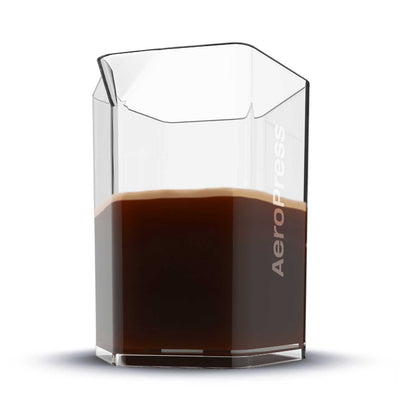
Glass offers visual appreciation of crema, while ceramic provides traditional aesthetic appeal. However, for daily driver reliability and thermal performance, stainless steel is increasingly the material of choice among enthusiasts building their permanent setups.
Alternative Espresso Cup Options

Flame Crystal Cut Glass Espresso Cup Handcrafted
$15.90
$27.00
Experience artisan craftsmanship with this flame-textured espresso cup featuring vacuum-plated color, anti-slip grip, and heat insulation in a lightweight plexiglass design. Learn more ➔

Ceramic Gradient Coffee Cup for Espresso Tasting
$22.90
$38.00
Engineered from high-temperature porcelain with a 59mm flared rim and hemispherical bottom that concentrates aromatics for the ultimate espresso tasting experience. Learn more ➔
The Flame Crystal Cut Glass Espresso Cup showcases artisan craftsmanship with vacuum-plated color and heat insulation, while the Ceramic Gradient Coffee Cup engineers aromatics through its 59mm flared rim and hemispherical bottom. Each serves specific purposes in a complete collection.
Expert Insights on Stainless Steel Espresso Equipment
Seeing quality metal espresso cups in action provides the clarity that specifications alone cannot deliver. This comprehensive review demonstrates the construction standards and features that distinguish professional-grade options:
What to Look for When Buying Your First Metal Espresso Cup
Ready to make the switch? Here's your purchasing checklist:
- Capacity matching: Verify the oz/ml rating matches your typical shot volume
- Wall construction: Confirm double-wall vacuum insulation, not just thick single walls
- Interior finish: Electro-polished surfaces resist staining and oil buildup
- Rim design: Thin walls at the rim improve mouthfeel and crema delivery
- Handle integration: Look for welded (not riveted) handles that won't trap moisture

This image illustrates what makes double-wall construction revolutionary—the exterior remains comfortable to hold while the interior maintains optimal espresso temperature. No more using napkins as insulators or burnt fingertips.
Cleaning and Maintaining Stainless Steel Espresso Cups
One advantage of metal espresso cup construction is simplified maintenance. Unlike ceramic's microporous glaze or glass's tendency toward hard water etching, quality stainless steel cleans thoroughly and resists odor retention.
Pro Tip: Rinse immediately after drinking to prevent coffee oil polymerization. For deep cleaning, use citric acid solution to dissolve any mineral deposits without damaging the finish.
Modern stainless steel cups are dishwasher safe, though hand washing preserves the exterior finish longer. Avoid abrasive scrubbers that might scratch the surface and create areas where oils could accumulate.

A styled home espresso station demonstrates how stainless steel cups integrate seamlessly with professional equipment. The material's industrial aesthetic complements chrome-finished machines and creates visual cohesion on the counter.
Making the Investment: Long-Term Value
When evaluating the $11-$40 price range that dominates quality stainless steel espresso cups, consider the total cost of ownership. A ceramic cup that breaks after 18 months of use costs significantly more than a durable espresso cup that lasts a decade.
More importantly, the peace of mind changes how you interact with your equipment. No more setting cups down gingerly on the counter. No more anxiety when the morning rush gets hectic. Your focus stays where it belongs: on the extraction, the aromatics, and the experience.
At Rethink Cafe, we've curated our stainless steel collection specifically for home baristas who take their craft seriously but refuse to compromise on practicality. Whether you're building your first dedicated espresso station or upgrading all your current vessels, the right stainless steel espresso cup will become your daily driver—the one you reach for every single morning.
Frequently Asked Questions about Stainless Steel Espresso Cups
Quality 304-grade stainless steel is flavor-neutral and does not affect espresso taste when properly manufactured. Medical-grade steel contains no reactive metals that leach into coffee. Preheat your cup first, as stainless steel conducts heat more efficiently than ceramic, which can cause rapid temperature drop if the vessel is cold.
Double-wall vacuum-insulated stainless steel cups keep espresso hot significantly longer than ceramic—typically 15+ minutes versus 3-5 minutes for traditional cups. The vacuum layer prevents heat transfer to the exterior, maintaining optimal drinking temperature while the outside stays cool to touch.
Single espresso cups should hold 2-2.5 ounces (60-75ml). Double espresso or lungo cups typically range 4-5 ounces (120-150ml). Proper sizing prevents excessive cooling from empty cup volume and maintains ideal crema concentration.
Double-wall cups with vacuum insulation significantly outperform single-wall construction for temperature retention. The vacuum layer eliminates heat transfer between the inner and outer walls, keeping coffee hot while the exterior stays room temperature. Single-wall stainless steel cools faster but offers lighter weight for travel use.
Rinse immediately after use to prevent coffee oil buildup. Most are dishwasher safe, though hand washing preserves the finish. For deposits, use citric acid solution or baking soda paste. Avoid abrasive scrubbers that could scratch the surface. Stainless steel naturally resists bacterial growth and doesn't absorb odors like porous materials.


