There's something magical about the slow, meditative ritual of brewing Vietnamese coffee. As a home barista, you've probably experienced the frustration of inconsistent extractions and muddy flavors that don't quite capture the bold, chocolatey essence of authentic cà phê. What if I told you that mastering pour over vietnamese coffee could transform your morning routine into a café-quality experience right in your kitchen?
This guide will walk you through everything you need to know—from traditional phin filter brewing techniques to modern pour over adaptations that honor Vietnamese coffee culture. Whether you're brewing for cà phê sữa đá (Vietnamese iced coffee) or enjoying it hot, understanding the fundamentals of Vietnamese coffee brewing will elevate your craft. Along the way, you'll discover how the right equipment from Rethink Cafe can help you achieve café-level precision every time.
What Is Vietnamese Pour Over Coffee?
Vietnamese pour over coffee refers to the traditional method of brewing using a phin filter—a small, perforated metal drip brewer that sits directly on top of your cup. Unlike Western pour over equipment like the V60 or Chemex, the phin operates with a gravity-driven system featuring a chamber, filter screen, and lid that work together to create a concentrated, espresso-like extraction.
The phin filter embodies the essence of pour over brewing: hot water passes through a bed of coffee grounds, extracting oils and aromatics through controlled contact time. What makes Vietnamese coffee distinct is the coarser grind typically used, the single-serving portions, and the often-sweetened condensed milk base that transforms the drink into something uniquely indulgent.
Can You Make Vietnamese Coffee in a Pour Over?
Yes, you absolutely can adapt Vietnamese coffee recipes for modern pour over equipment. While purists may insist on the phin for authenticity, skilled baristas have successfully replicated Vietnamese coffee's signature intensity using specialty pour over drippers.
The key differences lie in grind size and extraction time. Traditional phin filters produce a bolder, less acidic cup due to longer contact time and metal construction. When using ceramic or glass pour over devices, you'll need to adjust your grind slightly finer and extend bloom time to develop the deep, caramelized notes characteristic of Vietnamese coffee. Both methods reward patience and precision—the hallmarks of exceptional home brewing.
The Authentic Phin Filter Brewing Method
Mastering the traditional phin filter technique requires understanding the three-stage brewing process. Start by adding 2-3 tablespoons of medium-coarse Vietnamese coffee grounds to the chamber. A light tamp (not full compression) with the filter screen helps control water flow. Pour a small amount of hot water—just enough to wet the grounds—for a 30-second bloom phase that releases trapped CO2.
After blooming, fill the chamber with water near boiling (195-205°F), replace the lid, and wait. The beauty of phin brewing lies in its unhurried pace. The coffee will drip slowly, creating a concentrated extraction that takes approximately 4-6 minutes to complete. This patient process extracts the full-bodied, low-acidity profile that makes Vietnamese coffee so addictive.
Vietnamese Coffee Ratios and Brewing Time
Precision matters when brewing Vietnamese coffee. The traditional Vietnamese coffee ratio starts with coffee-to-water proportions that differ from standard pour over recipes:
- Phin filter: 1:2 to 1:3 ratio (20g coffee to 40-60ml water for concentrated extraction)
- Pour over adaptation: 1:10 to 1:12 ratio for drinking strength
- Condensed milk: 1-2 tablespoons per serving, adjust to taste
How long does Vietnamese coffee take to brew? Authentic phin filter brewing typically requires 4-6 minutes of total contact time. This extended extraction develops the intense, robust character that defines traditional Vietnamese coffee. If your phin drips faster (under 3 minutes), your grind is likely too coarse. If it takes longer than 7 minutes, you may need to loosen the filter screen or adjust to a slightly coarser grind.

Traditional vs. Modern Pour Over Approach
Adapting Vietnamese coffee for modern pour over equipment requires technique modifications. When using a pour over dripper, grind your beans slightly finer than for phin brewing—think medium-fine, similar to sea salt. The goal is to slow extraction while maintaining the bold body that defines Vietnamese coffee.
To pour a Vietnamese coffee using pour over equipment, begin with a precise bloom phase using twice your coffee's weight in water. Wait 45 seconds for complete degassing, then pour in slow, concentric circles, maintaining a consistent water level. Unlike typical pour over recipes that emphasize clarity and bright acidity, lean into longer extraction times of 3-4 minutes, allowing those deep, chocolate and caramel notes to fully develop.


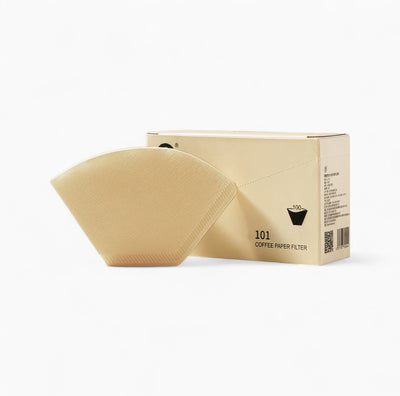

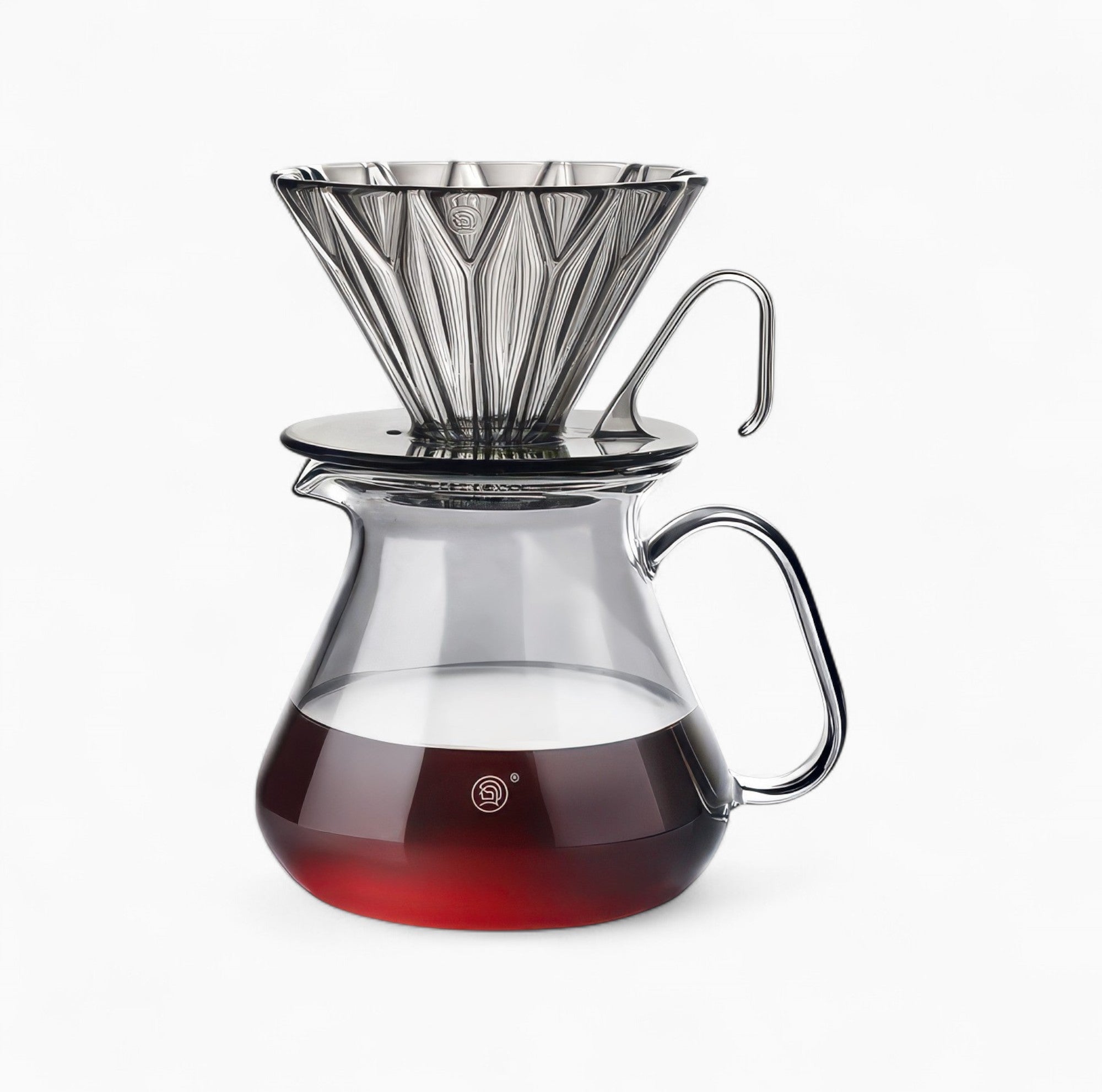
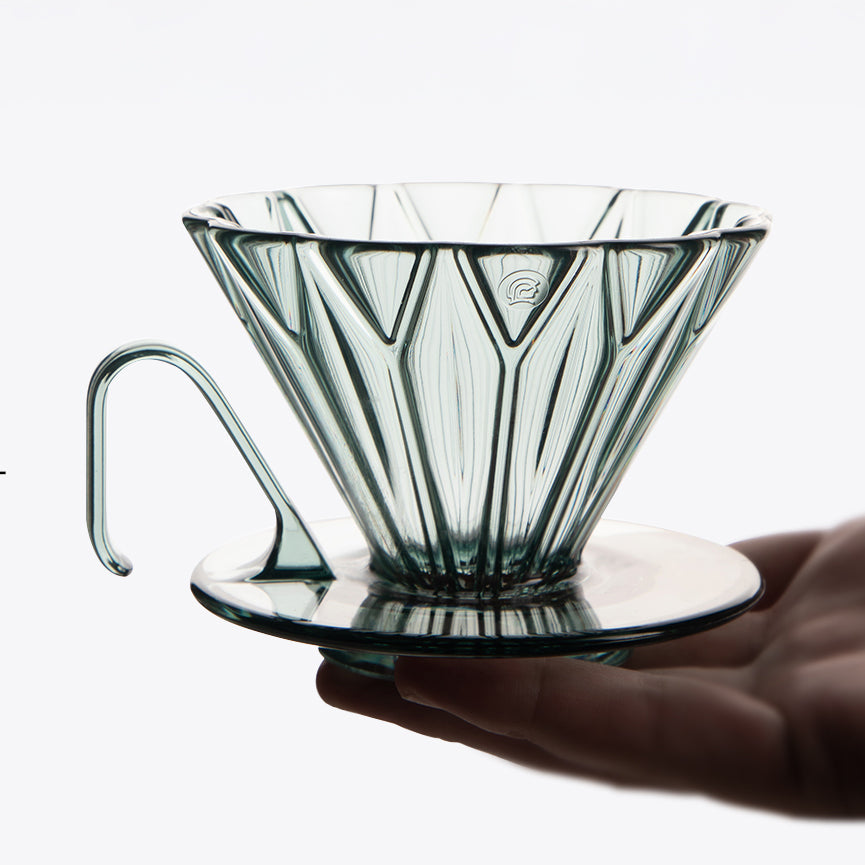
Diamond Pattern Pour Over Coffee Dripper Set
$19.90 $47.00
Brew Vietnamese coffee with precision using this diamond-pattern dripper featuring 24 W-shaped ridges for even extraction.
Explore ProductPrecision Tools for Perfect Vietnamese Coffee
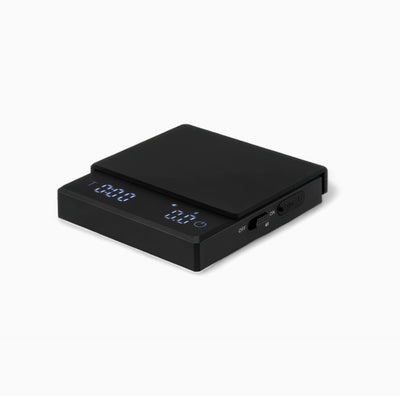
Consistency separates good home baristas from great ones. When brewing Vietnamese coffee—whether through traditional phin or modern pour over—a precision scale eliminates guesswork and ensures repeatable results. The ability to measure coffee and water accurately down to 0.1g transforms your brewing from art to science.
Brewing Equipment for Authentic Vietnamese Coffee

Black Warrior M2 Espresso Scale with Flow Detect
$57.90
$97.00
Achieve perfect Vietnamese coffee ratios with 0.1g accuracy and automatic flow detection for consistent brewing results. Learn more ➔

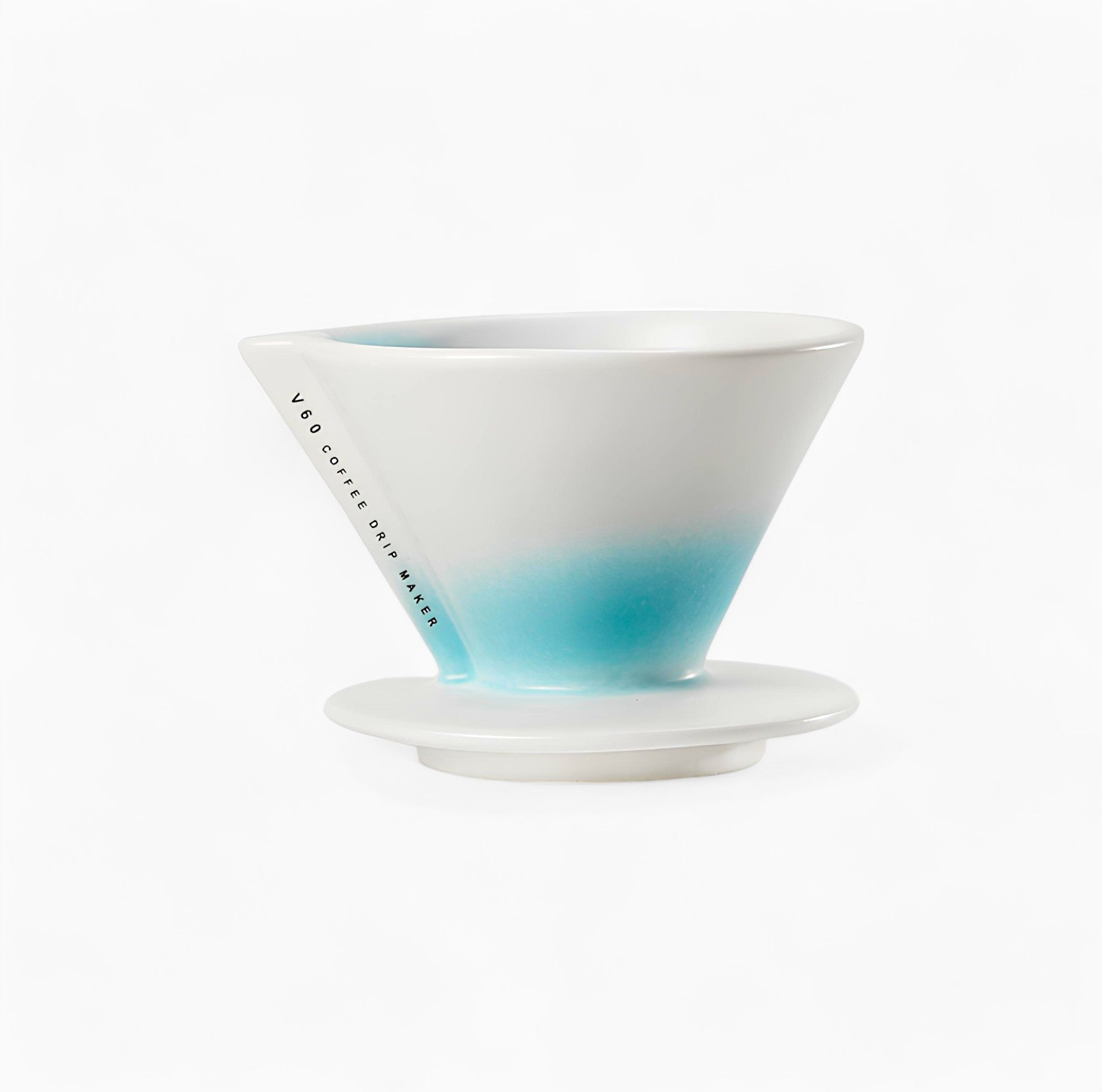
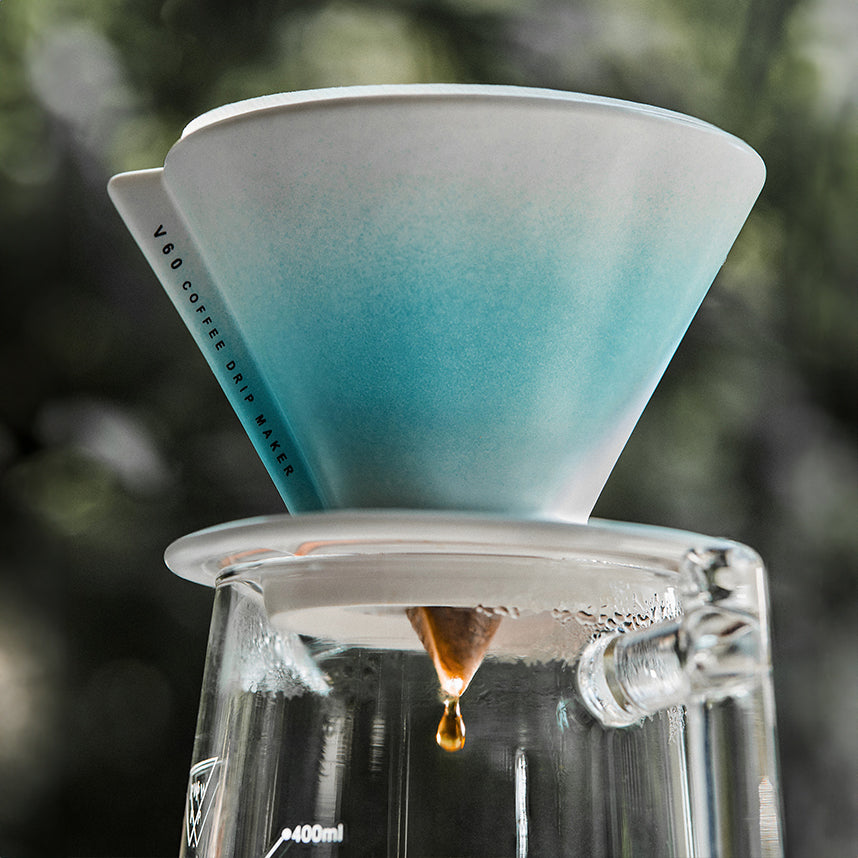
Ceramic V60 Pour Over Coffee Dripper and Server Set
$36.90
$50.00
Experience superior heat retention with this ceramic V60 dripper, ideal for brewing bold Vietnamese coffee at home. Learn more ➔
Visual Guide to Vietnamese Coffee Brewing
Understanding the flow and rhythm of Vietnamese coffee brewing comes with practice. This visual reference captures the essential elements of traditional phin brewing—from the condensed milk foundation to the slow drip extraction that creates cà phê sữa đá's signature layered appearance.

For more authentic brewing methods and specialty coffee equipment, explore our pour over collection designed for the modern home barista who appreciates traditional craftsmanship.
Conclusion
Mastering pour over vietnamese coffee connects you to a rich brewing tradition that values patience, precision, and pure coffee pleasure. Whether you choose the time-honored phin filter method or adapt Vietnamese coffee principles to your modern pour over setup, the keys remain consistent: quality beans, proper ratios, controlled extraction, and attention to detail.
At Rethink Cafe, we believe every home barista deserves tools that honor brewing traditions while delivering modern precision. From our diamond-pattern dripper sets engineered for even extraction to precision scales that eliminate guesswork, we've curated equipment that transforms your Vietnamese coffee journey. Visit our pour over equipment collection and discover why thousands of coffee enthusiasts trust Rethink Cafe for their daily brewing ritual.
Frequently Asked Questions about Pour Over Vietnamese Coffee
Yes, you can make Vietnamese coffee in a pour over dripper. While the traditional phin filter produces the most authentic results, modern pour over equipment like V60 or ceramic drippers can replicate Vietnamese coffee's bold character. Adjust your grind to medium-fine and extend extraction time to 3-4 minutes. The key differences are using a finer grind and longer brew time than typical pour over methods to achieve the concentrated, low-acidity profile Vietnamese coffee is known for.
Vietnamese pour over coffee refers to two brewing approaches: the traditional phin filter method and modern pour over adaptations using equipment like V60 or Chemex. The traditional method uses a small metal phin filter that sits directly on the cup, producing a concentrated extraction similar to espresso. These methods create bold, intense coffee often served with sweetened condensed milk as cà phê sữa đá (iced) or cà phê sữa nóng (hot).
When using a phin filter, pour just enough hot water (195-205°F) to wet the grounds for a 30-second bloom. Then fill the chamber completely with water and replace the lid. The coffee will drip slowly through the filter into your cup. For pour over methods, bloom with double the coffee's weight in water for 45 seconds, then pour in slow, concentric circles maintaining a steady water level. Both methods require patience—the slow extraction is essential for developing Vietnamese coffee's signature bold flavor.
Traditional phin filter brewing uses a concentrated ratio of 1:2 to 1:3 (20g coffee to 40-60ml water). This creates an espresso-like intensity that pairs perfectly with condensed milk. For pour over adaptations of Vietnamese coffee, use a 1:10 to 1:12 ratio to achieve drinking strength. The ratio also depends on whether you're making cà phê đen (black coffee) or cà phê sữa (with milk)—the condensed milk adds volume and sweetness, so the concentrated extraction balances the final drink.
Traditional phin filter brewing takes 4-6 minutes to complete. This extended contact time extracts the deep, chocolatey, low-acidity flavors that define Vietnamese coffee. The slow drip is intentional—rushing the process results in under-extracted, weak coffee. For pour over adaptations targeting Vietnamese-style results, aim for 3-4 minute total brew time. If your phin drips faster than 3 minutes, your grind is too coarse; longer than 7 minutes suggests the grind is too fine or the filter screen needs adjustment.