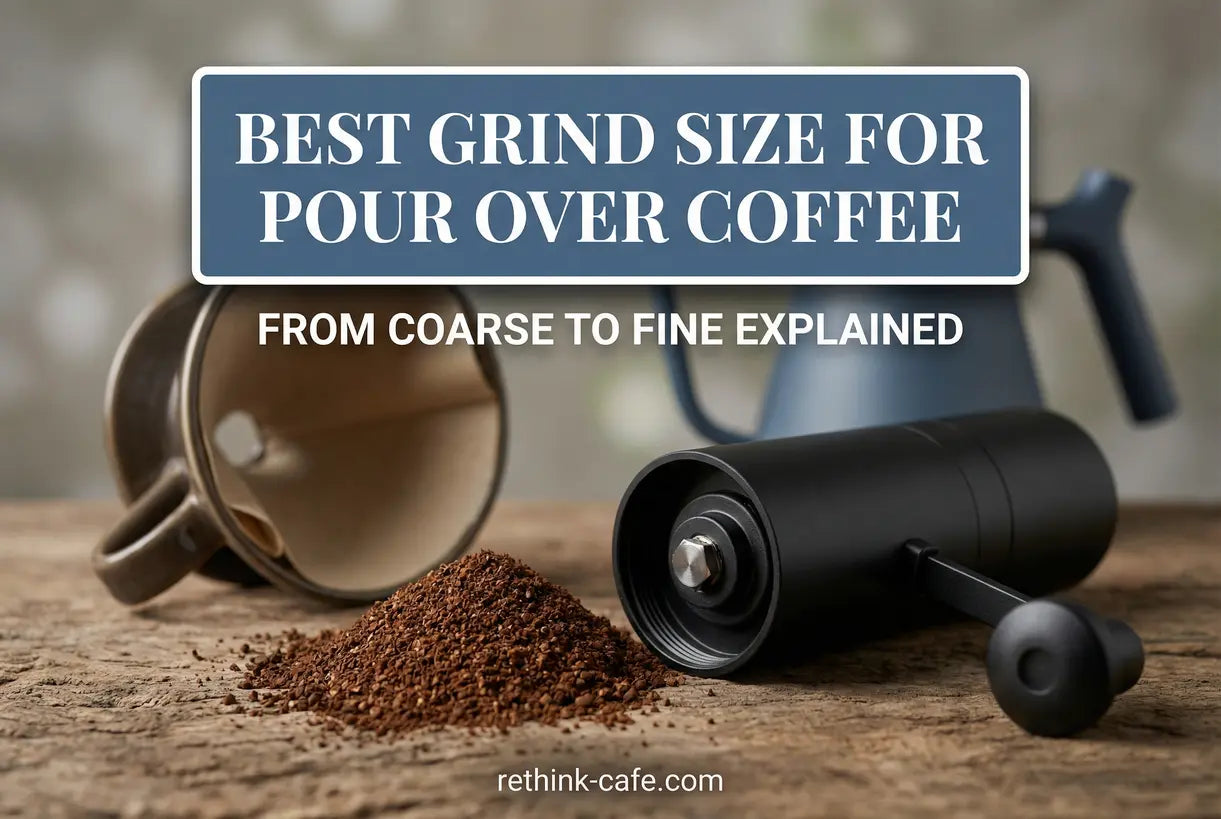
If you've ever brewed a pour over only to sip a cup that's either sour and weak or bitter and hollow, the culprit is almost certainly your coffee grind for pour over. As home baristas quickly discover, this brewing method is beautiful in its simplicity but punishing in its precision. Get the grind size right, and you'll unlock the nuanced floral and fruity notes hiding in your specialty beans. Get it wrong, and you'll wonder why everyone raves about this method.
In this guide, we'll break down exactly where your grind should fall on the spectrum from coarse to fine, how different pour over devices demand specific adjustments, and what visual cues to look for when dialing in your burr grinder. By the end, you'll understand why grind size reigns supreme in the pour over kingdom—and how to master it.
Why Grind Size Matters More Than Anything Else
Pour over brewing relies on gravity and time. Water flows through your coffee grounds, extracting soluble compounds along the way. The surface area of those grounds determines how quickly and completely this extraction happens.
- Too fine a grind exposes too much surface area, causing water to flow too slowly and over-extract your coffee. The result? Bitterness, astringency, and muddled flavors.
- Too coarse a grind limits surface area, causing water to race through and under-extract. The result? Sourness, saltiness, and hollow body.
The sweet spot lives between these extremes. For most pour over methods, you're looking for a medium to medium-fine grind—think the texture of sea salt or rough sand.
The 15-15-15 Rule: One popular guideline suggests using 15 grams of coffee, ground medium-fine, with 250ml of water at 15 seconds off the boil (approximately 200°F / 93°C). While not universal, it's an excellent starting point for beginners dialing in pour over recipes.
The Ideal Grind Size Range: Visual References
Grind settings vary dramatically between grinders, so forget the numbers on your dial momentarily. Instead, use these tangible comparisons to eyeball your pour over grind size:
| Sea Salt | Medium grind | Ideal for Chemex and flat-bottom drippers like Kalita Wave |
| Rough Sand | Medium-fine grind | Perfect for standard cone drippers and V60 |
| Table Salt | Fine grind | Too fine for most pour over—use for espresso instead |
| Kosher Salt | Coarse grind | Too coarse for pour over—better suited for French press |
When you rub the grounds between your fingers, they should feel gritty with distinct particles—not powdery like flour, nor chunky like gravel.
Device-Specific Grind Size Recommendations
Not all pour over brewers are created equal. Each device has unique geometry and flow characteristics that demand subtle grind adjustments.
V60 Pour Over: Medium-Fine Grind
The Hario V60 features a large single opening at the bottom and spiral ribs that promote fast drainage. This design requires a medium-fine grind—slightly finer than sea salt. The smaller particles slow the flow just enough to extract properly without creating a muddy cup. What grind size is best for V60 pour over? Think rough sand that clumps slightly when pinched.

Chemex: Medium-Coarse Grind
The Chemex uses thick bonded filters that already restrict flow. Combined with its hourglass shape, this means water moves slower through the bed. A medium-coarse grind (like coarse sea salt) prevents over-extraction while allowing the clean, tea-like body Chemex is famous for.
Kalita Wave: Medium Grind
The three small holes in the Wave's flat bottom create more resistance than a V60 but less than a Chemex. A balanced medium grind works best here—consistent sea salt texture that extracts evenly across the flat bed.
Calibrating Your Grinder for Consistency
Achieving the perfect grind setting for pour over requires more than knowing the target texture. You need repeatability. Here's how to dial in your grinder properly:
- Start with a baseline: Set your grinder to the manufacturer's recommendation for pour over (often marked on the dial).
- Brew a test cup: Use a standard ratio like 1:16 (1 gram coffee to 16 grams water) and time your brew.
- Check your total brew time: Most pour overs should finish between 2:30 and 3:30 minutes.
- Taste and adjust: If your cup tastes sour and thin, grind finer. If it tastes bitter and harsh, grind coarser.
- Mark your setting: Once dialed in, note the exact position for future reference.

Freshly ground coffee is non-negotiable for pour over. Pre-ground coffee goes stale within minutes of grinding, losing volatile aromatics that define pour over's clarity. If you're asking "can you use any ground coffee for pour over," the technical answer is yes—but for exceptional results, grind fresh just before brewing.

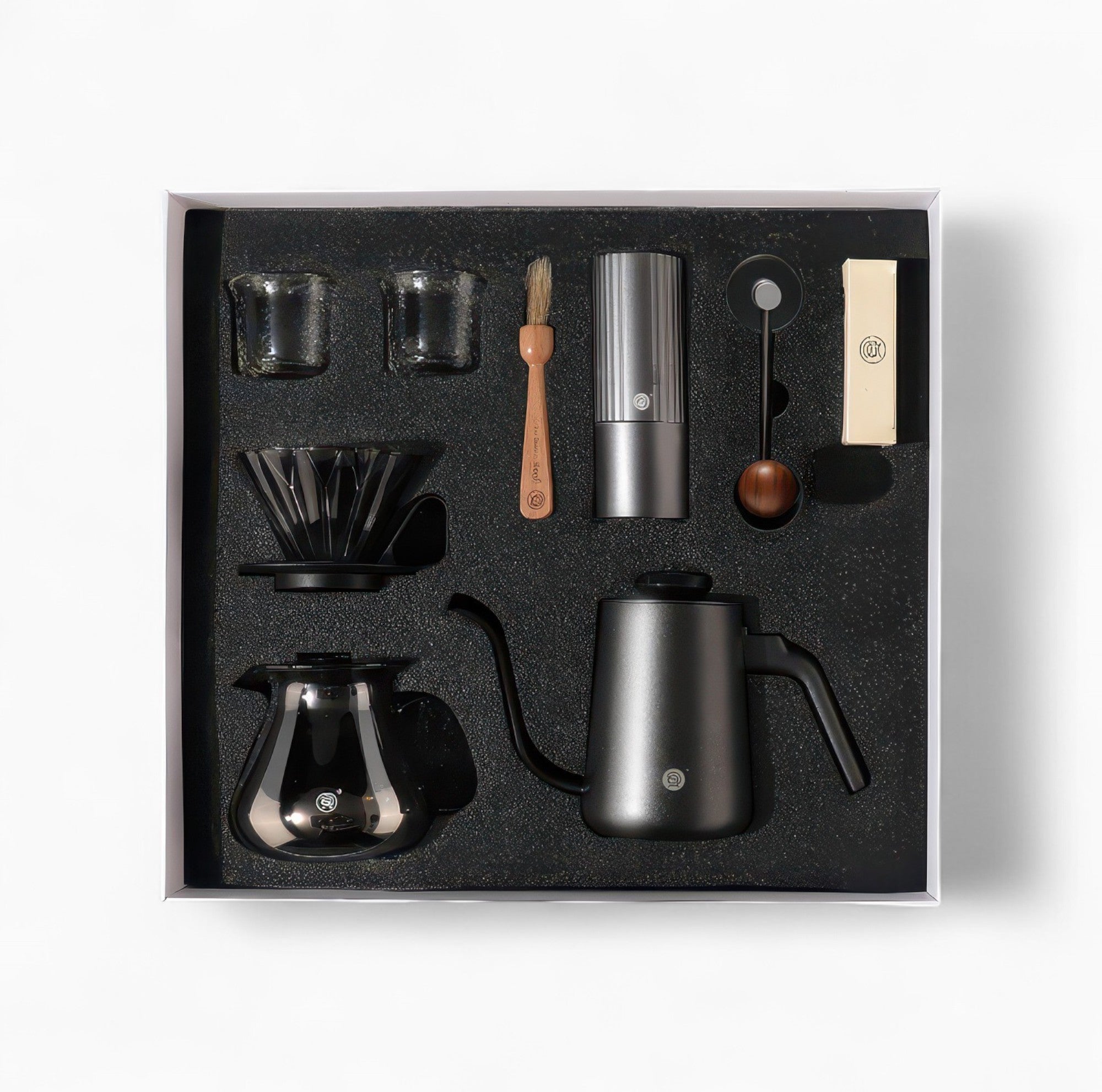
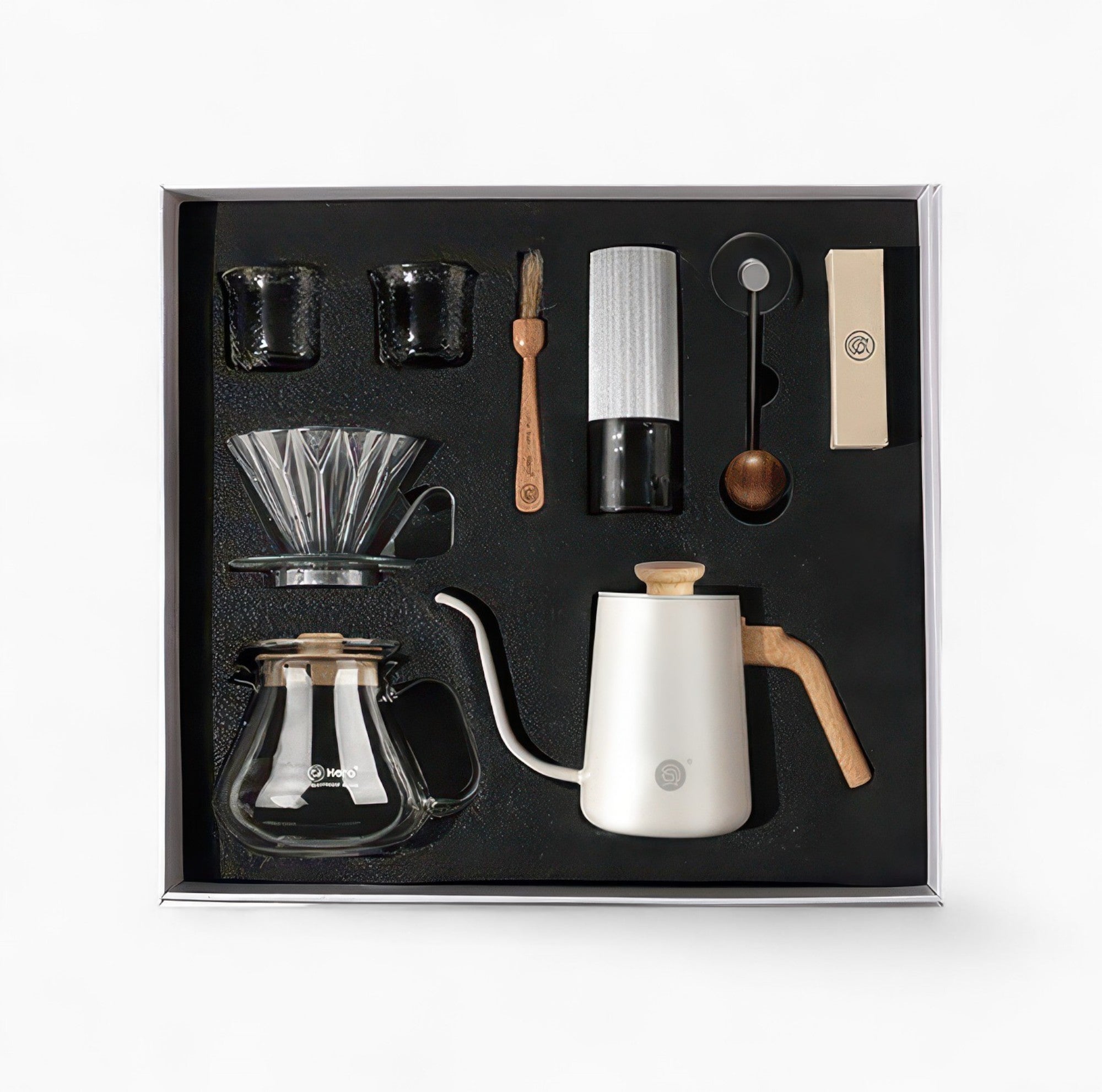
Complete Pour Over Coffee Kit with Grinder and Kettle
$235.90 $360.00
Everything you need to master pour over brewing at home with precision grinding and temperature-controlled pouring for exceptional results.
Explore ProductTroubleshooting: When Your Grind Isn't Right
Even experienced baristas encounter extraction issues. Here's how to diagnose and fix grind-related problems:
What If My Coffee Grind Is Too Fine for Pour Over?
An overly fine grind creates several telltale signs. Your brew time will exceed 4 minutes. The water may stall or pool on top of the grounds. Your cup will taste bitter, dry, and astringent—like over-steeped tea. The fine particles also increase the likelihood of silty sediment in your cup.
Solution: Adjust your grinder two to three notches coarser and brew again. Check that your grinder burrs are clean and properly aligned.
Is Coarse Grind Better for Pour Over?
While some methods like French press require coarse grinds, pour over generally suffers from grounds that are too coarse. You'll experience brew times under 2 minutes, acidic and sour flavors, and a watery body lacking sweetness. Is coarse grind better for pour over? Only if you're using a device specifically designed for it, like some batch brewers.
Solution: Gradually tighten your grind until you achieve the target texture and brew time.

Watch: Mastering Grind Size for V60 Pour Over
Visual learners will benefit from seeing grind size adjustments in action. This video demonstrates exactly how small changes affect extraction and flavor:
The Complete Pour Over Setup
Mastering grind size is essential, but exceptional pour over coffee requires the right supporting tools. Consistent water temperature, precise pouring control, and quality filters all contribute to the final cup. The Complete Pour Over Coffee Kit with Grinder and Kettle from Rethink Cafe provides everything serious home baristas need, from adjustable burr grinding to temperature-controlled pouring.

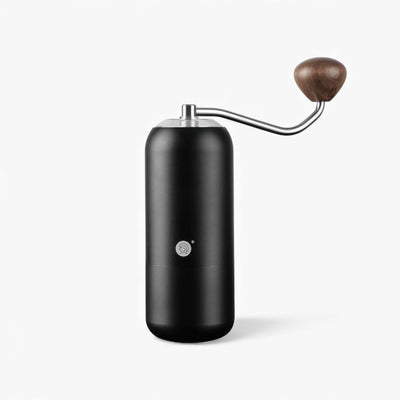
A quality grinder enables experimentation. Once you understand your baseline best grind for pour over, you can make micro-adjustments to highlight different flavor notes in your beans. Lighter roasts often benefit from slightly finer grinds to extract their delicate acidity, while darker roasts may prefer coarser settings to avoid over-extraction and excessive bitterness.
Essential Pour Over Accessories

Stainless Steel Gooseneck Kettle for Pour Over Coffee
$79.90
$150.00
Precision gooseneck spout delivers the controlled, steady stream essential for even saturation during blooming and optimal flavor extraction. Learn more ➔

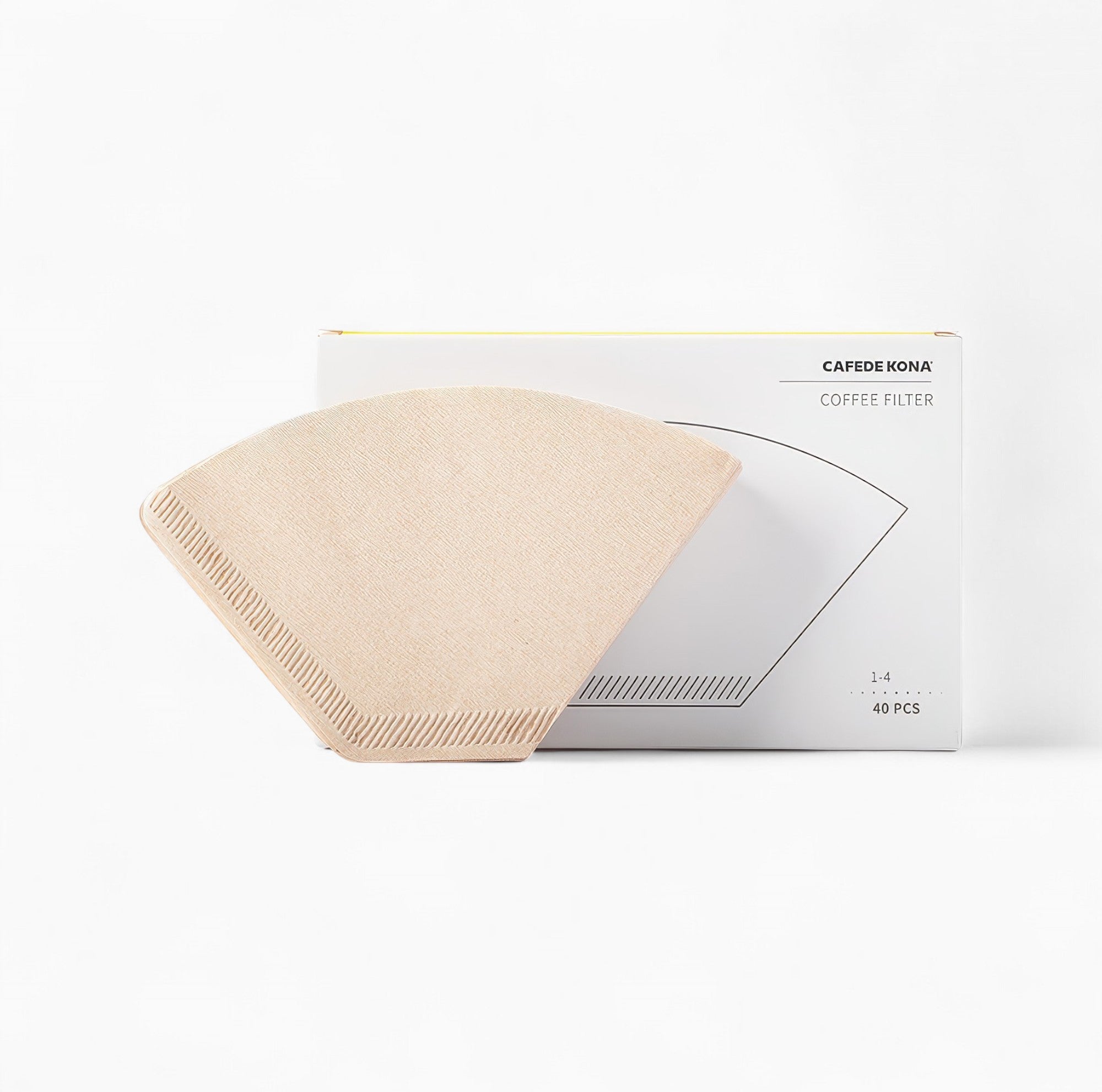
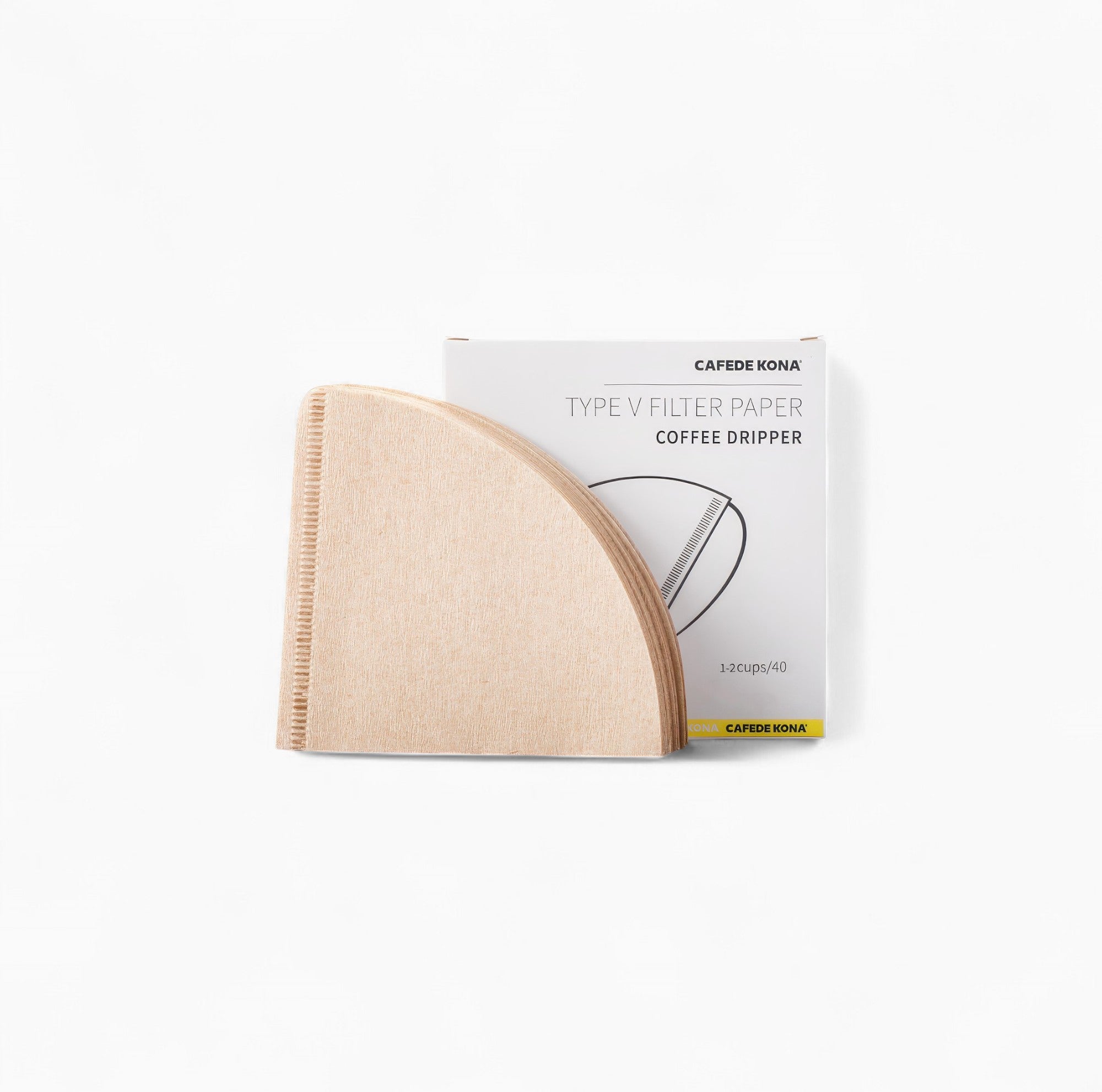
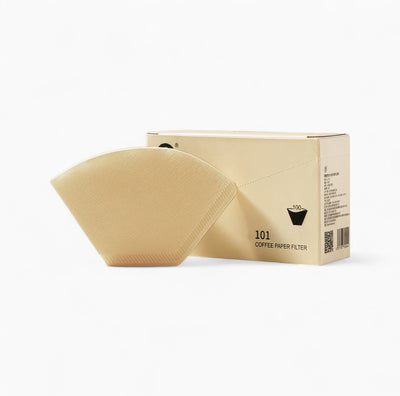
V60 Pour Over Coffee Filter Papers Chemical-Free
$12.90
$22.00
Chemical-free natural wood pulp filters deliver clean extraction without unwanted flavors, available in multiple sizes for your brewing needs. Learn more ➔
For optimal pour control, a Stainless Steel Gooseneck Kettle for Pour Over Coffee delivers the steady, controlled stream necessary for even blooming and saturation. Pair it with V60 Pour Over Coffee Filter Papers Chemical-Free to ensure clean extraction without paper taste interference.
Conclusion: Your Path to Pour Over Perfection
The journey to exceptional pour over coffee begins and ends with grind size. By targeting a medium to medium-fine grind—comparable to sea salt or rough sand—you establish the foundation for balanced extraction. From there, micro-adjustments based on your specific device, bean characteristics, and personal taste preferences allow you to dial in your perfect cup.
Remember that consistency matters as much as accuracy. The best grind in the world means nothing if you can't reproduce it tomorrow. Invest in quality equipment, maintain your grinder, and keep detailed notes on your settings.
At Rethink Cafe, we understand that great coffee happens at the intersection of knowledge and tools. Whether you're upgrading your grinder, adding a precise-pouring kettle, or building your complete home coffee station, we're here to support your brewing journey with equipment designed for enthusiasts who refuse to compromise.
Frequently Asked Questions about Pour Over Coffee Grind
The 15-15-15 rule is a simple guideline for pour over beginners: use 15 grams of coffee, with a brew time of approximately 2-3 minutes, using water around 200°F (just off boiling). While the numbers vary slightly between versions, the core principle is using coffee-to-water ratios of about 1:15 to 1:16, which provides a balanced strength for most palates.
Technically yes, but you'll get the best results with coffee ground specifically for pour over—medium to medium-fine. Pre-ground coffee from the grocery store is often too fine or inconsistent for optimal pour over extraction. Additionally, coffee begins losing volatile aromatics within minutes of grinding, so freshly ground beans will always produce superior flavor and complexity compared to pre-ground options.
No, coarse grind is generally too coarse for most pour over methods. While Chemex can use medium-coarse, and French press uses coarse, typical pour over drippers like V60 and Kalita Wave perform best with medium to medium-fine grinds. A coarse grind in pour over typically results in under-extracted coffee that's sour, weak, and lacks body and sweetness.
If your grind is too fine, you'll notice several issues: extended brew times over 4 minutes, water pooling or stalling on the coffee bed, and a bitter, astringent taste in the final cup. You may also see excessive sediment at the bottom of your cup. To fix this, adjust your grinder 2-3 notches coarser toward a texture more like rough sand than powder.
The Hario V60 performs best with a medium-fine grind, similar to rough sand or slightly finer than sea salt. This grind size slows the rapid drainage of the V60's design just enough to achieve proper extraction without creating a muddy cup. Your V60 brew should complete in approximately 2:30 to 3:00 minutes with this grind setting.