When you think of the world's finest coffees, Mexico might not be the first origin that comes to mind—but it absolutely should be. Mexican coffee beans have quietly earned their place among specialty coffee enthusiasts, offering exceptional quality, distinctive flavor profiles, and incredible value. From the misty highlands of Chiapas to the cloud forests of Oaxaca, Mexico produces arabica beans that rival the best offerings from Central and South America.
Whether you're a pour over purist or an espresso enthusiast, understanding what makes Mexican coffee special will transform your morning ritual. In this comprehensive guide, we'll explore the major growing regions, decode the unique flavor notes, and share brewing techniques that bring out the best in these beans. Plus, we'll show you the essential equipment from Rethink Cafe that helps you extract every nuanced note from your Mexican single-origin beans.

Where Are Mexican Coffee Beans Grown?
Mexico ranks among the world's top coffee producers, with cultivation concentrated in three primary regions, each contributing unique characteristics to their beans. The country's coffee belt stretches across the southern states, where altitude, climate, and volcanic soil create ideal conditions for growing high-quality arabica.
Chiapas Coffee Region
Chiapas stands as Mexico's premier coffee-producing state, accounting for the majority of the country's specialty coffee exports. Bordering Guatemala, this region shares the same soil composition and microclimate that produces the famous Guatemalan Huehuetenango beans. Chiapas coffee typically grows at elevations between 1,300 and 1,700 meters above sea level.
Coffee from Chiapas is renowned for its bright acidity, medium body, and complex flavor profile featuring notes of cocoa, nuts, and subtle citrus. The volcanic soil enriches the beans with minerals that translate into a clean, crisp cup with remarkable sweetness.
Chiapas produces approximately 40% of Mexico's total coffee output, making it the heart of the country's specialty coffee industry.
Oaxaca Coffee Region
Oaxaca represents Mexico's most diverse and traditional coffee-growing region. Here, smallholder farmers often practice shade-grown cultivation at altitudes reaching 1,800 meters. The region's unique cloud forest environment creates slow-maturing cherries that develop intense, complex flavors.
Oaxaca coffee is celebrated for its distinctive tasting notes of dark chocolate, caramel, and roasted almonds, often accompanied by hints of fruit and wine-like acidity. The traditional processing methods used by many Oaxacan farmers contribute to the beans' unique character and depth.
Veracruz Coffee Region
Veracruz coffee often flies under the radar compared to Chiapas and Oaxaca, but this Gulf Coast region produces excellent high-grown arabica with its own distinct personality. Grown on the slopes of the Sierra Madre Oriental, Veracruz coffees tend toward lighter, brighter profiles with floral and citrus notes.
What Do Mexican Coffee Beans Taste Like?
The flavor profile of Mexican coffee beans varies significantly by region, but certain characteristics unite them as a distinctly Mexican offering. Generally, you can expect a mild, approachable cup with medium acidity and a smooth body that makes these beans perfect for both black coffee drinkers and those who prefer milk-based preparations.
Signature Flavor Notes
When you brew a quality Mexican single-origin, look for these predominant tasting notes:
- Chocolate and Cocoa: Almost universally present, ranging from milk chocolate sweetness to deep, dark cocoa bitterness depending on roast level
- Nuts and Caramel: Almond, hazelnut, and peanut notes often appear alongside buttery caramel sweetness
- Mild Citrus: Subtle lemon or orange acidity provides brightness without overwhelming the palate
- Spice Undertones: Some Oaxacan varieties exhibit cinnamon or nutmeg characteristics

The Role of Altitude and Processing
Mexican coffee's flavor complexity stems largely from cultivation practices. Most specialty-grade beans grow above 1,200 meters, where cooler temperatures slow cherry development and concentrate sugars. Additionally, many Mexican farmers employ washed processing methods that produce clean, bright cups that showcase the bean's inherent characteristics rather than fermentation-derived fruitiness.
Are Mexican Coffee Beans Good for Espresso?
Absolutely. Mexican coffee beans excel as espresso because of their balanced acidity and rich chocolate-nut flavor foundation. The medium body of most Mexican arabica creates a smooth, velvety espresso shot that works beautifully as both a straight shot and in milk drinks.
For espresso preparation, look for medium to medium-dark roasts from Chiapas or Oaxaca. These develop the chocolate notes while maintaining enough brightness to cut through milk in cappuccinos and lattes. The natural sweetness of Mexican beans also reduces the need for added sugar in milk-based espresso drinks.
For optimal extraction, ensuring your beans are properly prepared before grinding is essential. The Electric Anti-Static Bean Sprayer from Rethink Cafe eliminates static cling and ensures consistent dosing—crucial factors when dialing in the perfect espresso shot.
What Are the Best Mexican Coffee Brands?
The Mexican specialty coffee market has exploded in recent years, with both local Mexican brands and international roasters offering exceptional single-origin options. When shopping for Mexican coffee beans, prioritize roasters who provide:
- Specific regional information (Chiapas, Oaxaca, or Veracruz)
- Altitude specifications
- Harvest dates (look for beans harvested within the past year)
- Processing method details
- Direct trade or fair trade certifications
Look for reputable specialty roasters that source directly from Mexican cooperatives. These relationships ensure farmers receive fair compensation while you get the freshest possible beans. Many top Mexican coffee brands now offer subscription services, delivering freshly roasted beans that showcase the seasonal nuances of each harvest.
How Do You Brew Mexican Coffee Beans?
To truly appreciate the nuanced flavors of Mexican coffee beans, proper brewing technique is essential. These beans respond beautifully to pour over methods, which highlight their clarity and delicate sweetness.
Pour Over Mastery
The pour over method is perhaps the best way to experience Mexican coffee's full range of flavors. The slow, controlled extraction process emphasizes the beans' natural sweetness and allows the subtle cocoa and nut notes to shine through.
Start with a medium grind size and water just off boil (around 200°F). For Mexican beans, aim for a 1:16 coffee-to-water ratio to start, adjusting to taste. Patience is key—allow the bloom phase to complete fully (about 45 seconds) to release trapped CO2 and prepare the grounds for proper extraction.

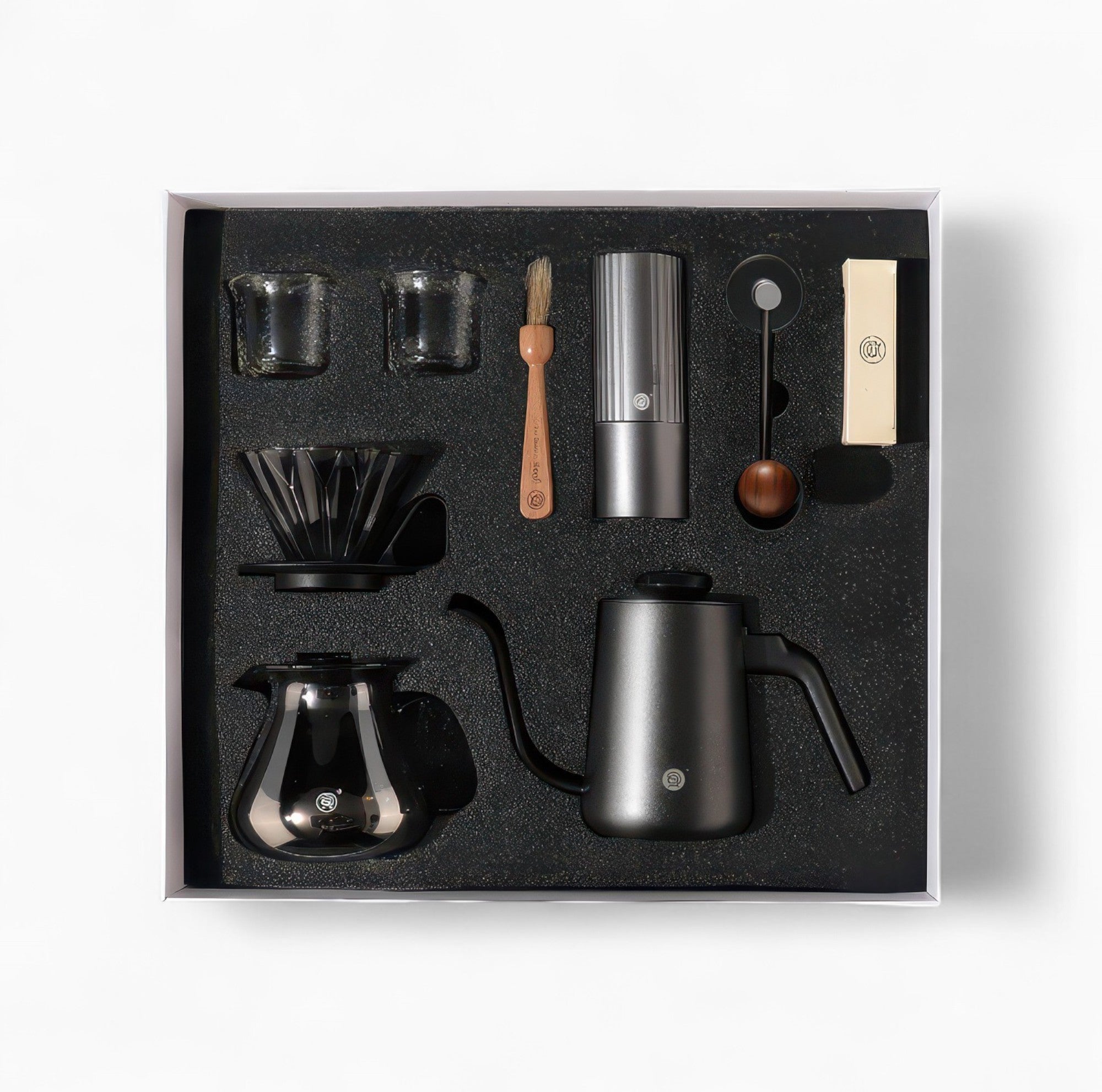
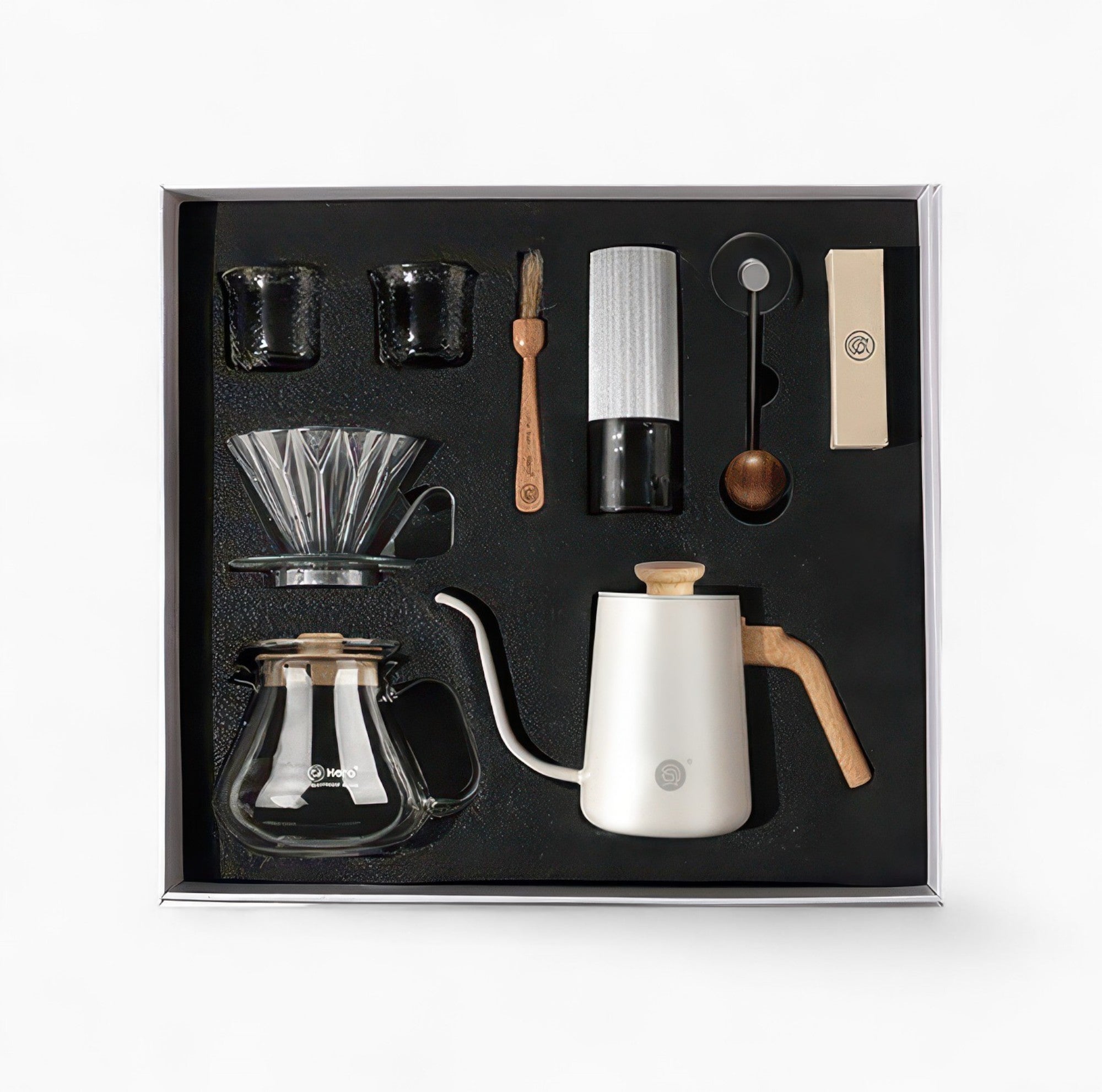
Complete Pour Over Coffee Kit with Grinder and Kettle
$235.90 $360.00
Unlock the full potential of Mexican coffee beans with this premium pour over kit featuring a precision grinder and temperature-controlled kettle.
Explore ProductThe Complete Pour Over Coffee Kit with Grinder and Kettle provides everything you need to unlock these flavors at home. With a precision grinder that ensures consistent particle size and a kettle designed for optimal pour control, this kit eliminates the variables that often lead to disappointing cups.
Temperature Control for Extraction
Water temperature significantly impacts the extraction of Mexican coffee's delicate flavor compounds. Too hot, and you'll scorch the subtle citrus notes; too cool, and you'll under-extract, leaving the cup tasting flat and sour.
For lighter roasts from Veracruz or high-altitude Oaxaca, use water around 205°F to fully develop the aromatic compounds. For darker roasts, slightly cooler water (195-200°F) prevents over-extraction of bitter compounds while still pulling out the rich chocolate sweetness.

Investing in a quality Gooseneck Electric Kettle with Temperature Control allows for the precise temperature management that Mexican beans require to shine.
Essential Brewing Equipment for Mexican Coffee

Gooseneck Electric Kettle with Temperature Control
$138.90
$255.00
Achieve perfect extraction every time with precise temperature control ideal for highlighting the delicate flavor notes of Mexican single-origin beans. Learn more ➔

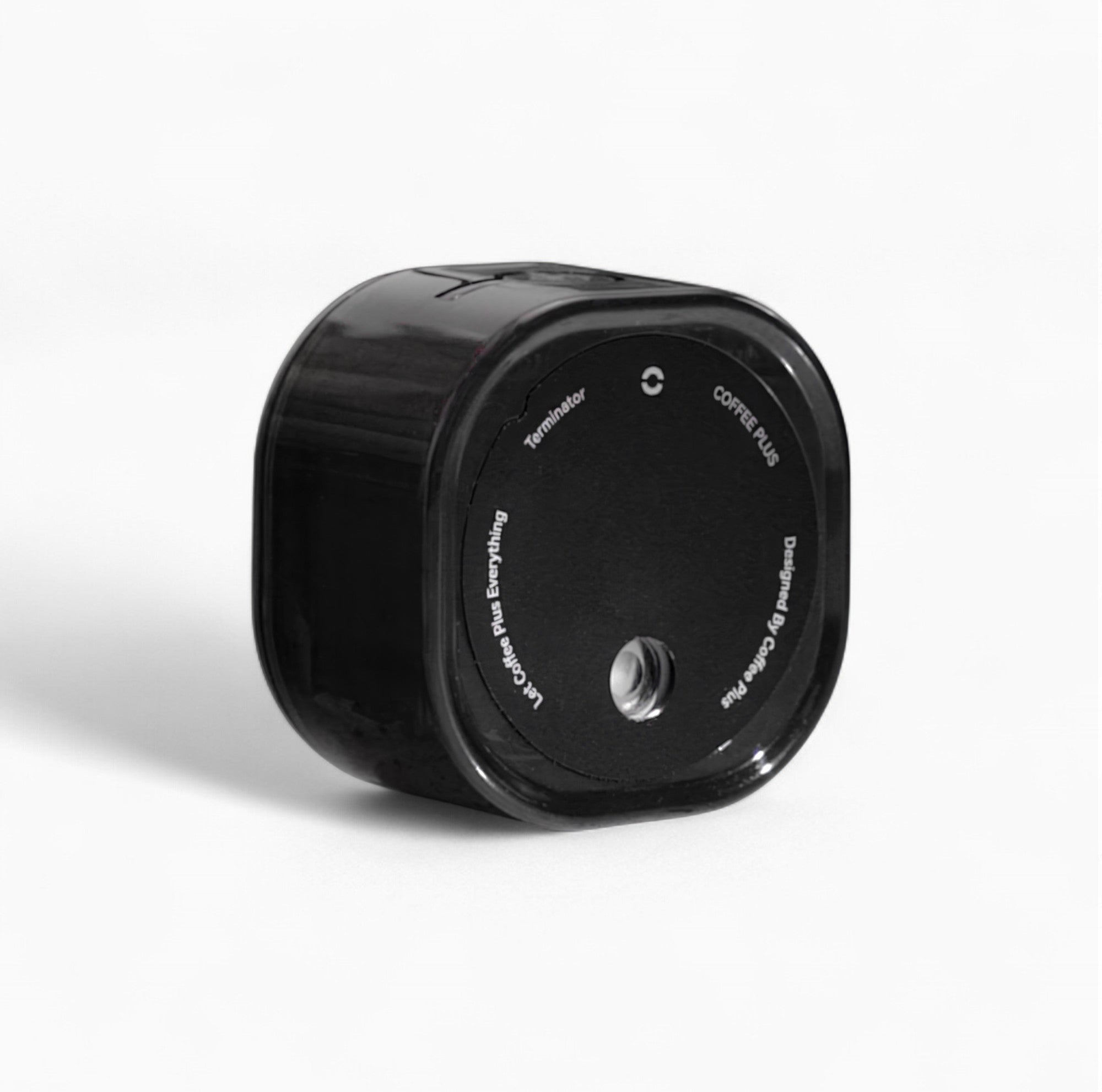
Electric Anti-Static Bean Sprayer for Espresso
$25.90
$87.00
Prepare your Mexican coffee beans for grinding with this anti-static sprayer that ensures consistent dosing and minimal retention. Learn more ➔
Storing Your Mexican Coffee Beans
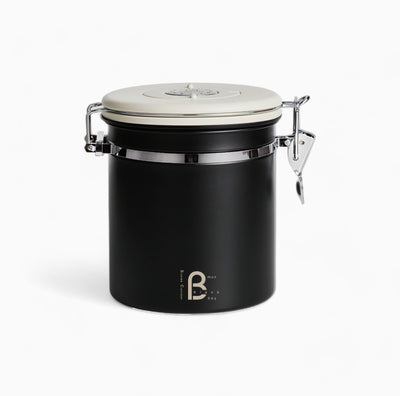
To preserve the delicate flavors of Mexican coffee beans, proper storage is crucial. These beans, with their moderate oil content and subtle acidity, are susceptible to oxidation and moisture damage. Store whole beans in an airtight container away from light, heat, and moisture. Avoid freezing or refrigerating your beans, as temperature fluctuations cause condensation that degrades flavor.
Ideally, purchase beans in quantities you'll use within 2-4 weeks of roasting. Mexican specialty coffee often showcases its best characteristics between 7-21 days post-roast, when the beans have degassed sufficiently but haven't begun to stale.
Conclusion: Discovering Your Perfect Mexican Cup
Mexican coffee beans offer an accessible entry point into specialty coffee, combining approachable flavor profiles with genuine complexity. Whether you're drawn to the chocolate depths of Oaxaca, the bright elegance of Chiapas, or the floral notes of Veracruz, there's a Mexican single-origin waiting to become your new favorite.
Remember, exceptional coffee requires exceptional preparation. The difference between a good cup and an extraordinary one often comes down to your equipment. From precise temperature control to proper bean preparation, having the right tools transforms your daily brewing routine into a craft worthy of these remarkable beans.
At Rethink Cafe, we're committed to helping home baristas discover the full potential of exceptional coffee origins like Mexico. Our curated selection of pour over equipment, precision kettles, and specialty grinders ensures you have everything needed to honor the hard work of Mexican coffee farmers in every cup you brew.
Frequently Asked Questions about Mexican Coffee Beans
Mexican coffee beans typically offer a mild, approachable flavor profile characterized by chocolate and cocoa notes, nutty undertones (often almond or hazelnut), and subtle caramel sweetness. Depending on the region, you may also detect mild citrus acidity or spice notes. Chiapas beans tend toward bright, clean profiles with fruity acidity, while Oaxaca coffees often present deeper chocolate and roasted nut characteristics.
Mexican coffee beans grow primarily in three southern regions: Chiapas (the largest producer bordering Guatemala, known for high-altitude arabica), Oaxaca (famous for traditional shade-grown cultivation in cloud forests), and Veracruz (producing lighter, brighter coffees on the Gulf Coast). These regions feature volcanic soil, tropical highland climates, and elevations between 1,300-1,800 meters—ideal conditions for specialty arabica cultivation.
Yes, Mexican coffee beans are excellent for espresso. Their balanced acidity, medium body, and rich chocolate-nut flavor foundation create smooth, velvety espresso shots that work well both straight and in milk-based drinks. Medium to medium-dark roasts from Chiapas or Oaxaca are particularly well-suited, offering enough brightness to cut through milk while providing the sweetness and depth espresso drinkers crave.
The best Mexican coffee brands source directly from specific regions and provide detailed information about altitude, harvest dates, and processing methods. Look for roasters offering single-origin Chiapas, Oaxaca, or Veracruz beans with direct trade or fair trade certifications. Quality Mexican specialty coffee often comes from cooperatives that support smallholder farmers practicing traditional shade-grown cultivation methods.
Mexican coffee beans excel with pour over methods that highlight their clarity and sweetness. Use a 1:16 coffee-to-water ratio with water heated to 200°F (adjusting slightly lighter or darker based on roast level). Allow a full 45-second bloom phase to release CO2. Pour over equipment with precise temperature control and consistent grind size helps extract the nuanced chocolate, nut, and citrus notes these beans are known for.