Choosing between a manual coffee grinder vs electric can feel overwhelming, especially when you're trying to elevate your home brewing game. Whether you're a pour-over perfectionist or an espresso enthusiast, the grinder you select directly impacts the flavor, consistency, and overall quality of every cup you brew.
At Rethink Cafe, we understand that every home barista has unique needs. Some crave the meditative ritual of hand grinding, while others prioritize speed and convenience. This comprehensive guide will help you understand the automatic vs manual coffee grinder debate from every angle—comparing grind quality, noise levels, price points, and real-world usability—so you can make an informed decision that transforms your daily coffee ritual.
The Manual Coffee Grinder Experience
There's something undeniably satisfying about the tactile connection of a hand grinder vs electric espresso preparation. Manual coffee grinders have experienced a remarkable renaissance among specialty coffee enthusiasts, and for good reason.
The Ritual and Connection
Hand grinding transforms coffee preparation from a mundane task into a mindful ritual. The rhythmic turning of the handle, the gentle crunch of beans being crushed between precision burrs, and the anticipation of brewing create a sensory experience that electric grinders simply cannot replicate. For many home baristas, this 2-3 minute morning ritual becomes a cherished moment of calm before the day begins.
Grind Quality at an Accessible Price
Perhaps the most compelling argument in the which is better manual or electric coffee grinder debate is price-to-performance ratio. Manual grinders consistently deliver exceptional grind consistency at price points where electric grinders would struggle to compete. A $150 manual grinder often produces particle distributions rivaling electric models costing $300 or more.
This is because the cost savings from eliminating motors, electronics, and complex housings can be invested directly into higher-quality burr sets and more precise manufacturing tolerances.
Portability and Silence
Two often-overlooked advantages of manual grinders are their portability and near-silent operation. Whether you're camping, traveling, or simply grinding early in the morning while family members sleep, a hand grinder offers unmatched flexibility. The absence of motor noise means you can grind at 5 AM without waking the household—a significant consideration for many coffee lovers.
The Electric Coffee Grinder Advantage
While manual grinders offer undeniable charm, electric burr grinder benefits address practical concerns that many home baristas prioritize. When convenience, speed, and consistency matter most, electric grinders deliver in ways that hand grinders cannot match.
Speed and Convenience
The most obvious advantage of electric grinders is speed. What takes 2-3 minutes with a manual grinder takes 10-20 seconds with an electric model. For busy professionals, parents, or anyone who values efficiency in their morning routine, this time savings compounds daily. Press a button, and perfectly ground coffee appears in seconds—no elbow grease required.
Consistency at Scale
Electric grinders excel at maintaining consistent grind quality across larger batches. While manual grinders perform admirably for single servings, the physical effort required increases significantly with larger quantities. Electric models grind 60 grams as easily as 15 grams, making them ideal for households with multiple coffee drinkers or those who batch-brew for the week.
Advanced Features and Adjustability
Modern electric grinders often include features that enhance the brewing experience: timed dosing, programmable settings, digital displays, and stepless grind adjustment. These conveniences allow for precise repeatability—dial in your perfect espresso shot once, and reproduce it with button-press consistency every morning. For espresso enthusiasts especially, the micro-adjustments possible with high-end electric grinders can be game-changing.
Head-to-Head Comparison: What Really Matters
When evaluating is manual or electric coffee grinder better for your specific situation, several key factors deserve careful consideration. Let's break down the practical differences that will impact your daily coffee routine.
Grind Quality and Consistency
Both manual and electric grinders can produce excellent results, but the quality depends heavily on the specific model and burr design rather than the power source alone. High-quality manual grinders with precision-machined burrs often outperform entry-level electric grinders. Conversely, premium electric grinders with large burr sets and powerful motors can achieve particle uniformity that challenges even the best hand grinders.
The key takeaway: invest in quality burrs regardless of power source. A well-made manual grinder will outperform a cheap electric one, and vice versa.
Noise Levels
This is one category where manual grinders have a clear, uncontested advantage. The grinding process itself produces minimal sound—just the gentle crunch of beans being crushed. Electric grinders, even "quiet" models, generate motor noise that can disturb sleeping family members or apartment neighbors, especially during early morning grinding sessions.
If noise is a primary concern, manual grinding is the obvious choice.
Price-to-Performance Ratio
Manual grinders generally offer superior value at lower price points. The absence of motors and electronics means manufacturers can invest more in burr quality and precision engineering. A $100 manual grinder typically delivers grind quality comparable to a $250+ electric model.
However, as budgets increase beyond $400-500, electric grinders begin to offer features and performance capabilities that manual grinders cannot match: timed dosing, programmable settings, and the ability to grind large quantities effortlessly.
Portability and Space
Manual grinders win on portability—they require no power source, are compact, and can travel anywhere. They're also ideal for small kitchens where counter space is limited; most can be stored in a drawer when not in use.
Electric grinders demand dedicated counter space and proximity to power outlets. While some compact models exist, they still require more real estate than their manual counterparts.
Which Grinder Suits Your Brewing Style?
The hand coffee grinder comparison ultimately comes down to how you brew and what you value most in your coffee routine. Different brewing methods and lifestyles favor different grinder types.

For the Pour-Over Perfectionist
If you primarily brew pour-over, Chemex, or French press, a manual grinder is often the ideal companion. These methods require medium to coarse grinds that manual grinders handle beautifully. The slower pace of pour-over brewing naturally complements the meditative ritual of hand grinding. Plus, the precision control allows you to dial in exactly the right grind size for your specific pour-over device.
For the Espresso Enthusiast
Espresso presents unique challenges that often favor electric grinders. The extremely fine, consistent grind required for espresso demands precision that can be difficult to achieve consistently with manual grinding—especially when making multiple shots. The micro-adjustments needed for dialing in espresso shots are often easier with stepless electric grinders. However, high-end manual espresso grinders do exist for those willing to invest the effort.
For the Busy Professional
If your morning routine is time-constrained, an electric grinder is almost certainly the better choice. The 10-20 seconds required to grind with an electric model versus the 2-3 minutes for manual grinding adds up significantly over weeks and months. When every minute counts before heading to work, the convenience of push-button grinding becomes invaluable.
For the Traveler and Camper
Manual grinders are the undisputed champions of portability. Whether you're backpacking in the mountains, staying in a hotel, or simply working from a coffee shop, a hand grinder requires no electricity and takes minimal space. The ability to enjoy freshly ground coffee anywhere makes manual grinders essential for travelers who refuse to compromise on coffee quality.
Our Top Grinder Recommendations
At Rethink Cafe, we've curated a selection of grinders that represent the best of both worlds. Whether you're drawn to the ritual of hand grinding or the convenience of electric power, we have options that deliver exceptional results.
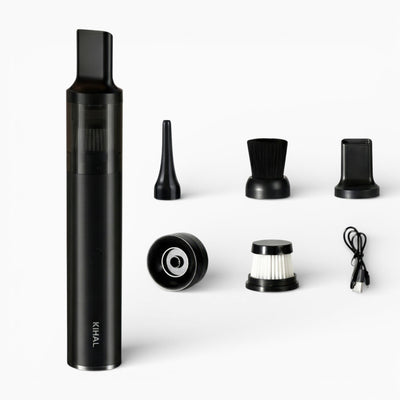
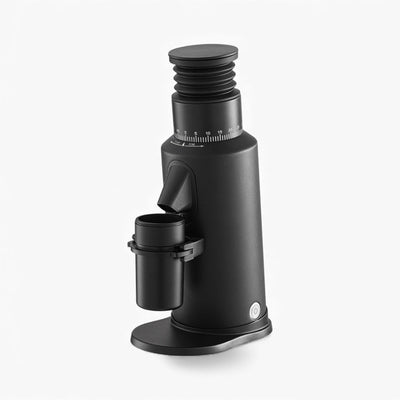

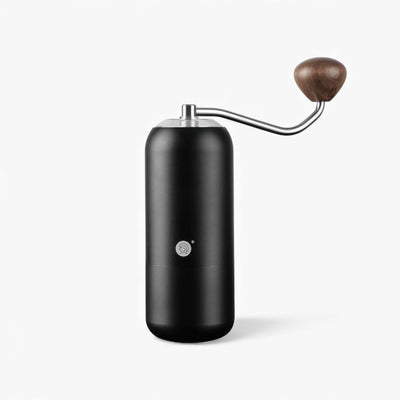
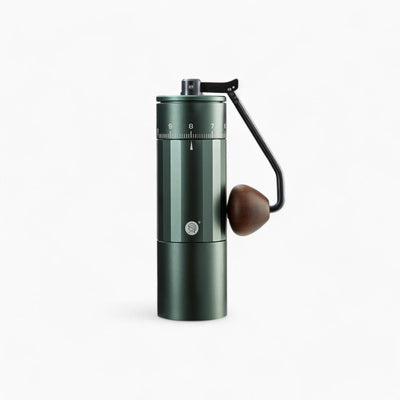
For those seeking the ultimate in portable convenience without sacrificing quality, our Portable Electric Coffee Grinder Rechargeable USB offers the perfect balance. This innovative grinder delivers cordless freedom with USB rechargeable convenience, making it ideal for home use, office brewing, or travel.

Portable Electric Coffee Grinder Rechargeable USB
$265.90 $660.00
Experience cordless grinding freedom with this portable electric coffee grinder featuring USB rechargeable battery, adjustable grind settings, and quiet operation for fresh coffee anywhere.
Explore ProductSee It in Action
Sometimes seeing the difference makes the decision clearer. This detailed comparison video demonstrates how manual and electric grinders perform in real-world brewing scenarios, helping you visualize which option aligns with your coffee goals.
More Options for Your Coffee Journey
Whether you're committed to the pour-over path or seeking electric precision, these additional options represent the pinnacle of their respective categories.
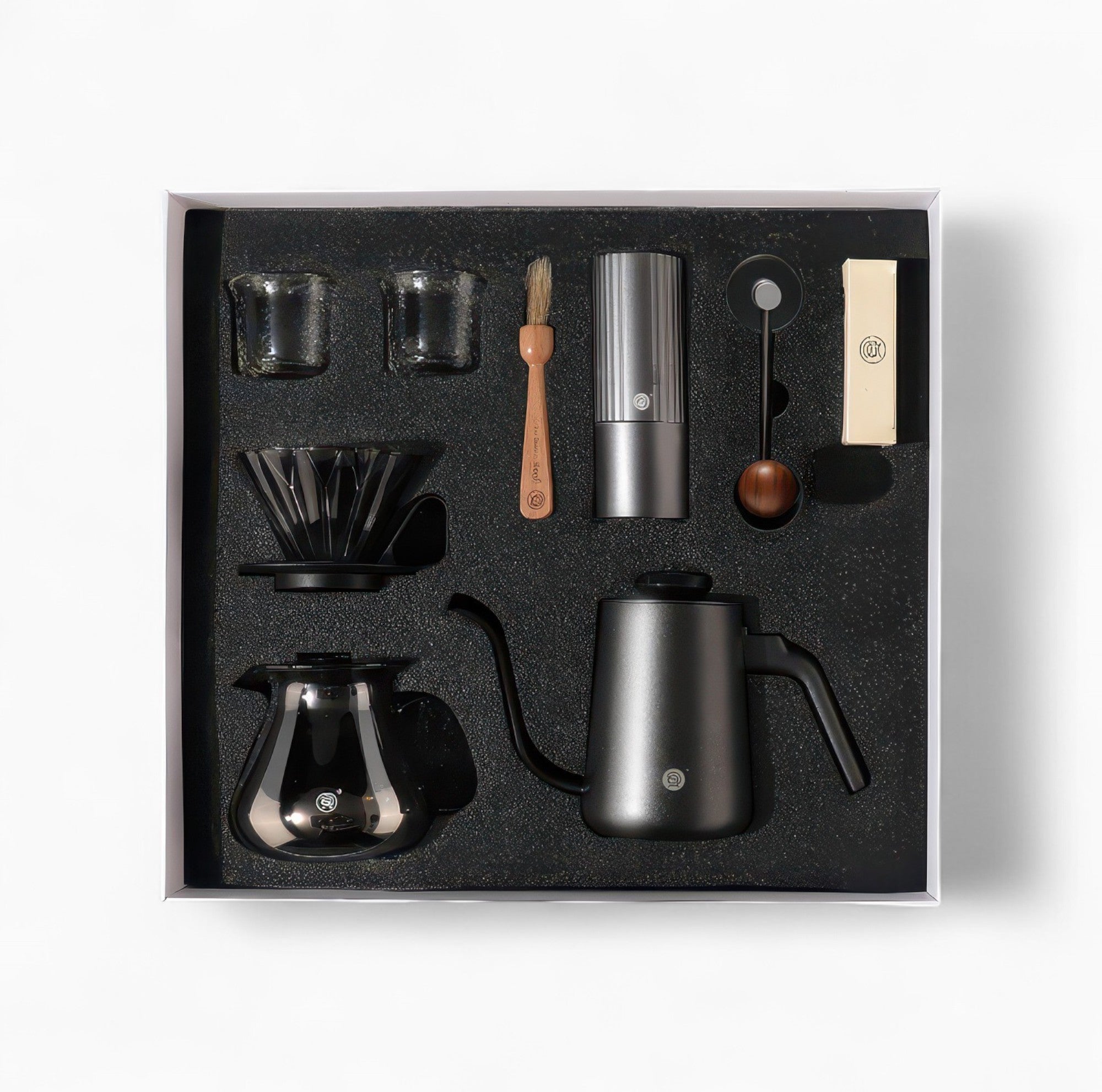
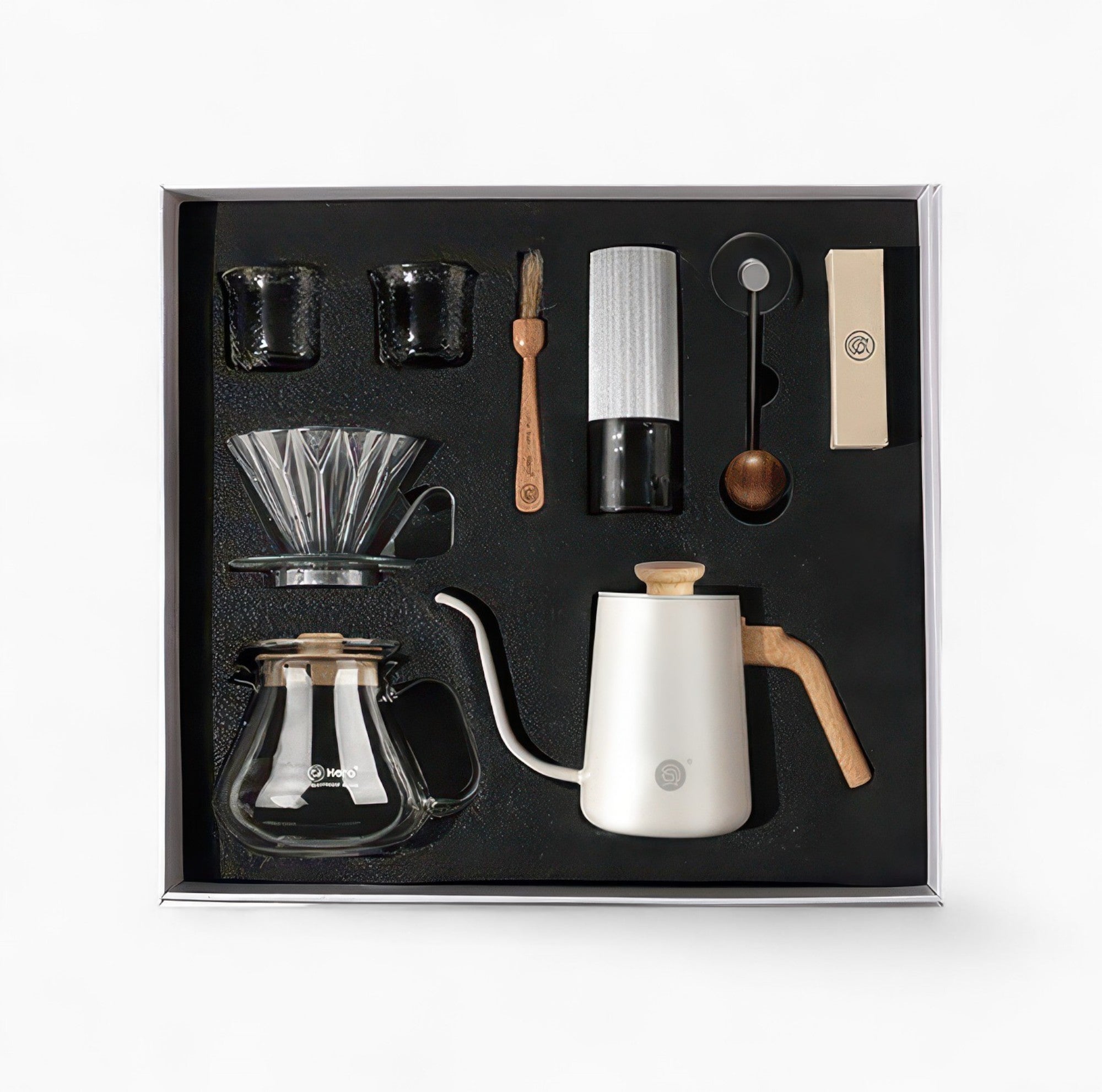
For pour-over enthusiasts who appreciate the meditative quality of manual brewing, the Complete Pour Over Coffee Kit with Grinder and Kettle provides everything needed for cafe-quality manual brewing at home. The precision 38mm conical burr hand grinder delivers consistent results that rival electric alternatives in this grind range.
For those seeking professional-grade electric grinding without the countertop footprint of commercial machines, the Elf V2 Electric Coffee Grinder with 48mm CNC Burrs offers prosumer-level precision in a compact form factor. The stepless adjustment and near-zero retention design make it ideal for espresso enthusiasts who demand repeatable results.
Curated Grinder Solutions for Every Brewing Style

Complete Pour Over Coffee Kit with Grinder and Kettle
$235.90
$360.00
Master manual brewing with this complete kit featuring a precision 38mm conical burr hand grinder, temperature control kettle, and premium glassware for cafe-quality pour over at home. Learn more ➔

Elf V2 Electric Coffee Grinder with 48mm CNC Burrs
$268.90
$336.00
Achieve prosumer-level precision with this compact electric grinder featuring 48mm CNC-machined burrs, stepless adjustment, and near-zero retention for repeatable results every session. Learn more ➔
Key Decision Factors for Your Lifestyle
Beyond the technical specifications, your lifestyle and brewing habits should guide your choice between manual vs electric grinder options. Consider these real-world scenarios:

Time Constraints and Morning Routines
If your morning involves hitting snooze multiple times and rushing out the door, an electric grinder removes friction from your routine. The 15 seconds saved might seem trivial, but when multiplied across 365 mornings, it becomes significant. Conversely, if you wake early specifically to enjoy the coffee ritual, a manual grinder extends that pleasurable experience.
Physical Considerations
Manual grinding requires consistent hand and arm effort, particularly for fine espresso grinds that demand more torque. While most healthy adults find manual grinding manageable for 1-2 cups, those with arthritis, wrist injuries, or limited hand strength may find electric grinders significantly more accessible. The portable coffee grinder options available today include excellent electric models that don't sacrifice power for portability.

Brewing Volume and Frequency
Single-coffee-drinker households often thrive with manual grinders—the effort is minimal for one cup, and the ritual adds enjoyment. However, households brewing 4+ cups daily, or those who entertain frequently, will appreciate the effortless capacity of electric models. Grinding 60 grams for a Chemex with a manual grinder requires significantly more time and effort than a single serving.
Travel and Mobility Needs
For those who refuse to compromise on coffee quality while traveling, camping, or working remotely, the portable coffee grinder options have expanded dramatically. While manual grinders have traditionally dominated this space, compact rechargeable electric grinders now offer genuine portability without sacrificing the convenience of motorized grinding.
Conclusion: Making Your Choice
The manual coffee grinder vs electric debate doesn't have a universal winner—it has a winner for your specific situation. Manual grinders excel in price-to-performance ratio, portability, silence, and the intangible pleasure of the grinding ritual. Electric grinders dominate in speed, convenience, capacity, and accessibility for those with physical limitations.
Your ideal grinder depends on your brewing methods, lifestyle constraints, budget, and personal values. Pour-over enthusiasts who savor the morning ritual may find profound satisfaction in a quality hand grinder. Busy professionals pulling espresso shots before work will likely prefer the efficiency of electric grinding. Many serious coffee lovers eventually own both—manual for travel and quiet mornings, electric for speed and capacity.
At Rethink Cafe, we're committed to helping you find the perfect grinding solution for your coffee journey. Our curated selection spans from precision hand grinders that rival electric performance to cutting-edge electric models that fit any lifestyle. Whether you're just beginning your specialty coffee exploration or upgrading your existing setup, we have the expertise and equipment to elevate every cup you brew.
Explore our complete collection of coffee grinders and discover the perfect match for your brewing style. Your best cup of coffee is waiting—let's grind for it together.
Frequently Asked Questions about Manual vs Electric Coffee Grinders
Neither is universally "better"—it depends on your priorities. Manual grinders excel in price-to-performance ratio, portability, and silence. They often outperform electric grinders at the same price point. Electric grinders win on speed, convenience, and capacity. For single-cup brewing and travel, manual is often superior. For multiple cups daily or time-pressed mornings, electric is typically the better choice.
Costco removed their in-store coffee grinders primarily due to food safety concerns and cross-contamination issues. Shared grinders in retail environments can transfer flavors between different coffee beans and potentially allergens. Additionally, maintenance costs and liability concerns contributed to the decision. This change has actually driven more coffee lovers to invest in their own quality grinders for home use, ensuring complete control over grind freshness and consistency.
The "healthiest" coffee grinder is one that uses burr grinding mechanisms rather than blade grinders, as burrs produce less heat and preserve more of coffee's beneficial antioxidants and oils. Both manual and electric burr grinders can be healthy choices. Manual grinders generate virtually no heat during grinding, which some enthusiasts believe best preserves volatile aromatic compounds. Ceramic burrs are often preferred over steel for those concerned about potential metallic contamination, though high-quality steel burrs from reputable manufacturers are perfectly safe.
Yes, manual coffee grinders are not just good—they can be exceptional. High-quality manual grinders with precision-machined burrs produce grind consistency that rivals or exceeds electric grinders in the same price range. Many specialty coffee professionals and competition baristas use manual grinders for their reliability and performance. The key is investing in quality: a well-made manual grinder with solid bearings, stable construction, and sharp burrs will dramatically outperform a cheap electric grinder. For pour-over, French press, and drip coffee, manual grinders are particularly well-suited and highly capable.
Manual coffee grinders are not difficult to use, but they do require physical effort and time. The basic operation is simple: add beans, turn the handle, collect grounds. Most people master the technique within a few uses. However, grinding for espresso-fine consistency requires more torque and time than coarser grinds. For a single cup of pour-over or French press, expect 1-2 minutes of easy turning. For espresso, expect 2-3 minutes of more deliberate effort. The learning curve is minimal, but the physical commitment is real. Most users find the process enjoyable and meditative rather than burdensome, but those with hand or wrist issues may find electric grinders more accessible.