

You don't need to spend $600 on an electric grinder to pull café-quality espresso shots at home. A quality manual espresso coffee grinder delivers the same grind consistency and precision adjustment as premium electric models—at a fraction of the cost. Whether you're building your first home espresso setup or upgrading from a blade grinder, the right hand grinder can transform your morning ritual into an art form.
In this comprehensive guide, we'll explore what separates exceptional manual grinders from mediocre ones, why titanium burrs matter for espresso, and how to choose the perfect hand grinder for your brewing style. Plus, we'll showcase equipment that balances professional performance with everyday practicality.
Are Manual Grinders Worth It for Espresso?
The short answer: absolutely. Modern manual coffee grinders have evolved far beyond the entry-level ceramic burr models of the past. Today's premium hand grinders feature aerospace-grade titanium burrs, stepless micrometric adjustment, and industrial-grade bearings that rival $500+ electric alternatives.
Here is what makes them compelling for espresso enthusiasts:
- Cost efficiency: A $150-250 manual grinder often matches the grind quality of electric models costing twice as much
- Quiet operation: No motor noise means you can grind fresh beans at 5 AM without waking the household
- Portability: Take your espresso ritual camping, to the office, or while traveling
- Longevity: Fewer moving parts means these grinders often outlast their electric counterparts
- Physical engagement: Many baristas find the tactile grinding process meditative and satisfying
The trade-off is physical effort—expect 30-60 seconds of cranking for a double shot. But for most home baristas, the savings and satisfaction more than compensate for a brief morning workout.
What Makes a Good Manual Espresso Grinder?
Not all hand grinders can handle espresso's demanding requirements. Espresso requires ultra-fine, consistent particle size with minimal fines (powder) that cause channeling and bitter extraction. Here's what separates espresso-capable grinders from pour-over suitable models:
Burr Material and Quality
Titanium-coated burrs represent the gold standard for manual espresso grinders. These 38-48mm conical burrs maintain sharp edges longer than standard steel and produce fewer fines at espresso fineness. The Z5 X-Fold Manual Coffee Grinder with Titanium Burrs exemplifies this category, offering commercial-grade grinding geometry in a hand-powered package.
Adjustment Precision
Espresso dialing requires microscopic grind adjustments. Stepless grinders allow infinite adjustment between "click" settings, essential for fine-tuning extraction time. Look for grinders with external adjustment rings rather than internal mechanisms—you'll change grind settings frequently when dialing in new beans.
Stability and Ergonomics
The grinding effort required for espresso-fine coffee is significant. Premium grinders feature dual bearings, reinforced shafts, and ergonomic handles that minimize wobble and arm fatigue. A stable, wobble-free grind ensures consistent particle distribution.

Top Manual Espresso Grinder Features to Consider
When evaluating a portable espresso grinder, prioritize these specifications:
Key Specification Checklist: Burr size (38mm+ ideal), adjustment mechanism (stepless preferred), capacity (20-40g typical), materials (aluminum body, titanium burrs), bearing system (dual ball-bearing), and foldable/portable design for travel.
Capacity matters less than you might think—espresso uses 18-20g doses, so even compact grinders hold enough for a shot. What matters more is the grind retention; quality grinders minimize leftover grounds between sessions, ensuring fresh coffee every time.
The bearing system directly impacts grind consistency. Specialty Coffee Association research consistently shows that burr stability—minimizing radial play—correlates strongly with particle size uniformity. This is why premium hand grinders invest heavily in precision-engineered bearing assemblies.
Can You Use a Manual Grinder for Espresso?
Yes—and many enthusiasts argue you should. The question isn't capability but rather which specific models deliver espresso-worthy results. Entry-level hand grinders with ceramic burrs or small 20mm steel burrs struggle to produce the consistent fine grind espresso demands. They create excessive fines that clog baskets and produce bitter, harsh shots.
However, premium hand grinder for espresso options with 38mm+ titanium burrs and proper geometry excel at espresso grinding. The key differentiator is burr design geometry—espresso-specific burrs have different cutting patterns than general-purpose burrs, optimized for fine grinding rather than speed.
Expect to spend 30-45 seconds grinding for a double shot. This seems slow compared to electric grinders, but consider: you're likely grinding immediately before brewing, so the total time from whole bean to espresso is actually competitive once you factor in electric grinder warm-up and retention purging.

Z5 X-Fold Manual Coffee Grinder with Titanium Burrs
$185.90 $365.00
Experience precision grinding with 38mm titanium burrs and 100-step adjustment. The patented folding handle makes this premium hand grinder perfect for espresso enthusiasts who demand consistency at home or on the go.
Explore ProductBest Manual Grinder for Espresso Only
Purists seeking a manual grinder dedicated to espresso should prioritize stepless adjustment and espresso-optimized burr geometry over versatility. Some hand grinders excel across all brew methods from French press to espresso, while others specialize.
If you primarily drink espresso and occasional pour-over, a specialized grinder makes sense. However, if your household enjoys multiple brewing methods, consider a manual burr grinder with a wide adjustment range. The sweet spot is 60+ distinct settings with clear espresso, drip, and coarse ranges marked.
Dedicated espresso grinders often feature external adjustment rings that make micro-changes effortless—critical when you're chasing the perfect 25-30 second extraction. This convenience factor matters more than many first-time buyers realize.
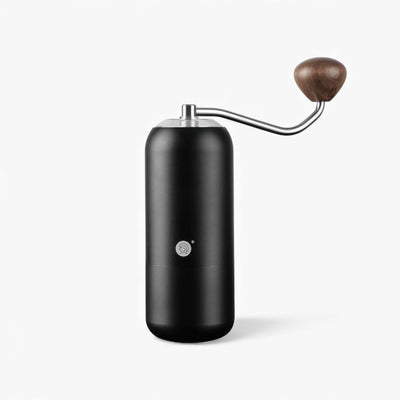
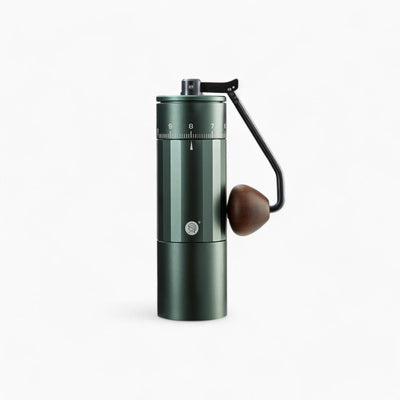

Is 1Zpresso Good for Espresso?
1Zpresso has established itself as a dominant force in the manual grinder market, particularly for espresso-focused models like the J-Max and K-Plus. These grinders deliver excellent performance and have earned their popularity among enthusiasts.
However, the market has evolved. Today's buyers have access to grinders that match or exceed 1Zpresso's performance metrics while offering unique features like folding handles for enhanced portability and refined ergonomics for daily use. When evaluating any espresso hand grinder, focus on specifications rather than brand names:
- Burr size and material (38mm+ titanium preferred)
- Number of adjustment steps within espresso range
- Build quality and warranty support
- Handle design and grinding ergonomics
- Price-to-performance ratio
The best grinder is the one that fits your specific workflow, budget, and ergonomic preferences—not necessarily the most hyped model on Reddit.

Versatile Solutions for Every Brew Method
While dedicated espresso grinders have their place, many home baristas prefer flexibility. A versatile manual espresso grinder that transitions from morning espresso to afternoon pour-over offers exceptional value. The key is finding a grinder with sufficient adjustment range without compromising espresso performance.
The challenge: grinders optimized for pour-over (coarse grinding) sometimes struggle with the fine adjustments espresso demands. Look for models with external adjustment indicators and clear reference points, allowing you to switch between brew methods without losing your dialed-in espresso setting.
Complete Your Manual Grinding Setup

Starseeker 2 in 1 Black Burr Coffee Grinder
$215.90
$270.00
Get the best of both worlds with dual electric and manual modes. Features a 40mm CNC conical burr with 60 grind settings, making it versatile for espresso through cold brew with the convenience of switchable power options. Learn more ➔

3D Printed Manual Coffee Grinder Cap and Handle Holder
$17.90
$39.00
Keep your grinder components organized with this precision-fit holder designed for popular manual grinders. The 3D printed construction with silicone sealing ring ensures your cap and handle stay secure during travel or storage. Learn more ➔
Building Your Manual Espresso Setup
A grinder is just one component of your espresso ecosystem. To maximize your manual grind for espresso, pair your hand grinder with these essentials:
Precision Scale
Espresso demands accuracy—weigh your beans before grinding and your shot output during extraction. A 0.1g precision scale is non-negotiable for consistency.
WDT Tool
Hand-ground coffee sometimes produces clumps. A Weiss Distribution Technique (WDT) tool breaks these up before tamping, ensuring even water flow through the puck. Fine needles (0.3-0.4mm) work best for espresso.
Quality Tamper
Match your tamper diameter exactly to your basket size (typically 58mm or 54mm). A well-fitting tamper ensures level, consistent pressure across the entire puck surface.
Dosing Funnel
Transferring grounds from a hand grinder to a portafilter can be messy. A dosing funnel eliminates spillage and helps distribute grounds evenly before tamping.
The 3D Printed Manual Coffee Grinder Cap and Handle Holder deserves special mention for home setups—keeping your grinder components organized protects your investment and streamlines your workflow.

The Verdict: Manual Grinding Delivers Exceptional Espresso
The stigma that manual grinders can't compete with electric models for espresso is outdated. Premium manual espresso coffee grinder options with titanium burrs, precision bearings, and stepless adjustment deliver extraction quality indistinguishable from electric alternatives costing significantly more.
The trade-offs are clear: you sacrifice speed for savings, noise for portability, and automation for tactile satisfaction. For most home baristas pulling 1-4 shots daily, these trade-offs are minimal compared to the benefits.
At Rethink Cafe, we curate equipment that balances professional capability with real-world usability. Whether you're seeking a dedicated hand grinder for espresso or versatile multi-brew solutions, our selection focuses on build quality, grind consistency, and long-term value. Because exceptional espresso shouldn't require exceptional debt.
Frequently Asked Questions about Manual Espresso Grinders
Yes, manual grinders are absolutely worth it for espresso. Premium hand grinders with titanium burrs and stepless adjustment deliver grind quality comparable to electric grinders costing $400-600, at a fraction of the price. They're also quiet, portable, and require no electricity. The main trade-off is physical effort—expect 30-60 seconds of cranking per double shot. For home baristas pulling 1-4 shots daily, the cost savings and satisfaction outweigh this minor inconvenience.
The best manual grinder for espresso prioritizes stepless adjustment, titanium burrs (38mm+), and espresso-optimized burr geometry. Look for features like external adjustment rings for easy micro-changes, dual-bearing systems for stability, and fine adjustment capability across 100+ steps. The Z5 X-Fold Manual Coffee Grinder with Titanium Burrs exemplifies these characteristics, offering precision control and foldable portability specifically designed for dedicated espresso enthusiasts.
Absolutely. Modern premium manual grinders are fully capable of producing espresso-quality grinds. The key is choosing a grinder with appropriate burr size (38mm+), titanium or high-quality steel burrs, and sufficient adjustment precision. Entry-level grinders with ceramic burrs generally cannot achieve the consistency needed for espresso, but mid-range and premium hand grinders with proper burr geometry excel at fine grinding. Expect 30-45 seconds of grinding time for a double shot dose.
A good manual espresso grinder features: (1) High-quality burrs—titanium-coated or hardened steel, 38mm+ diameter for efficiency; (2) Stepless adjustment for microscopic grind changes essential for dialing in; (3) Dual-bearing systems ensuring burr stability and consistent particle size; (4) Sturdy construction minimizing flex during grinding; (5) Ergonomic handle design reducing fatigue; and (6) Low grind retention keeping old coffee from contaminating fresh doses. External adjustment rings and clear reference points also significantly improve usability.
Yes, 1Zpresso produces excellent manual grinders for espresso. Models like the J-Max and K-Plus are particularly well-regarded for their external adjustment systems and espresso-focused burr geometry. However, they represent just one option in a competitive market. When evaluating any manual grinder, focus on specifications—burr material, adjustment mechanism, and build quality—rather than brand names exclusively. Many contemporary grinders match or exceed 1Zpresso's performance while offering unique features like folding handles or improved ergonomics.


