Choosing the right brewing method can transform your morning coffee ritual from mundane to magnificent. With so many manual brewing methods available, home baristas often find themselves torn between two legendary techniques: the immersive depth of French press versus the refined clarity of pour over. Whether you're just beginning your specialty coffee journey or looking to refine your existing setup, understanding the fundamental differences between these approaches is essential for crafting your perfect cup.
The French press vs pour over debate isn't about crowning a winner—it's about discovering which method aligns with your palate, lifestyle, and coffee goals. Both deliver exceptional results when executed with quality equipment and fresh beans, but they produce remarkably different flavor profiles through opposing extraction philosophies. In this guide, we'll explore everything from grind size and filtration to health benefits and cleanup convenience, helping you make an informed decision that elevates your daily brew.

The Fundamental Difference: Immersion vs Filtration
At their core, French press and pour over represent two distinct extraction philosophies. French press brewing uses an immersion method, where coarse ground coffee steeps fully submerged in hot water for several minutes before separation. This total saturation extracts oils and compounds that create a bold, robust character impossible to achieve through other methods.
Conversely, pour over brewing employs filtration extraction. Hot water passes through a medium-fine grind and filter, carrying dissolved coffee compounds into your carafe while the filter traps oils and sediment. This produces a clean cup that highlights subtle origin characteristics—floral notes, bright acidity, and delicate sweetness that might be masked by heavier brewing methods.
Key Insight: The choice between immersion and filtration ultimately determines your coffee's body, clarity, and flavor complexity. Immersion favors boldness; filtration favors nuance.
Taste Profile Comparison: Full-Bodied vs Clean
Perhaps the most significant factor in the difference between French press and pour over lies in the final cup's texture and taste. French press coffee delivers a heavy, syrupy mouthfeel with pronounced oils and a substantial presence. The metal mesh filter allows microscopic coffee particles and natural oils to remain in your brew, creating that signature richness that many coffee lovers crave.
Pour over coffee, filtered through paper or fine cloth, removes these oils and particles entirely. The result is a lighter-bodied cup with exceptional clarity—think of it as the_HD of coffee brewing. You'll taste the origin-specific notes more distinctly: the citrus brightness of Ethiopian beans, the chocolate undertones of Colombian varieties, or the floral perfume of Guatemalan estates.
Grind Size Matters
Achieving optimal extraction requires matching grind size to brewing method. For French press, you'll need a coarse grind—similar in texture to coarse sea salt. This prevents over-extraction during the extended steep time and ensures the metal filter can properly separate grounds from liquid.
Pour over demands a medium-fine grind, closer to table salt or sand. This grind size creates the perfect resistance for water flow, allowing proper extraction without clogging the filter. Too fine, and your brew will taste bitter and over-extracted; too coarse, and you'll get weak, underdeveloped coffee.
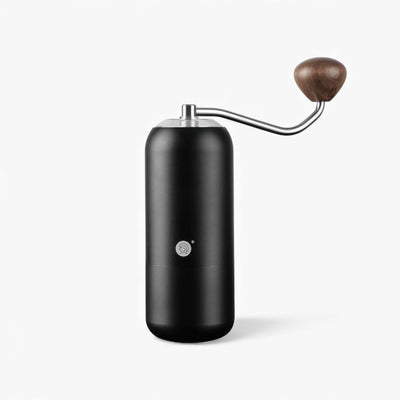
The Portable Electric Coffee Grinder Rechargeable USB from Rethink Cafe offers precision grind settings that cater perfectly to both methods, ensuring you can dial in your preferred coarseness whether you're craving immersion depth or filtration clarity.

Health Considerations: Oils, Cholesterol, and Filters
A frequently asked question in this brewing comparison concerns health impacts—specifically, why certain methods are perceived as healthier alternatives. The answer lies in filtration.
When coffee passes through paper filters (standard in pour over), it captures cafestol and kahweol—compounds found in coffee oils that may raise LDL cholesterol levels. Metal filters used in French press allow these compounds to remain in your cup. For those monitoring cholesterol or with specific dietary concerns, pour over coffee using paper filters presents a moderation advantage.
However, French press retains more of coffee's beneficial polyphenols and antioxidants that some studies associate with heart health and mental clarity. As with most things in nutrition, moderation and personal health context matter more than choosing a "perfect" method.
The 80/20 Rule for Coffee Perfection
The 80/20 rule for coffee suggests that 80% of your final cup quality comes from 20% of your efforts: using fresh, quality beans; grinding just before brewing; and using proper water temperature (195-205°F). Both brewing methods benefit enormously from this principle.
Investing in quality beans matters more than obsessing over perfect technique initially. Start with freshly roasted specialty coffee, filtered water, and consistent measurements. Once these fundamentals are established, refining your specific method—whether immersion or filtration—will yield dramatically better results.
Practical Daily Considerations
Beyond taste, lifestyle factors significantly influence which method suits you best. French press requires minimal technique—add coffee, add water, stir, wait, plunge—but demands careful cleaning of the mesh filter and glass carafe to prevent rancid oil buildup.
Pour over requires more active attention during brewing. The ritual of carefully pouring water in concentric circles, managing bloom phase, and controlling flow rate offers a meditative experience that many home baristas cherish. However, cleanup is generally simpler—remove the filter and rinse the dripper.

Visual Learning: Brewing Technique Comparison
Sometimes seeing the process clarifies which method speaks to your style. This video demonstrates the distinct techniques, timing, and visual differences between pour over and French press brewing:
Equipment Essentials for Method Success
Having the right tools makes all the difference in executing either brewing method flawlessly. While French press requires just the carafe and kettle, pour over benefits from a gooseneck kettle for precise water control and quality filtration.

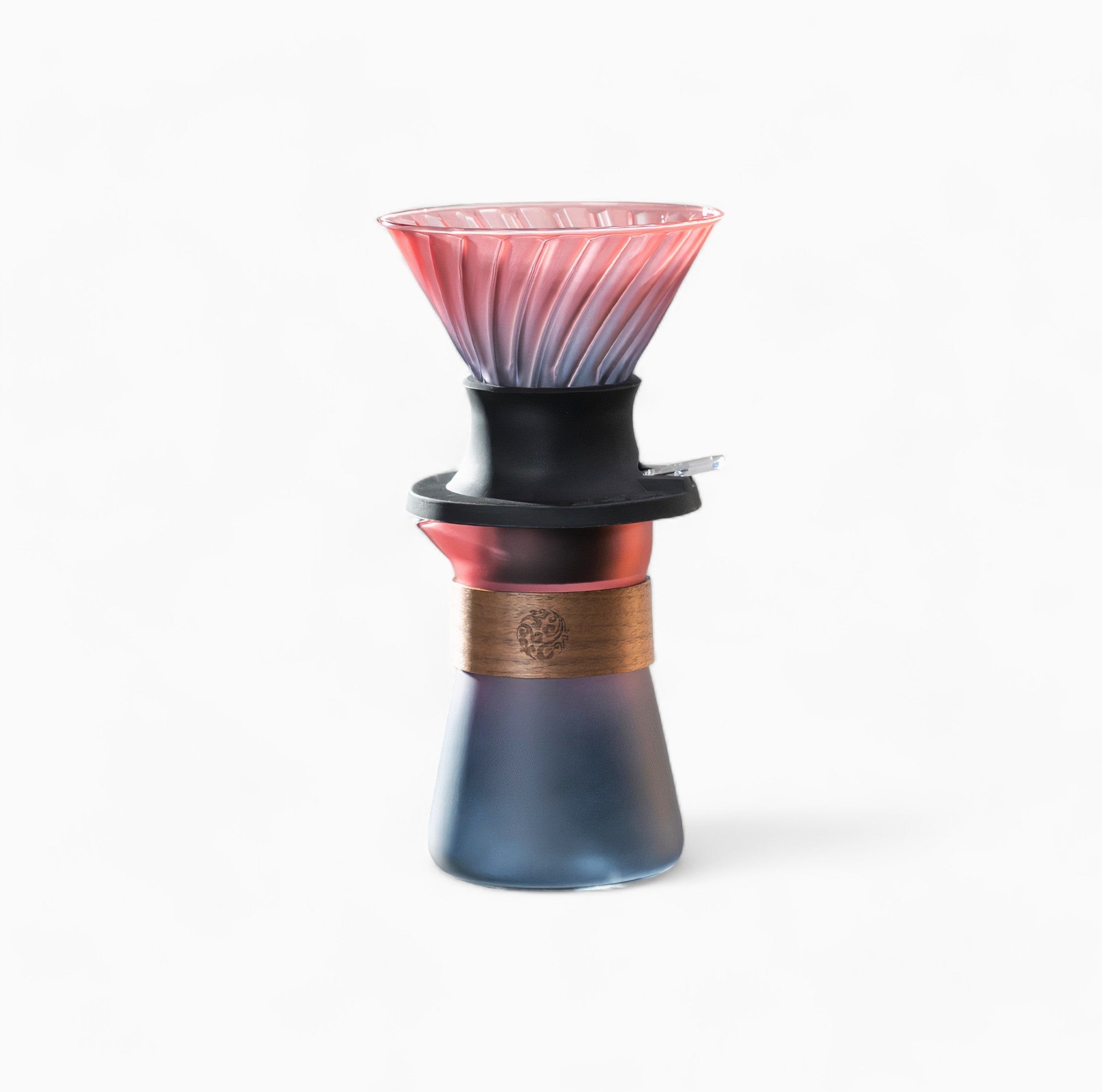
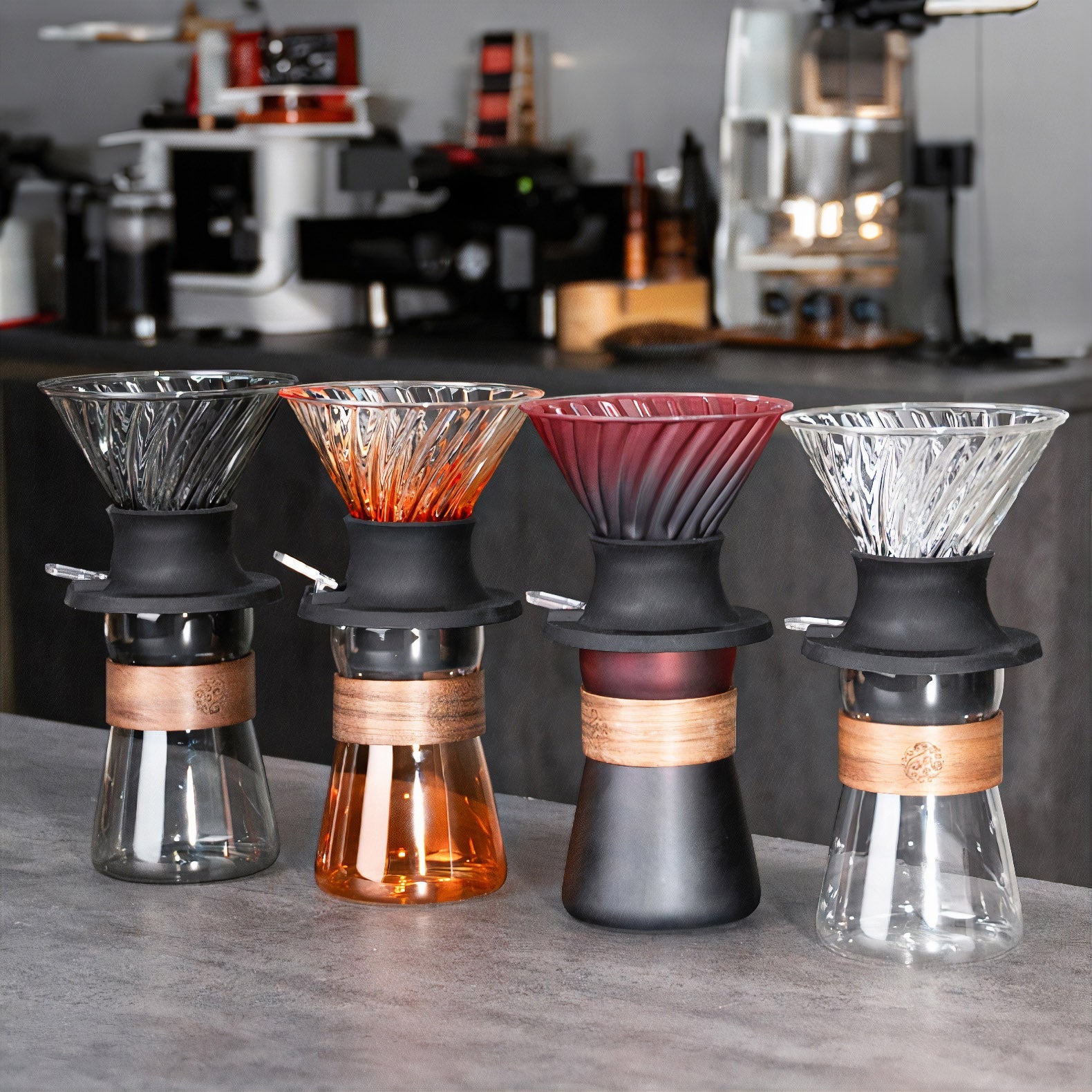
V60 Pour Over Coffee Set with Glass Dripper
$57.90 $97.00
Complete V60 pour over kit with borosilicate glass dripper and server—perfect for experiencing the clean, nuanced flavor that makes pour over coffee special.
Explore ProductThe immersion vs filtration choice extends beyond brewing method to the equipment that supports your coffee journey. When you invest in tools designed for precision and durability, you're investing in consistently excellent results.

Comparing Brewing Variables Side-by-Side
To help visualize the key differences between these manual brewing methods, consider how each variable affects your final cup:
| Variable | French Press | Pour Over |
|---|---|---|
| Extraction Method | Immersion | Filtration |
| Grind Size | Coarse (sea salt texture) | Medium-fine (sand texture) |
| Filter Type | Metal mesh | Paper (typical) |
| Brew Time | 4 minutes steeping | 2-3 minutes pouring |
| Body | Full, heavy, syrupy | Light, clean, tea-like |
| Skill Level | Beginner-friendly | Requires technique |
| Oils in Final Cup | Present (more flavor) | Removed (healthier option) |
Perfecting Your Filter Choice
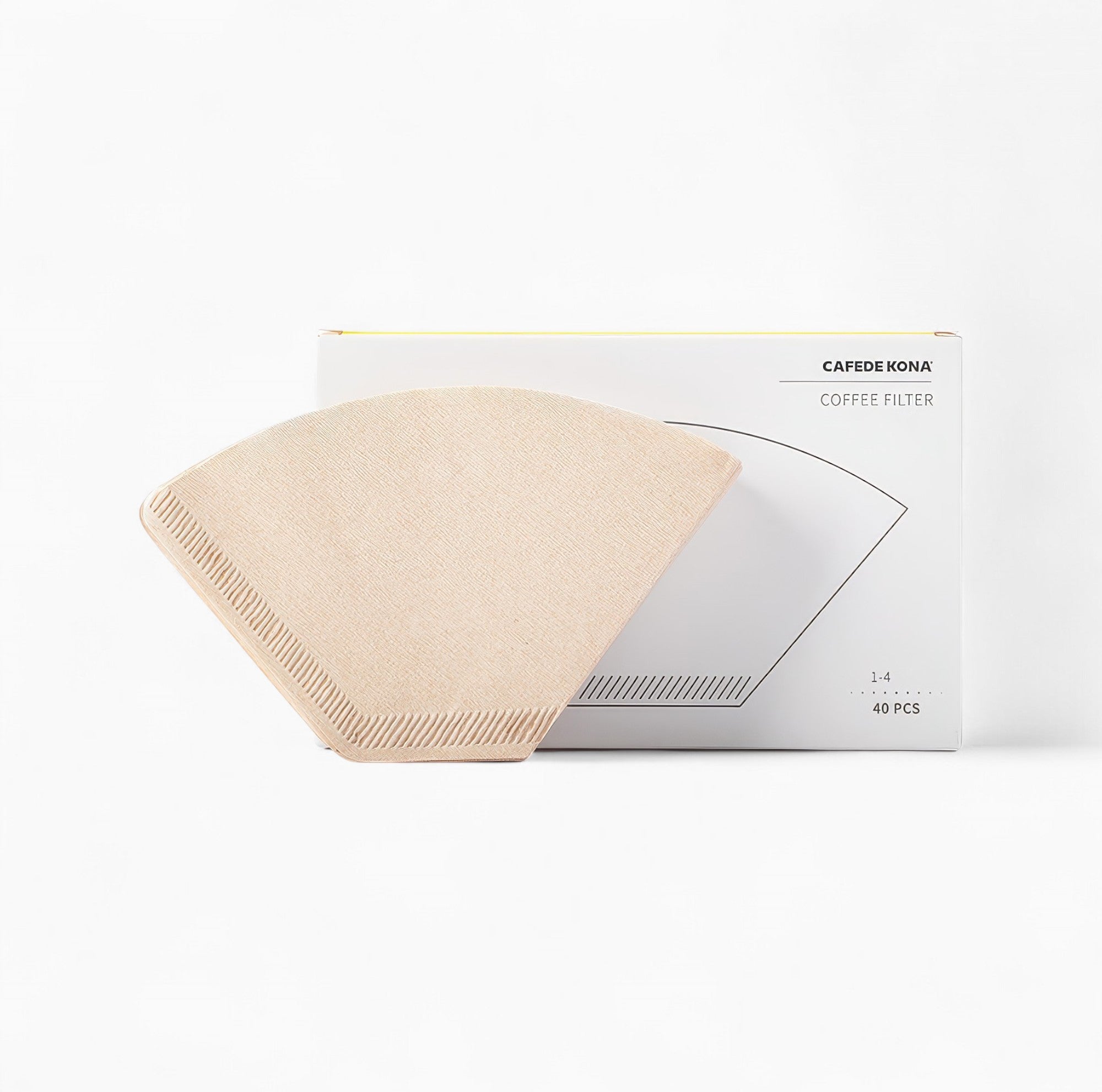
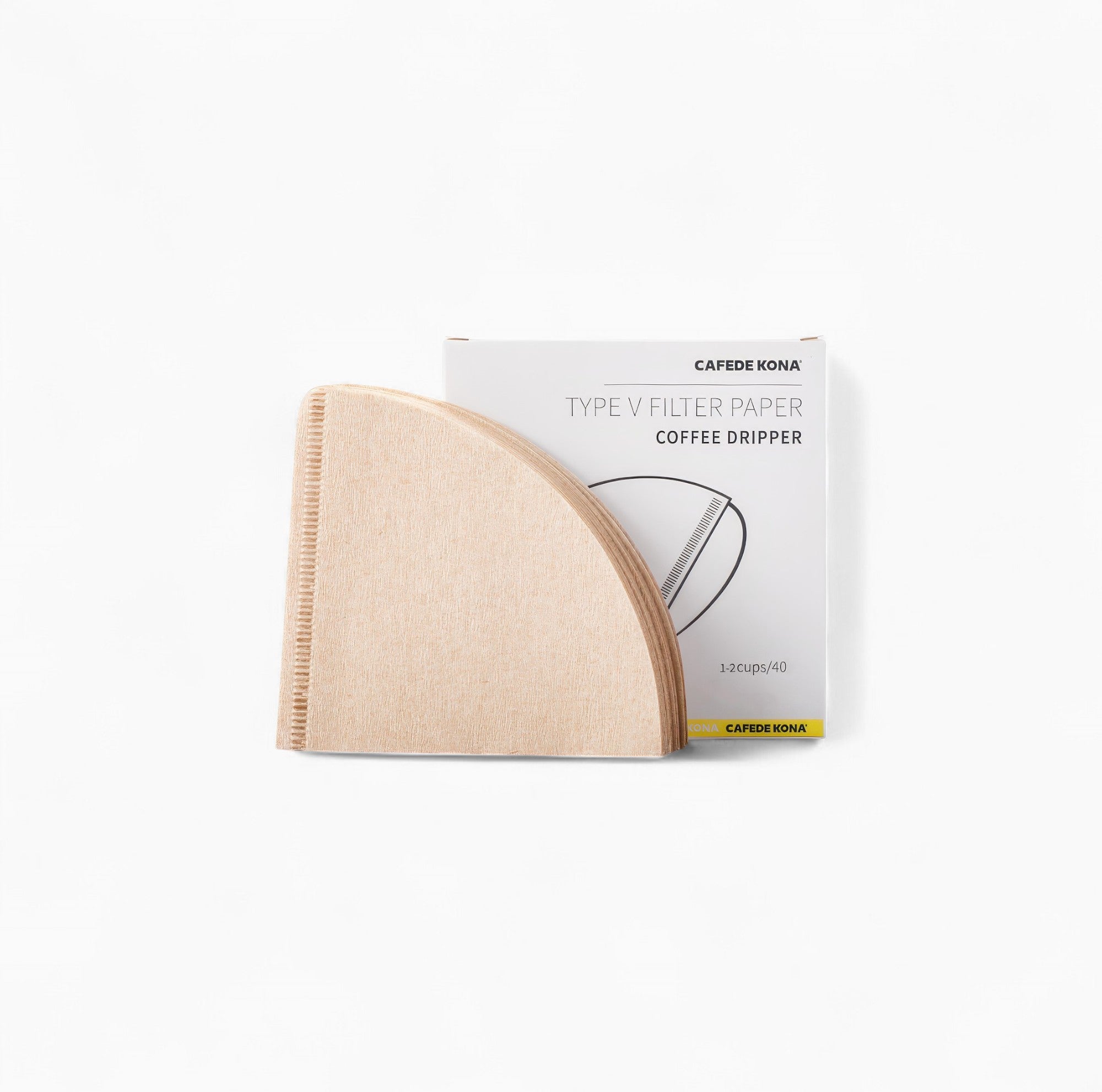
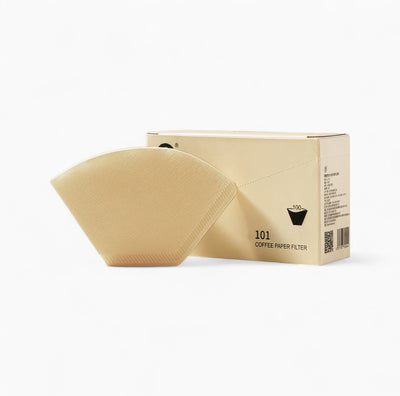
For pour over enthusiasts, filter selection dramatically impacts flavor. Paper filters create the cleanest cup by absorbing oils, while metal or cloth alternatives allow more body to pass through. The chemical-free unbleached paper options provide the purest expression of origin characteristics without introducing paper taste.
V60 Pour Over Coffee Filter Papers Chemical-Free offer natural wood pulp construction that delivers consistent filtration while maintaining the bright, nuanced flavors that define exceptional pour over coffee.
Gear Up for Your Preferred Method

Portable Electric Coffee Grinder Rechargeable USB
$265.90
$660.00
Essential for both brewing methods—adjust from coarse French press to finer pour over grinds with this portable, quiet electric grinder. Learn more ➔

V60 Pour Over Coffee Filter Papers Chemical-Free
$12.90
$22.00
Natural wood pulp filters that trap oils and sediment for a clean cup—experience the filtration difference that defines pour over coffee. Learn more ➔
Making Your Final Decision
Consider your priorities when choosing between these exceptional brewing methods. If you value convenience, minimal cleanup, and a bold, comforting cup that stands up to cream and sugar, the French press likely suits your style. Its forgiving nature and consistent results make it ideal for busy mornings when precision time investment isn't possible.
If you're drawn to the ritual of coffee preparation, appreciate nuanced flavor profiles, and enjoy the meditative quality of precise pouring techniques, pour over offers endless opportunities for refinement and discovery. The bold coffee vs clean coffee preference ultimately determines your ideal choice.
Many serious home baristas eventually embrace both methods, choosing based on mood, time constraints, or coffee bean characteristics. Dark roasted blends often shine in French press, while light-roasted single origins reveal their full potential through pour over extraction.
Pro Tip: The best brewing method is the one you'll actually use consistently. Start with the approach that fits your lifestyle, then refine technique before expanding your equipment collection.
Conclusion: Elevate Your Brewing Ritual
The French press vs pour over decision ultimately comes down to personal preference—there's no universally superior method, only the one that creates your perfect morning moment. Both techniques showcase specialty coffee at its finest when executed with quality beans, proper grind size, and reliable equipment.
At Rethink Cafe, we believe exceptional coffee starts with exceptional tools. Whether you're drawn to the full-bodied immersion experience of French press or the refined clarity of pour over, our curated selection of brewing equipment helps you achieve consistent, café-quality results at home. From precision grinders to glass drippers and chemical-free filters, we provide everything needed to transform your kitchen into a personal coffee sanctuary.
The journey toward coffee mastery is a deeply personal one, informed by experimentation, taste preferences, and the joy found in daily rituals. Whichever path you choose, commit to fresh beans, proper technique, and equipment worthy of your passion. Your perfect cup awaits.
Frequently Asked Questions about French Press vs Pour Over
Neither method is objectively "better"—it depends on your taste preferences and lifestyle. French press produces a fuller-bodied, bolder cup with more oils and sediment, while pour over creates a cleaner, lighter brew that highlights delicate origin flavors. Choose French press for convenience and richness, or pour over for nuance and ritual.
Pour over coffee is considered healthier by some because the paper filter traps cafestol and kahweol, oily compounds that may raise LDL cholesterol levels. These compounds pass through metal French press filters. However, French press retains more antioxidants and beneficial polyphenols. The optimal choice depends on individual health considerations.
French press disadvantages include: the mesh filter requires thorough cleaning to prevent rancid oil buildup; the brew can contain sediment that some find undesirable; and the metal filter allows cholesterol-raising compounds to remain in the cup. Additionally, French press coffee can become bitter if left steeping too long before plunging.
The 80/20 rule for coffee suggests that 80% of your cup's quality comes from 20% of your efforts: using fresh, quality beans, grinding just before brewing, and using proper water temperature (195-205°F). Mastering these fundamentals will dramatically improve your results regardless of brewing method, while specific technique refinements provide the final 20% of quality.
Strength depends on coffee-to-water ratio, not brewing method. However, French press typically tastes "stronger" or more intense because immersion extraction pulls more oils and compounds from the grounds, creating a fuller body. Pour over can be brewed equally strong using more coffee, but it will have a lighter mouthfeel due to paper filtration removing oils.