There's something almost meditative about the ritual of chemex pour over brewing. The way hot water spirals through thick paper filters, the slow bloom of ground coffee releasing aromatic gases, and that unmistakable hourglass silhouette on your counter—it's more than just making coffee. It's an experience that transforms your morning routine into a craft worth mastering.
Whether you've just unboxed your first Chemex or you're looking to refine your technique, this comprehensive guide will walk you through everything you need to know. From the ideal chemex pour over ratio to the subtle nuances that separate a good cup from a great one, we'll cover the techniques that have made the Chemex a beloved brewing method since 1941. Along the way, we'll introduce you to the specialized equipment at Rethink Cafe designed to elevate your brewing precision.
What Makes a Chemex Different From Other Pour Over Methods?
When comparing the chemex pour over method to other brewing techniques like the Hario V60 or standard drip machines, the differences extend far beyond aesthetics. The Chemex's distinctive bonded filters are nearly 20-30% thicker than standard pour-over filters, removing more oils and sediment while allowing only the purest coffee flavors to pass through.
The glass vessel itself plays a crucial role. Unlike ceramic or metal drippers that retain heat differently, the Chemex's borosilicate glass maintains thermal stability while allowing you to see the entire extraction process. This visual feedback helps you identify channeling or uneven saturation—valuable cues for adjusting your technique.
The result? A remarkably clean cup with bright acidity and pronounced origin characteristics. If you enjoy tasting the subtle floral notes of Ethiopian beans or the chocolate undertones of Colombian coffee, the Chemex highlights these nuances like few other brewing methods can.

The Golden Ratio: Finding Your Perfect Chemex Pour Over Balance
Getting the chemex pour over ratio right is fundamental to extracting the best flavor profile from your beans. While personal preference varies, the Specialty Coffee Association recommends starting with a ratio of 1:15 to 1:17 (coffee to water by weight).
Standard Chemex Brewing Ratio
For most home brewers, we recommend starting with:
- 42 grams of freshly ground coffee
- 700 grams (or ml) of filtered water
- Total brew time: 3.5 to 4.5 minutes
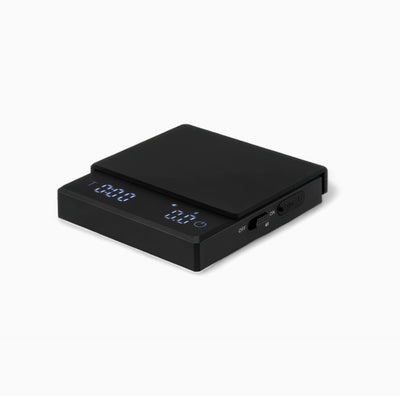
Scaling this down for a single cup? Try 25g of coffee to 400g of water. The key is consistency—measuring by weight rather than volume ensures repeatable results every morning. This is where precision equipment becomes invaluable, eliminating the guesswork that leads to under-extracted sourness or over-extracted bitterness.
Adjusting the Ratio to Taste
Prefer a bolder cup? Tighten your ratio to 1:14. Want something lighter and tea-like? Extend to 1:18. Remember that different roast levels extract differently—lighter roasts often benefit from slightly higher ratios or finer grinds to fully develop sweetness.

Step-by-Step Chemex Brewing Guide
Once your ratio is dialed in, the execution becomes a dance of timing, temperature, and technique. Here's the chemex brewing guide that partners in our lab use to achieve consistent, cafe-quality results.
Equipment You'll Need
- 6-cup or 8-cup Chemex Classic Series vessel
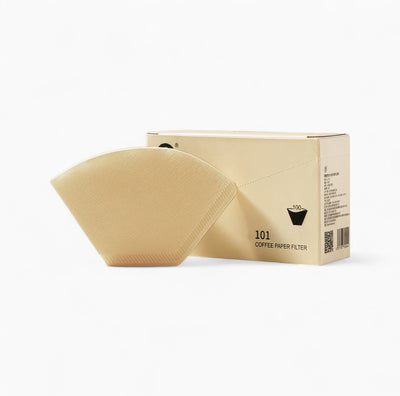
- Chemex-specific bonded filters
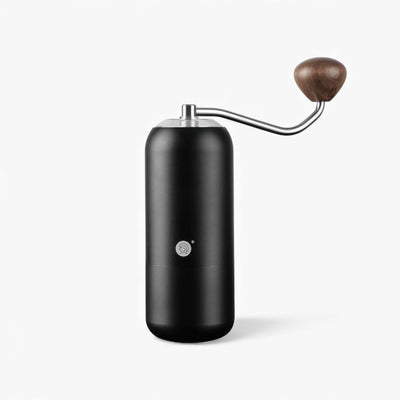
- Precision coffee grinder (burr-style, not blade)
- Variable temperature gooseneck kettle
- Digital scale with timer functionality
- Freshly roasted whole beans
The Brewing Process
- Prep Your Filter: Place the triple-fold side of the Chemex filter toward the spout. Rinse with hot water to eliminate paper taste and preheat the vessel. Discard this water before adding coffee.
- Grind Your Beans: The ideal chemex grind size resembles coarse sea salt—similar to French press but slightly finer. Inconsistent grinds lead to uneven extraction.
- The Bloom: Add your ground coffee and pour just enough water (about 2x the coffee weight) to saturate the grounds. Wait 30-45 seconds as the coffee "blooms," releasing CO2 that would otherwise create off-flavors.
- Controlled Pouring: Pour in slow, concentric circles starting from the center and moving outward, avoiding direct contact with the filter walls. Maintain a steady stream.
- Temperature Matters: Keep water between 195°F and 205°F (90°C-96°C). Too cool under-extracts; too hot scalds the coffee.
- Draw Down: Allow all water to filter through. The bed should be flat and dry by the end. If the brew takes less than 3 minutes, grind finer; if more than 5 minutes, grind coarser.

Avoiding Common Chemex Mistakes
Even experienced home baristas encounter issues with their chemex pour over technique. Understanding these pitfalls helps you recognize and correct them quickly.
Grind Inconsistency
A blade grinder produces uneven particle sizes, leading to simultaneous over and under-extraction. The coarse particles drain too quickly while fine particles clog the thick Chemex filter. Investing in a quality burr grinder solves this fundamental issue.
Improper Pour Technique
Pouring directly onto the filter walls rather than the coffee bed causes water to bypass the grounds entirely—a phenomenon called "channelling." This results in weak, watery coffee. The specialized spout design of precision kettles makes controlled pouring effortless.
Filter Preparation Errors
Skipping the rinse step or using water that's too cool leaves a papery taste in your cup. Similarly, failing to orient the filter correctly can cause the seal to break or impede airflow. Remember: the triple-fold thick side faces the spout to prevent airlock.


Complete Pour Over Coffee Kit with Grinder and Kettle
$235.90 $360.00
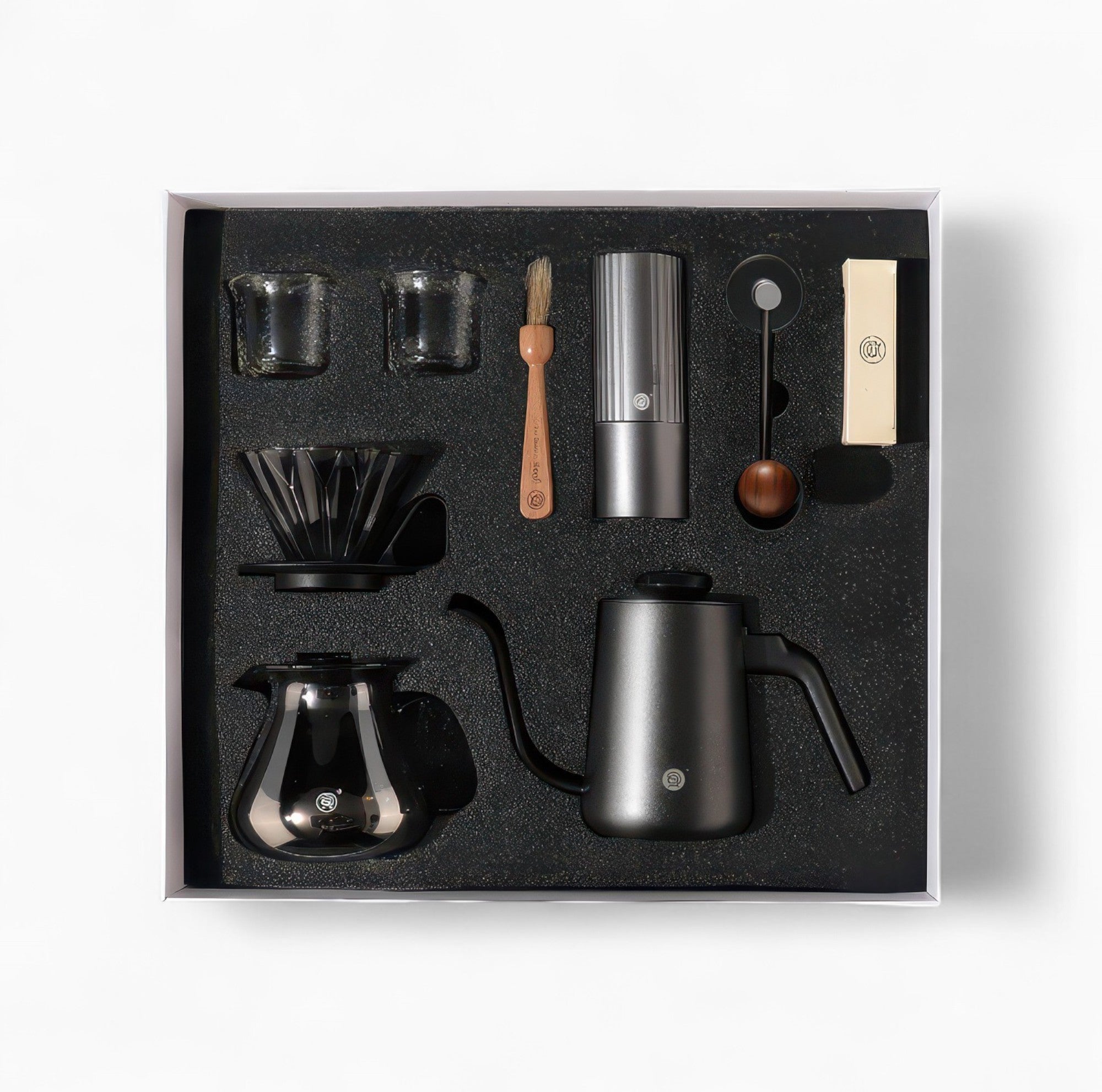
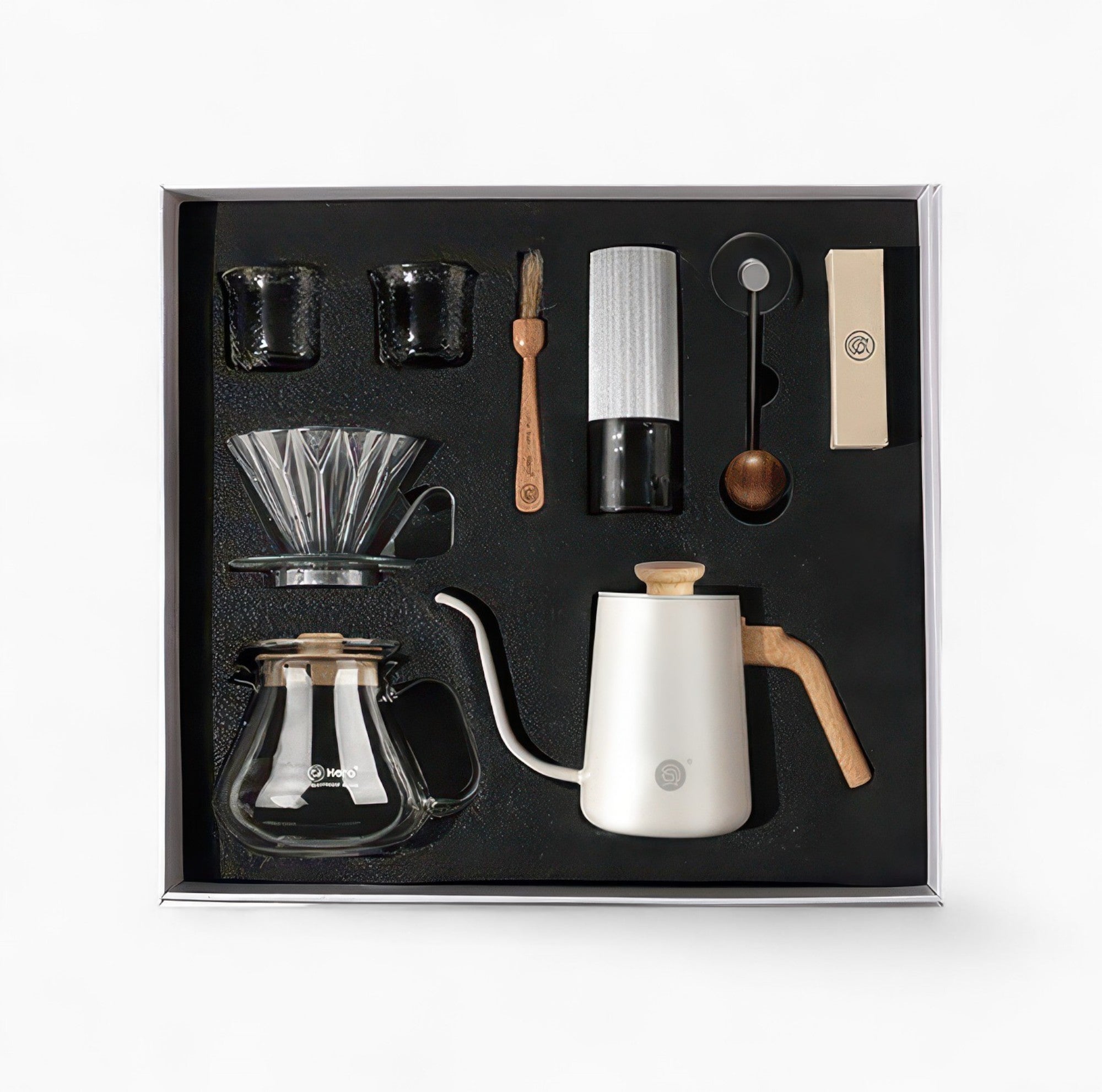
Start your Chemex journey right with this complete pour over kit featuring temperature control kettle and precision grinder for consistent cafe-quality results at home.
Explore ProductTaste Profile: How Chemex Compares to Other Brewing Methods
Many coffee enthusiasts wonder why Chemex is different from pour over methods like the V60 or chemex vs pour over comparisons with Bodum French Press setups. The answer lies in the final cup characteristics.
Compared to metal or cloth filters, the Chemex paper filter removes nearly all coffee oils and fine particles. This produces a cup with exceptional clarity—almost tea-like in its transparency. You won't find the heavy body of French press or the intense richness of espresso. Instead, the Chemex excels at showcasing delicate aromatics and high-note flavors.
When considering Is Chemex better than Bodum? or other immersion methods, it depends on your preference. If you value full-bodied, robust coffee, a Bodum French Press delivers. If you prefer nuanced, clean flavors that highlight single-origin beans, the Chemex shines. Many serious home baristas own both for different beans and moods.
Wondering how Chemex differs in taste from a regular pour-over dripper? While both use paper filters, standard cone drippers often use thinner filters that allow more oils through. The Chemex's proprietary bonded filter creates a distinctly cleaner cup with less sediment and virtually no grit.
Precision Tools for Perfect Chemex Brewing

Electric Gooseneck Kettle with Precision Temp Control
$138.90
$267.00
Master your Chemex pour over with this 1°C precision temperature control kettle featuring a patented 90° gooseneck spout for perfect water flow control. Learn more ➔

Precision Digital Coffee Scale with LED Brew Guide
$64.90
$143.00
Dial in your Chemex ratios perfectly with this 0.1g precision scale featuring LED-guided pour over training modes for consistent brewing results. Learn more ➔
Conclusion: Master Your Morning Ritual
Mastering the chemex pour over method isn't about achieving perfection on your first attempt—it's about understanding the variables and developing the skills to adjust them. From finding your ideal chemex pour over ratio to perfecting your pour technique, each variable contributes to a cup that reflects your personal taste preferences.
The Chemex represents more than just a brewing device; it's a commitment to quality and craft in an era of convenience. While it requires more attention than automated machines, the reward is a cup of coffee with unparalleled clarity and character.
At Rethink Cafe, we equip the next generation of home baristas with the tools they need to succeed. Whether you're starting your journey with a Complete Pour Over Coffee Kit or upgrading your precision with a variable temperature kettle, our curated selection supports your pursuit of the perfect cup. Because great coffee isn't just about the beans—it's about the care, precision, and quality equipment that transforms them into something extraordinary.
Ready to elevate your brewing routine? Explore our collection of pour over equipment and start your journey toward cafe-quality coffee at home.
Frequently Asked Questions about Chemex Pour Over Brewing
The Chemex distinguishes itself through its proprietary bonded paper filters that are significantly thicker (20-30%) than standard pour-over filters. This design removes more oils and sediment, producing an exceptionally clean cup with bright acidity. Additionally, the Chemex's hourglass glass construction provides thermal stability and visual feedback during brewing, while the integrated server design means you're brewing directly into the serving vessel rather than through a separate dripper into a carafe.
Common mistakes include: using a grind that's too fine (causing over-extraction and bitter flavors) or too coarse (causing weak, under-extracted coffee); pouring too quickly and creating channeling where water bypasses the grounds; skipping the filter rinse step which leaves papery tastes; using water that's not hot enough (below 195°F); and not blooming the coffee properly, which traps carbon dioxide in the grounds and prevents proper extraction. Another frequent error is neglecting to fold the filter correctly—the triple-fold thick side should face the spout to allow airflow.
The standard chemex pour over ratio is 1:15 to 1:17 coffee to water by weight. We recommend starting with 42 grams of coffee to 700 grams (ml) of water for a standard 6-cup Chemex brewing. This translates to approximately 6 tablespoons of whole beans to 25 ounces of water. For single servings, use 25g coffee to 400g water. Always measure by weight using a digital scale rather than volume for consistency. Adjust based on taste preference—use a tighter ratio (1:14) for stronger coffee or a looser ratio (1:18) for a lighter, tea-like cup.
"Better" depends on your taste preference. The Chemex produces a clean, bright, tea-like cup that highlights subtle origin flavors and aromatics, while the Bodum French Press (an immersion method) creates a full-bodied, robust cup with rich oils and sediment. If you prefer clarity and nuance in light to medium roasts, the Chemex excels. If you enjoy heavy body and intensity, especially with darker roasts, the Bodum may be preferable. Many coffee enthusiasts actually own both methods for different beans and occasions—the Chemex for delicate single origins and the French Press for bold, everyday drinking.
While the Chemex is technically a pour-over method, its proprietary thick bonded filters remove significantly more oils and micro-fines than standard cone drippers like the Hario V60 or Kalita Wave. This results in a cup with exceptional clarity, virtually no sediment, and a lighter mouthfeel. Regular pour-over drippers with standard paper filters allow more oils to pass through, creating a slightly heavier body and more pronounced "coffee richness." The Chemex tends to emphasize high-note flavors, acidity, and aromatics, making it particularly well-suited for showcasing the unique characteristics of high-quality single-origin beans.