
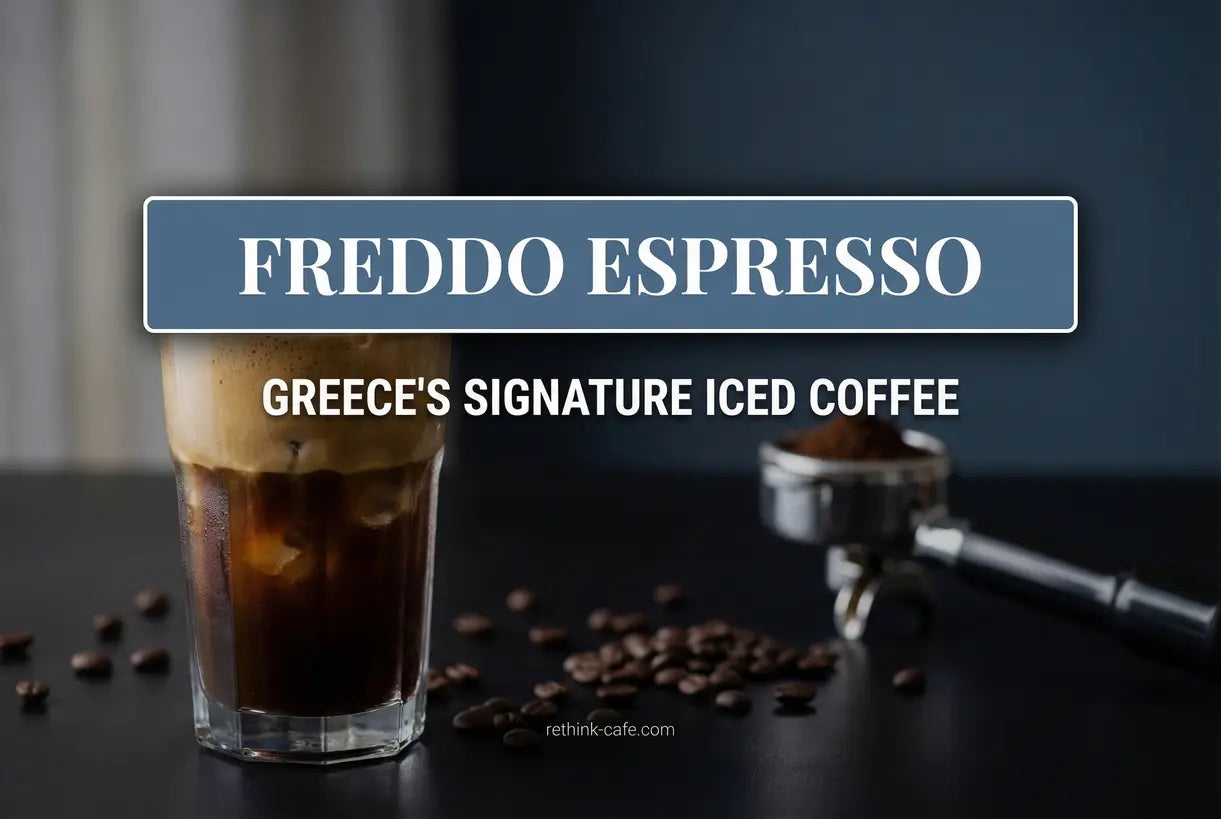
When the Mediterranean sun beats down on the Greek islands, locals don't reach for sugary sodas or diluted cold brew. They order a freddo espresso—a velvety, foam-topped iced coffee that's become the unofficial drink of Greek summer. This isn't just another iced espresso recipe; it's a ritual that transforms two simple ingredients into something extraordinary through technique and timing.
As summer coffee culture evolves beyond basic iced lattes, the Greek iced coffee method has emerged as the gold standard for cold espresso drinks. Whether you're a home barista looking to expand your repertoire or an espresso enthusiast seeking the perfect warm-weather caffeine fix, understanding freddo espresso opens up a world of textured, refreshing coffee experiences. And yes—achieving that authentic café-quality result requires more than just hot espresso poured over ice.
What Is Freddo Espresso?
Freddo espresso (literally "cold espresso" in Italian, though the technique is distinctly Greek) is a chilled coffee beverage made by shaking fresh espresso shots with ice until a luxurious crema-like foam forms on top. Unlike American iced coffee where cold liquid simply chills hot coffee, the freddo method creates a completely different texture and temperature profile.
The drink originated in Greece during the 1990s and quickly became a cultural phenomenon. Today, you'll find it served at every corner café in Athens, often enjoyed slowly over hours of conversation. The magic lies in the emulsification process—when hot espresso meets ice in a cocktail shaker, it creates a micro-foam that sits atop the dark coffee like a tan-colored crown.
How Freddo Espresso Differs from Regular Iced Coffee
The distinction between freddo espresso and standard iced coffee goes far beyond geography. While both start with espresso, the preparation method creates entirely different drinking experiences:
- Texture: Regular iced coffee is simply cold liquid. Freddo espresso develops a thick, creamy foam layer through shaking, similar to the crema on a fresh shot but lighter and more voluminous.
- Temperature: The rapid chilling through shaking creates a colder, more refreshing drink that doesn't dilute as quickly as poured-over-ice methods.
- Flavor development: The aeration process in freddo preparation actually changes the mouthfeel, making the coffee taste sweeter and less acidic despite being the same extraction.
- Serving style: Traditional freddo is served in tall glasses with the foam layer intact, often with a straw to sip the coffee beneath while the foam provides aromatic insulation.

The Art of Making Freddo Espresso at Home
Creating authentic freddo espresso requires understanding the technique, not just the ingredients. The process seems simple—espresso, ice, shake—but each variable affects the final result.
Start with a double shot of fresh espresso extracted at the proper temperature and pressure. The coffee should be hot and freshly pulled, not sitting in a warming tray. Immediately transfer it to a cocktail shaker filled with ice cubes (not crushed ice, which melts too quickly). Shake vigorously for 10-15 seconds until you hear the ice breaking down slightly and feel the shaker becoming ice-cold.
The shaking serves two purposes: it chills the espresso instantly while incorporating air to create that signature foam. When poured into a glass, the freddo should have two distinct layers—the dark coffee below and a thick, tan foam above that resembles melted ice cream in texture.
Why Your Equipment Matters
Here's where many home attempts fall short: freddo espresso demands genuine espresso extraction, not strong coffee. The crema produced by proper 9-bar pressure extraction is essential for creating the emulsion that becomes the freddo foam. Without that oil content and proper extraction, shaking hot coffee simply creates diluted, flat results.
The challenge for home baristas has always been achieving café-quality espresso without investing in bulky, expensive machines. Whether you're camping, traveling, or simply working with limited kitchen space, you need a solution that delivers authentic pressure extraction.

Pneumatic Portable Espresso Maker 9 Bar Pressure
$255.90 $425.00
Pull authentic espresso anywhere with this pneumatic portable maker, delivering 9-bar pressure for cafe-quality shots - perfect for making freddo espresso at home or on the go.
Explore ProductThe Pneumatic Portable Espresso Maker solves this problem by delivering exactly 9 bars of pressure—the gold standard for espresso extraction—through a manual pneumatic system. This means you can pull authentic shots anywhere, whether you're in your kitchen or on a beach in Santorini. For freddo espresso specifically, having portable, reliable equipment means you can enjoy this Greek tradition wherever summer takes you.



Serving Your Freddo Espresso in Style
Presentation matters in Greek coffee culture. The freddo experience isn't just about taste—it's visual and tactile. The condensation on the glass, the layer of foam, the clarity of the coffee beneath all contribute to the ritual.
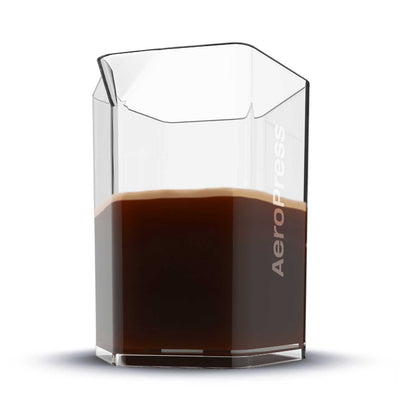
Traditional freddo is served in tall, clear glasses that showcase the layering effect. However, standard glassware quickly becomes warm from hand contact, and thin walls don't insulate against the summer heat. This is where specialized drinkware becomes essential for the authentic experience.

The Double Wall Borosilicate Glass Espresso Cups are perfect for freddo service. The hand-blown construction creates a thermal barrier that keeps your Greek iced coffee refreshingly cold while the exterior remains comfortable to hold. The 3oz size is ideal for the concentrated nature of freddo espresso, and the crystal-clear walls display those beautiful foam layers that make this drink so Instagram-worthy.
Elevate Your Greek Iced Coffee Setup

Keep your freddo espresso perfectly chilled in these elegant double-wall cups. Hand-blown borosilicate glass stays cool to the touch while your iced coffee stays refreshingly cold. Learn more ➔

USB Rechargeable Handheld Milk Frother Stainless Steel
$19.99
$29.99
Create silky microfoam for freddo cappuccino variations. This USB-rechargeable frother delivers cafe-quality textured milk in seconds, elevating your Greek iced coffee experience. Learn more ➔
Freddo Espresso vs Freddo Cappuccino: Understanding the Variations
Once you've mastered the basic freddo espresso, you'll encounter its creamier sibling: freddo cappuccino. The difference lies entirely in the milk preparation, and understanding both expands your summer coffee repertoire.
Freddo espresso is simply shaken espresso over ice—pure, unadulterated coffee flavor with foam. Freddo cappuccino adds a layer of cold, textured milk foam on top of the coffee foam, creating a three-layer drink that's more dessert-like and approachable for those who find straight espresso too intense.
To make freddo cappuccino, prepare your freddo espresso base, then separately froth cold milk (dairy or alternative) until it reaches a thick, yogurt-like consistency. Greek baristas typically use a handheld frother to whip the milk with ice until it's almost solid foam, then layer it gently over the shaken espresso.
The USB Rechargeable Handheld Milk Frother makes this process effortless at home. Unlike steam wands that heat milk, this frother is designed specifically for cold foam preparation—essential for authentic freddo cappuccino where the milk must remain cold to maintain the drink's refreshing character. The stainless steel construction and rechargeable battery mean you're never tethered to an outlet when craving that creamy Greek coffee experience.
Choosing the Best Beans for Freddo Espresso
Bean selection significantly impacts your freddo results. Because the chilling process mutes some flavor compounds while highlighting others, certain roast profiles work better than others for this preparation method.
Medium to medium-dark roasts typically perform best for freddo espresso. These profiles offer enough body and chocolate/nutty notes to remain present when cold, while avoiding the excessive bitterness that light roasts can develop when chilled. Greek coffee culture traditionally favors blends with robusta content for added crema and caffeine punch, though 100% arabica single origins with natural sweetness also create excellent results.
Freshness matters immensely. The emulsification process in freddo preparation relies on the oils present in freshly roasted coffee. Beans roasted within 2-4 weeks and ground immediately before extraction will produce significantly more foam and better flavor than pre-ground or stale alternatives.

Pro Tip: For the most authentic Greek experience, look for beans with tasting notes of chocolate, hazelnut, or dried fruit. These profiles complement the caramelization that occurs during the shaking process, creating that distinctive freddo sweetness without adding sugar.
Conclusion: Embrace the Greek Coffee Tradition
Freddo espresso represents more than a recipe—it's a philosophy of coffee enjoyment that prioritizes texture, temperature, and timing. In a world of rushed morning commutes and grab-and-go caffeine, the Greek approach invites you to slow down, even with a cold drink in hand.
Mastering this technique at home requires understanding that quality equipment produces quality results. From the pressure extraction that creates proper espresso to the glassware that maintains temperature to the frothers that texture milk, each element plays a role in the final experience.
At Rethink Cafe, we believe that exceptional coffee shouldn't be limited to café visits. Whether you're shaking up a freddo espresso on your kitchen counter or packing portable equipment for a beach day, the right tools transform good coffee into great moments. Explore our curated collection of espresso equipment designed for home baristas who refuse to compromise on their summer coffee rituals.
Frequently Asked Questions about Freddo Espresso
Freddo espresso is a Greek iced coffee made by shaking fresh espresso shots with ice until a thick, crema-like foam forms on top. Unlike regular iced coffee, the shaking process creates a distinct two-layer drink with a velvety foam crown and chilled coffee beneath. It originated in Greece in the 1990s and has become the country's most popular summer coffee beverage.
The key difference lies in preparation and texture. Regular iced coffee is simply hot coffee or espresso poured over ice, resulting in a flat, liquid drink. Freddo espresso is shaken vigorously with ice, which creates a thick, creamy foam layer through emulsification. This process also chills the coffee instantly while aerating it, resulting in a sweeter, less acidic taste and a luxurious texture that standard iced coffee cannot achieve.
To make freddo espresso at home, pull a double shot of fresh espresso using a machine or portable espresso maker capable of 9-bar pressure. Immediately pour the hot espresso into a cocktail shaker filled with ice cubes. Shake vigorously for 10-15 seconds until the shaker becomes ice-cold and you hear the ice breaking down slightly. Strain into a tall glass—the drink should have two distinct layers: dark coffee on bottom and thick, tan foam on top. Serve with a straw and optional sugar to taste.
Freddo espresso consists only of shaken espresso and ice, resulting in a pure coffee flavor with foam. Freddo cappuccino adds a layer of cold, frothed milk on top of the coffee foam, creating a three-layer drink. The milk in freddo cappuccino is whipped with ice using a frother until it reaches a thick, yogurt-like consistency, then layered over the espresso base. Freddo cappuccino is creamier and milder, while freddo espresso offers a more intense coffee experience.
Medium to medium-dark roasts work best for freddo espresso because they maintain enough body and sweetness when chilled. Look for beans with chocolate, nutty, or dried fruit tasting notes. Traditional Greek freddo often uses blends containing some robusta for extra crema and caffeine. Freshness is crucial—beans roasted within 2-4 weeks and ground immediately before extraction will produce the best foam and flavor. Avoid very light roasts, as they can taste overly acidic when cold, and ensure your beans are fresh to maximize the emulsification that creates the signature freddo foam.


